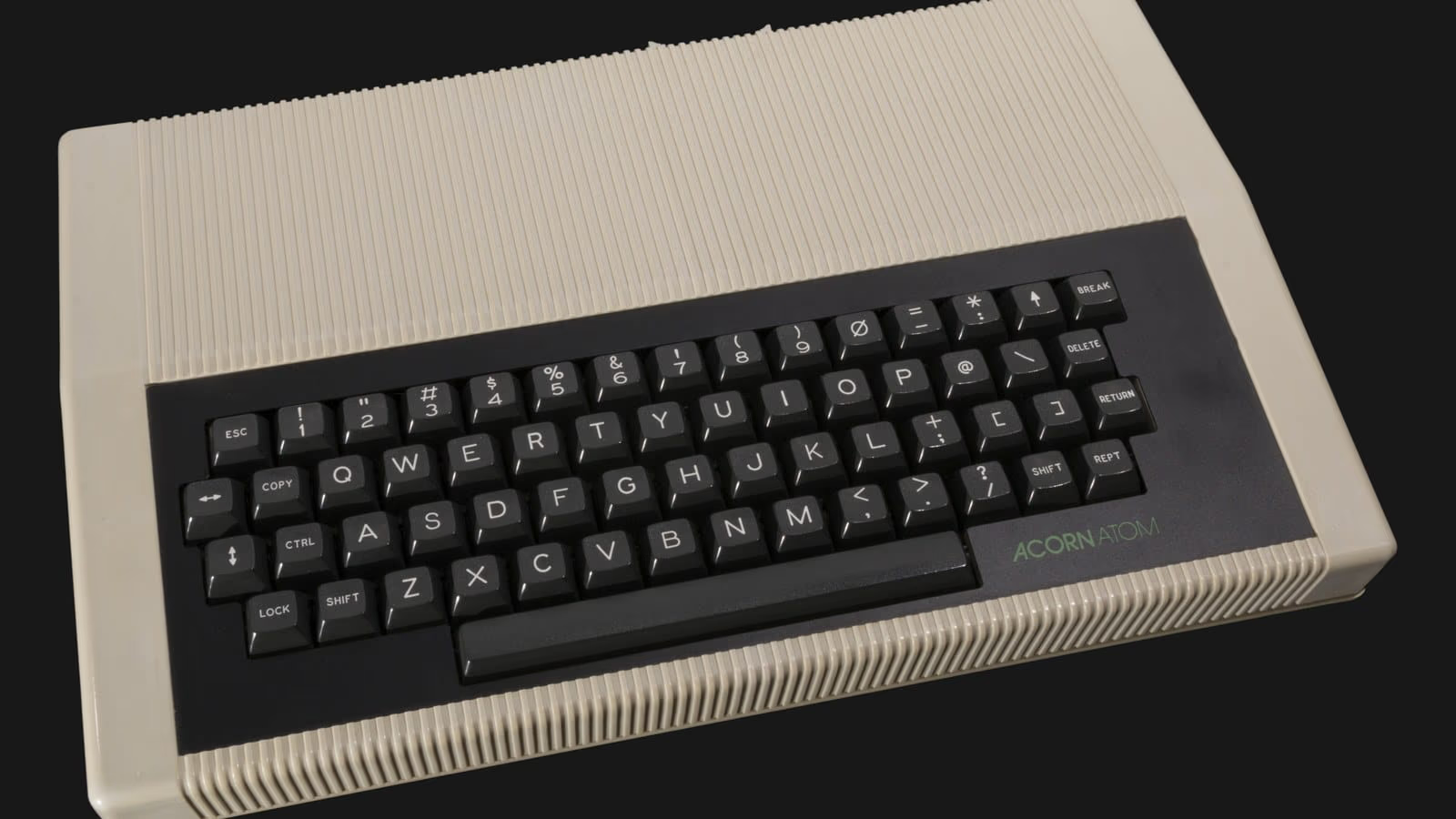
Image: Acorn Atom, photo: Simon Inns, CC BY 2.0, Wikimedia Commons (cropped)
Acorn Atom MiSTer Core Gets a Tape Deck and GODIL Video
MiSTer's Acorn Atom core has its first feature release since February 2023. Release 20261111, written by Alan Steremberg and merged on GitHub in the early hours of 12 November UTC, gives the core a working tape deck, the GODIL video extensions with an 80-column text mode, a processor clock that finally runs at exactly 1 MHz, and fixes for keyboard bugs that had made parts of the Atom's software library awkward to use. The only release in between was a framework update in October 2025. The new build is already in the _Computer folder of MiSTer's main distribution.
A tape deck that says what to type
The core's main route for software is the AtoMMC interface, which reads files from a disk image standing in for the Atom's SD card. The new release adds the cassette route. A .uef or .csw file chosen from the Tape row of the on-screen menu is played into the Atom's cassette input as if a recorder were attached.
UEF files can be plain or gzipped, up to 128 KB once expanded, and the core unpacks them as they load. CSW files, which are recordings of the tape's waveform, are demodulated back into bytes on the way in; the README notes that only standard 300-baud Atom recordings can be read that way. Playback runs at eight times real speed by default, with a status bar on screen, and a Normal setting plays at the original 300 baud.
The unusual feature is the hint. The Atom has three different commands for loading a tape depending on what is on it, and a box in the corner of the screen reads the tape's own header and prints the right one: LOAD"NAME" followed by RUN for a BASIC program, *RUN"NAME" for machine code, or *LOAD"NAME" for a data file. First it asks for F11, which restarts the Atom without the AtoMMC ROM, because that ROM takes over LOAD and SAVE. On tapes holding several files, the hint moves on to the next file's command.
The rule was checked against the Atom Software Archive's 4,745 tape images. According to the core's tape status document, 985 start with a BASIC program, 1,212 with machine code and the remaining 2,543 with data such as loading screens and menu pages. The README is careful about the limits of that: the rule matched every tape in the archive by kind, "but it is a rule, not something the tape states".
That survey turned up a fault in the archive's files. 2,568 single-block files were converted with the "more blocks follow" flag set on their only block, so a real Atom's LOAD would wait for a block that never arrives. The deck corrects the flag and the block checksum as it plays.
The speed difference is measured as well. On MiSTer hardware, Asteroids, an 11-block machine-code game on a tape lasting 2 minutes 19 seconds, loads in about 16 seconds at 8x. In the simulator a one-block BASIC program that takes 14.7 seconds at normal speed loads in 2.05 seconds.

Video, clock and keyboard
The Atom's picture comes from an MC6847 video chip, and the release rebuilds its timing on the chip's datasheet: 455 clocks per line, 262 lines and 59.94 Hz, with the border the chip draws around the picture, green or buff in graphics modes and black in text. A new Border option turns it off to leave only the 256 by 192 image. The Original aspect ratio setting now follows the frame's real shape; it had always been 4:3, which the release notes say made the picture 17 percent too wide with the border off.
On top of that come extensions from AtomGodilVideo, a video adapter for the real machine from David Banks, who goes by Hoglet. The core now has its two 8 KB video memory banks, which the Atom's Bad Apple player uses for double buffering; its mouse pointer, driven by MiSTer's mouse, for the Atomic Windows software; and VGA80x40, an 80 by 40 colour text mode. Upstream draws that mode as 31 kHz VGA. The MiSTer core keeps the Atom's 15 kHz line rate and shows it as 640 by 480 interlaced, so that CRTs can display it.
The clock fix is small on paper. The core's system clock had been 31.5 MHz, shared with the video chip's needs, so the 6502 ran at 0.984 MHz and the Atom's 2.4 kHz tape tone came out at 2,366 Hz. A second PLL now supplies an exact 32 MHz, and the processor runs at 1 MHz as on the original.
Several keyboard bugs are gone. In the US, original and game layouts a lone Shift press never reached the Atom, so Centipede's fire button and the archive menu's Shift-to-scroll did nothing. Down and Left could leave Shift held, which kept the menu scrolling. Releasing Shift before a quote key left the quote stuck, which broke anything typed afterwards, including *RUN"ASTEROIDS". The keyboard module was rewritten from 886 lines to 288, and the release notes say the old and new versions were run side by side in simulation on 13.3 million random key events without a difference.
One fix corrects the emulated 8255 interface chip, which wrote the speaker bit whatever bit a program named. The notes say upstream AtomFpga has the same bug, and that TORPEDOR and the RXBOX ROM used to click the speaker instead of setting the bits they meant to. The AtoMMC joystick's directions, swapped by a line copied from upstream, are fixed too, and the AtoMMC ROM moves from version 3.00E to 3.02E.
A core with a long ancestry
The Acorn Atom was sold from 1980 to 1983, for £120 as a kit or £170 assembled. It was a 6502 machine with as little as 2 KB of memory, a cut-down version of Acorn's System 3 with a keyboard and cassette interface built in, and the predecessor of the BBC Micro. Its BASIC was a variation of the Acorn System BASIC developed by Sophie Wilson.
The MiSTer core describes itself as a cut-down version of AtomFPGA, Banks's FPGA recreation of the machine, and it first appeared in the MiSTer-devel organisation in December 2020. Steremberg, who has contributed to it since 2022, is also the developer behind three MiSTer cores for Japanese computers covered here recently: the NEC PC-6001, the Sharp MZ-2500 and the Sony SMC-777.
For software the README points to the Atom Software Archive, a collection of over 1,100 titles with a menu, maintained by Banks. Release V13.01, from July 2025, is the one the README recommends, and the new release includes a script that builds the core's disk image from that download in one step.
The release also adds a full simulation of the core, including the AtoMMC's microcontroller, with a regression suite of 28 scenarios compared pixel for pixel against reference images. The commits carry co-author lines crediting the AI model Claude Opus 5.5, and the pull request is marked as generated with Claude Code.
What is still missing
Saving to tape does not work yet: the tape status document says the tape output goes to the audio only. The same document says the loading hint has been verified across the archive by reading headers, not by loading every tape.
The core has no Tube, so the CP/M, FLEX and Z80 BBC BASIC clients that can print to the 80-column mode cannot run. And the pull request's own test list is specific about coverage: tapes, the archive menu, typing in the US layout, Atomic Windows and VGA80 were tested on a MiSTer, while Bad Apple and the other keyboard layouts were tested only in simulation.
New to MiSTer? Which MiSTer to buy and how to set it up covers the hardware, Update All and installing cores.
Sources
- MiSTer-devel on GitHub: Acorn Atom for MiSTer FPGA
- MiSTer-devel on GitHub: Release 20261111 (pull request #9)
- MiSTer-devel on GitHub: Tape status
- MiSTer-devel on GitHub: AcornAtom_MiSTer: commit history
- hoglet67 on GitHub: AtomFpga: Hoglet's version of the Acorn Atom FPGA
- hoglet67 on GitHub: AtomGodilVideo: new video adapter for the Acorn Atom
- hoglet67 on GitHub: Atom Software Archive releases
- Wikipedia: Acorn Atom
- MiSTer-devel on GitHub: Distribution_MiSTer: _Computer folder
More News
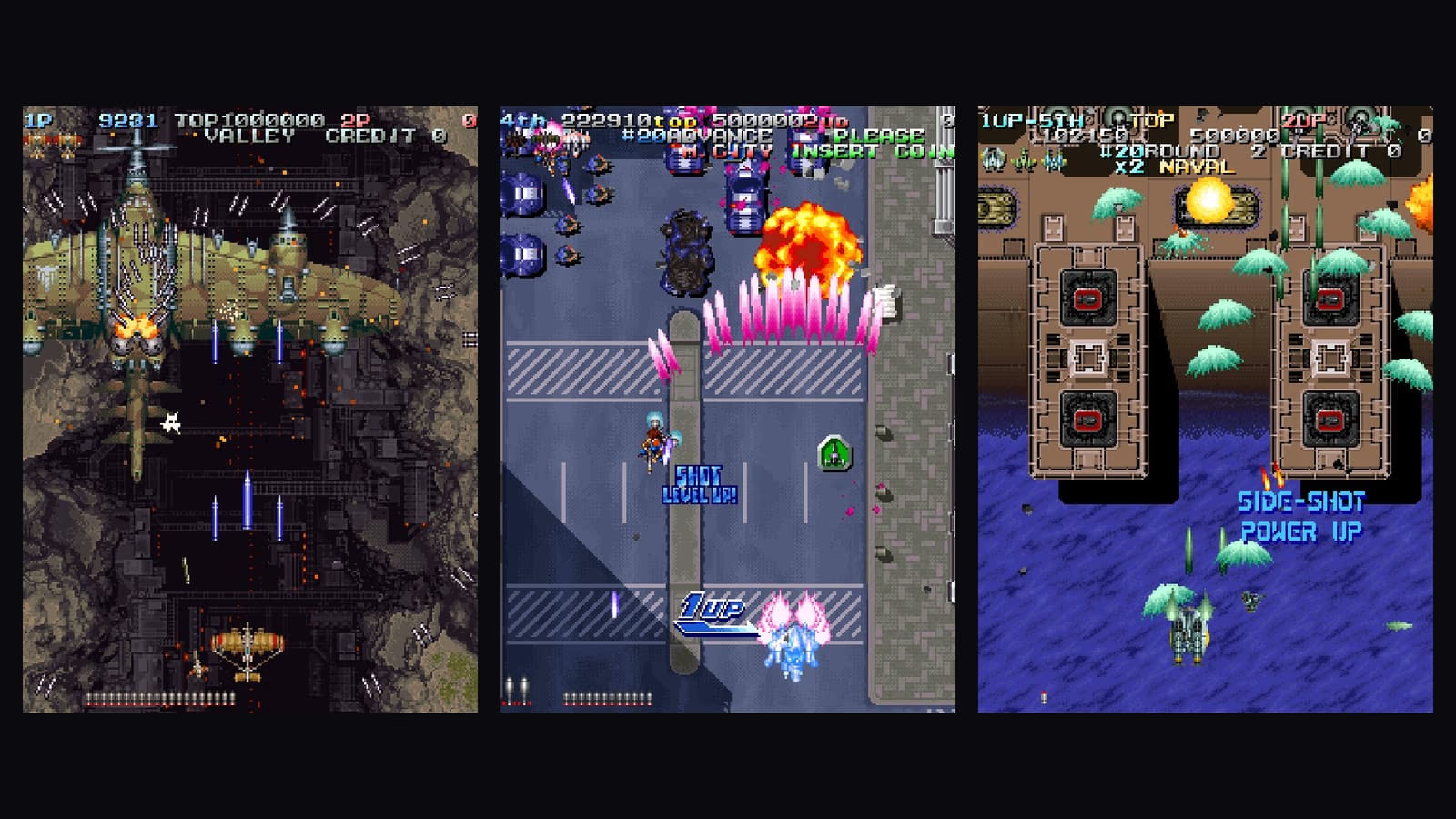
Arcade-RaizingMD Core Brings Battle Garegga and Batrider to MiSTer-devel
A rewritten open source core for Raizing's five Toaplan-based shooters, from Sorcer Striker to Battle Bakraid, was published to the MiSTer-devel organisation on 15 November. Its author says the old code was replaced and retuned against measurements from real boards.
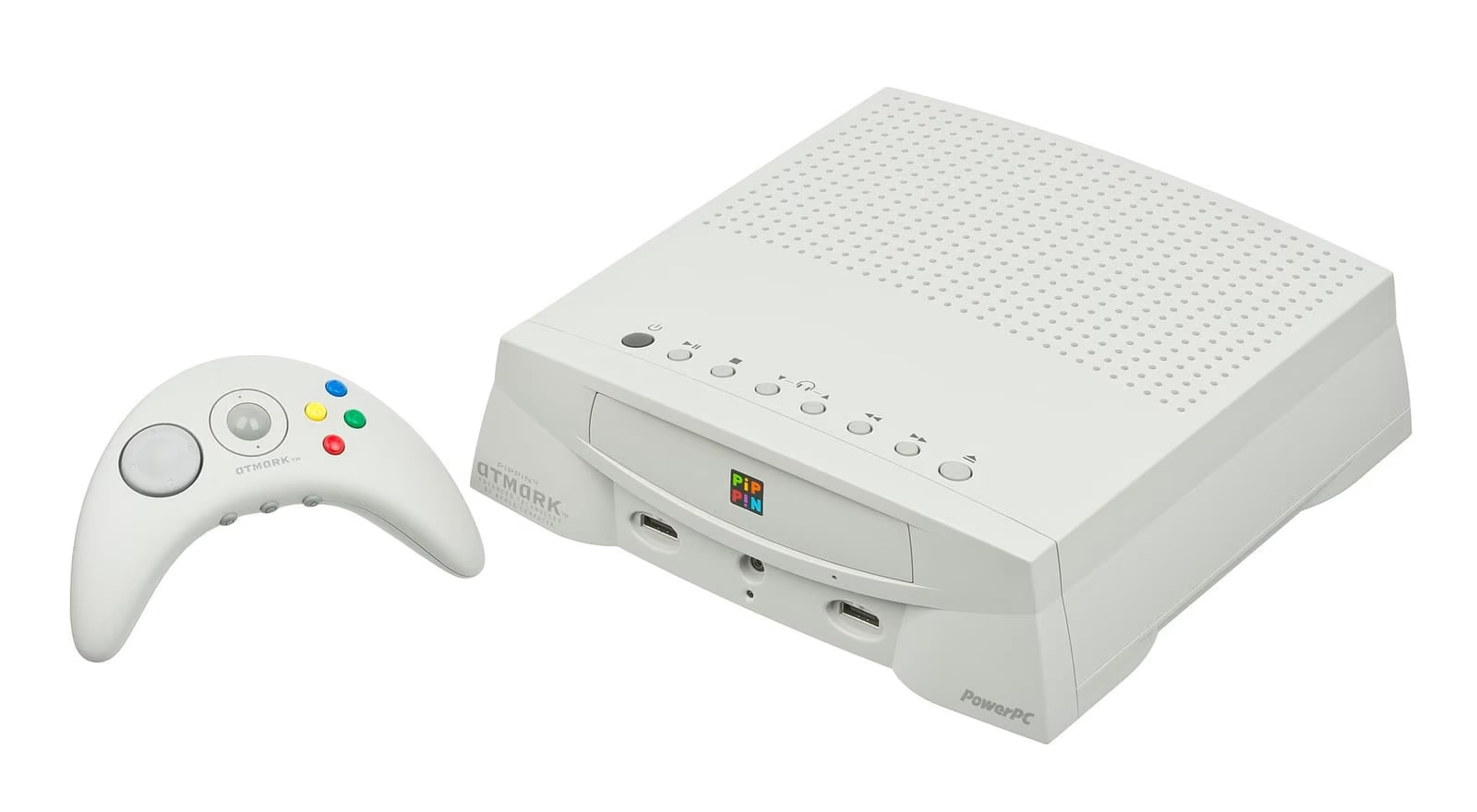
Bandai Pippin Gets a MiSTer Core
Dani Sarfati's BandaiPippin core, published to MiSTer-devel on 14 November, recreates Apple and Bandai's 1996 console down to its PowerPC 603. It boots the Pippin ROMs and four discs to their menus; playing titles through is not yet tested.
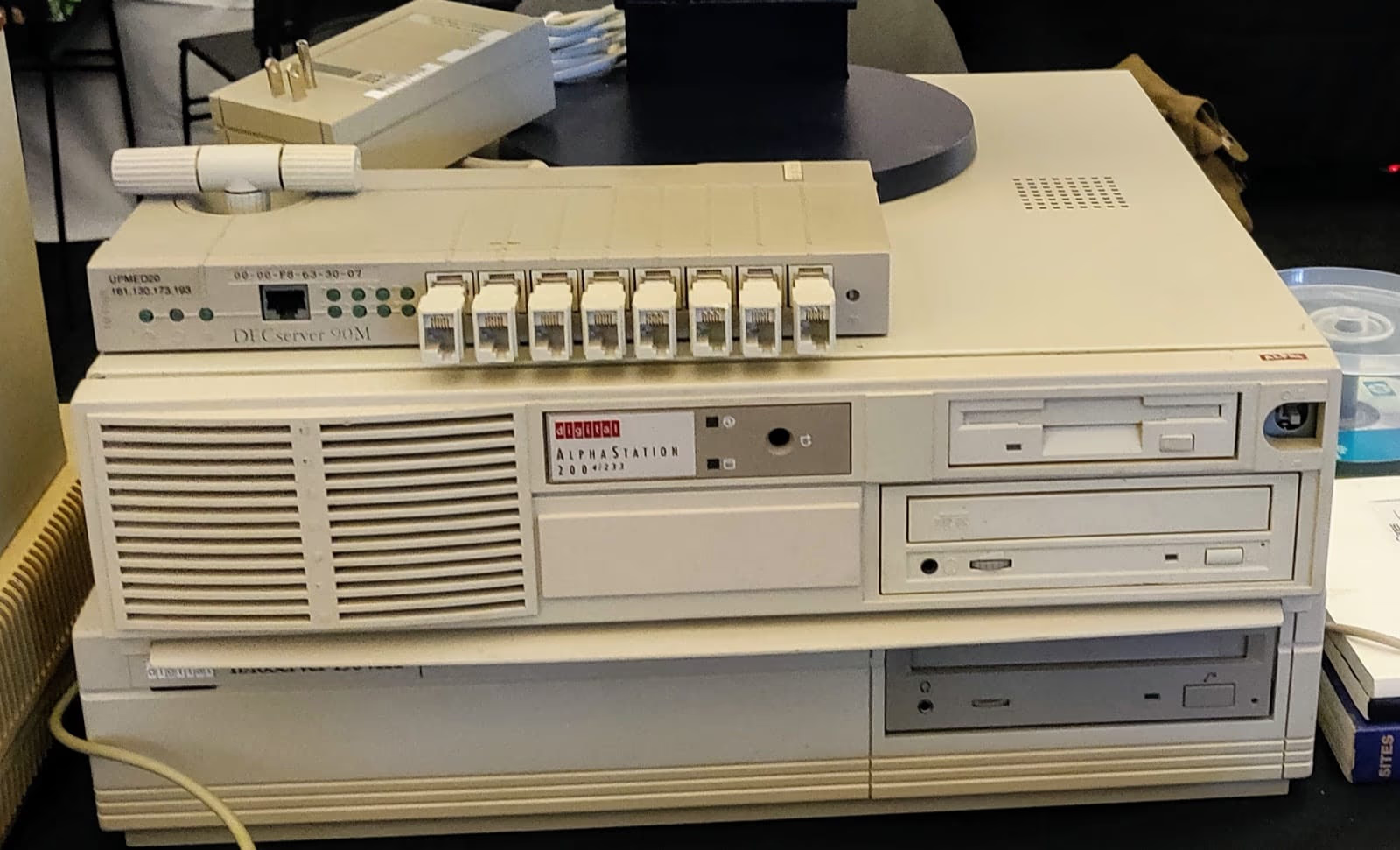
MiSTer Gets a DEC AlphaStation 200 Core That Runs OpenVMS, Tru64 and Windows NT
Dani Sarfati's DECAlphaStation200 core puts DEC's 1995 Alpha workstation on the MiSTer with its own SRM and ARC firmware, and boots OpenVMS, Tru64 UNIX, NetBSD, FreeBSD, Windows NT 4.0 and a Windows 2000 release candidate.