Image: Cart & Pixel
MiSTer Gets a Sharp MZ-2500 and MZ-2520 Core
Sharp's MZ-2500, the 1985 home computer sold in Japan as the "Super MZ", now has a MiSTer core. Alan Steremberg released it to the MiSTer-devel organisation on GitHub on 4 November as SharpMZ2500_20261104, after a month of work in his own repository. It covers the MZ-2500 and the cheaper MZ-2520, boots from D88 floppy images, and has the compatibility modes that let the machine run software for Sharp's earlier MZ-2000 and MZ-80B. On the compatibility list in its README, every MZ-2500 disk in MAME's software lists that boots in the reference emulator also boots on the core.
What the core does
The README describes the machine the core recreates: a Z80B at 6 MHz, 128 to 256 KB of RAM, a video controller with text and graphics modes at 640 by 400 and 320 by 200 and up to 256 colours, Yamaha's YM2203 sound chip, 3.5-inch 2DD floppy drives, the kanji ROM, and the MZ-80B and MZ-2000 compatible mode. The release notes add the details: text with kanji, programmable characters and 64 colours, graphics in 16, 256 and 4,096 colours with scrolling, split screen and priority, the beeper, a clock that takes its time from the MiSTer, and mouse and joystick support.
Disks load as .d88 images in two drives, and writes go back to the image, so Ys III can save. Games that ask for a separate user or data disk, the README names Ys III and Moon Child, want one in the other drive, and a script in the repository makes a blank formatted one. Other scripts convert MAME's .dsk and .mfi disk images, turn WAV tape recordings into .mzt files, and write MGL launcher files for every disk, tape and RAM image in a folder.
Tapes run at real speed, which the README warns means BASIC takes a few minutes to load. RAM images in MAME's mz2000_snap format start at once in MZ-2000 mode. A Lines option in the menu sets 400 lines for a 24 kHz monitor (the default) or 200 lines at 15 kHz, standing in for the switch on the front of the real machine; it takes effect at the next reset because games read it when they start.
The ROMs are not included. The core needs a single boot.rom built from the user's own dumps, using the file names and checksums of MAME's mz2500 set: the 32 KB IPL and the 256 KB kanji ROM are required, while the MZ-2520's own IPL, the dictionary ROM, the MZ-1E26 phone unit ROM and the MZ-1R13 kanji board are optional. A shell script in the repository checks the CRCs and assembles the file.
The keyboard can be mapped positionally, as a Japanese MZ keyboard on PC keys, or by the symbols printed on a US keyboard. The README lists the less obvious keys: F11 is HELP, Print Screen is COPY because F12 opens the MiSTer menu, and many games move through menus with the numeric keypad rather than the cursor keys.

How compatible it is
The README's compatibility section is specific. The core was tested on a DE10-Nano with SDRAM against BubiZ-2500, an emulator built on Takeda's EmuZ-2500, with MAME as a second opinion. All 62 titles in MAME 0.228 and 0.289's mz2500_flop list that boot in that emulator boot on the core and match it, including four copy-protected games: Laydock, Macadam, Märchen Veil and Mugen II. The release notes explain why that works: the floppy controller copies the reference emulator's rotation timing, which those protections depend on, and sectors are read from the SD card while the virtual disk turns, so loading takes as long as it did on the real machine.
The README names more than two dozen games play-tested past the title screen, among them Xevious, Galaga, Mappy, Druaga, Moon Child, Black Onyx, Nobunaga no Yabou, Back to the Future and Ys III with saving, plus every issue of the Hoshikuzu-bako (Dust Box) disk magazine. In the older modes, all of MAME's MZ-2000 and MZ-2200 tapes load except Jelda and Jelda 2, which are bad dumps, and all 14 mz2000_snap images run.
The README also lists the failures that match the emulators, so they are faults in the dumps or software rather than in the core: F-2 Grand Prix gives a Disk Error from a bad dump, SP-5025 BASIC never finishes loading, and Laydock stops at "SCENE 01" after its menus. Mugen II's user disk has not been made to work, because nobody has found a way to create one, in the emulator either.
The Super MZ
According to Japanese Wikipedia, Sharp launched the MZ-2500 in October 1985 as the MZ-2511 with one floppy drive at 168,000 yen and the MZ-2521 with two at 198,000 yen. The MZ-2520, a budget model without the data recorder or the older machines' modes, followed in October 1986 at 159,800 yen, alongside the MZ-2531 at 199,800 yen. The article says the machine arrived when the market was already becoming fixed and could not overturn the shares of the established machines, and that software releases thinned out over time. Its successor, the MZ-2861, combined an 80286 with a Z80 for MZ-2500 compatibility.
Two games from that article show what the hardware could do. It calls Dempa Shimbunsha's Xevious, which used the palette board and smooth scrolling, the most faithful personal computer port of the game until the X68000 version, and it says Moon Child was the only commercial title to use the data recorder, playing narration from the tape's audio track. The English Wikipedia article on the MZ series notes that the line was known for shipping without a programming language or operating system in ROM, and that the MZ-2000 of 1982 was BASIC-compatible with the business-focused MZ-80B, which is the lineage the core's compatibility modes reach back to.
Readers who want the earlier Sharp machines on MiSTer have the separate Sharp MZ core, which this one calls its sister project and shares floppy and tape logic with. Steremberg's version of it lists the MZ-80K, MZ-80C, MZ-1200, MZ-80A, MZ-700, MZ-800, MZ-1500, MZ-80B and MZ-2000 as working, and credits the original emulation to Philip Smart.
Who is behind it
Steremberg's GitHub profile describes a computer engineer who co-founded Weather Underground and worked at Weather Channel and NOAA. The MZ-2500 core is the latest in a run of Japanese computer cores from him this autumn, after the Sony SMC-777 core on 3 November. The same day as the MZ-2500, he published a core for the Hitachi Basic Master Level 3 family and the Hitachi MB-S1 to MiSTer-devel, built around a Motorola MC6809 at 1.008 MHz (2 MHz on the MB-S1) with cassette, floppy and sound card support.
The development repository started on 5 October with a test-pattern machine and a Verilator simulation, and grew to 54 commits before the MiSTer-devel release, all of them carrying a co-author line crediting Claude, Anthropic's AI model. The core's credits name Sorgelig's T80 Z80, SDRAM controller and WD1793 floppy controller, the D88 support from FM-7_MiSTer, and jotego's jt03 for the YM2203. The README says MAME and EmuZ-2500 were used as behavioural references only.
What is not known yet
The README lists what the core does not do yet: saving to tape, drives 3 and 4, the RS-232C port, the printer, the SASI hard disk and memory expansions. As of 6 November the MiSTer-devel repository had no issues filed, so there are no user reports yet beyond the author's own testing. Readers new to how an FPGA core differs from an emulator can start with the FPGA explainer.
Sources
- MiSTer-devel on GitHub: Sharp MZ-2500 / MZ-2520 for MiSTer
- MiSTer-devel on GitHub: SharpMZ2500 release notes
- alanswx on GitHub: SharpMZ2500_MiSTer development repository
- alanswx on GitHub: Sharp MZ for MiSTer Platform
- MiSTer-devel on GitHub: Hitachi Basic Master Level 3 / MB-S1 for MiSTer
- GitHub: alanswx
- Wikipedia (Japanese): MZ-2500
- Wikipedia: Sharp MZ
- Wikimedia Commons: File:Sharp MZ-2000.jpg
More News
Arcade-RaizingMD Core Brings Battle Garegga and Batrider to MiSTer-devel
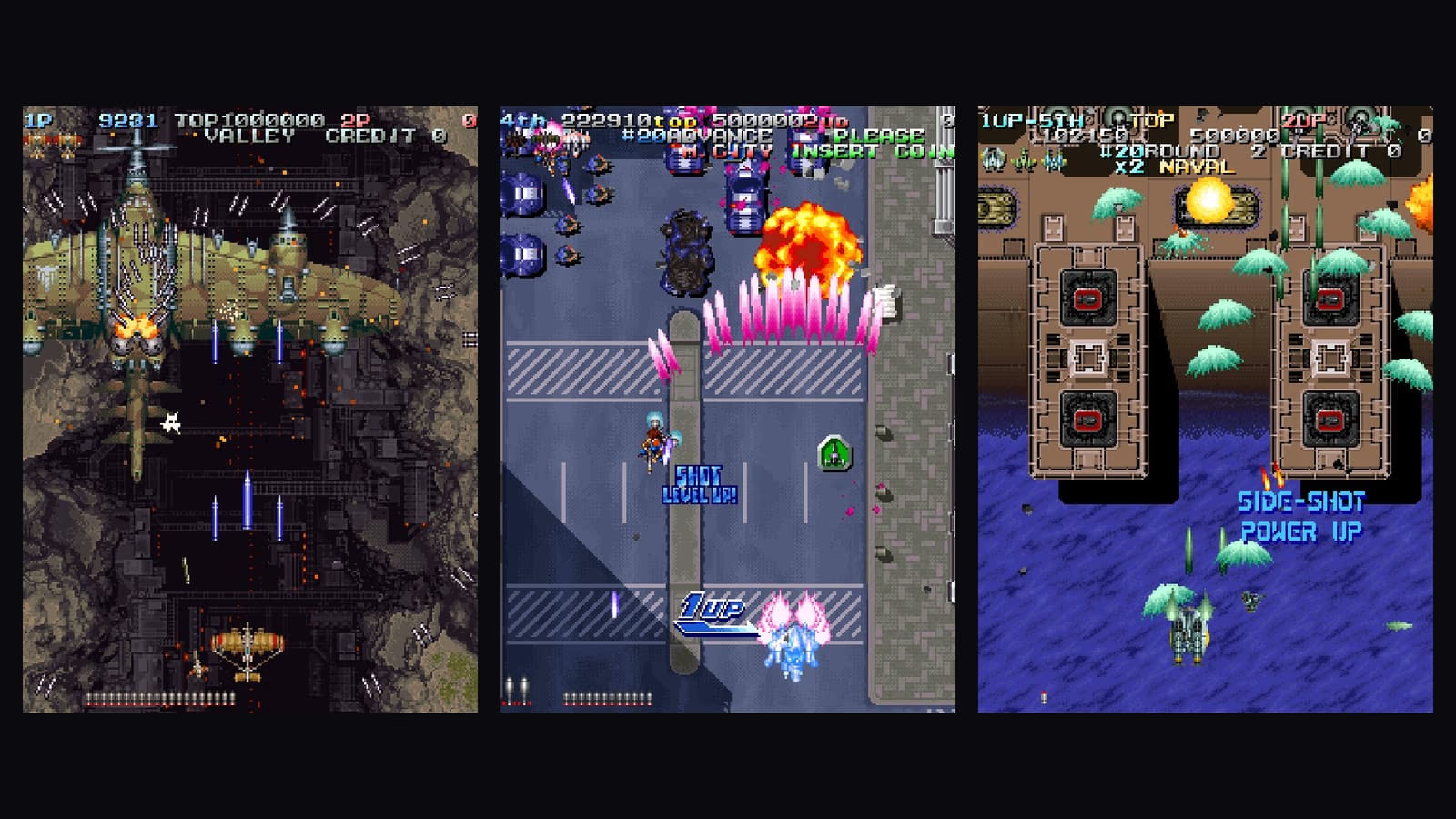
A rewritten open source core for Raizing's five Toaplan-based shooters, from Sorcer Striker to Battle Bakraid, was published to the MiSTer-devel organisation on 15 November. Its author says the old code was replaced and retuned against measurements from real boards.
Bandai Pippin Gets a MiSTer Core
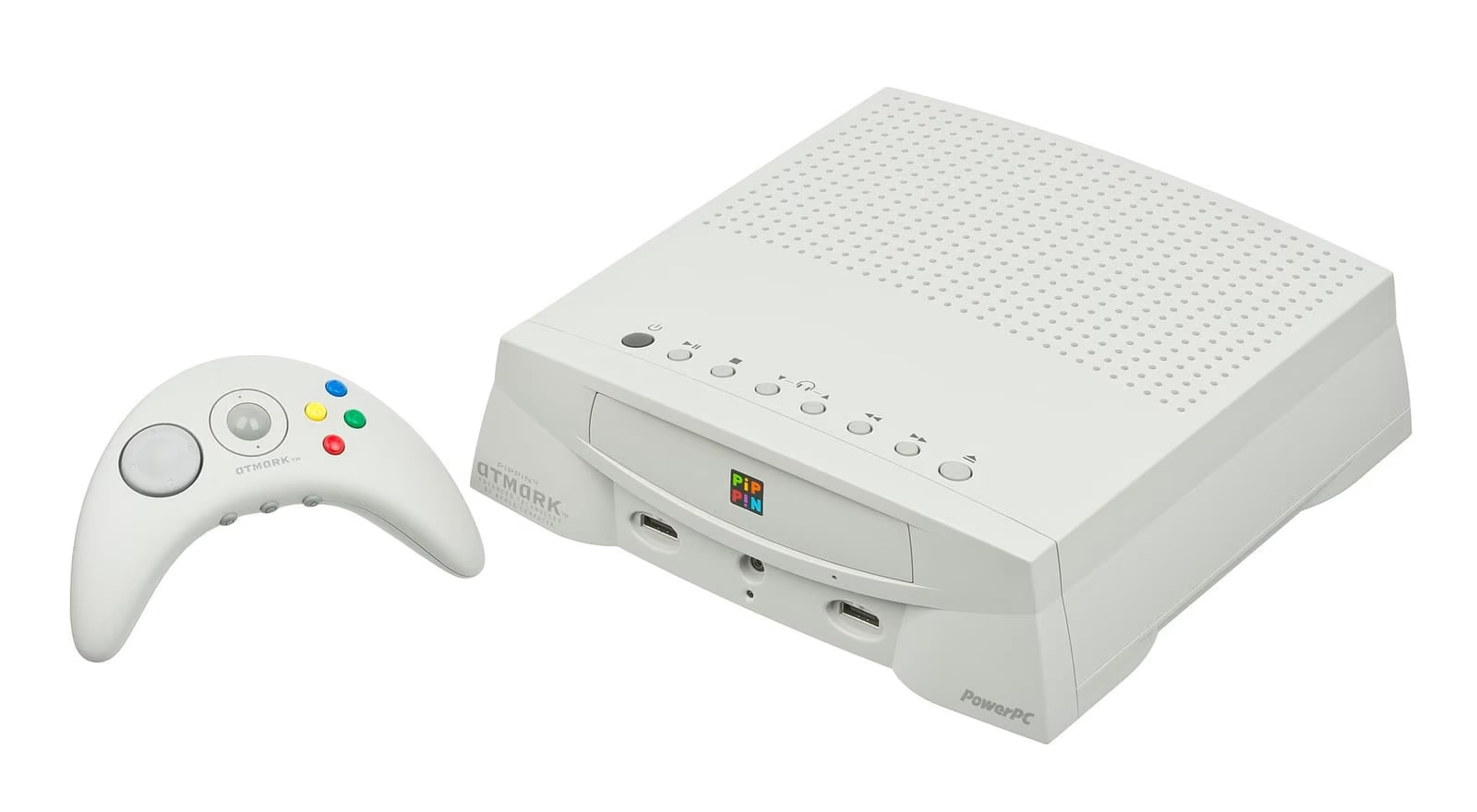
Dani Sarfati's BandaiPippin core, published to MiSTer-devel on 14 November, recreates Apple and Bandai's 1996 console down to its PowerPC 603. It boots the Pippin ROMs and four discs to their menus; playing titles through is not yet tested.
MiSTer Gets a DEC AlphaStation 200 Core That Runs OpenVMS, Tru64 and Windows NT
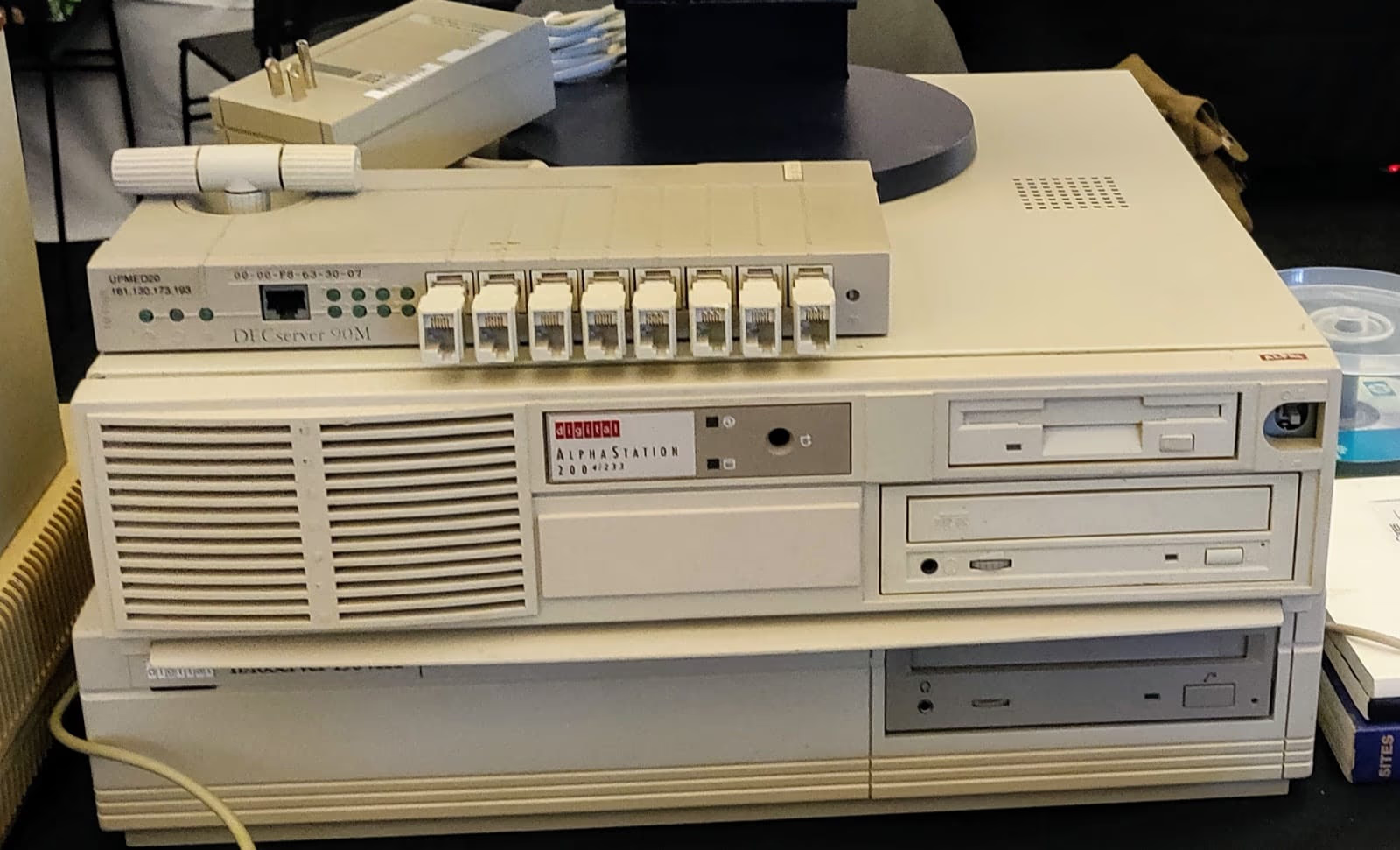
Dani Sarfati's DECAlphaStation200 core puts DEC's 1995 Alpha workstation on the MiSTer with its own SRM and ARC firmware, and boots OpenVMS, Tru64 UNIX, NetBSD, FreeBSD, Windows NT 4.0 and a Windows 2000 release candidate.