Image: leighklotz, CC BY 2.0, via Wikimedia Commons
MiSTer Gets a DEC AlphaStation 200 Core That Runs OpenVMS, Tru64 and Windows NT
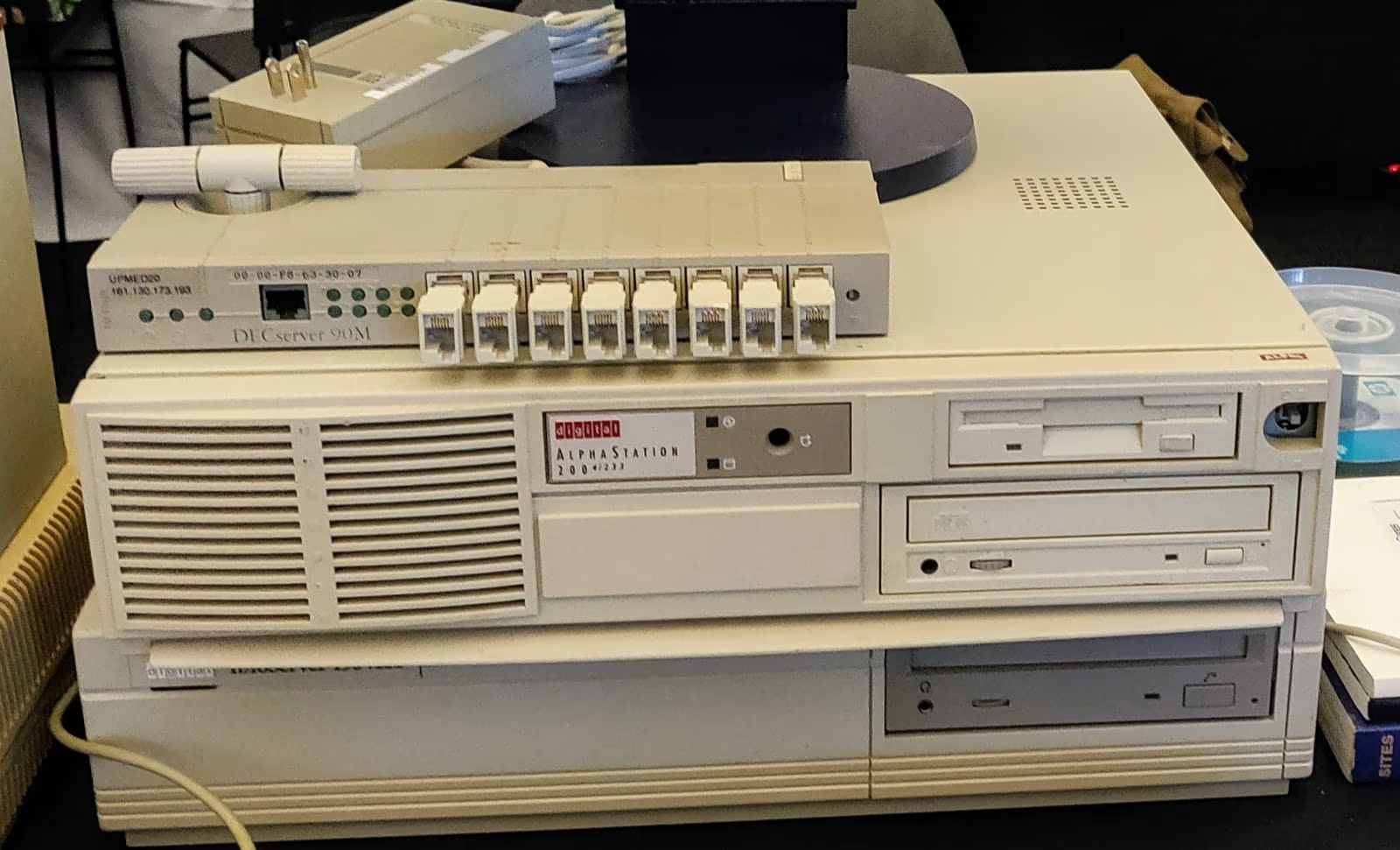
A DEC AlphaStation 200 4/100, Digital Equipment Corporation's entry-level Alpha workstation from 1995, now runs on the MiSTer. Dani Sarfati moved the DECAlphaStation200 core into the MiSTer-devel organisation on GitHub late on 13 November, with a release file dated the same day, and it boots DEC's own firmware and six families of operating systems: OpenVMS, Tru64 UNIX, NetBSD, FreeBSD, Windows NT 4.0 and a release candidate of Windows 2000.
What the core runs
The README lists what has been tested and how far each system gets. OpenVMS 6.2, 7.3 and 8.4 boot from disk with the DECwindows Motif desktop on the graphics card and TCP/IP networking, though they need the owner's own licence keys (PAKs). Tru64 UNIX 4.0G and 5.1B-4 boot from disk into the CDE desktop; the C compiler needs the OSF-DEV licence. NetBSD 10.2 boots from CD and disk with networking, and FreeBSD 5.2.1 boots from disk and runs X with XFree86's accelerated tga driver.
On the Microsoft side, Windows NT 4.0 Workstation and Terminal Server install, boot from disk and run with sound, CD audio and networking. Windows 2000 build 2072 boots from disk to the desktop. The author's research notes identify 2072 as Release Candidate 1 and record that every Alpha build of Windows 2000 they examined lists "Digital AlphaStation 200/400 Family" as a supported machine type. Microsoft never shipped a final Alpha version: Windows NT on Alpha ended with NT 4.0.

The release folder holds the core, two firmware images and a blank NVRAM file. boot0.rom is the machine's 1 MB flash with SRM V7.0-9 and ARC 4.58, and boot1.rom is the DROM V1.7 that runs the power-up tests and loads the console. The README credits that firmware as DEC's. The one piece of the original boot chain nobody has is the serial ROM: the core uses its own replacement because, in the README's words, "no dump of the original exists".
Setting it up
Installation is by hand for now. The core goes in _Unstable/ or _Computer/ on the SD card, renamed to DECAlphaStation200.rbf, with the two firmware files in games/DECAlphaStation200/. Memory can be set to 32, 64 or 128 MB; the largest needs a 128 MB SDRAM module. Disk images are blank files made with dd, and the README walks through installing OpenVMS, Tru64 and Windows NT step by step, including the small FAT system partition NT needs for its boot loader on an Alpha.
Alpha machines had two consoles. SRM, the >>> prompt, boots OpenVMS and the Unix systems; ARC boots Windows. The core keeps the choice where the real machine did, in NVRAM, and the README recommends one NVRAM file per operating system, picked from the OSD before starting it. Typing set os_type nt at the SRM prompt switches a file over to ARC. The OSD also exposes the board's jumpers, the front-panel halt switch, a serial console that can be shown as a text terminal on the HDMI output, and COM1 on the MiSTer's own UART.
Some features need support in Main_MiSTer: networking, CUE/BIN and CHD CD images, CD audio and fast disk writes. Sarfati opened pull request 1423 to add that support on 14 November, describing it as "the same design as the other SCSI & Ethernet cores". Without it, plain ISO images and disks still work.
How it is built, and how fast it is
The core models the whole machine rather than just the processor. Alongside the 21064 CPU with its floating-point unit (IEEE and VAX formats) and 8 KB instruction and data caches, it implements the 21071 "APECS" chipset with its PCI bridge, the ZLXp-E1 graphics card (an 8-bit DECchip 21030 TGA with 2 MB of video memory and its drawing engine), an NCR 53C810 SCSI controller for two hard disks and a CD-ROM, a DECchip 21040 Ethernet controller bridged to the MiSTer's network, a floppy drive, PS/2 keyboard and mouse, and Windows Sound System audio with OPL3 FM. The OPL3 is Greg Taylor's opl3_fpga.
The author's development notes are unusually candid about speed. The real 21064 issues two instructions per cycle; the notes say dual issue was evaluated on 12 November and not built: the estimate was a gain of 18 to 35 percent at best, for several thousand of the FPGA's logic blocks when about 4,700 were free. Instead the CPU gained a write buffer, pipelined floating-point issue, branch prediction and a 256 KB board cache (the real machine's is 512 KB). On the benchmark the author uses under Windows NT 4.0, the notes put the real 4/100 at "about 8 / 9" on the Dhrystone and Whetstone index scale, and the 13 November release reached a Dhrystone index of 16.0.
That speed comes at a cost the README states plainly: the core runs at 100 MHz, "beyond the FPGA's rated timing", and "on some boards it may not be stable".
Why the Alpha matters
Alpha was DEC's 64-bit RISC architecture, designed to replace the VAX. The first chip, the 21064 (EV4), was announced on 25 February 1992 and shipped in volume that September, and DEC promoted it as the world's fastest processor. In 1994 DEC launched the AlphaStation and AlphaServer ranges, which brought PCI, VGA-compatible graphics and PS/2-style keyboards and mice to the platform. The author's hardware notes, drawn from DEC's 1995 technical manual, list three AlphaStation 200 models: the 4/100 at 100 MHz, the 4/166 at 166 MHz and the 4/233 with the faster 21064A.
The architecture did not last. Compaq bought DEC in 1998, and on 25 June 2001 announced Alpha would be phased out in favour of Intel's Itanium, selling the Alpha intellectual property to Intel. HP, which merged with Compaq in 2002, sold Alpha systems until April 2007.
How it compares
Software emulators already run Alpha operating systems. AXPbox, a fork of the discontinued es40 emulator, can in principle run OpenVMS, Tru64, Linux, NetBSD and Windows 2000; its README shows Windows 2000 build 2128 running. AlphaVM is a full-system Alpha emulator that runs on Windows or Linux. The MiSTer core is a different kind of thing: a hardware model of one specific, cheaper workstation, running that machine's own firmware.
Who is behind it
This is the latest in a fast run of workstation cores from the same author. Sarfati's NeXTStation Turbo Color core arrived in MiSTer-devel on 10 October, the Power Macintosh 7300 on 22 October and the IBM RS/6000 43P 7248 on 2 November. The AlphaStation repository on the author's own account was created on 1 November, and its notes record the first operating system installs to disk images on 3 November.
What is not known yet
The README lists the remaining gaps. The graphics card is the 8-bit ZLXp-E1 only, with no 24-bit E2 or E3. NetBSD does not accept the clock's date at boot. XFree86's accelerated copies are slower than its unaccelerated ones. COM1 can drop characters under long, fast input. Windows Sound System recording gives silence. There is no parallel port interrupt, no machine checks and no performance counters. Pull request 1423 was still open when the core was published, and nothing yet says when, or whether, the core will be added to the MiSTer's update scripts.
New to MiSTer? Which MiSTer to buy and how to set it up covers the hardware, Update All and installing cores.
Sources
- MiSTer-devel on GitHub: DEC AlphaStation 200 4/100 for MiSTer
- MiSTer-devel on GitHub: DECAlphaStation200_MiSTer releases folder
- MiSTer-devel on GitHub: Add Support for DECAlphaStation200_MiSTer core (pull request 1423)
- danifunker on GitHub: DEC AlphaStation 200: hardware inventory
- danifunker on GitHub: Gaps: hardware and features still to add
- danifunker on GitHub: Resume prompt (release notes)
- danifunker on GitHub: Windows NT 5.0 (Windows 2000) Alpha betas on the AlphaStation 200
- lenticularis39 on GitHub: AXPbox Alpha emulator
- MiSTer-devel on GitHub: IBM RS/6000 43P 7248 for MiSTer
- MiSTer-devel on GitHub: PowerMacintosh 7300 on MiSTer
- MiSTer-devel on GitHub: NeXTStation Turbo Color for MiSTer
- Wikipedia: DEC Alpha
- Wikipedia: Alpha 21064
- Wikipedia: AlphaStation
More News
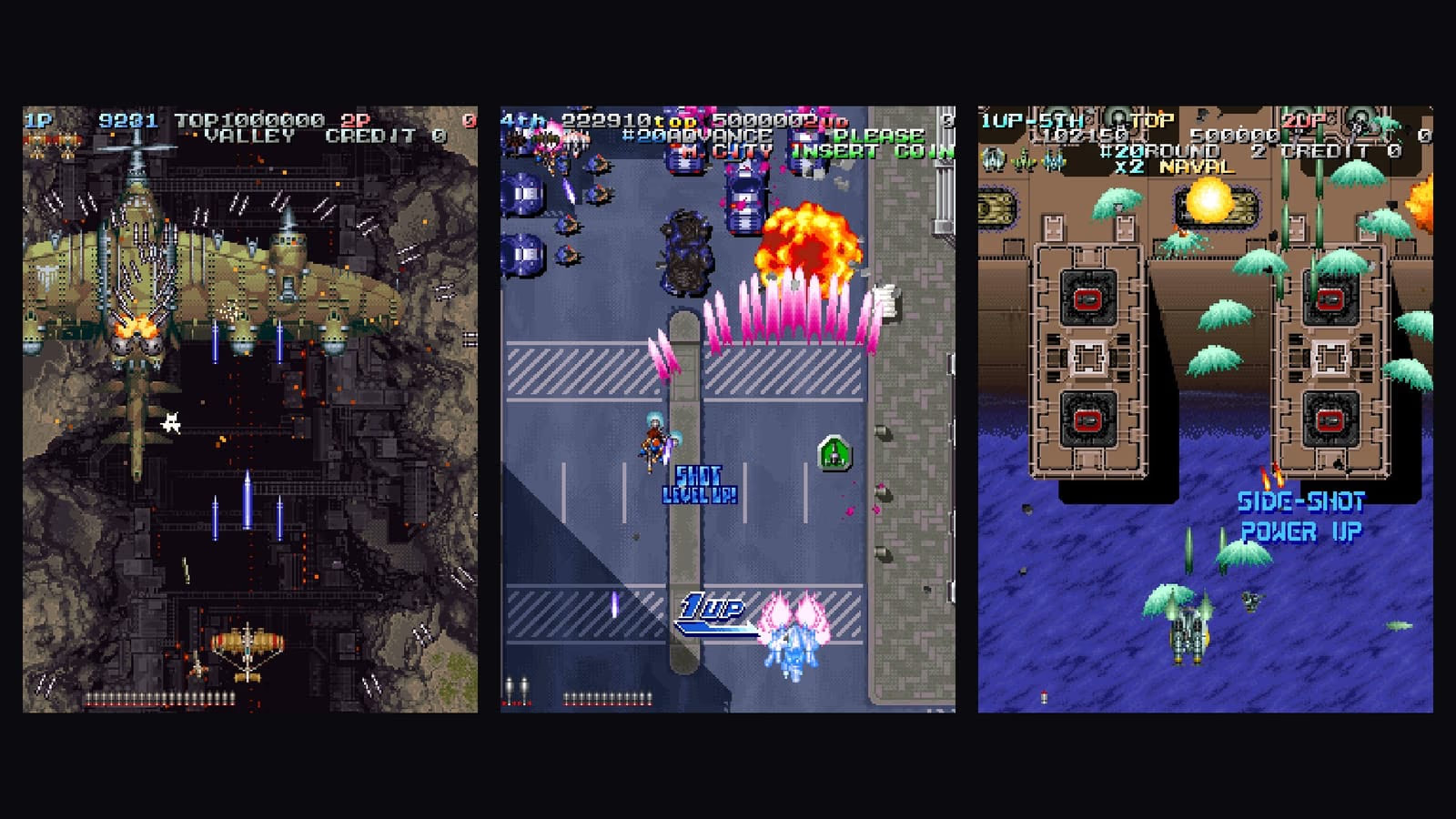
Arcade-RaizingMD Core Brings Battle Garegga and Batrider to MiSTer-devel
A rewritten open source core for Raizing's five Toaplan-based shooters, from Sorcer Striker to Battle Bakraid, was published to the MiSTer-devel organisation on 15 November. Its author says the old code was replaced and retuned against measurements from real boards.
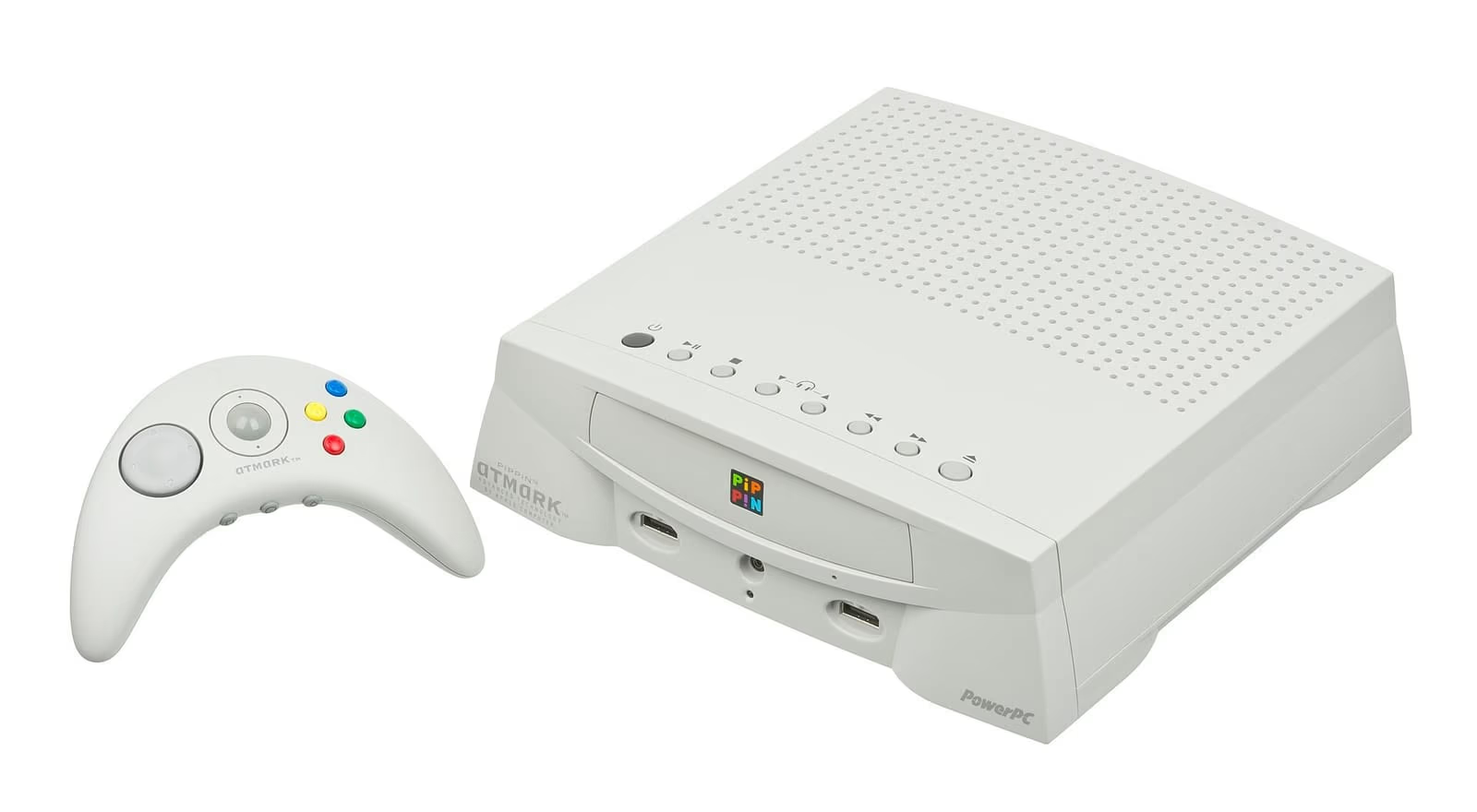
Bandai Pippin Gets a MiSTer Core
Dani Sarfati's BandaiPippin core, published to MiSTer-devel on 14 November, recreates Apple and Bandai's 1996 console down to its PowerPC 603. It boots the Pippin ROMs and four discs to their menus; playing titles through is not yet tested.
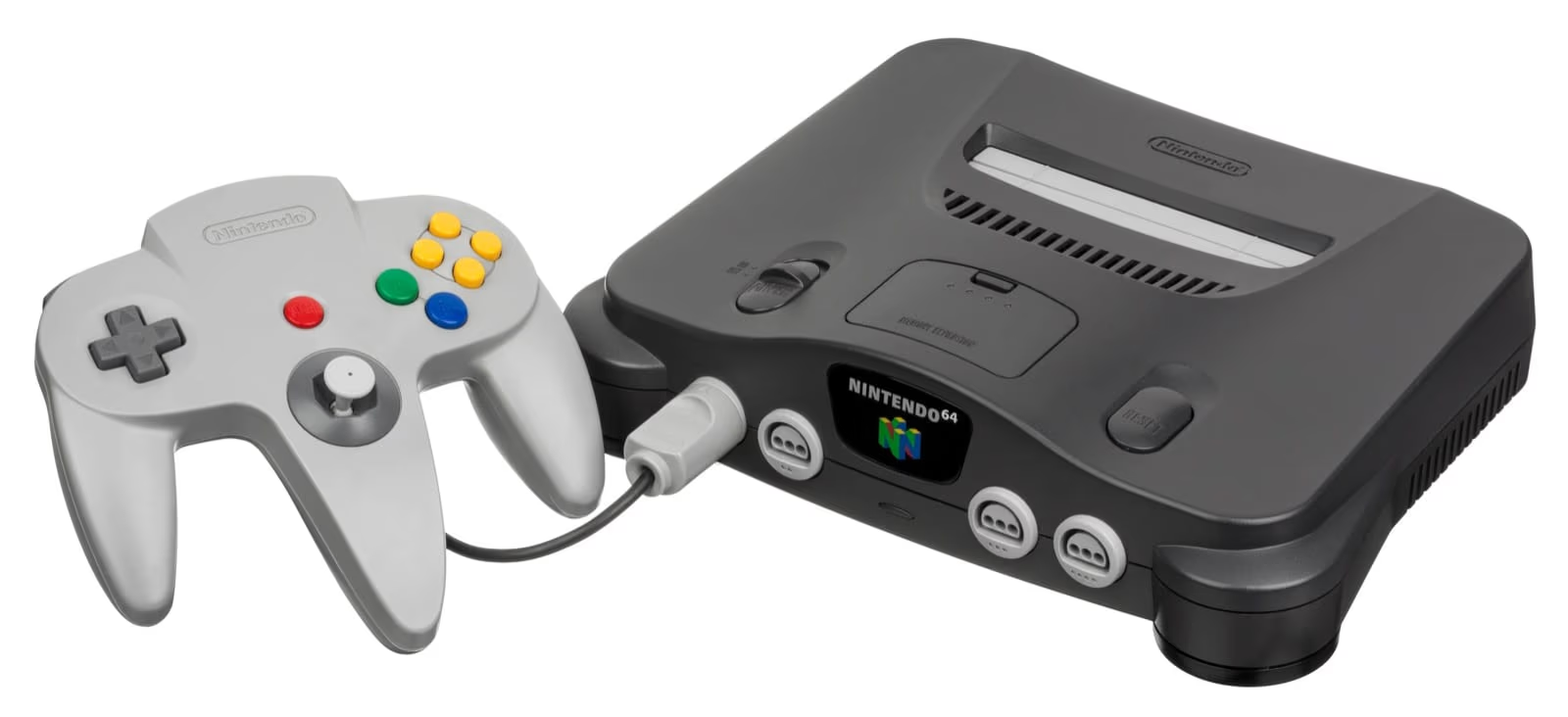
Gopher64 1.2.0 Turns On Rollback Netplay for N64 Games
Version 1.2.0 of the gopher64 Nintendo 64 emulator, released on 12 November, switches its peer-to-peer netplay from input delay to rollback, lets each player set their own delay, and adds support for three homebrew emulators that run on N64 hardware.