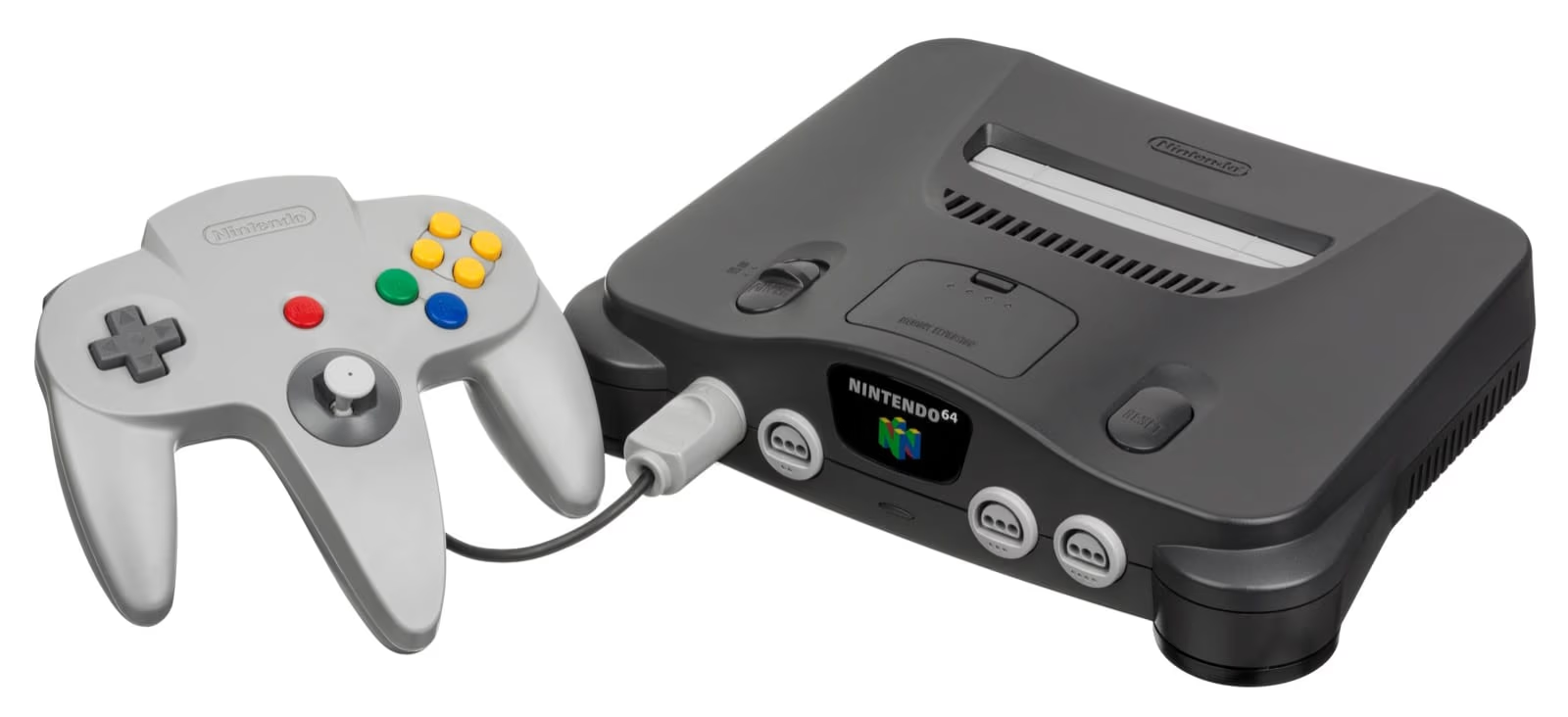
Image: Nintendo 64 with controller, photo: Evan-Amos, public domain, Wikimedia Commons
Gopher64 1.2.0 Turns On Rollback Netplay for N64 Games
The gopher64 Nintendo 64 emulator now has rollback netplay. Version 1.2.0, published on GitHub on 12 November, switches on rollback for its online play, lets each player choose their own local input delay, updates the emulator's timings against a new set of hardware benchmarks, and adds support for three homebrew emulators that run on N64 hardware: Sodium64, Neon64 and GB64. Version 1.2.1 followed about an hour later; its notes say it fixes a packaging problem with the Android APK and that "Everything else is the same as v1.2.0".
What changed in 1.2.0
The release notes list, in full:
- rollback netplay enabled, with each player choosing their own local input delay
- timings updated based on hacktarux's n64-systembench
- a freeze after minimising on Windows fixed, and a freeze that sometimes happened on reset fixed
- improved savestates
- gopher64 registered as a file handler for N64 ROMs on macOS, credited to the contributor lomdar67
- real-time clock values in Game Boy saves fixed
- Transfer Pak support fixed on Android
- improved compatibility with libdragon
- support for Sodium64 (a SNES emulator), Neon64 (an NES emulator) and GB64 (a Game Boy emulator)
Builds are available for Windows, macOS (Apple silicon), Linux (including Flatpak) and Android, through GitHub, the Google Play Store and the developer's itch.io page.
The bug fixes trace back to user reports. The reset freeze was reported on 5 November by a player who pressed the reset key on Mario Kart 64's "The End" screen; it was fixed by a change titled "emulate RSP SSTEP". The clock fix answers an August report that saving to Pokémon Crystal through Pokémon Stadium 2's Transfer Pak left the Game Boy game's clock wrong, even though the rest of the save came through intact.

How rollback works here
Gopher64 has had online play since version 0.1.20 in January 2025, built in a run of pull requests covering room creation, a waiting room, save syncing and input sync. Until now it waited for everyone's input before running each frame. The netplay guide as it stood in June said so plainly: "No, although Gopher64 uses GGRS, rollback is not currently supported." Setting the input delay too low, it warned, "will cause the game to freeze as it waits for inputs from other players", and "Only the first player can change this value."
GGRS, the library the emulator already used, describes itself as "a reimagination of the GGPO network SDK", written in Rust. With rollback switched on, a too-low input delay no longer stalls the game; the cost moves to rollbacks instead, as the new wording in the emulator shows.
The switch came in four pull requests merged on 11 November. The one titled "enable rollback" changed the README from "Netplay" to "Rollback netplay" and changed the warning shown to players from "Setting the input delay too low will cause the game to lag." to "Setting the input delay too low will cause frequent rollbacks." A fifth change the same day allowed an input delay of zero. In the source for 1.2.0, the prediction window is set to 16 frames, and the input delay cannot be set higher than that.
The updated guide describes the rest of the setup. Networking is "always a full mesh P2P": every player connects directly to every other player over WebRTC, with STUN and TURN for getting through home routers, so no port forwarding is needed. If a direct connection fails, it falls back to a TURN relay server. Only controller inputs are sent, "not savestates or graphics, so bandwidth usage will be very low." The waiting room recommends a delay based on each player's ping, adjustable in game with Alt+[ and Alt+], and the guide's advice for choppy games is to raise it, which "will reduce the amount of rollbacks required". Save files, cheats and settings still come from the first player. Players find each other in a #netplay channel on the project's Discord. The README notes that during online sessions the server "logs your IP address and basic session information (game title and session name)".
Emulators inside the emulator
The three homebrew programs that 1.2.0 now runs are emulators written for the N64 itself. Sodium64, by Hydr8gon, is "A SNES emulator for the N64, written in assembly", and its README says it "handles rendering entirely on the RSP", the console's signal processor, to take load off the main CPU. Neon64, by hcs64, is NES emulation on the N64, and GB64, by lambertjamesd, is "A gameboy emulator that runs on real N64 hardware". The release notes do not say what stopped these three from running before; one change in the release fixed Sodium64's audio.
The timing work rests on n64-systembench, a repository of hardware benchmarks by hacktarux whose commits measure instruction and data cache behaviour and writes to the N64's coprocessor. According to Wikipedia, the original Mupen64 emulator was released by Hacktarux in December 2001.
Who makes it
Gopher64 is written in Rust and licensed under the GPLv3, by Logan McNaughton (loganmc10 on GitHub). Its README credits mupen64plus and ares, saying "Many portions of gopher64 have been adapted from mupen64plus and/or ares", and its graphics use the project's own fork of parallel-rdp. The README also says pull requests that are "vibe coded and/or co-authored by AI agents" are not accepted. Android has been the recent focus: in October the developer asked for help with device compatibility "before releasing it on the Google Play Store", and the Play Store link has appeared in the release notes since version 1.1.42.
Among other N64 emulators, Rosalie241's RMG documents its own netplay, which uses a separate netplay server with port forwarding or a VPN.
What is not known yet
The release notes do not say how many players a rollback session supports, and the netplay guide gives no bandwidth figures, saying only that none have been measured. The Transfer Pak is still not supported over netplay, according to the options page. The guide warns that a choppy game can also mean one of the players cannot run it at full speed, and suggests lowering the resolution upscaling setting. The release notes give no performance figures for rollback on slower machines.
For a comparison of gopher64 with ares, simple64 and the ParaLLEl core, see the N64 emulation guide.
Sources
- gopher64 on GitHub: gopher64 v1.2.0 release notes
- gopher64 on GitHub: gopher64 v1.2.1 release notes
- gopher64 on GitHub: gopher64 README
- gopher64 wiki on GitHub: Netplay Guide
- gopher64 wiki on GitHub: Netplay Guide, revision of 21 June 2026
- gopher64 on GitHub: Pull request #1378: enable rollback
- gopher64 on GitHub: Pull request #1379: allow input delay of 0
- gopher64 on GitHub: netplay.rs at v1.2.0
- gopher64 wiki on GitHub: Explanation of options
- gopher64 on GitHub: gopher64 v0.1.20 release notes
- gopher64 on GitHub: Issue #1199: RTC gets messed-up when saving Transfer Pak Pokémon
- gopher64 on GitHub: Issue #1347: Gopher64 freeze after reset attempt
- gopher64 on GitHub: gopher64 v1.1.38 release notes
- Hydr8gon on GitHub: sodium64
- hcs64 on GitHub: neon64v2
- lambertjamesd on GitHub: gb64
- hacktarux on GitHub: n64-systembench
- gschup on GitHub: GGRS
- Wikipedia: Mupen64Plus
- GitHub: loganmc10
- Rosalie241 on GitHub: Rosalie's Mupen GUI (RMG)
More News
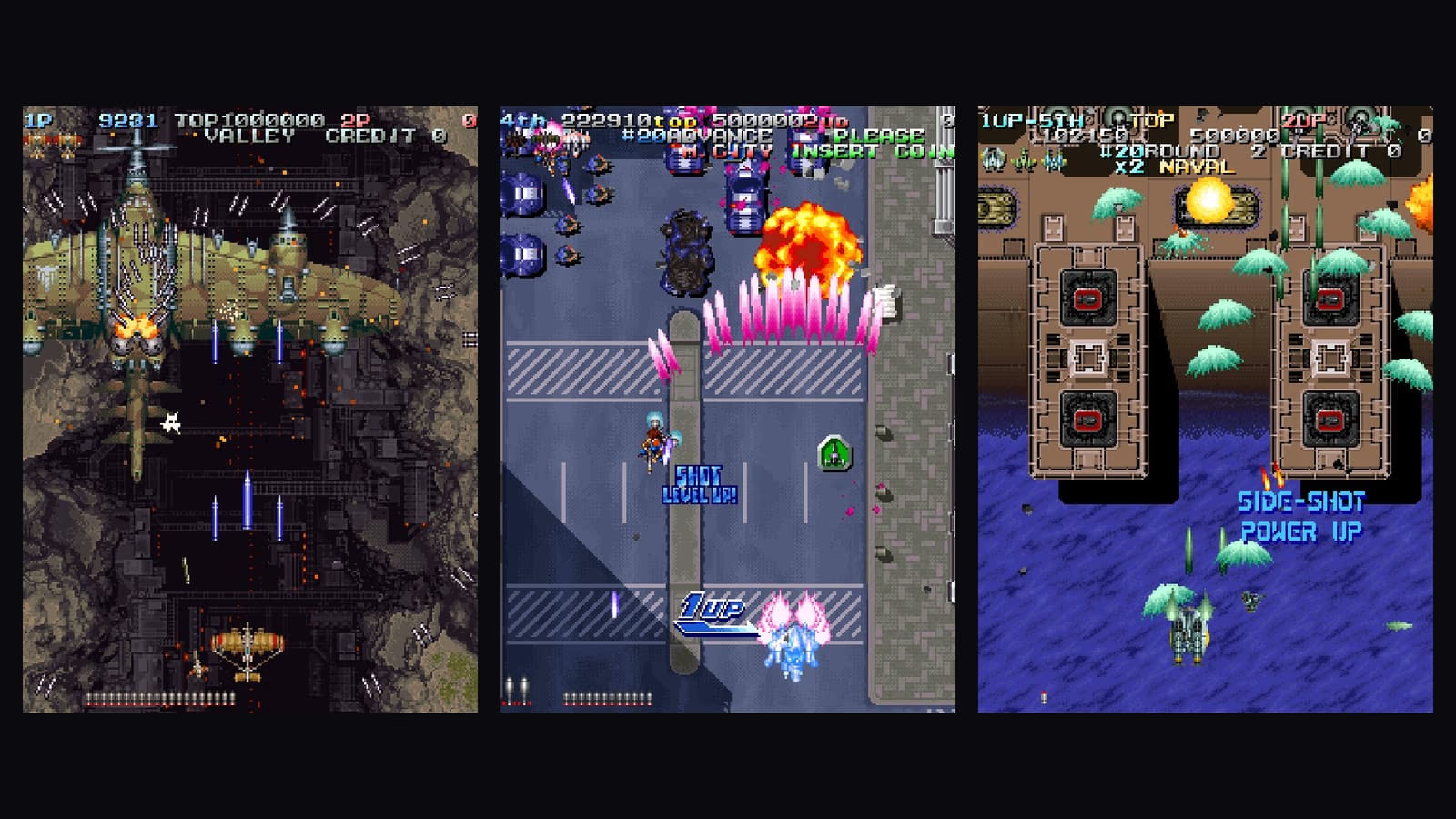
Arcade-RaizingMD Core Brings Battle Garegga and Batrider to MiSTer-devel
A rewritten open source core for Raizing's five Toaplan-based shooters, from Sorcer Striker to Battle Bakraid, was published to the MiSTer-devel organisation on 15 November. Its author says the old code was replaced and retuned against measurements from real boards.
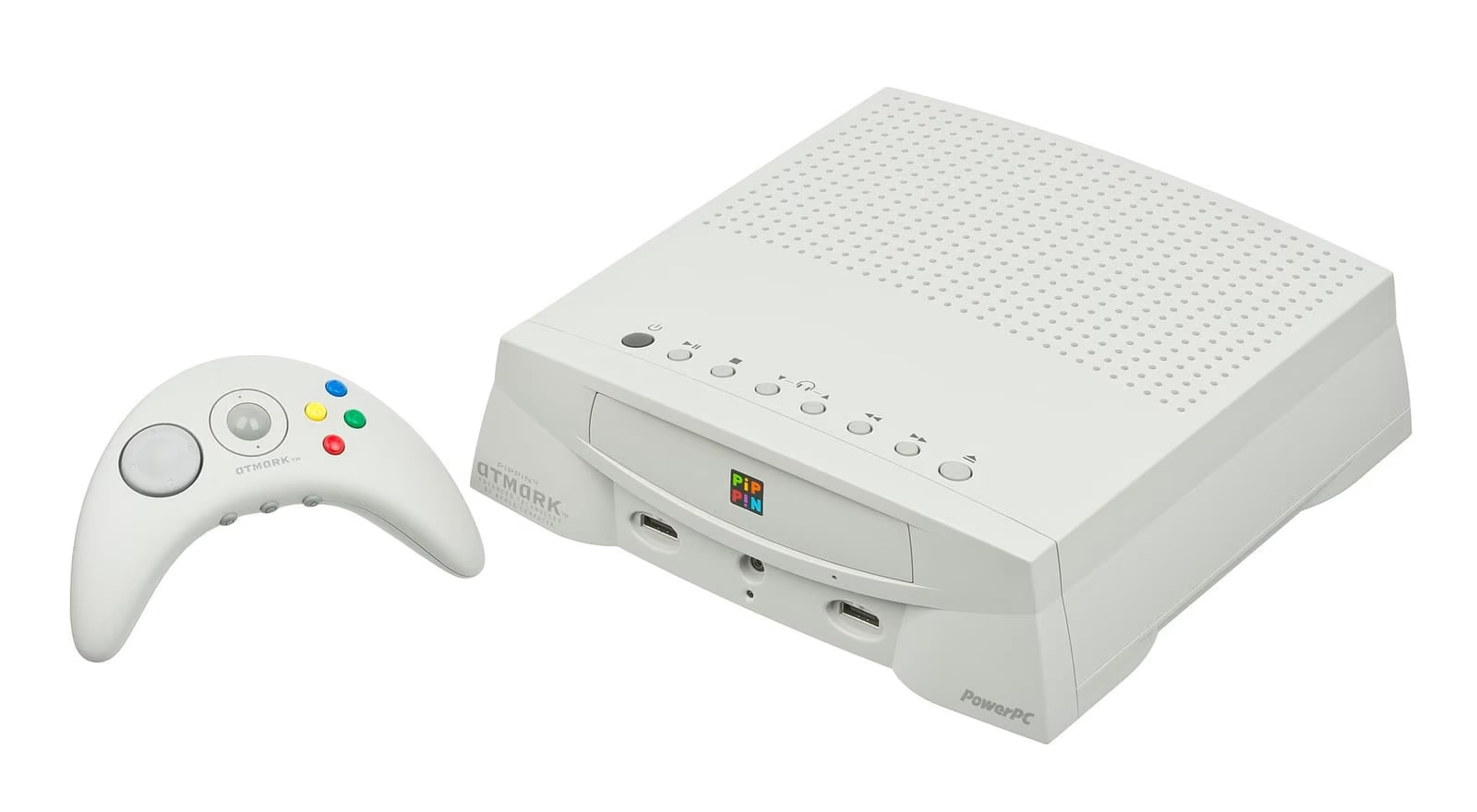
Bandai Pippin Gets a MiSTer Core
Dani Sarfati's BandaiPippin core, published to MiSTer-devel on 14 November, recreates Apple and Bandai's 1996 console down to its PowerPC 603. It boots the Pippin ROMs and four discs to their menus; playing titles through is not yet tested.
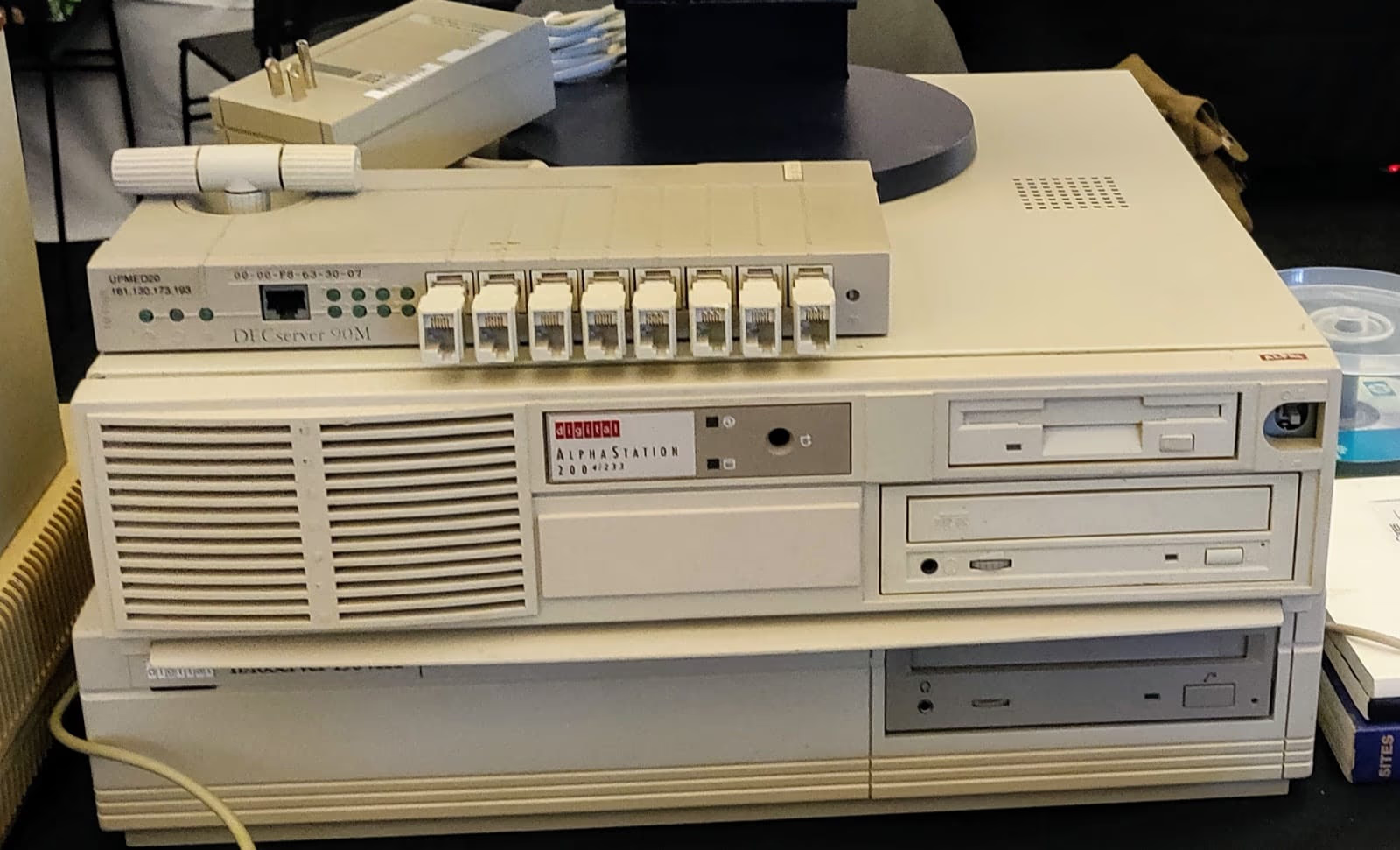
MiSTer Gets a DEC AlphaStation 200 Core That Runs OpenVMS, Tru64 and Windows NT
Dani Sarfati's DECAlphaStation200 core puts DEC's 1995 Alpha workstation on the MiSTer with its own SRM and ARC firmware, and boots OpenVMS, Tru64 UNIX, NetBSD, FreeBSD, Windows NT 4.0 and a Windows 2000 release candidate.