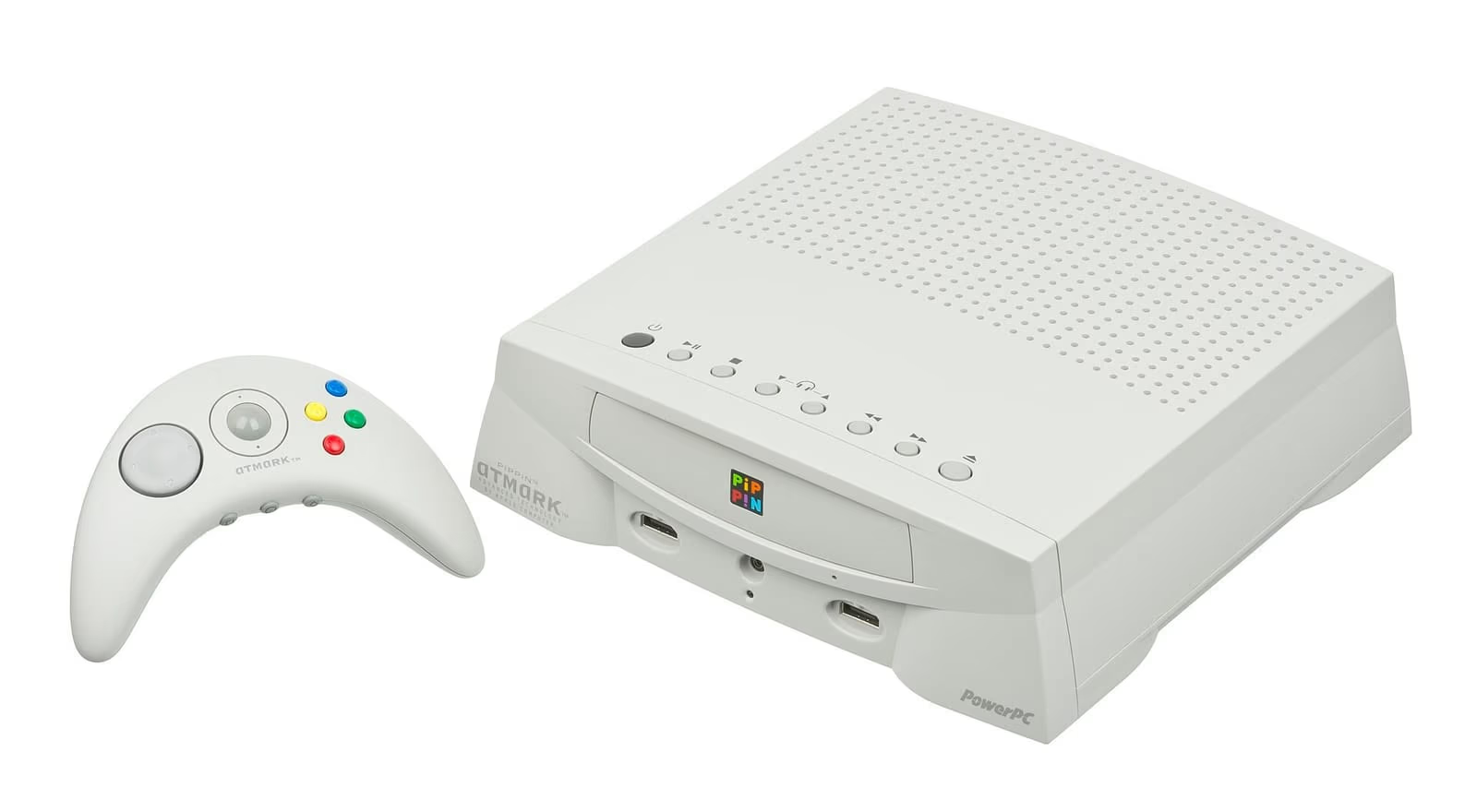
Image: Bandai Pippin Atmark with its AppleJack controller, photo: Evan-Amos, public domain, Wikimedia Commons
Bandai Pippin Gets a MiSTer Core
The Bandai Pippin, the Macintosh-based console Apple designed and Bandai sold in 1996, has a MiSTer core. Dani Sarfati published BandaiPippin to the MiSTer-devel organisation on GitHub on 14 November. Its README describes a recreation of the whole machine, from the PowerPC 603 processor to the CD-ROM drive and the modem port, that is "enough to boot the Pippin ROMs and play titles from CD images". The same README is careful about how far testing has gone: four discs boot to their menus or to the Mac OS Finder, and "playing through is not yet tested".
What the core does
The README's status table is dated 23 October, and the releases folder holds two builds, dated 22 and 24 October. The core models the PowerPC 603 at 66.67 MHz, which the README calls "the Pippin's own clock", along with the console's Apple chips: Grand Central (which handles the VIA, the Cuda microcontroller, MESH SCSI, SWIM3, serial and DMA), Taos video, AWACS sound, the save flash and the CD-ROM drive.
Four titles are listed as booting: Super Marathon, Racing Days, Power Rangers Zeo and Macintosh on Pippin. The compatibility notes record what each reached on 22 October. Super Marathon gets to its "Choose one: Marathon / Marathon 2" launcher after about 55 seconds, Racing Days to its car select screen with the car rotating, Power Rangers Zeo vs. The Machine Empire to its main menu, and Macintosh on Pippin to the Finder desktop, where the mouse and keyboard work. The notes add: "Not yet tried past the first screen".
The rest of the table:
- ROMs: Kinka 1.0, 1.2, 1.3 and the GM flash all boot, and Kinka 1.3 is recommended.
- Memory: 5 MB, which the README identifies as the retail Pippin, or 13 MB and 21 MB to match the console's 8 MB and 16 MB memory cards. The larger sizes need a 64 MB SDRAM module or bigger.
- Sound: AWACS and CD audio over HDMI. The boot chime plays, and so does the CD music in Racing Days.
- Controllers: an AppleJack pad mapped from a MiSTer gamepad, a second from a second gamepad, and the keyboard and mouse as ADB devices. MouseStick II, Firebird, GamePad and SideWinder are the other controller options.
- Video: NTSC, VGA or PAL output, matching the console's switch, with a progressive mode that shows every line each frame to avoid interlace flicker.
- Discs:
.chdor.cue/.binimages, with eject, insert and disc changes from the menu. Ejecting restarts the Pippin to its insert-disc animation, as the console's eject button does.

Saves, discs and dial-up
Pippin titles save to a 128 KB volume called Flash! in the console's flash memory. The README explains that Mac OS keeps that volume in video memory and, on real hardware, writes it to the flash chip only at Shut Down or Restart. The core's default setting, Saves to SD: Immediately, writes every change straight through and updates the save image on the SD card a second later, "so a save survives switching off the MiSTer, changing discs or loading another core". An At Shut Down option gives the console's original behaviour. The README adds a caution that saving has not been checked title by title.
The modem port works too, in its way. The Pippin's serial modem port is wired to the MiSTer's UART, and the repository includes a Python script, fakemodem.py, that runs on the MiSTer, answers the dialer's AT commands like a modem and then starts a PPP link. With that running, pressing Connect in the @WORLD Dialer on the Macintosh on Pippin disc puts the Pippin on the local network. The README notes two catches: the software still has the @WORLD service's DNS servers, so pages have to be opened by IP address unless a DNS server is set in the MacTCP control panel, and Netscape needs more than 5 MB of memory.
A SCSI hard disk image can be attached, although the Pippin boots only from CD, so the disk is for data. MIDI can go to an MT32-pi through the modem port.
What you need, and the limits
A boot ROM has to be supplied as games/Pippin/boot.rom, and the README says ROMs are "Not included except where noted in releases/". The CD drive depends on Main_MiSTer, the MiSTer's control program. The README says the stock Main lacks the Pippin's CD support and points to a pippin-cdrom branch of Sarfati's own fork "until it is merged upstream", adding: "Without it there is no CD drive." A pull request titled "Bandai Pippin Main Support", which Sarfati described as "mostly CD-ROM and CD Audio related", was merged into Main_MiSTer on 26 October, three days after the README's status date. The README has not been updated to say whether a current Main is now enough.
The known limits are spelled out. The processor runs at the console's speed, but its slowest internal paths miss the timing analyser's worst-case figure by about 0.8 nanoseconds. The README says the margin usually exists on a board at room temperature, and offers a fallback: "if the core misbehaves when warm", a 58.3 MHz build meets timing with room to spare. The video clocks use standard rates instead of modelling the console's Athens clock chips, a second press of Eject during the insert-disc animation is not seen by the ROM yet, and one PowerPC 603 exception is not modelled because "no title needs it so far".
As of 15 November the core was not in the _Console folder of Distribution_MiSTer, which Update All installs from, so it has to be copied to the SD card by hand.
The console
Wikipedia's article on the Pippin describes it as an open multimedia platform designed by Apple and based on the Macintosh, including the classic Mac OS architecture. Apple never meant to sell it itself. The plan was to license the design, and Bandai, which had approached Apple in early 1994 wanting a cut-down Macintosh for CD-ROM games, licensed it. The design moved to a PowerPC 603 so that it could include a GeoPort modem connection. Bandai's Pippin Atmark went on sale in Japan in 1996 at 64,800 yen, with a dial-up modem and four CD-ROMs in the box, and the black Pippin @WORLD followed in the United States at $599.
It did not sell. Wikipedia's figures are 42,000 units worldwide, 30,000 of them in Japan, against a prediction from Bandai's president of 200,000 in Japan in the first twelve months. The article says the price "was considered too expensive" and that there was little software from anyone but Bandai. When Steve Jobs returned to Apple in 1997 he stopped the Macintosh clone programme, which ended Pippin development.
How it compares
In software, MAME has a Pippin driver by R. Belmont, based on an earlier skeleton by Angelo Salese, whose header thanks the DingusPPC team and lists the same Apple chips the MiSTer core models: Taos, Grand Central, Cuda, MESH and the two Athens clock generators, plus the 1 Mbit flash chip used for game saves. DingusPPC, a PowerPC Macintosh emulator, says in its README that "Several machines have been implemented to varying degrees, like many Old World PowerPC Macs, early New World PowerPC Macs, and the Pippin."
The core is the latest in a run from the same author. Sarfati's IBM RS/6000 43P 7248 core reached MiSTer-devel on 3 November, and a DEC AlphaStation 200 core arrived the same day as this one. The Pippin's development repository on Sarfati's own account began on 16 October with research notes and ROM disassembly tools; two days later it imported a PowerPC 604 model from the author's Macintosh PowerPC 7300 core as a starting point. Of its 262 commits, 261 carry a co-author line crediting Claude, Anthropic's AI model.
What is not known yet
How well games actually play is the open question, and the README says so: "Not yet: playing titles through, the compatibility sweep." Only four discs are listed. The published builds are three weeks older than the repository's arrival on MiSTer-devel, and the README mentions GitHub releases named by date that have not been created yet. Whether a stock Main_MiSTer now provides the CD drive is not stated either.
New to MiSTer? Which MiSTer to buy and how to set it up covers the hardware, Update All and installing cores.
Sources
- MiSTer-devel on GitHub: Bandai Pippin for MiSTer
- MiSTer-devel on GitHub: BandaiPippin_MiSTer compatibility notes
- MiSTer-devel on GitHub: BandaiPippin_MiSTer commits
- MiSTer-devel on GitHub: Bandai Pippin Main Support (pull request 1389)
- danifunker on GitHub: ApplePippin_MiSTer commits
- MiSTer-devel on GitHub: Distribution_MiSTer, _Console folder
- MAME on GitHub: MAME Pippin driver (pippin.cpp)
- dingusdev on GitHub: DingusPPC
- Wikipedia: Apple Pippin
More News
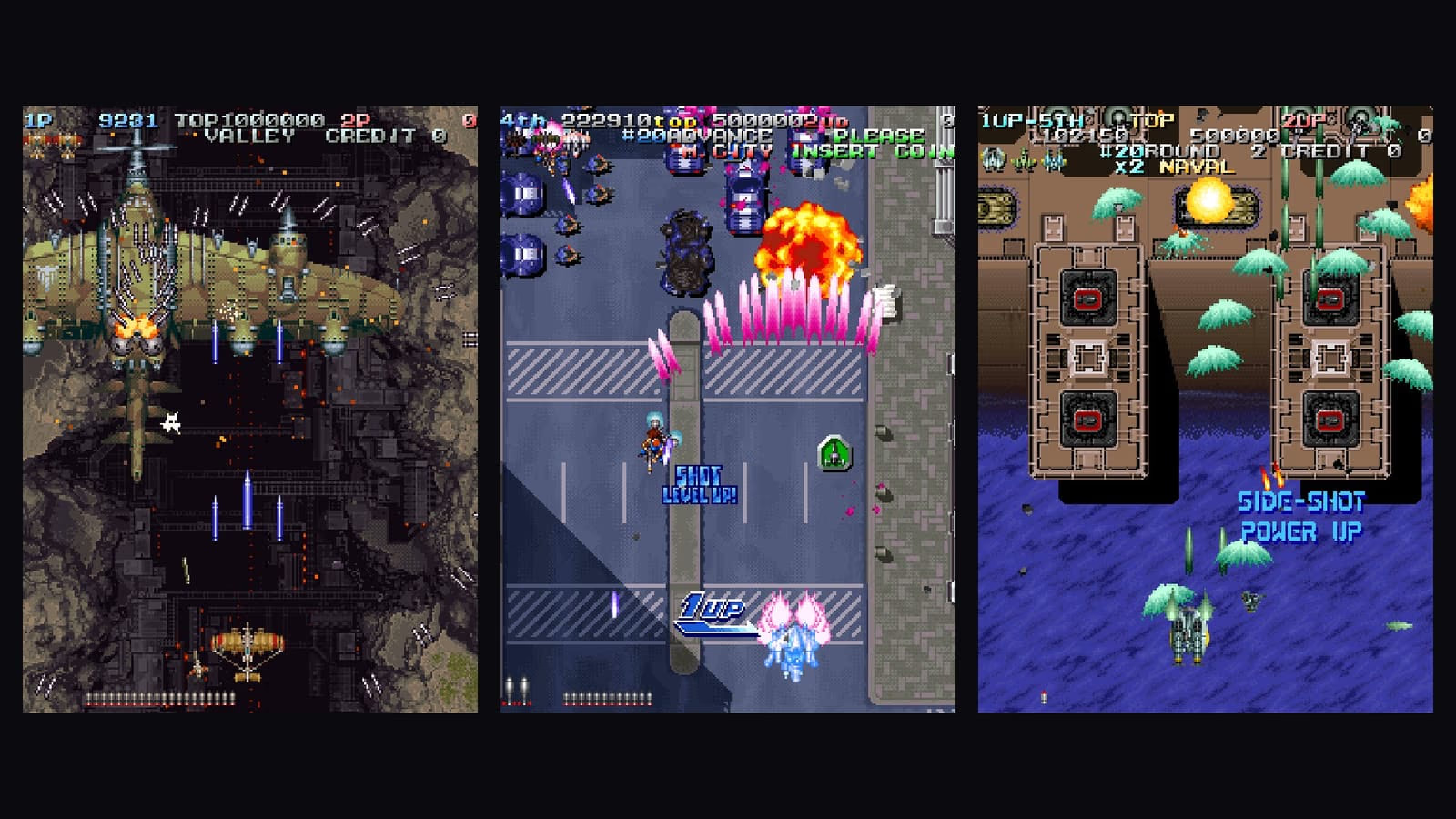
Arcade-RaizingMD Core Brings Battle Garegga and Batrider to MiSTer-devel
A rewritten open source core for Raizing's five Toaplan-based shooters, from Sorcer Striker to Battle Bakraid, was published to the MiSTer-devel organisation on 15 November. Its author says the old code was replaced and retuned against measurements from real boards.
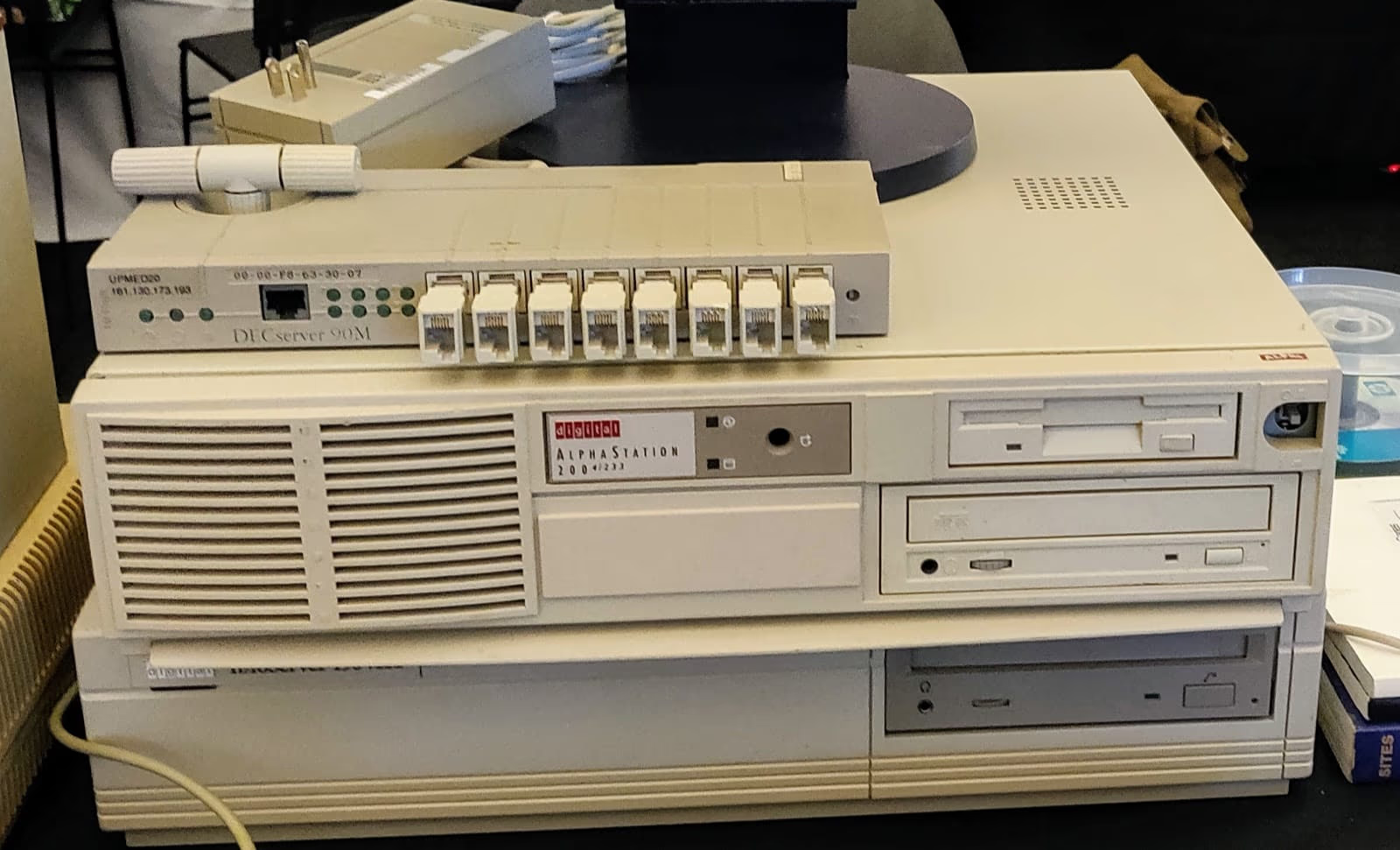
MiSTer Gets a DEC AlphaStation 200 Core That Runs OpenVMS, Tru64 and Windows NT
Dani Sarfati's DECAlphaStation200 core puts DEC's 1995 Alpha workstation on the MiSTer with its own SRM and ARC firmware, and boots OpenVMS, Tru64 UNIX, NetBSD, FreeBSD, Windows NT 4.0 and a Windows 2000 release candidate.
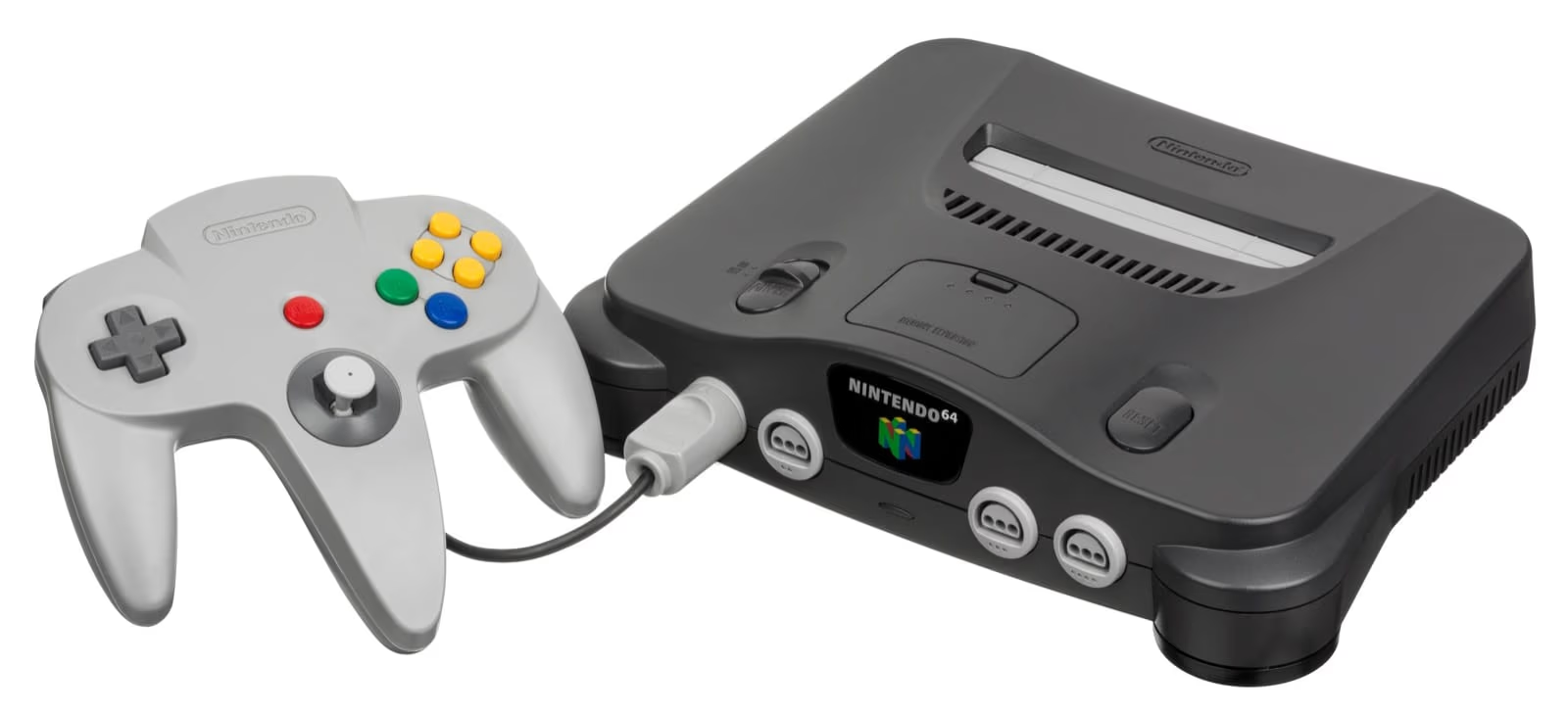
Gopher64 1.2.0 Turns On Rollback Netplay for N64 Games
Version 1.2.0 of the gopher64 Nintendo 64 emulator, released on 12 November, switches its peer-to-peer netplay from input delay to rollback, lets each player set their own delay, and adds support for three homebrew emulators that run on N64 hardware.