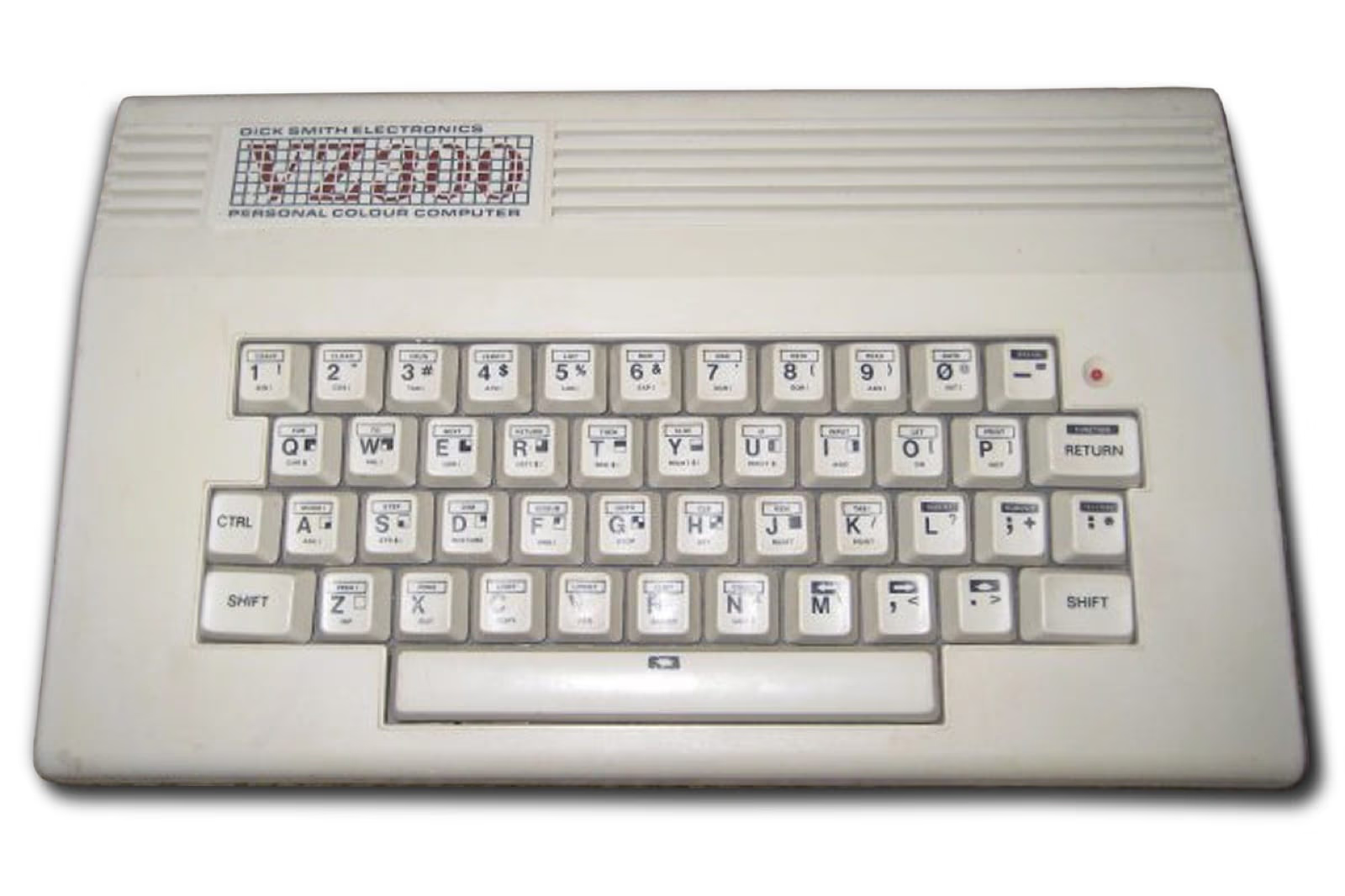
Image: Dick Smith VZ300, a rebadged Laser 310, photo: Bushy555, CC BY-SA 4.0, Wikimedia Commons
VTech Laser 310 MiSTer Core Gets Tapes, VZ DOS Disks and a Boot Fix
MiSTer's core for the VTech Laser 310, the Z80 home computer sold in Australia and New Zealand as the Dick Smith VZ300, can now load cassettes and run VZ DOS from floppy disk images. Release 20261118, by Alan Steremberg, was merged into the MiSTer-devel repository shortly after midnight UTC on 19 November, and Laser310_20261118.rbf reached the _Computer folder of the core distribution that Update All installs a few hours later. The same release fixes a bug that, according to its commit notes, meant the previous release never booted on a MiSTer at all.
What release 20261118 adds
The pull request calls it the "First real RTL update since 2022", RTL being the hardware description the FPGA is built from. Until now, the core's menu had one way to get software in: Load VZ Image, for VZ snapshot files. It also had switches for turbo, the DOS ROM and the SHRG graphics mod, but no tape or disk slots.
The new build adds both. The Tape slot takes .wav files (8-bit or 16-bit PCM or 32-bit float, mono or stereo, any sample rate) and .cas files, which the README describes as the raw tape byte stream in the same form as MAME's vt_cas format. Tapes stream from the SD card, so length is not limited. The user types CLOAD or CRUN and presses Return, as on the real machine. Because the VZ had no cassette motor control, the core starts the virtual deck itself when the BASIC ROM begins reading and stops it when the ROM finishes.
Loading is three times faster by default: the Tape speed setting runs the CPU and the tape at 3x only while the ROM is reading, then drops back to normal speed for the program itself. An on-screen overlay shows a progress bar and elapsed time while a tape plays, and tells the user what to type when it stops (TYPE CRUN at the start of a tape, TYPE RUN after a BASIC program has loaded). CSAVE, saving back to tape, is listed as not supported yet.

One setting deals with a problem specific to old VZ recordings. The README says the ROM's bit timing is narrow and that real recordings "run a few percent fast or slow". Tape pitch set to Auto measures each tape's speed from its leader tone when it is mounted and plays it back at the rate the ROM reads best. On a 60-tape sample, according to the README, Normal loaded 41 tapes, a fixed +6 percent loaded 52 but broke some fast recordings, and Auto loaded 52, plus one more with Tape polarity set to Inverted.
VZ DOS and two floppy drives
The second big addition is the disk interface. With Disk drives (DOS) on, which is now the default, the core emulates the DD20 / DI-40 interface with VZ DOS 1.2 and two drives, mounted as .dsk images in the Disk 1 and Disk 2 menu slots. The machine starts at a DOS BASIC V1.2 prompt; DIR lists a disk, RUN"NAME" starts a BASIC program and BRUN"NAME" starts machine code. The README now carries a full command reference, which the commit notes say was checked against the VZ300 DOS manual and a disassembly of the ROM, including INIT (which formats a disk "without asking"), DCOPY and the data file commands.
The controller is modelled at the level of the magnetic flux rather than as finished sectors. According to the README, the drive delivers a bit every 115 CPU cycles and VZ DOS reads it by polling, as on the real board and in MAME, so copy programs and custom loaders see the same signals the hardware gave them. The core reads every .dsk variant in circulation (the README lists 98,560, 99,184 and 99,185 bytes and odd sizes between) by searching for each sector's markers, and writes changed sectors back to the image in place, so the file stays readable by other emulators. It also patches two wait loops in VZ DOS that, in the README's words, "only worked on the real machine by luck of timing", the same two-byte patch MAME applies.
The boot fix, and timing
The commit that fixes booting is blunt: "On a MiSTer the core (and the 20250907 release) never booted." The cause, as described there, was in the T80pa Z80 CPU: one internal signal had no reset and powered up in a state that made the first instruction fetch look like an I/O read, so the CPU ran into an unset interrupt hook. The fix resets that signal and moves the CPU onto the core's main clock. The commit notes that BASIC and DOS boot, the keyboard works and a game called INVADERS runs from disk on a DE10-Nano. A follow-up commit made machine-code .vz snapshots start by themselves, which on the board had loaded but never run.
Timing now follows the region. A Video standard setting gives PAL at 50Hz, the default, with the 312-line field of the VZ300 and Laser 310, or NTSC at 60Hz for the Laser 200 and NTSC VZ200. The README says most VZ software was written for PAL and that games timed by the frame interrupt only run at the intended speed with the right standard. The CPU runs at 3.5795MHz in both; the README notes that a real VZ300 runs 0.9 percent slower, at 3.5469MHz. The vertical blank now drives both the Z80 interrupt and a keyboard port bit, as on the original, so games that wait for it, such as Tennis, 3D-Maze and Benny, work. The Original aspect ratio is 8:7 rather than 4:3, because the Motorola 6847 video chip sends 256 by 192 pixels at a pixel clock narrower than square. The menu has also been rebuilt with Machine, Video, Input, Audio and Advanced pages, an Apply and reset entry, and a PC keyboard layout as an alternative to the VZ's positional one. Settings saved by older builds are dropped once.
Who built it, and how
Steremberg made the MiSTer port in July 2020, from an FPGA recreation for Terasic DE1 and DE2 boards by the developer zzemu-cn. That project already had a floppy emulator, cassette input and output, VZ200 support and a super high resolution mode. RedskullDC added fixes and display updates to the MiSTer version in September 2020. Steremberg's other recent work covered here includes the Acorn Atom tape deck and the NEC PC-6001 core.
The commits in this release carry a co-author line for Claude Opus 5.5, Anthropic's AI model, and the pull request's description says it was generated with Claude Code. Testing was done both in a headless Verilator simulation, described in the commit notes as a full regression of 26 tests, and on a DE10-Nano.
The machine
VTech, then Video Technology, launched the Laser 200 and 210 in 1983 as low-cost entry machines, with a Z80A, the same 6847 video chip as the TRS-80 Color Computer and a 256 by 192 picture. They were rebadged for many markets: the VZ200 at Dick Smith Electronics in Australia and New Zealand, the Texet TX8000 in the UK, the Salora Fellow in Scandinavia. Wikipedia dates the Laser 310 and its Dick Smith twin, the VZ300, to 1985 in Australia and New Zealand, where it was still advertised at $99 in 1987; MAME lists the Laser 310 as 1984. Disk drives came out in Germany in 1984 and worldwide in 1985, with up to two drives on one controller and the DOS in a plug-in ROM. Wikipedia notes the VZ200 was popular in Australia as a first computer, and that Dick Smith bought software from local programmers and sold it on cassette for $12.
Other ways to run it, and what is missing
MAME's vtech1 driver covers the whole family, from the Laser 110 to the VZ300, and includes an unofficial Laser 310 with SHRG. Its own to-do list still includes light pen support and a rewrite of the floppy emulation. zzemu-cn's original project remains on GitHub for DE1 and DE2 owners; it was last updated in October 2020.
The core's limits are stated in its README. CSAVE to tape is not supported. Tapes are not remembered between core starts, and every mount starts rewound. The CRUN hint is described as "a guess the tape doesn't state", although it worked for every tape in the test set with a readable header. There is no compatibility list beyond the games and tapes named in the documentation and commits.
New to MiSTer? Which MiSTer to buy and how to set it up covers the hardware, Update All and installing cores.
Sources
- MiSTer-devel on GitHub: Laser310_MiSTer README
- MiSTer-devel on GitHub: Tape, floppy disks, video/sound fixes, house OSD; release 20261118 (pull request 6)
- MiSTer-devel on GitHub: FPGA: fix boot on hardware (T80pa first fetch), CPU on the PLL clock
- MiSTer-devel on GitHub: Laser310_MiSTer commits
- MiSTer-devel on GitHub: Laser310_MiSTer menu before the update (Laser310.sv)
- MiSTer-devel on GitHub: Distribution_MiSTer, _Computer folder
- zzemu-cn on GitHub: LASER310_FPGA_DD20
- Wikipedia: VTech Laser 200
- MAME on GitHub: MAME Video Technology driver (vtech1.cpp)
More News
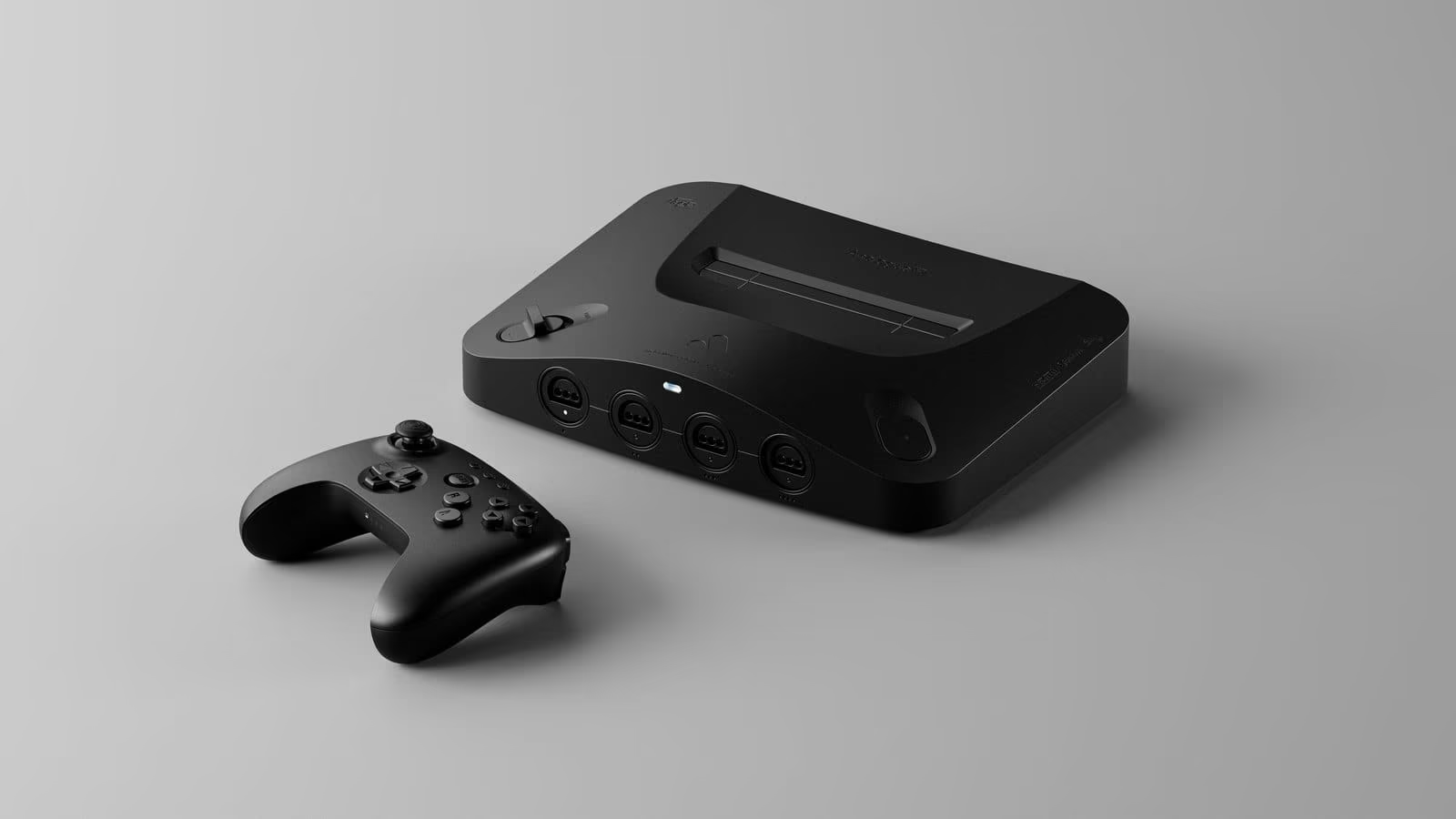
Analogue 3D Firmware 1.6.0 Adds Wi-Fi and Automatic Updates
3Dos 1.6.0, released on 18 November, switches on the Analogue 3D's dual-band Wi-Fi a year after launch, bringing over-the-air updates, network time and opt-in usage analytics.
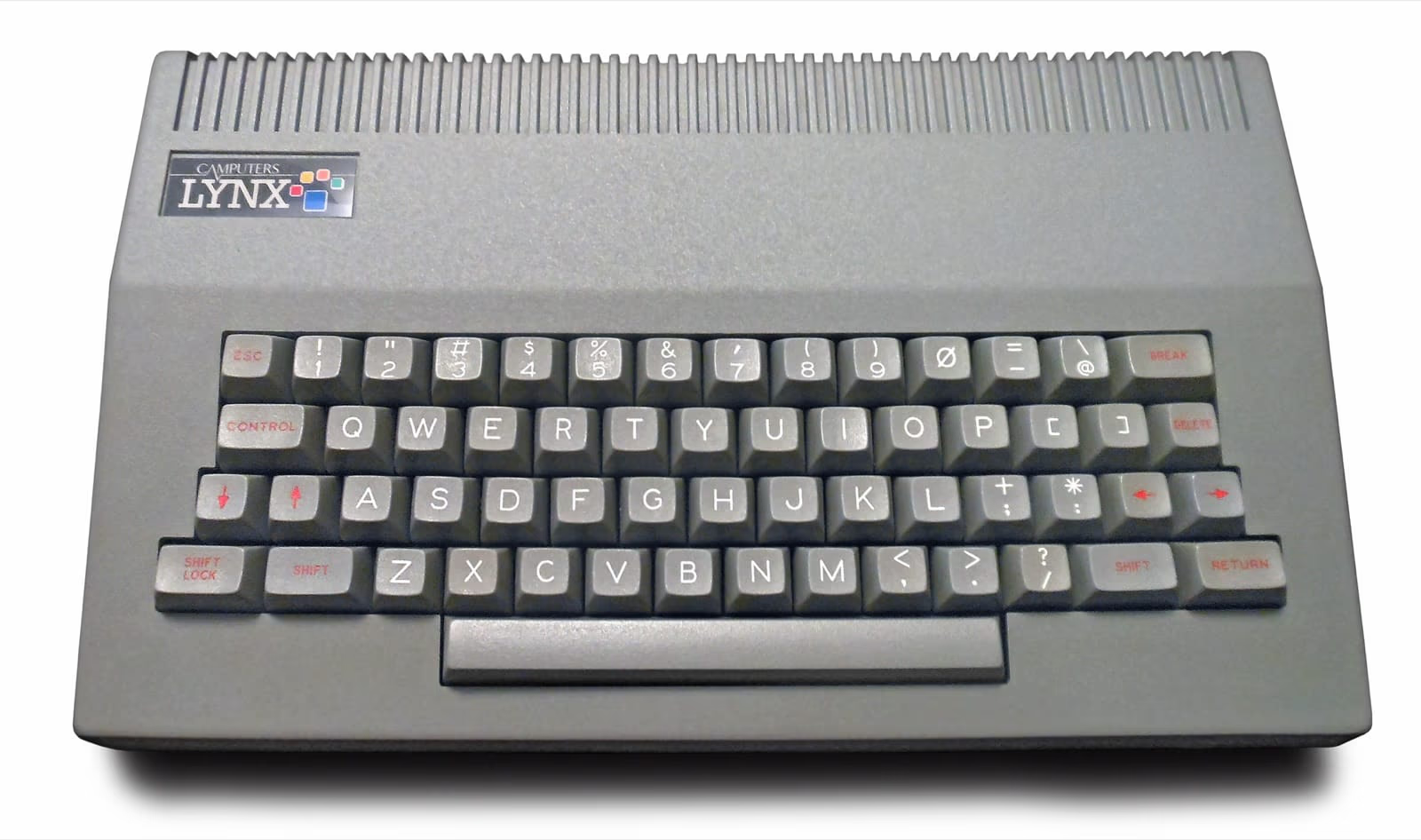
Camputers Lynx MiSTer Core Rebuilt With Disks, TZX Tapes and the 128K
Release 20261118 of MiSTer's Camputers Lynx core moves it onto Kyp's FPGA Lynx machines, covering the 48K, 96K, 96K Scorpion and 128K, and adds the LynxDOS disk interface, TZX and WAV tapes, a 4x tape turbo and on-screen loading hints.
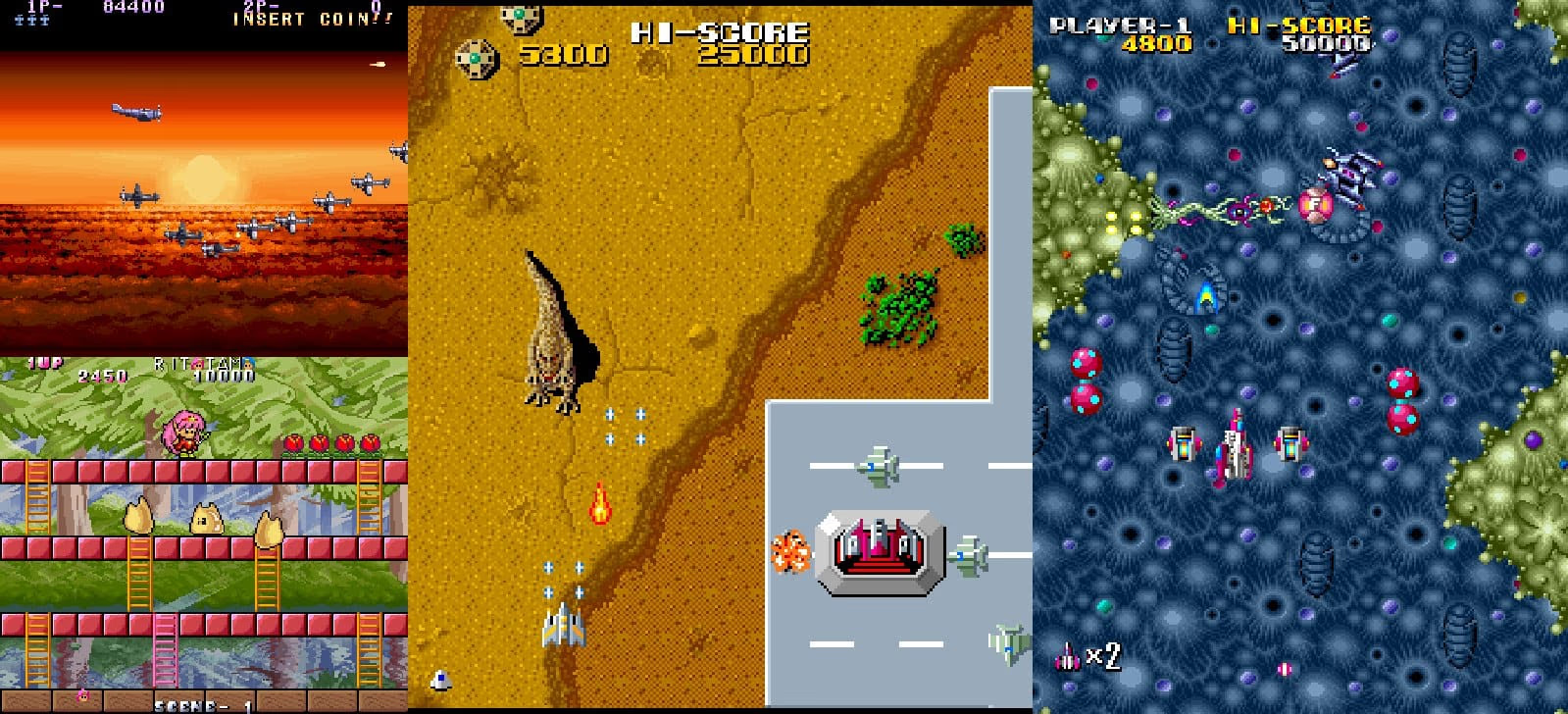
Jaleco Mega System 1 and Nichibutsu Cores Join MiSTer-devel
Erin Olafson's Mega System 1 core, with P-47, Rod-Land, Saint Dragon and The Astyanax, reached the official MiSTer distribution on 17 November alongside the Terra Cresta and Armed F cores, all three now with save states and high score saving.