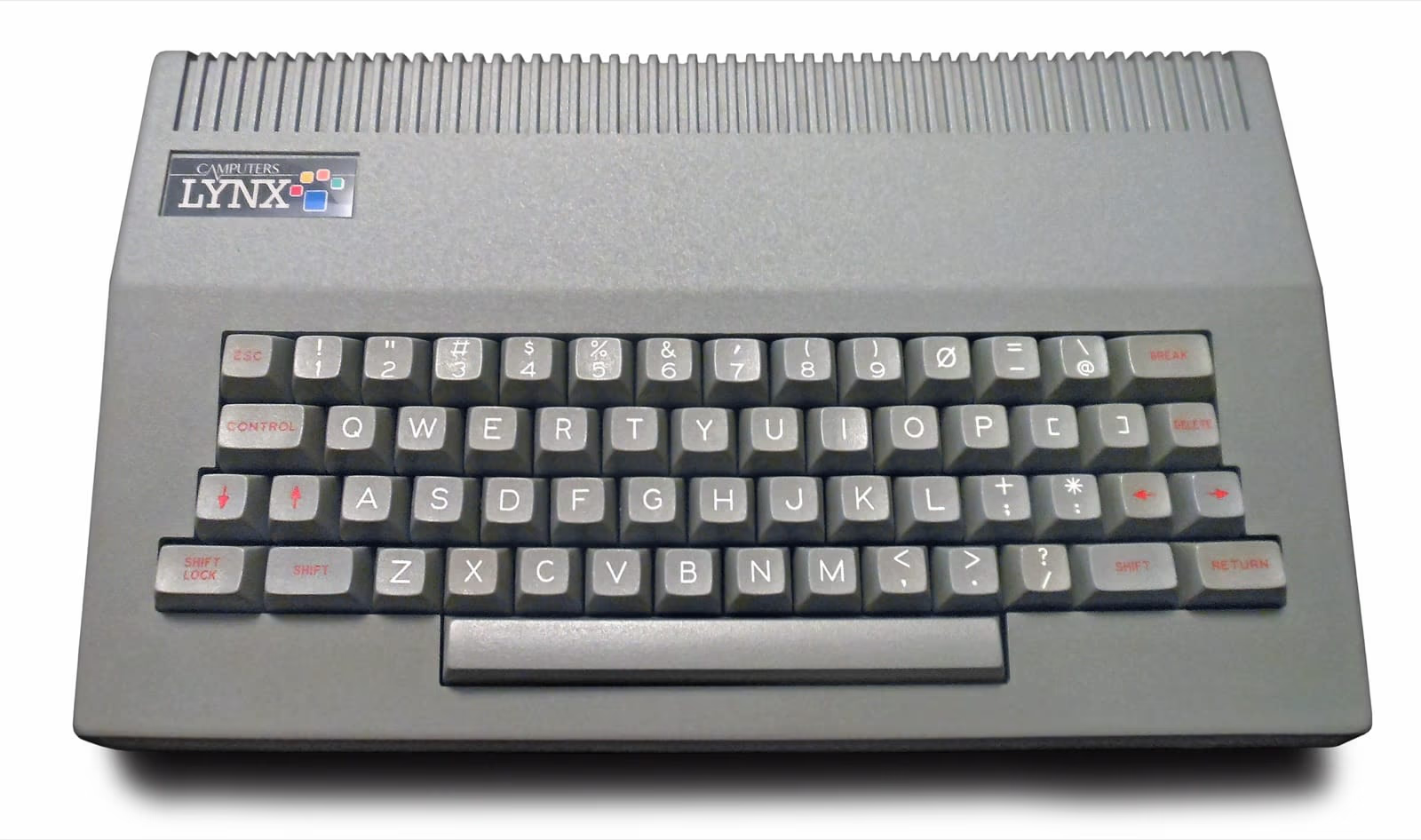
Image: Camputers Lynx 48K, photo: Retro-activity, edited by Ubcule, CC BY-SA 3.0, Wikimedia Commons
Camputers Lynx MiSTer Core Rebuilt With Disks, TZX Tapes and the 128K
MiSTer's Camputers Lynx core has been rebuilt. Release 20261118, published by Alan Steremberg on 18 November, replaces the core's machines with Kyp's FPGA Lynx designs, covering the 48K, 96K, 96K Scorpion and 128K models, and adds the Lynx's floppy disk system, three tape formats, a 4x loading turbo and on-screen hints that tell the user what to type. Lynx48_20261118.rbf was in the _Computer folder of the core distribution that Update All installs by the early hours of 19 November UTC.
What changed
Until this release, the core's menu had a single Load Cassette entry for .TAP files, a machine selector, a BASIC autostart switch and a joystick swap. The new menu has three media slots on its top page: Disk for .LDF floppy images, Tape for .TAP, .TZX or .WAV files, and Load ROM. Machine, Video, Input and Audio pages follow, with an Apply and reset entry for the settings that change the hardware. The core runs from the FPGA's block RAM, so, according to the README, no SDRAM module is needed.
The commit that brought the new machines in lists what came with them: the 48K, 96K, 96K Scorpion and 128K on Kyp's RTL, the t80sv Z80, a WD1793 disk controller with LynxDOS, and "genuine MAME ROM set". The ROMs are built into the core, from MAME's lynx48k, lynx96k and lynx128k sets and the LynxDOS ROM. Files named boot.rom and boot1.rom in games/Lynx48/ replace them if present.
Tapes, and why the core shows the name
Loading software on a Lynx has a quirk the new core works around. The Lynx loads by name and has no wildcard, so LOAD "" does not work; the user has to type the name recorded on the tape, which is often not the file name. The README gives two examples: Logichess is saved as ECHECS, and Demo 3 as CODE. The core reads the name from the tape and shows it in the bottom-left corner while the tape is stopped, as TYPE LOAD "SNAKE"↵, followed by TYPE RUN↵ once a BASIC program has loaded. While a tape plays, the corner shows elapsed and total time, the turbo factor and a progress bar. MLOAD loads machine code, and Escape stops a LOAD that is waiting for a name that never comes, as on the real machine.
Each tape format is handled differently. .TAP files, in the format used by the Jynx and PALE emulators and covering most of the software, are rebuilt into a tape signal at whatever speed the Lynx asks for. That matters because, according to the README, the 128K reads tapes twice as fast as the 48K, and the 48K and 96K's TAPE 1 to TAPE 5 commands select speeds from 900 to 2100 baud. .TZX files made from real recordings, and .WAV files at 8 or 16 bits and any sample rate, play back as recorded, so the user types the TAPE speed the file was made at. Real cassettes can also be played into the MiSTer's audio line-in. The Tape speed setting runs the CPU and tape four times faster while the tape motor is on.
Because the tape is played as a signal for the Lynx's own ROM to read, the README says multi-file tapes, Level 9's adventures (whose data files have no names) and programs with custom loaders, such as Mazeman, all load.

Disks, CP/M and a video RAM fix
On the 96K and 128K, a mounted .LDF image works with the Lynx's disk system: XROM starts it, then EXT DIR, EXT LOAD "NAME" and EXT MLOAD "NAME" work on files, and EXT BOOT starts a CP/M disk. The on-screen hint recognises a CP/M boot disk from its first sector and suggests the right command. On a 48K it says DISK: MODEL 96K / 128K, because the 48K had no disk interface.
The release was rebuilt later on 18 November with one hardware fix. The commit, citing chip IC41 on the Lynx schematic, says that on the 48K and 96K "video RAM writes need the bank's /CASEN low". A related menu option, CAS blanking, blanks a colour plane while its enable bit switches it off. It is on by default because Level 9 adventures need it, although the README is careful to add that "whether a real Lynx shows black there isn't confirmed".
Who built it
The README's credits run long, and the core is the work of several projects merged together. Kyp (Kyp069 on GitHub) wrote the FPGA Lynx itself, first for the ZX-Uno and SiDi boards and now as the lynx (48K and 96K) and lynx128 repositories, both created in February 2026. Shaeon, Carlos Palmero, merged Kyp's two machines into a MiSTer core, added the ROM set, the TZX player extensions and the video blanking; that repository was created on 14 November. The first MiSTer port came from rampa069, Yo_Me and the RetroWiki FPGA team, and Fernando Mosquera added the line-in tape input. Jonathan Markland's Jynx emulator supplied the tape waveform the TAP player reproduces.
Steremberg made the first commit to the MiSTer-devel repository in February 2022; JasonA (JasonCoombes-hr on GitHub) added 128K testing and made a release that October. The README credits Steremberg with maintenance and "this version (with Claude)", and the release's commits carry a co-author line for Claude Opus 5.5, Anthropic's AI model. The same day, Steremberg also released a large update to MiSTer's VTech Laser 310 core.
The machine
The Lynx was designed by John Shireff and launched by Camputers in early 1983 as a 48K model, at £225. MAME's driver notes date the 96K to September 1983 and the 128K to December 1983; Wikipedia gives their prices as £299 and £345. All used a Z80A at 4MHz, 6MHz on the 128K, and a Motorola 6845 video controller, and the machine was always in an 8-colour bitmap mode, drawing its own 6 by 10 pixel text. That made text and graphics slow, which Wikipedia says hurt its games, along with the lack of sprites and sound hardware. BYTE magazine said in January 1983 that it "offers more computing power for the money than any other machine I saw there".
About 30,000 were sold. Camputers stopped trading in June 1984, Anston Technology took over that November with a relaunch that never happened, and in June 1986 Anston sold the hardware, design rights and thousands of cassettes to the National Lynx User Group. Wikipedia lists around 60 commercial games, including Melbourne House's The Hobbit, Level 9's Colossal Adventure, Addictive Games' Football Manager and Ultimate's Alien 8.
Other ways to run it, and what is not known
MAME's camplynx driver covers all three models and has worked since 2015, according to its notes. Those notes also explain why the core needs separate 48K and 128K machines: "48k and 96k are basically the same machine. 128k is different. Most software for one won't work properly on the other, due to major hardware differences." Jynx, the software emulator for the 48K and 96K, was last updated on GitHub in 2018.
The open questions are in the README itself. The CAS blanking behaviour is not confirmed against a real Lynx, and there is no compatibility list beyond the programs it names. The release added a headless Verilator simulation and a sweep of a TAP library, but the commit history does not say which titles were run on a MiSTer.
New to MiSTer? Which MiSTer to buy and how to set it up covers the hardware, Update All and installing cores.
Sources
- MiSTer-devel on GitHub: Camputers Lynx for MiSTer (README)
- MiSTer-devel on GitHub: Merge Kyp's lynx / lynx128 machines (via Shaeon's MiSTer merge)
- MiSTer-devel on GitHub: 48K / 96K: video RAM writes need the bank's /CASEN low (schematic IC41)
- MiSTer-devel on GitHub: Lynx48_MiSTer commits
- MiSTer-devel on GitHub: Lynx48_MiSTer menu before the update (Lynx48.sv)
- MiSTer-devel on GitHub: Distribution_MiSTer, _Computer folder
- shaeon on GitHub: Lynx_MiSTer
- Kyp069 on GitHub: lynx128
- Wikipedia: Camputers Lynx
- MAME on GitHub: MAME Camputers Lynx driver (camplynx.cpp)
- jonathan-markland on GitHub: Jynx
More News
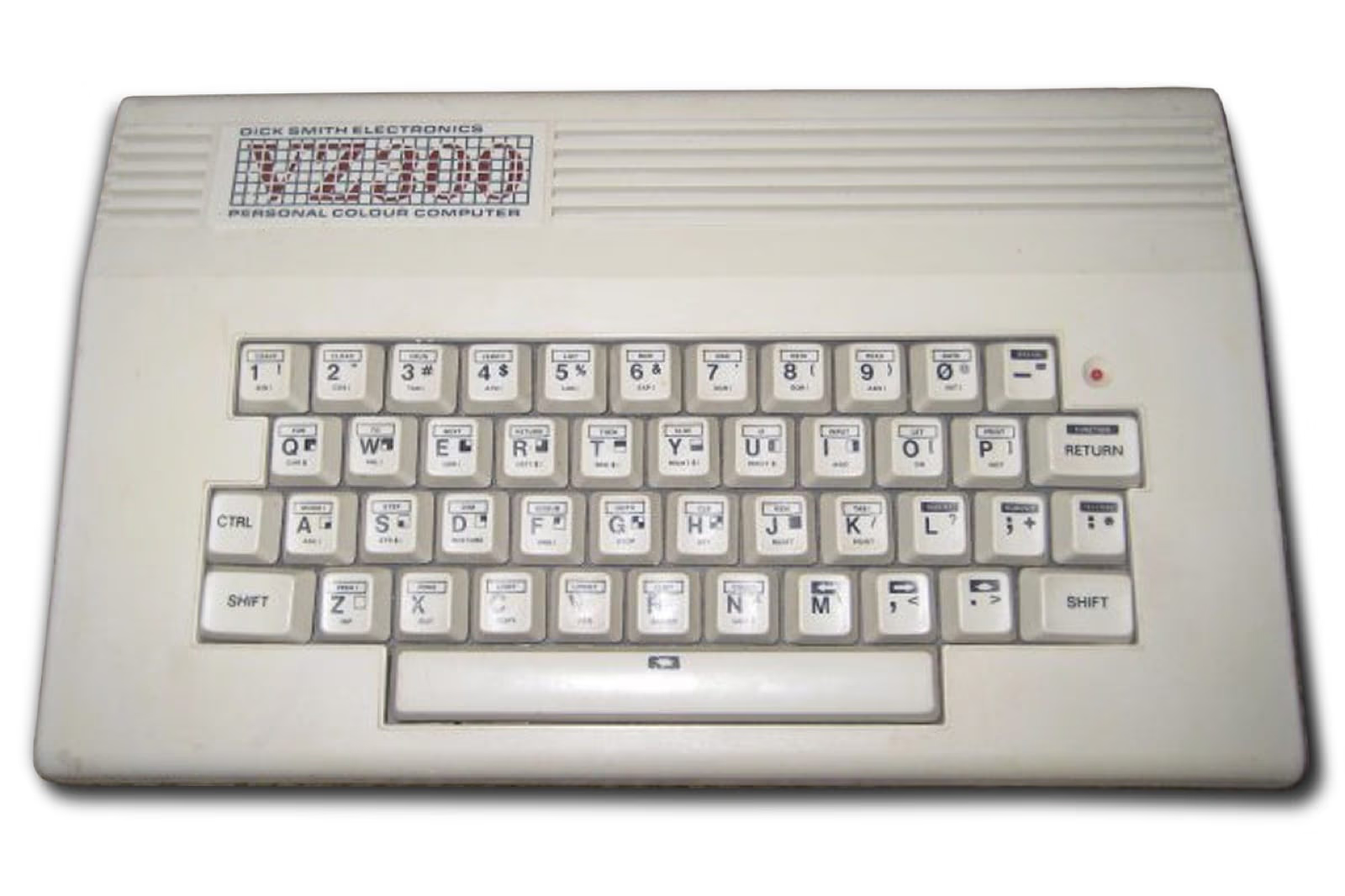
VTech Laser 310 MiSTer Core Gets Tapes, VZ DOS Disks and a Boot Fix
Release 20261118 of MiSTer's VTech Laser 310 core, by Alan Steremberg, adds a tape deck for WAV and CAS files, the VZ DOS floppy interface with two drives, PAL and NTSC timing, and a fix for a bug that kept the previous release from booting on a MiSTer at all.
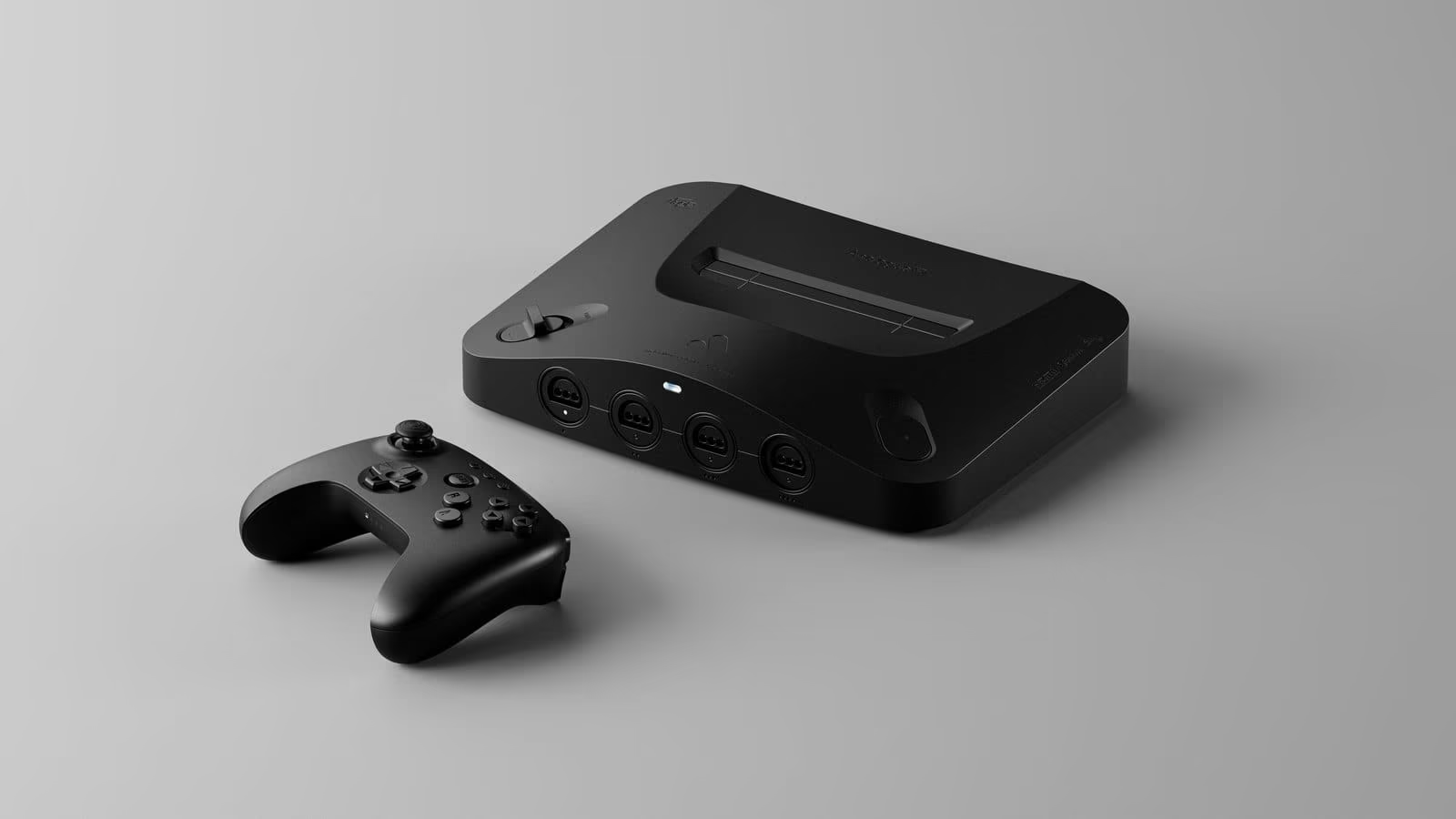
Analogue 3D Firmware 1.6.0 Adds Wi-Fi and Automatic Updates
3Dos 1.6.0, released on 18 November, switches on the Analogue 3D's dual-band Wi-Fi a year after launch, bringing over-the-air updates, network time and opt-in usage analytics.
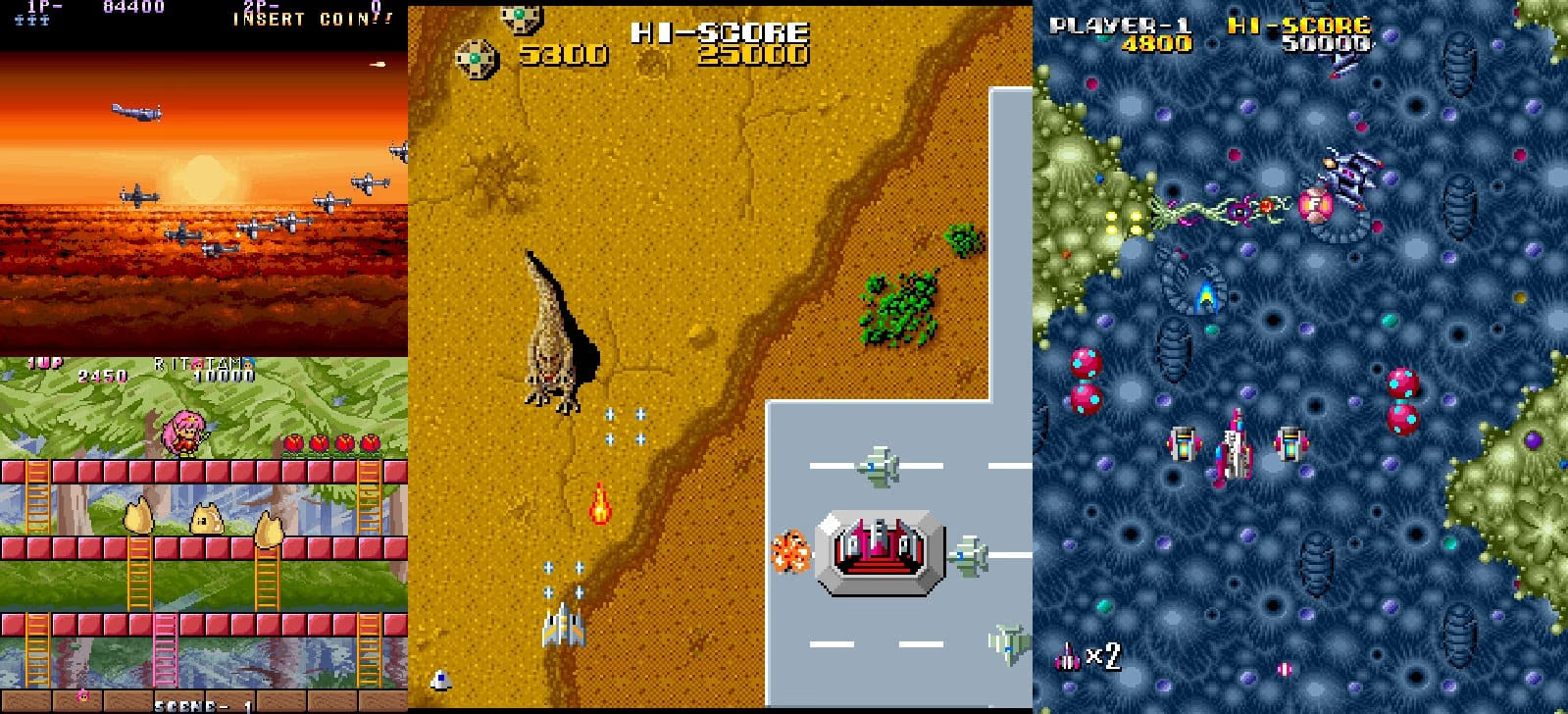
Jaleco Mega System 1 and Nichibutsu Cores Join MiSTer-devel
Erin Olafson's Mega System 1 core, with P-47, Rod-Land, Saint Dragon and The Astyanax, reached the official MiSTer distribution on 17 November alongside the Terra Cresta and Armed F cores, all three now with save states and high score saving.