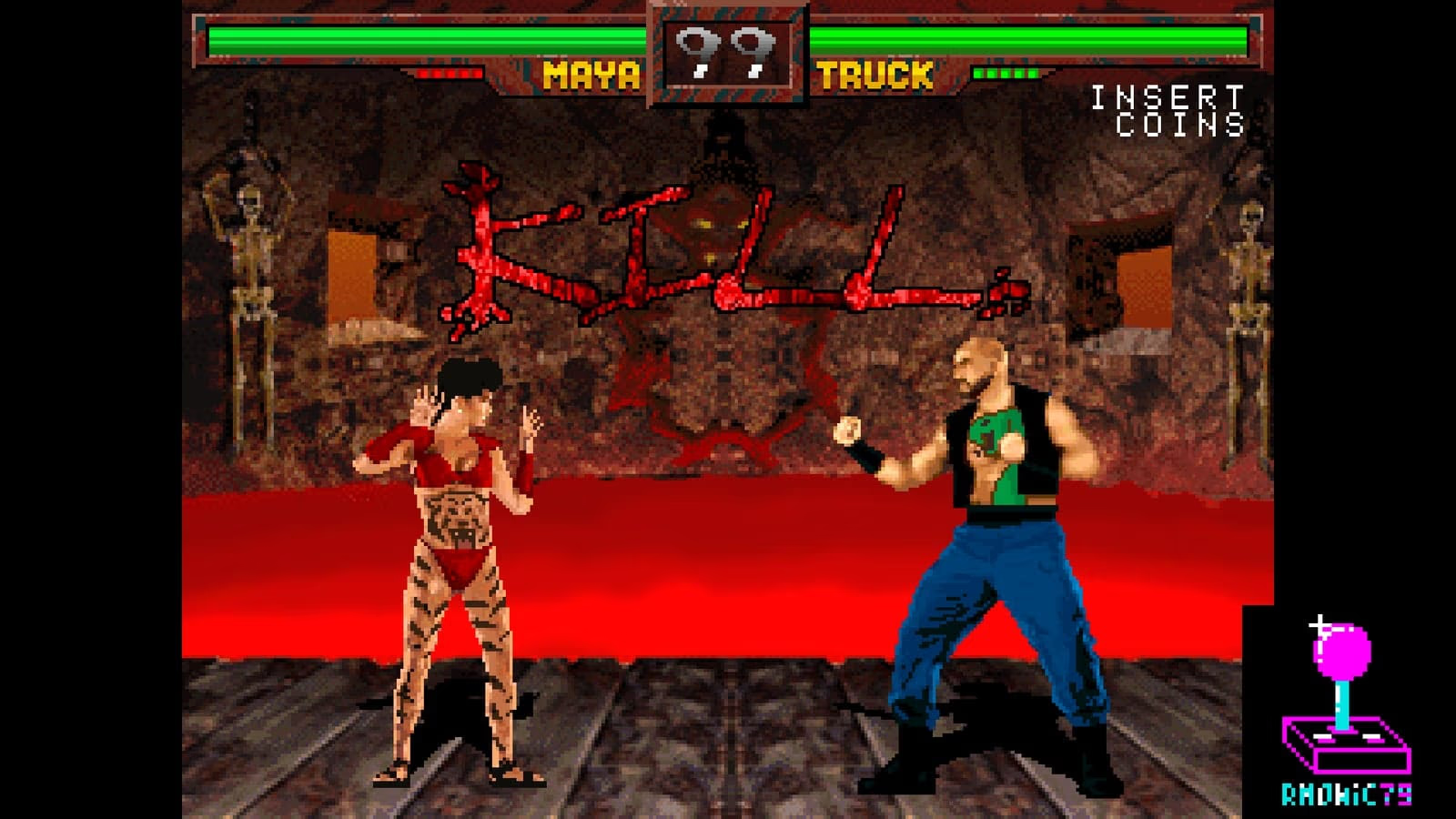
Image: Tattoo Assassins running on the core, screenshot by rmonic79 from the Arcade-TattooAssassins_MiSTer repository
Tattoo Assassins, Data East's Cancelled Fighter, Gets a MiSTer FPGA Core
Tattoo Assassins, the Mortal Kombat rival that Data East's pinball division test-marketed in 1994 and never released, now has a MiSTer FPGA core. Developer rmonic79 published version 1.0 of Arcade-TattooAssassins_MiSTer on 7 November 2026, the repository was forked into the MiSTer-devel organisation on GitHub the same day, and by 8 November the bitstream TattooAssassins_20261107.rbf and its MRA were listed in the official Distribution_MiSTer repository, the file set the MiSTer Downloader pulls from, under its own filter tag, arcade-tattooassassins. The README calls 1.0 "the first public release".
What version 1.0 does
The core is written in SystemVerilog, from MAME references and observation of the board, and the README says the game boots and plays on real MiSTer hardware with video, audio and inputs. Savestates are enabled with 16 slots. The game's settings live in an emulated 93C46 serial EEPROM, as they do on the original board, and the DIP switch choices made in the MRA are written into that EEPROM at reset.
The sound side is new work. Where its sibling Night Slashers used a Z80 with a YM2151 and OKI M6295, Tattoo Assassins carried the company's pinball sound board, a Motorola 68B09E at 2 MHz driving a BSMT2000 sample player with a 2 MB sample ROM. The core reproduces the 68B09E with its E and Q clocks in quadrature, the board's periodic 489 Hz FIRQ, the command latch and the "BSMT ready" handshake. The sound board pauses together with the game.
Three video fixes are called out. The text layer (chip 0, playfield 1) switches between 8×8 and 16×16 tiles line by line as the game asks, so the large fatality captions draw whole. Each sprite generator handles 512 sprites, as on the board, which matters because the GAME OVER screen uses more than 256 on chip 1 and used to be cut. The two 8 bpp background layers are combined the way the original hardware combines them.
On the CPU, multiply (MUL and MLA) now completes in two cycles, as on the board's ARM. The README says this is why the fatality sequences no longer pause: the palette fade between them takes the time it takes on the original. There is a CPU Speed option in the OSD offering the original 7.08 MHz or 10.8, 14.1 and 28.3 MHz. Refresh can be the original 57.7 Hz or 60 Hz. Pause is synchronised to VBlank and dims the picture; a Clean Pause option turns the dimming off.
The six buttons carry the game's own names in the OSD: Low Punch, High Punch, Low Kick, High Kick, Defense and Tattoo Special, with a default pad mapping in the MRA. DECO104 protection and the coin, start and service inputs follow MAME, and the full 22-rate coinage table and the Service menu are implemented.

Hardware needs are a Terasic DE10-Nano, an SDRAM module of 32 MB or 64 MB, and the DE10-Nano's built-in DDR3, which holds the sprite and sound ROMs while tile ROMs stream through a four-bank SDRAM controller (JTFRAME SDRAM64). The MiSTer IO board is recommended, and the core works on HDMI displays and on CRTs through the analogue output. Installation is the usual arcade routine: the .rbf goes in _Arcade/cores/, the MRA in _Arcade/, and the tattass.zip ROM set where the MRA expects it, usually games/mame/. The README is blunt on that last point: "ROMs are NOT included in this repository."
Why the board is hard
Tattoo Assassins runs on Data East's 32-bit DECO hardware, the same family as Night Slashers. Its main CPU is the Data East 156, an encrypted ARM, and the core implements it with Conor Santifort's Amber ARMv2a core at 7.0805 MHz, with the opcode decryption done on the board. The encrypted ARM code and the DECO56 tile scramble are both decrypted during ROM download, so, in the README's words, "no pre-decrypted ROMs are needed".
Around the CPU sit two DECO16IC tilemap chips giving four scrolling playfields with per-row and per-column scroll, two sprite generators with priority and flip, the DECO ACE mixer that handles palette, alpha-blend and fade, and the DECO104 protection chip. The MRA lays out what the core expects from the tattass set: a pair of interleaved main CPU ROMs, a sound CPU ROM, tile and sprite ROMs for both chips, four BSMT sample ROMs and an EEPROM image.
Anyone new to this kind of hardware recreation can start with the site's FPGA explainer; the MiSTer buying and setup guide covers the DE10-Nano, SDRAM and IO board the README asks for.
A prototype's settings, reverse-engineered
The MRA is unusually candid about what the game's own menus do. Its comments, written in Italian, explain that the defaults were taken from the firmware's factory reset routine rather than chosen by taste: coinage "USA 2", a pricing setting of "2 Start 2 Cont", Medium difficulty and Excessive violence, with every other field left at zero.
The Coinage option is an index into a table of 22 tariffs in the firmware (Free Play, USA 1 to 5 and Custom 1 to 16). Game Difficulty has eight steps from Easiest to Hardest. Violence has four levels (None, Mild, Harsh, Excessive), and the comments note it is a threshold checked per animation rather than a switch, so its effect is only visible when lowered. There are six yes/no toggles: Flatulence, Diarrhea, Blood, Vomit, Nudity and Jewels. According to the MRA, a byte-by-byte scan of the ROM found nothing in the firmware that reads the Diarrhea or Vomit toggles, so they are kept for the sake of a complete menu and do nothing. The Blood toggle, the comments say, behaves oddly in the firmware itself: setting it to Yes suppresses five specific effects, while the game's basic blood is not controlled by that bit at all. The remaining options are Attract Sound, a four-step Life Meter, S/C Pricing and a twelve-entry Advisory selector running from V2-S1-L1 to General and None.
The game that was cancelled
Tattoo Assassins was made by Data East Pinball, the division that later became Stern Pinball, as the company's answer to Mortal Kombat. Wikipedia's account has it conceived by Bob Gale, the co-writer of Back to the Future, from a film script he had written, alongside Joe Kaminkow, who Arcade Heroes says led the design team, and developed to a nine-month deadline. In late 1994 Sega bought Data East Pinball and had the game cancelled and most of its machines destroyed. Prototypes were test-marketed, and GamePro reported in 2001 that two machines held the final version. One of them led to the ROM being dumped years later.
The game's notoriety comes from its finishing moves. It was advertised with 2,196 fatalities; Wikipedia says only around 200 were ever noted, with some sources putting it near 60, among them "Nudalities" in which the loser's clothes come off. Reception was poor. Next Generation panned it in 1995, and Mortal Kombat co-creator John Tobias is on record calling it the worst fighting game ever made.
It is also a game with a second life under way. Arcade Heroes reported on 11 May 2025 that exA-Arcadia had announced a revival during its exALive streams from EVO Japan 2025, working with Data East's current rights holders. According to the report, exA has resurrected the original source code and assets and promises a "perfect port" with "new balancing, bug fixes and content": output for 1080p and 4K displays, scanline filters, low input lag and character balancing, with all of the fatalities intact. The same article notes that a playable machine exists at Galloping Ghost Arcade. Wikipedia names the rights holder as G-Mode.
Two builds: MiSTer-devel and the rm line
The MiSTer-devel build deliberately leaves out two things: CRT geometry controls (H-Size, H-Position, V-Shift and V-Size, the last with PVM and Cabinet modes) and a pause overlay. Both need changes to the MiSTer framework in sys/, and the README says "the MiSTer-devel guidelines require that the framework is left alone". Doing the geometry inside the core instead would stretch the HDMI picture along with the analogue one.
So those features live in a parallel build, rm-TattooAssassins_MiSTer, published the same day with its own rmTattooAssassins_20261107.rbf and MRA. In the rm build the geometry sits on the framework side so the scaler takes the video before it is applied: the analogue output can be aligned to a tube while "HDMI stays bit-identical". The RBF name differs so both can sit on one SD card. The rmcores repository describes how the rm line installs: two lines added to downloader.ini, after which Update All puts the MRAs in _Arcade/_rmCores/ and the rm-prefixed cores in _Arcade/cores/. The emulation itself is the same in both builds.
Who made it
rmonic79's Tattoo Assassins core grew out of the Night Slashers core, which shares the CPU and video side. That core, for Data East's DE-0397-0 board with the same encrypted 156 ARM, reached version 1.8 in September 2026 with savestates, a US set using a HuC6280 sound CPU, and a sprite engine rework. The developer's repository list also includes cores for Boogie Wings, Raiden, SD Gundam Rainbow, Denjin Makai, Taito Asuka hardware and Darius, several with matching rm builds. The README links to the author's channel, "I Beceri Videoludici", on Ko-fi, Patreon, Twitch and YouTube.
The acknowledgements credit Conor Santifort for the Amber ARMv2a core, Greg Miller for the mc6809i cycle-accurate 6809 used as the sound CPU, Jose Tejada for the JTFRAME framework including SDRAM64 and the audio modules, Martin Donlon for the savestate infrastructure ported from the Arcade-TaitoF2 core, the MAMEDev team for the hardware documentation, Sorgelig and the MiSTer-devel team for the framework, and Andrea Bogazzi for help with the core-side Analog H-Size implementation. The RTL is released under GPL v3 or later.
What is not known
The repository is a day old: a single commit, no issues filed and no known-issues section in the README, so there is no public record yet of how the core behaves across a full run of the game or on every display. There is no changelog beyond the 1.0 notes in the README, and no word on what a 1.1 might address. The game being emulated is a prototype that Wikipedia says still had gameplay and sound glitches when it was cancelled; the README does not say which of those, if any, the core works around. Nor is there a release date or price for exA-Arcadia's revival, which Arcade Heroes described as early in May 2025.
Sources
- MiSTer-devel on GitHub: Arcade-TattooAssassins_MiSTer: FPGA core for Tattoo Assassins (Data East Pinball, 1994)
- MiSTer-devel on GitHub: Arcade-TattooAssassins_MiSTer: releases folder (MRA and TattooAssassins_20261107.rbf)
- MiSTer-devel on GitHub: Tattoo Assassins (US prototype).mra
- MiSTer-devel on GitHub: Distribution_MiSTer: _Arcade/cores
- MiSTer-devel on GitHub: MiSTer Distribution (README: MiSTer Downloader and filter tags)
- rmonic79 on GitHub: rm-TattooAssassins_MiSTer
- rmonic79 on GitHub: rmcores: custom database for the MiSTer Downloader
- rmonic79 on GitHub: Arcade-NightSlashers_MiSTer: FPGA core for Night Slashers (Data East, 1994)
- GitHub: rmonic79: repositories
- Wikipedia: Tattoo Assassins
- Arcade Heroes: exA-Arcadia Announces Data East's Tattoo Assassins
More News
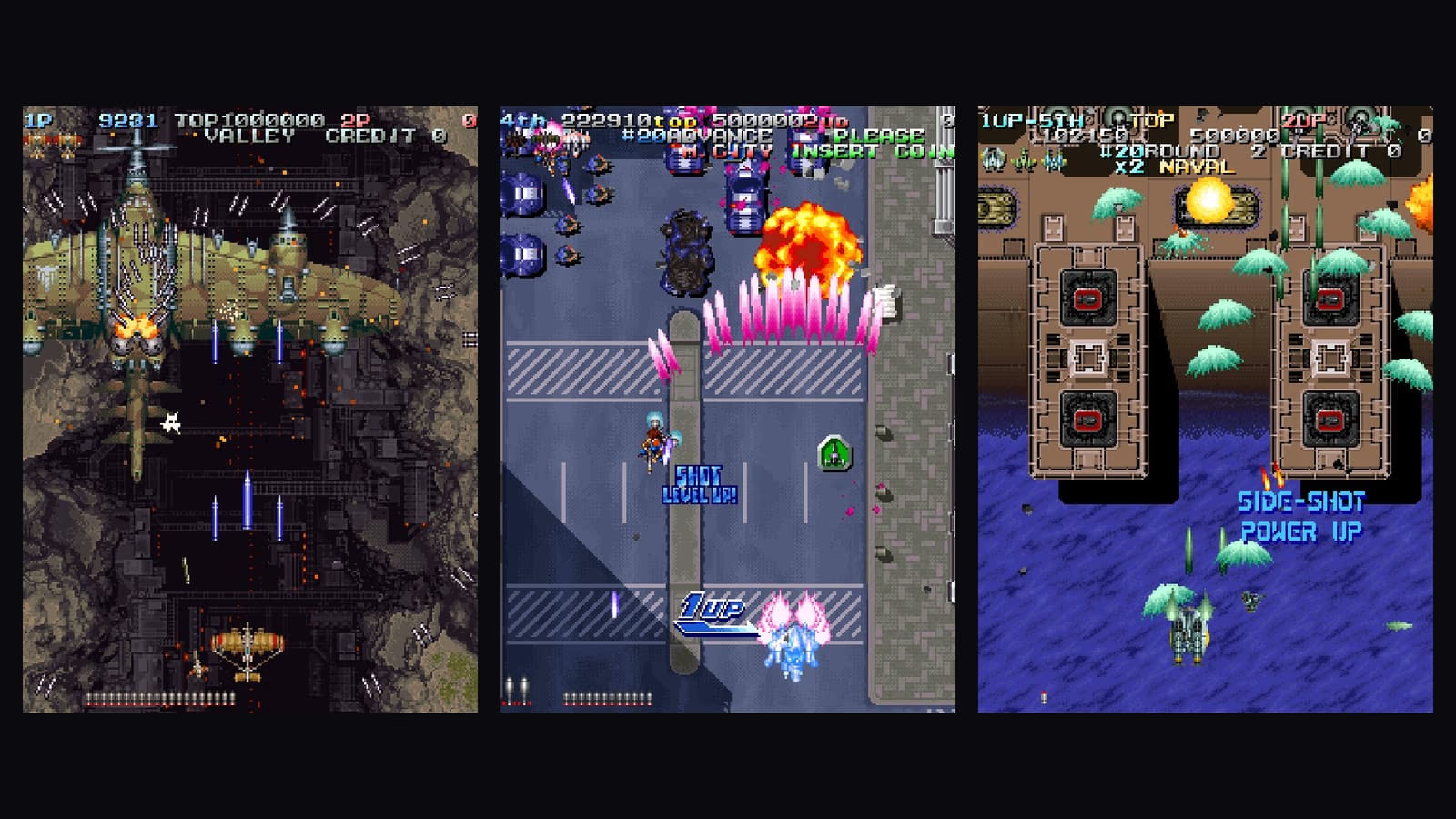
Arcade-RaizingMD Core Brings Battle Garegga and Batrider to MiSTer-devel
A rewritten open source core for Raizing's five Toaplan-based shooters, from Sorcer Striker to Battle Bakraid, was published to the MiSTer-devel organisation on 15 November. Its author says the old code was replaced and retuned against measurements from real boards.
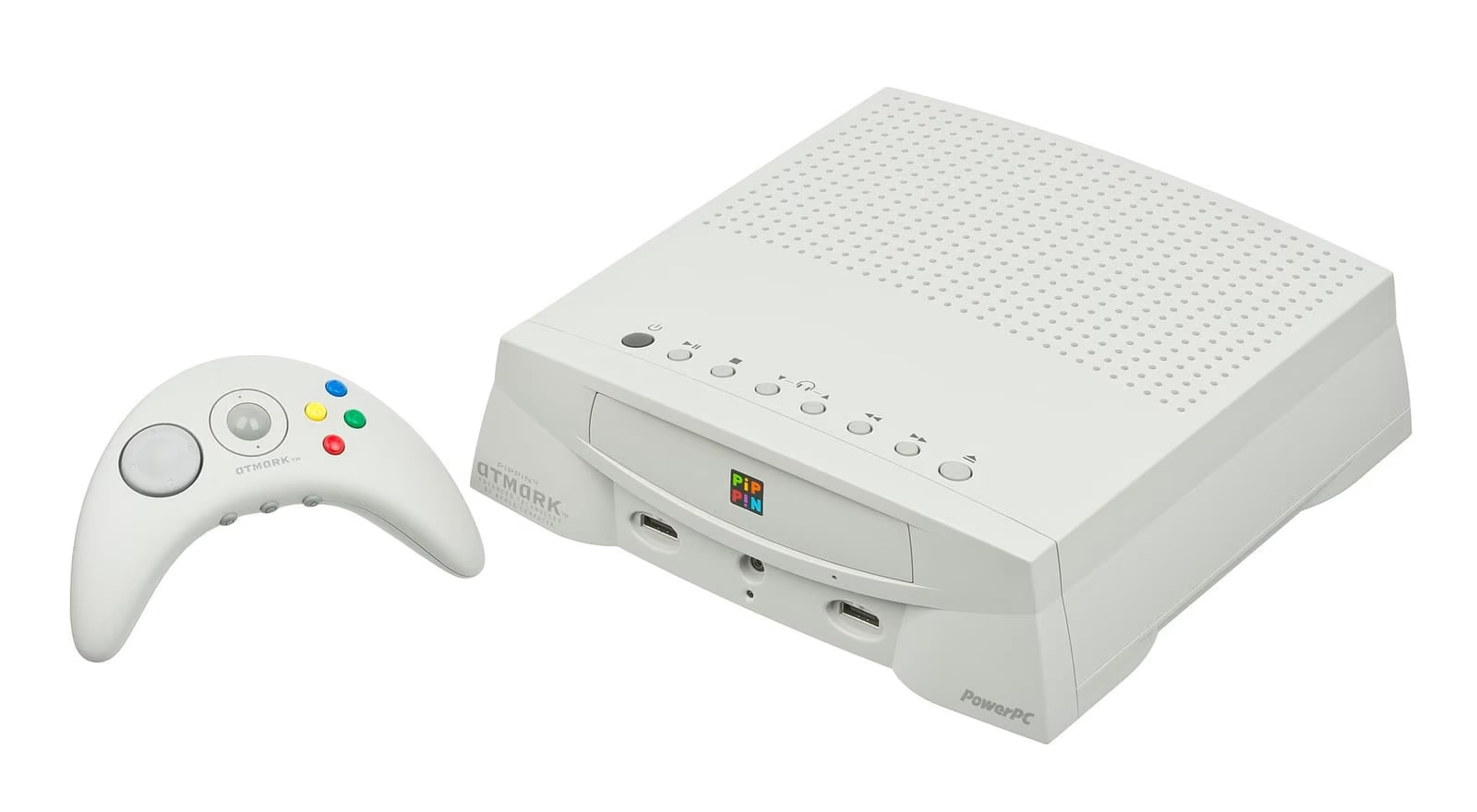
Bandai Pippin Gets a MiSTer Core
Dani Sarfati's BandaiPippin core, published to MiSTer-devel on 14 November, recreates Apple and Bandai's 1996 console down to its PowerPC 603. It boots the Pippin ROMs and four discs to their menus; playing titles through is not yet tested.
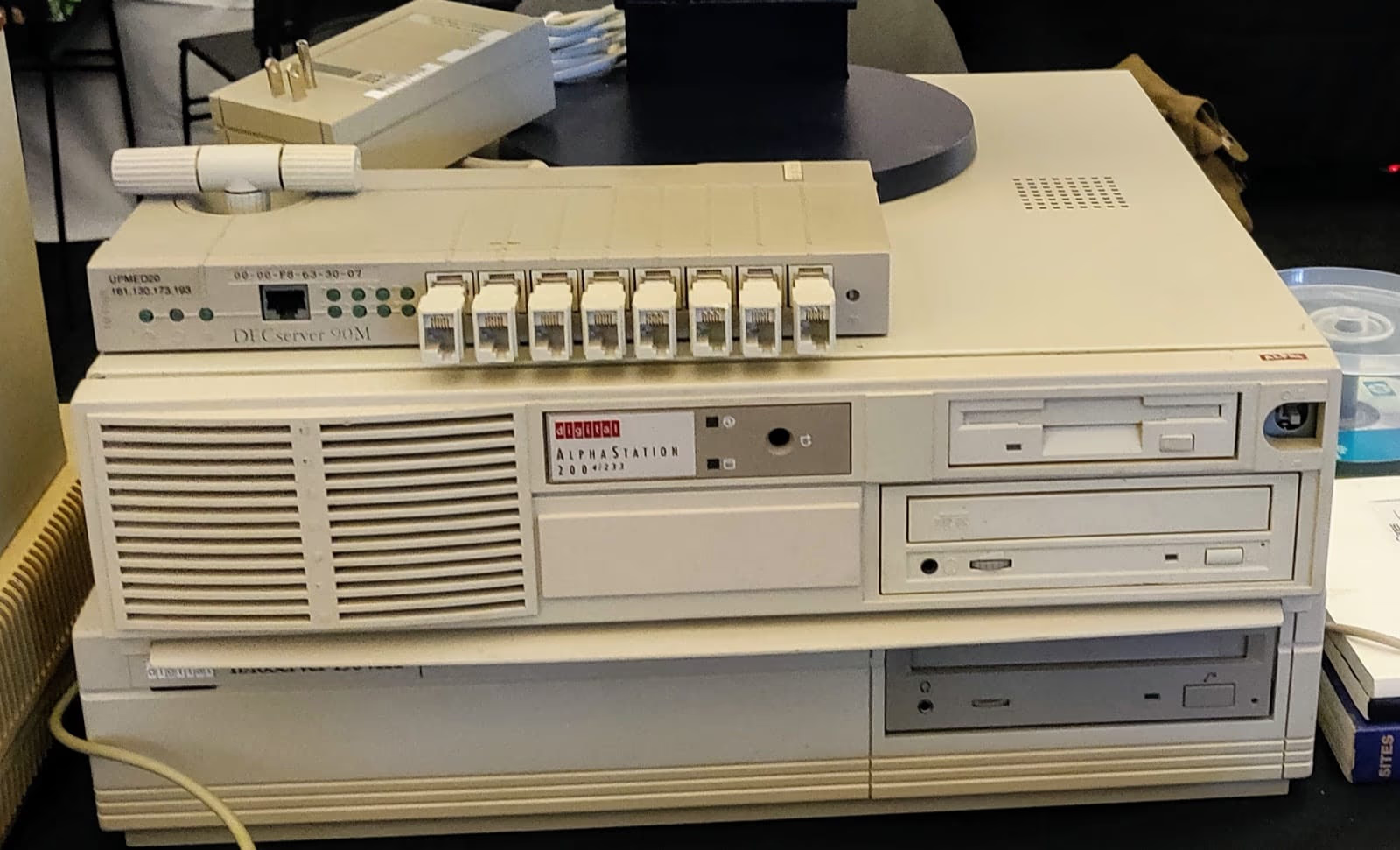
MiSTer Gets a DEC AlphaStation 200 Core That Runs OpenVMS, Tru64 and Windows NT
Dani Sarfati's DECAlphaStation200 core puts DEC's 1995 Alpha workstation on the MiSTer with its own SRM and ARC firmware, and boots OpenVMS, Tru64 UNIX, NetBSD, FreeBSD, Windows NT 4.0 and a Windows 2000 release candidate.