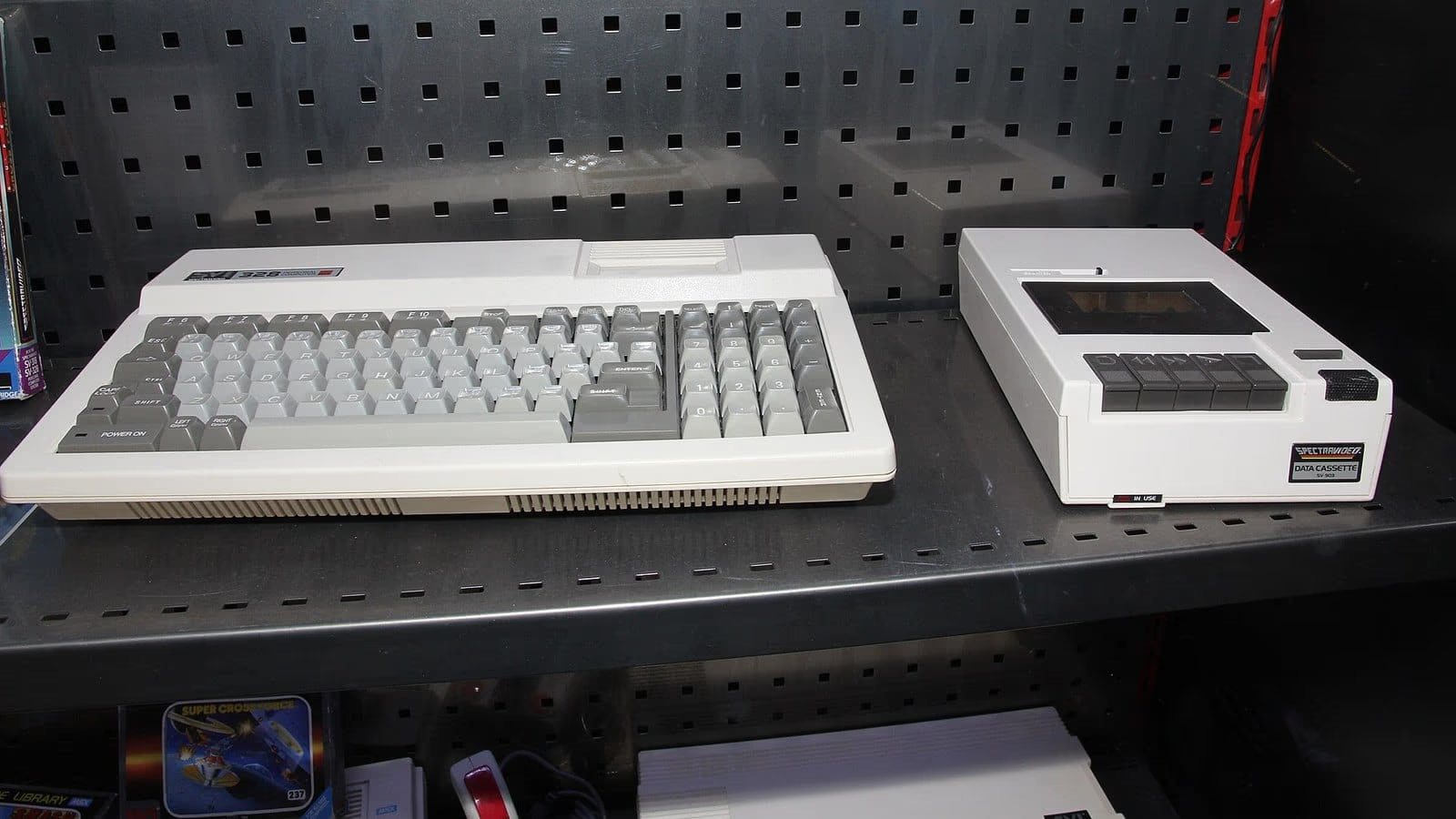
Image: Spectravideo SV-328 and SV-903 Data Cassette at the Helsinki Computer and Game Console Museum. Photo: MKFI, public domain, via Wikimedia Commons
Spectravideo SVI-328 MiSTer Core Adds Disk Drive, CP/M and 80 Columns
The MiSTer core for the Spectravideo SVI-328 has its first new release in two years. Release 20261117, published to the MiSTer-devel repository on 17 November and added to the official distribution, emulates the SV-801 floppy disk controller and the SV-806 80-column card, so the machine can now boot Disk BASIC and CP/M. It also adds the cheaper SVI-318 as a model option and replaces the tape loader, fixing games that had hung or failed to load since a bug report in 2022.
What the release adds
The work landed in two commits by Alan Steremberg. The first, on 15 November, covers tape, turbo loading, a new on-screen menu, the disk controller, the 80-column card and a batch of accuracy fixes. The second, on 17 November, swaps the Z80 processor core and reworks the picture. The new file, Svi328_20261117.rbf, sits in the _Computer folder of Distribution_MiSTer. The previous release in the repository was dated 16 October 2024.
Disks. The SV-801 option is on by default. With a .dsk image mounted, the BASIC ROM boots Disk BASIC or CP/M from it. Images use the raw format MAME uses: 172,032 bytes for single-sided and 346,112 bytes for double-sided, 40 tracks, with one drive, A:. Images in the .imd format have to be converted first. The README notes one side effect: with the controller on and no disk mounted, BASIC starts about 1.4 seconds later while the BIOS looks for a drive. The controller is an FD1793, built from Sorgelig's wd1793 with the Spectravideo disk geometry taken from teiram's Calypso port of the core.
80 columns. The SV-806 card needs its 4 KB character ROM, which the README names as svi806.rom (MAME's sv806.ic27), placed in games/SVI328/boot1.rom. Without it the card is left out. With it, CP/M and Disk BASIC use 80 columns, and in Disk BASIC WIDTH 40 and WIDTH 80 switch between the normal screen and the card. On the real machine the card had its own monochrome monitor output, so a new Display setting picks what the MiSTer shows: Auto follows whichever screen the software is writing to, switching 0.2 seconds after it moves, 80-column always shows the card's green text, and VDP always shows the normal picture. The card's 6845 runs from its own 12 MHz dot clock at 80 by 24 characters and 50 Hz.
Models and memory. A Model setting chooses between the SVI-328 with 64 KB and the SVI-318 with 16 KB. Memory defaults to SV-807 (160K), matching Spectravideo's RAM expansion, with Standard for the bare machine. Cartridges can now be ejected from the menu, which resets into BASIC. The old README told users they would "need to reboot to get out of the cartridge until this is fixed".
Tapes that finally load
In February 2022 Jose Tejada (jotego on GitHub) opened issue 2, "Tape loading issues", after trying tapes from the TOSEC archive. Mr. Do! hung while loading, Robocop loaded a broken BASIC program, and Kung Fu Master finished loading on the menu but left the computer "waiting for more data". He also found loading slow: "This system can take well over 10 minutes." The issue was closed on 17 November.
The 15 November commit rewrites the cassette loader. It finds block starts anywhere on the tape, recreates the leader that the .cas format leaves out, and keeps the image in SDRAM with no 256 KB limit. The commit lists Mr. Do!, Kung Fu Master, Arkanoid, Robocop, Rambo III and the 400 KB MKOD collections as loading on hardware.
A Tape speed setting, 4x by default, runs both the Z80 and the tape four times faster, but only while the cassette motor is on, so games themselves never run fast. The README explains why that is safe: "The BIOS times the tape with CPU loops, so it reads the same bits at either speed." While turbo is on, the Z80 waits for the video chip to finish each write, so a game that draws during loading, such as Kung Fu Master's menu, still draws correctly. A status box shows elapsed and total time, a progress bar, and the command the tape needs, read from its first header: CLOAD then RUN for BASIC, BLOAD"CAS:",R for machine code, RUN"CAS:" for ASCII BASIC. According to the README, that hint matches the load command named in 199 of the 200 TOSEC tapes that name one. Tape audio can be switched on, and a real cassette player can still be connected through the ADC input.

A new Z80, and the picture
The processor is now t80sv, which the README describes as "a SystemVerilog translation of the T80 core", by Rodimus. The 17 November commit adds four fixes that make it pass all 1,604,000 cases of the SingleStepTests Z80 suite, the ZEXDOC and ZEXALL instruction tests, and every interrupt timing case. The same fixes went back to Rodimus's own repository as a pull request, merged on 17 November. The commit also reports a higher maximum clock for the design, 65.6 MHz against 60.7 MHz before. The clock generator now runs at 42.954545 MHz and the Z80 at 3.579545 MHz, which the commit ties to the real machine's 10.738635 MHz crystal.
On video, PAL with the TMS9929A chip at 50 Hz is the default, with NTSC and the TMS9928A at 60 Hz as an option. A new Original aspect ratio reproduces the shape the picture had on a television, which the README calculates from the pixel clock: a PAL picture is wider than an NTSC one "because its 192 lines fill less of the 288-line PAL screen". For the largest integer-scaled image over HDMI it recommends leaving Scandoubler Fx at None, which allows 5x at 1080p. The keyboard maps by position, with STOP on F8 or F6, SELECT on F7, PRINT on F9 and the two GRAPH keys on Alt or Windows.
Who is behind it
The README credits the core to "fpganoob on misterfpga.org". Alan Steremberg also made the repository's 2023 builds, and birdybro made the 2024 release. The new commits include a Verilator simulator of the core and a CPU test bench. Their commit messages carry a co-author line for Claude Opus 5.5, Anthropic's AI model.
The machine
Spectravideo began in 1981 as SpectraVision, founded by Harry Fox and Alex Weiss to sell games for the Atari 2600, ColecoVision and VIC-20, and was renamed in late 1982 over a clash with a hotel TV service. Its joystick design became the QuickShot line. The SV-318 and SV-328 followed in 1983, both built around a Z80A, a TMS9918 video chip and an AY-3-8910 sound chip, with Microsoft Extended BASIC in ROM and CP/M available once a floppy drive was attached. The SV-318 had a chiclet keyboard and 16 KB of user RAM, the SV-328 a full-travel keyboard with numeric keypad and 64 KB. Wikipedia counts more than 130 games.
Wikipedia describes the SV-328 as the design on which the MSX standard was based. It is not fully MSX compatible, but its MSX successor, the SV-728, looks almost identical. Spectravideo itself did not last: its share price fell from $6.25 at its May 1983 flotation to 75 cents by December, Hong Kong's Bondwell took control in 1984, and operations had ceased by 1988.
Other ways to run it
The README points to MAME throughout, for the disk image format and the 80-column character ROM, and Wikipedia lists blueMSX among the emulators that support the SVI-318 and SVI-328. On MiSTer, the machine's MSX descendants have their own cores in the same distribution. Another early 1980s Z80 computer that runs CP/M on MiSTer, the Memotech MTX512, got its core a week earlier.
What is not known yet
The README lists no tested disk software beyond Disk BASIC and CP/M, the 80-column card depends on a character ROM users must find themselves, and settings saved by builds before 16 November are not carried over. It does not mention the SV-603 adapter that let the SV-318 play ColecoVision cartridges. The repository has no changelog beyond its commit messages.
New to MiSTer? Which MiSTer to buy and how to set it up covers the hardware, Update All and installing cores.
Sources
- MiSTer-devel on GitHub: SVI328_MiSTer: Spectravideo 328
- MiSTer-devel on GitHub: Tape, turbo, OSD, SV-801 disk, SV-806 80 columns, accuracy fixes, simulator (commit 7cbb30f)
- MiSTer-devel on GitHub: t80sv CPU, Display Auto, original aspect ratio, card defaults (commit b53bd71)
- MiSTer-devel on GitHub: SVI328_MiSTer releases folder
- MiSTer-devel on GitHub: Tape loading issues (issue #2)
- MiSTer-devel on GitHub: SVI328_MiSTer README before this release (commit cdc4bcf)
- RodimusFVC on GitHub: t80sv: pass all SingleStepTests/z80 cases (4 fixes) + SST bench
- MiSTer-devel on GitHub: Distribution_MiSTer, _Computer folder
- Wikipedia: Spectravideo
- Wikipedia: SV-328
- Wikipedia: SV-318
- Wikimedia Commons: File:SV328boot.jpg
More News
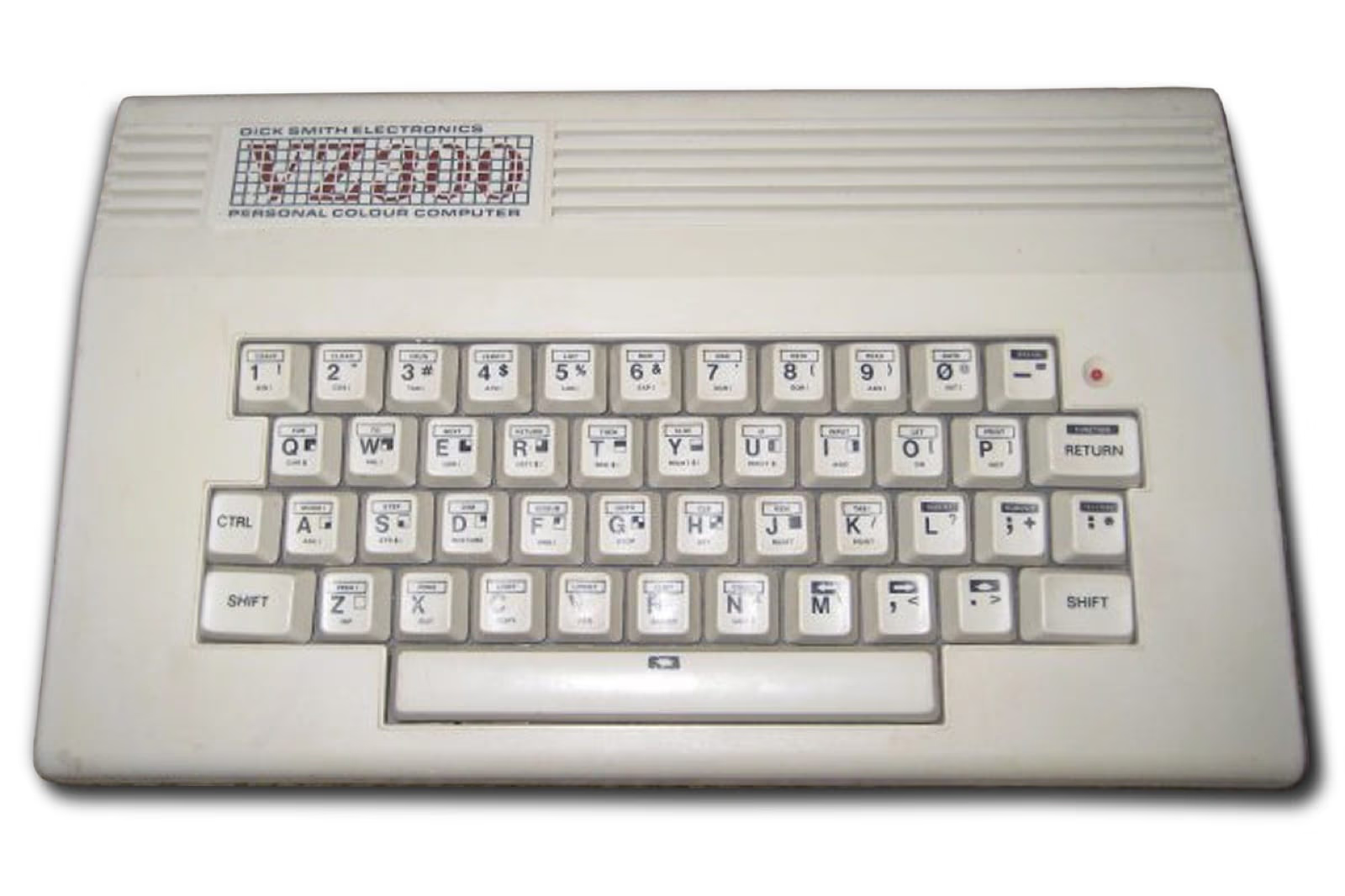
VTech Laser 310 MiSTer Core Gets Tapes, VZ DOS Disks and a Boot Fix
Release 20261118 of MiSTer's VTech Laser 310 core, by Alan Steremberg, adds a tape deck for WAV and CAS files, the VZ DOS floppy interface with two drives, PAL and NTSC timing, and a fix for a bug that kept the previous release from booting on a MiSTer at all.
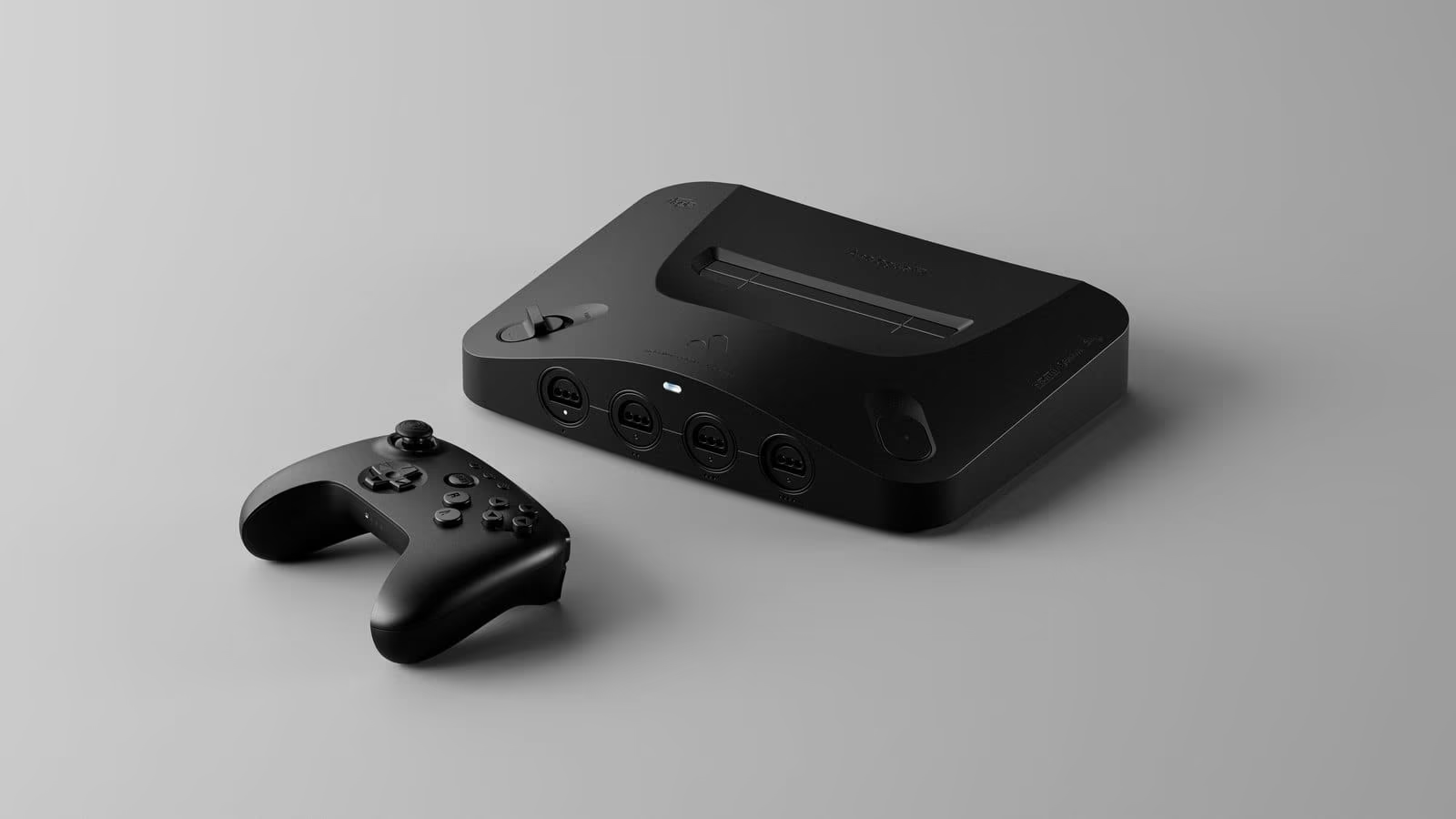
Analogue 3D Firmware 1.6.0 Adds Wi-Fi and Automatic Updates
3Dos 1.6.0, released on 18 November, switches on the Analogue 3D's dual-band Wi-Fi a year after launch, bringing over-the-air updates, network time and opt-in usage analytics.
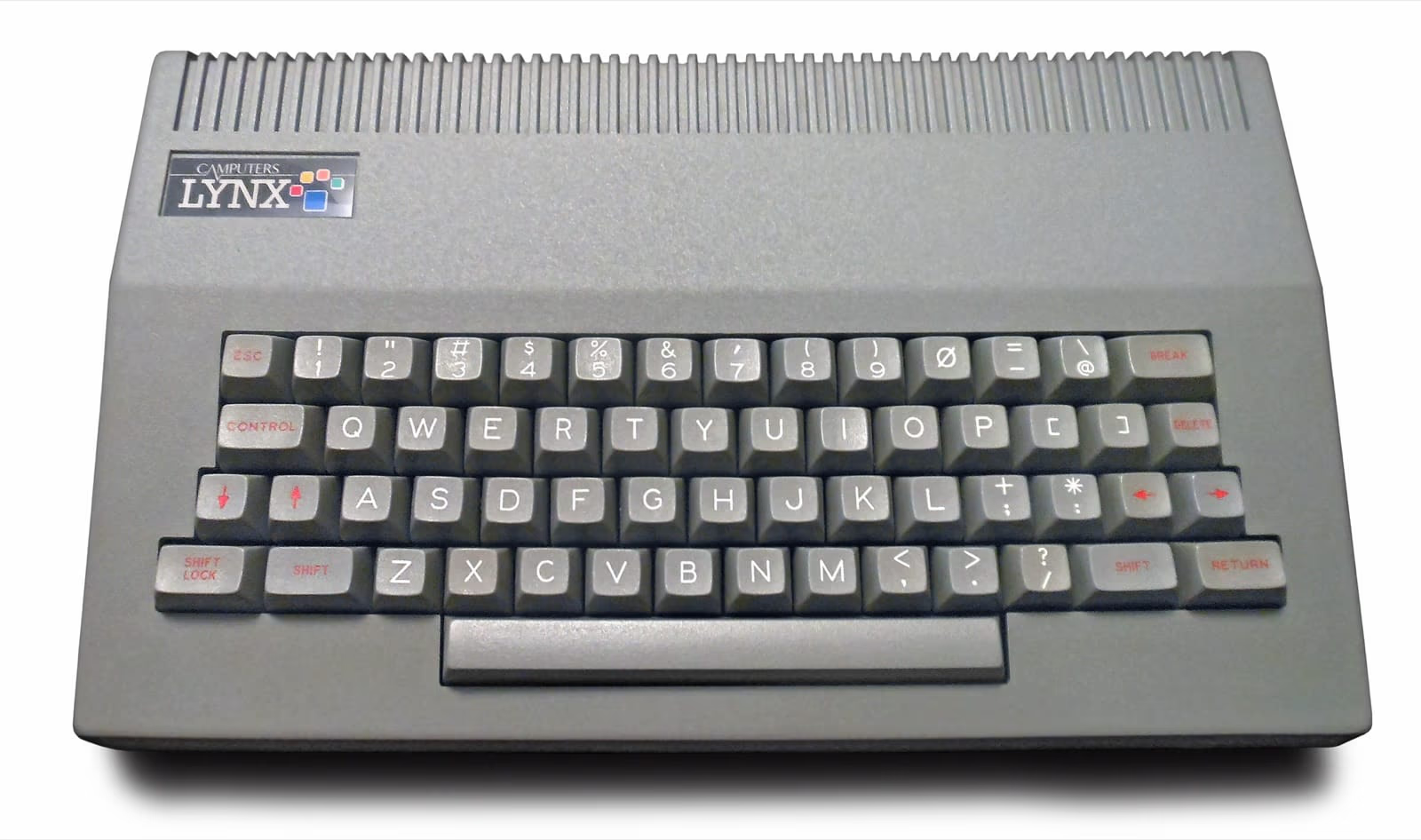
Camputers Lynx MiSTer Core Rebuilt With Disks, TZX Tapes and the 128K
Release 20261118 of MiSTer's Camputers Lynx core moves it onto Kyp's FPGA Lynx machines, covering the 48K, 96K, 96K Scorpion and 128K, and adds the LynxDOS disk interface, TZX and WAV tapes, a 4x tape turbo and on-screen loading hints.