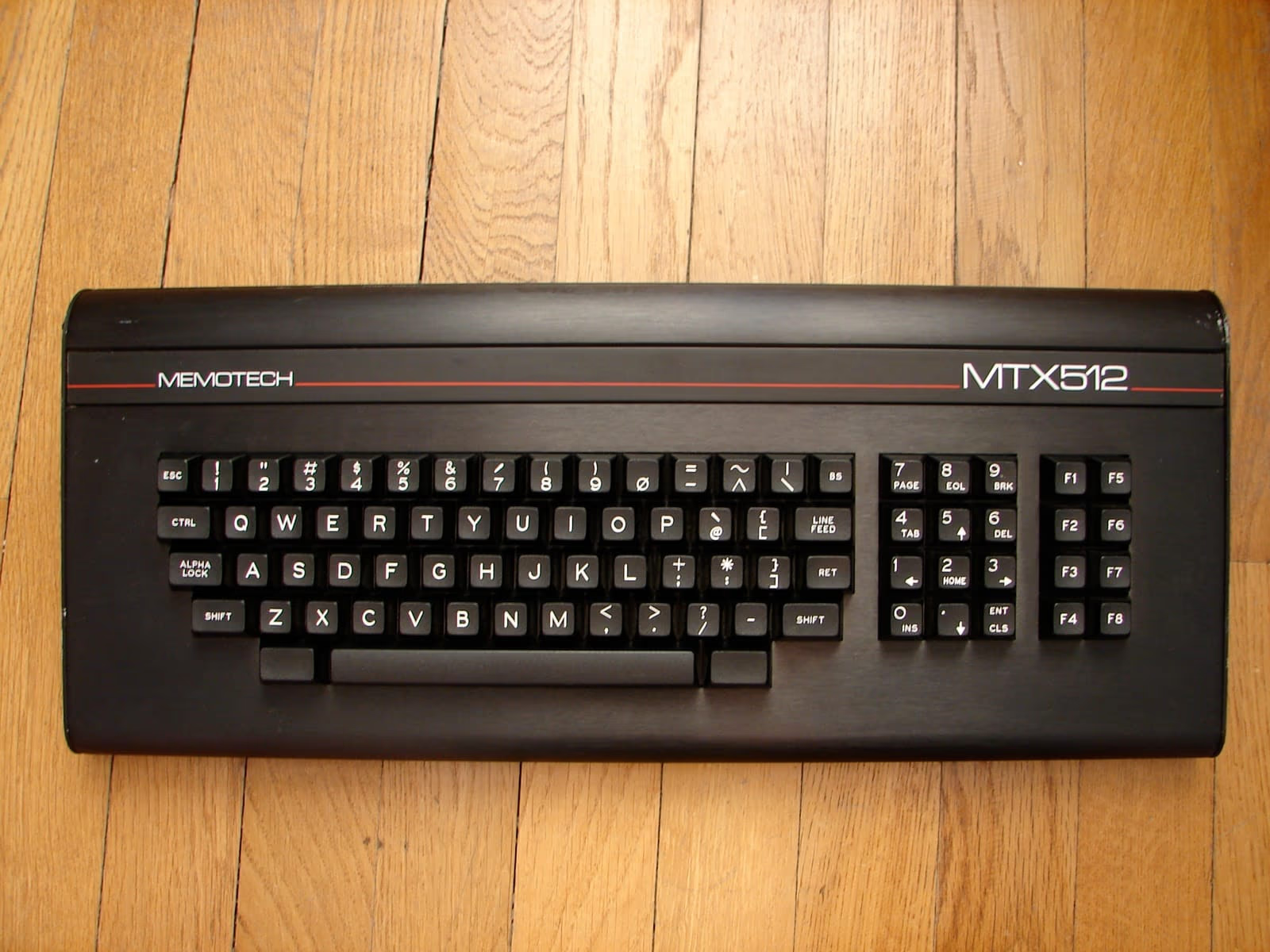
Image: Memotech MTX512, photo: Thomas Conté, CC BY-SA 2.0, Wikimedia Commons
Memotech MTX512 Gets a MiSTer Core, With SDX Discs and CP/M
The Memotech MTX, the British home computer in the aluminium case, has a new MiSTer core. A developer publishing as FPGA64 released the MTX512 core on 8 November, it moved into the official MiSTer-devel organisation on GitHub, where the release file was renamed to the standard MiSTer naming on 11 November, and by 13 November MTX512_20261108.rbf was in the _Computer folder of the core distribution that Update All installs. It boots straight to MTX BASIC and, with the right ROMs and disc images, runs Memotech's SDX disc system and CP/M 2.2 on the 80 column board.
What the core does
The README describes it as a core for the MTX500 and MTX512 that "boots straight to MTX BASIC using ROM images you supply yourself". No Memotech ROMs are included in the repository or the core. The user puts four 8,192-byte files in games/MTX512/ on the SD card: boot.rom (the operating system), boot1.rom (BASIC), and optionally boot2.rom (the ASSEM assembler) and boot3.rom (the SDX disc ROM). The guide lists the MD5 checksums of the ROMs used in testing and warns that a file with a different checksum "may still work (there are other ROM versions), but then you are on your own."
The feature list is long for a first release:
- a Z80 at an exact 4MHz stock speed, or 5, 6.25 and 8.33MHz
- the video chip over HDMI and VGA, in 4:3 or 16:9, at 50 or 60Hz, with a normal or "Marat" palette
- an SN76489 sound chip model, checked against the data sheet
- tapes as
.mtxfiles (instant load) or.wavfiles (played in real time), andSAVEto a.mtxfile on the SD card - the SDX disc system, with Memotech's SDX FDC 05 controller (a WD1793) and discs as image files
- 64K of RAM, or 320K with the 256KB expansion held in the MiSTer's SDRAM module
- the Communications board's Z80 DART serial port, wired to the MiSTer UART
- the 80 column board, with CP/M 2.2 started from the SDX controller
- joysticks wired into the keyboard matrix, as on the real machine
The keyboard follows a PC UK layout. According to the guide, Break is on the number pad's * key (Pause, Ctrl+Pause and Scroll Lock also work), and the MTX's own editing keypad sits on the PC number pad "one row up".

Discs, CP/M and the 80 column board
The changelog shows the work behind the release. Builds dated from 25 October onwards fixed short .mtx tapes, made SAVE write to the SD card and VERIFY actually compare the tape with memory ("It used to accept anything"), and on 30 October added the SDX disc system, decoded from the card's schematic and the SDX manual. The 31 October build set the CPU clock to exactly 4MHz. Before that it had run at 4.166MHz, so, in the changelog's words, "every sound was 4% sharp and anything timed by the CTC was 4% off." The same build fixed the sound chip's noise rates, which had been twice too fast.
The 8 November build added the 80 column board. It was written from the board's schematic, redrawn by Dave Stevenson, and the MTX-FDX Technical Manual, both from the Primrosebank Memotech archive. It produces a 640 by 480 picture with colour attributes, blinking, a cursor and graphics characters. To use CP/M, boot3.rom becomes a 24,576-byte file combining the SDX ROM, the board's character ROM and Memotech's CP/M bootstrap PROM; a script in the repository builds it from the user's own files. New menu entries choose between SDX BASIC and CP/M and between the normal and 80 column pictures. The guide walks through running FDXB, Memotech's Disc BASIC, and uses Level 9's adventure Snowball as an example: "This is how it was run on a MiSTer."
How it was built and tested
The core is based on REMEMOTECH and its earlier MiSTer port, Rememotech-Mister, by the RW FPGA devel Team. REMEMOTECH, as the RW team's README describes it, is "a modern-day re-implementation of a Memotech MTX/FDX/SDX compatible computer" in VHDL for an Altera DE1 board, running its CPU at 4.166MHz. The new core's README credits Andy Key for REMEMOTECH and for MEMU, his Memotech emulator, whose .mtx tape format the core uses. The RW team's port first appeared in May 2020 and was last updated in March 2021. Unlike that port, the new core ships with no ROMs, runs at the stock 4MHz, and models the SDX controller and its discs as image files.
Much of the testing was done away from real hardware. The changelog describes ModelSim test benches and "a software MTX running the real ROMs", in which 148 game and utility tapes loaded. The README is direct about the limits: "Parts of this were checked only in logic simulation and in software models; the guide says which. BASIC, tapes, the SDX and CP/M with FDXB have been run on a MiSTer. Reports are welcome." The FPGA64 GitHub account and its MisterMemotech repository were both created on 8 November, so there is no earlier public work under that name to compare.
The machine
Memotech started out making memory add-ons for Sinclair computers and launched the MTX range in 1983, at £275 for the MTX500 and £315 for the MTX512, followed by the RS128 at £399 in 1984. The machines used a Z80A at 4MHz, a TMS9929A or TMS9928A video chip and an SN76489A sound chip, close to the MSX standard without being compatible with it. Wikipedia singles out the aluminium case and the "full-size 79-key keyboard with mechanical full-travel keys". The MTX512, with the FDX disc unit, is remembered for its central role in the 1985 film Weird Science.
Sales were modest. By 1985 a large contract with the Soviet Union was in prospect, and a Russian version of the machine was designed with a bright red case, but the deal fell through and Memotech went bankrupt. The company was relaunched, and the last model, the MTX512 Series 2, came out in 1986.
Other ways to run it
MAME has a Memotech driver covering the MTX 500, MTX 512 and RS 128, whose to-do list still includes the FDX floppy, the HDX hard disk and silicon discs. Andy Key's MEMU is the software emulator the core's guide leans on: the ROM checksums it lists are MEMU's ROM files, and the system discs it uses come from the MEMU package. REMEMOTECH remains the hardware route for DE1 board owners, and the RW team's Rememotech-Mister port is still on GitHub, with the ROMs built into the core and storage in a VHD file of CP/M partitions rather than SDX disc images.
What is not known yet
Some parts are missing by design. The guide lists the FDX controller and its boot PROM, the silicon disc, monochrome output, the bell and the light pen as not built, and says the core "stops at 320K: the full 512KB of the largest MTX is not built." SDX BASIC uses Disc A only. The changelog for the 8 November build says CP/M programs "and a real MiSTer have not been tried", while the README, updated the next day, says CP/M with FDXB has been run on a MiSTer; the guide's own list of missing parts still names the 80 column board, which a later section says is built. There is one release so far, with no compatibility list beyond the tapes and discs named in the guide.
New to MiSTer? Which MiSTer to buy and how to set it up covers the hardware, Update All and installing cores.
Sources
- MiSTer-devel on GitHub: Memotech MTX512 for MiSTer
- MiSTer-devel on GitHub: Memotech_MiSTer CHANGES.txt
- MiSTer-devel on GitHub: Memotech_MiSTer GUIDE.txt
- MiSTer-devel on GitHub: Memotech_MiSTer commits
- FPGA64 on GitHub: MisterMemotech
- MiSTer-devel on GitHub: Distribution_MiSTer, _Computer folder
- RW-FPGA-devel-Team on GitHub: Rememotech-Mister
- Wikipedia: Memotech MTX
- MAME on GitHub: MAME Memotech MTX driver (mtx.cpp)
More News
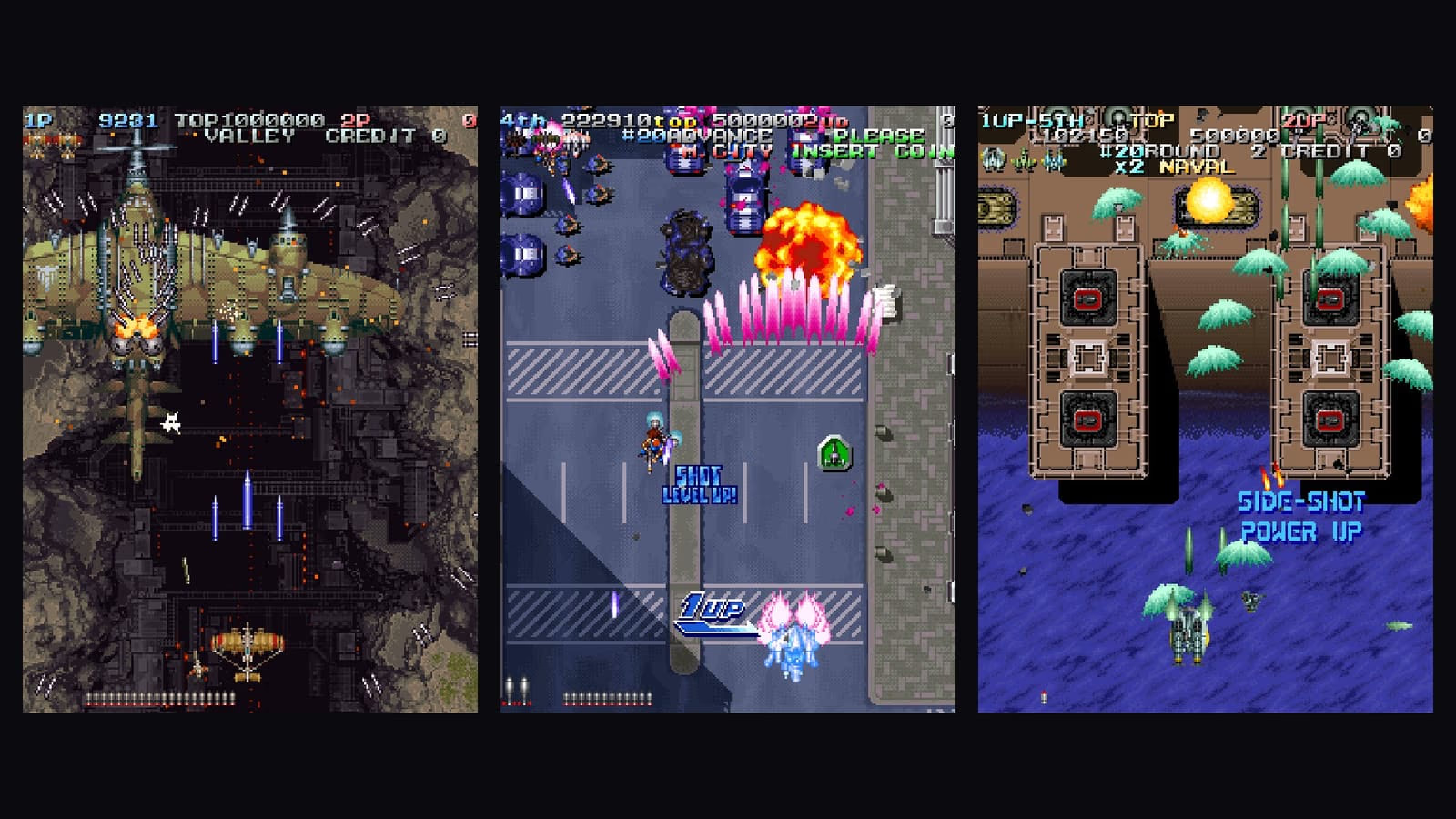
Arcade-RaizingMD Core Brings Battle Garegga and Batrider to MiSTer-devel
A rewritten open source core for Raizing's five Toaplan-based shooters, from Sorcer Striker to Battle Bakraid, was published to the MiSTer-devel organisation on 15 November. Its author says the old code was replaced and retuned against measurements from real boards.
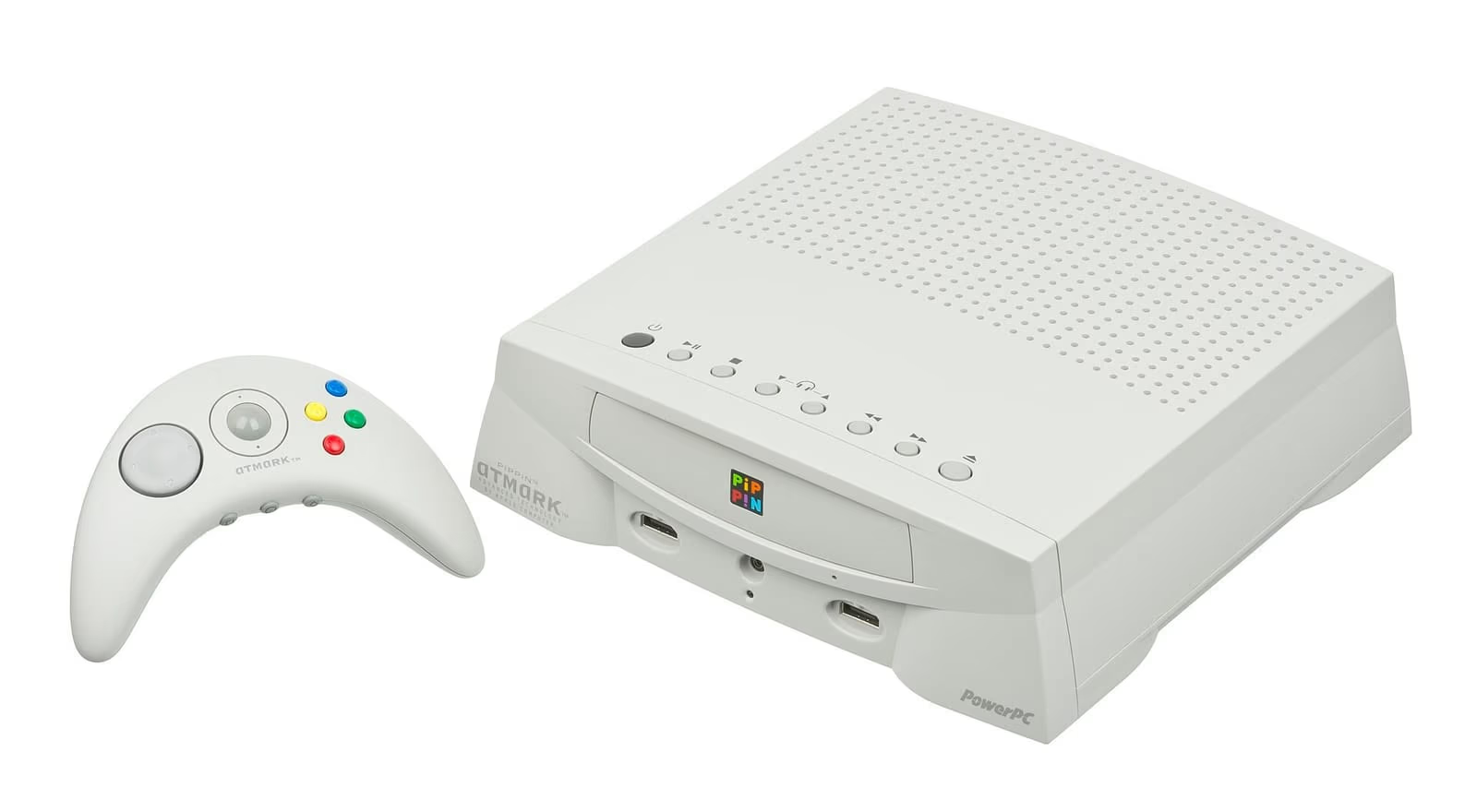
Bandai Pippin Gets a MiSTer Core
Dani Sarfati's BandaiPippin core, published to MiSTer-devel on 14 November, recreates Apple and Bandai's 1996 console down to its PowerPC 603. It boots the Pippin ROMs and four discs to their menus; playing titles through is not yet tested.
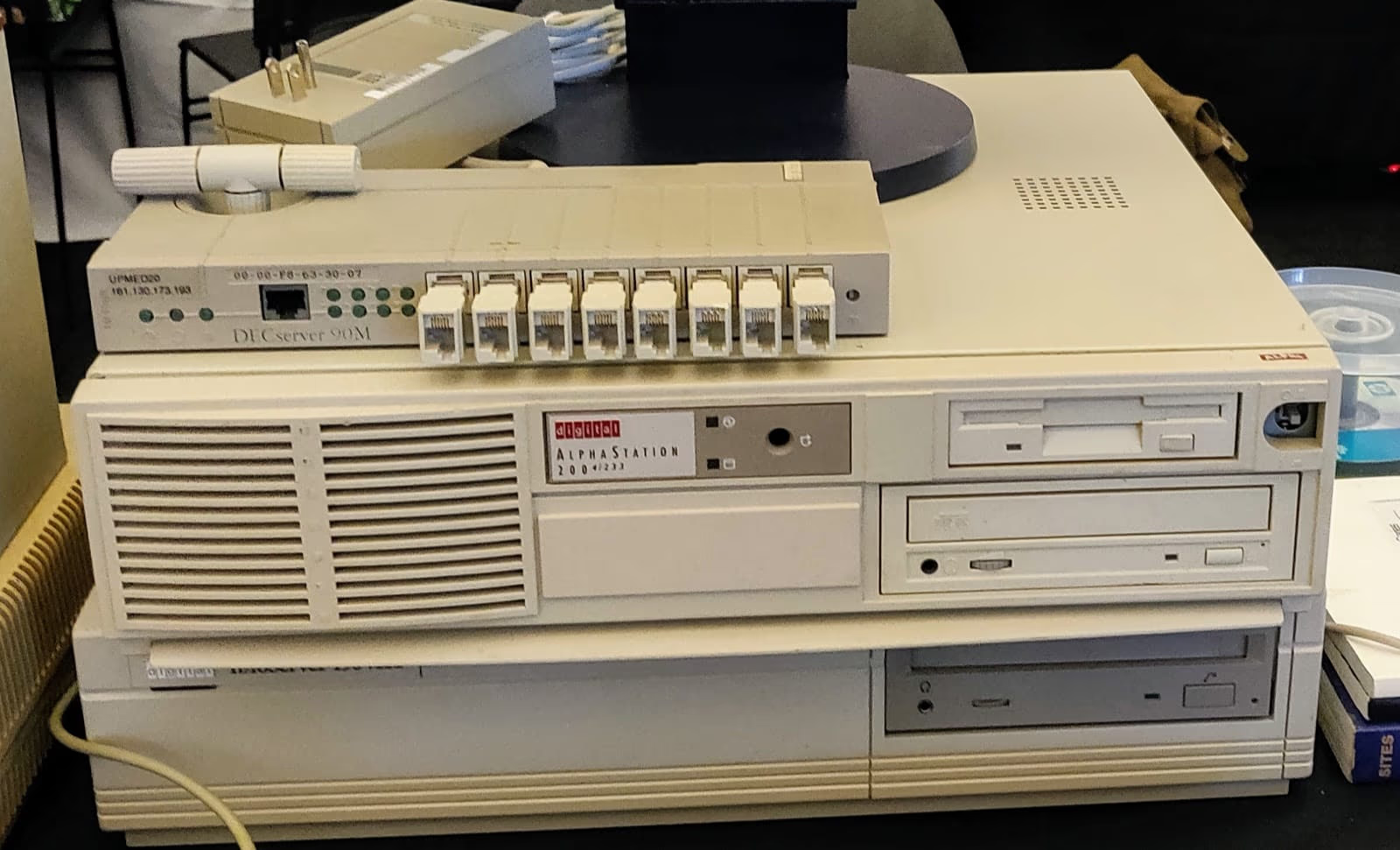
MiSTer Gets a DEC AlphaStation 200 Core That Runs OpenVMS, Tru64 and Windows NT
Dani Sarfati's DECAlphaStation200 core puts DEC's 1995 Alpha workstation on the MiSTer with its own SRM and ARC firmware, and boots OpenVMS, Tru64 UNIX, NetBSD, FreeBSD, Windows NT 4.0 and a Windows 2000 release candidate.