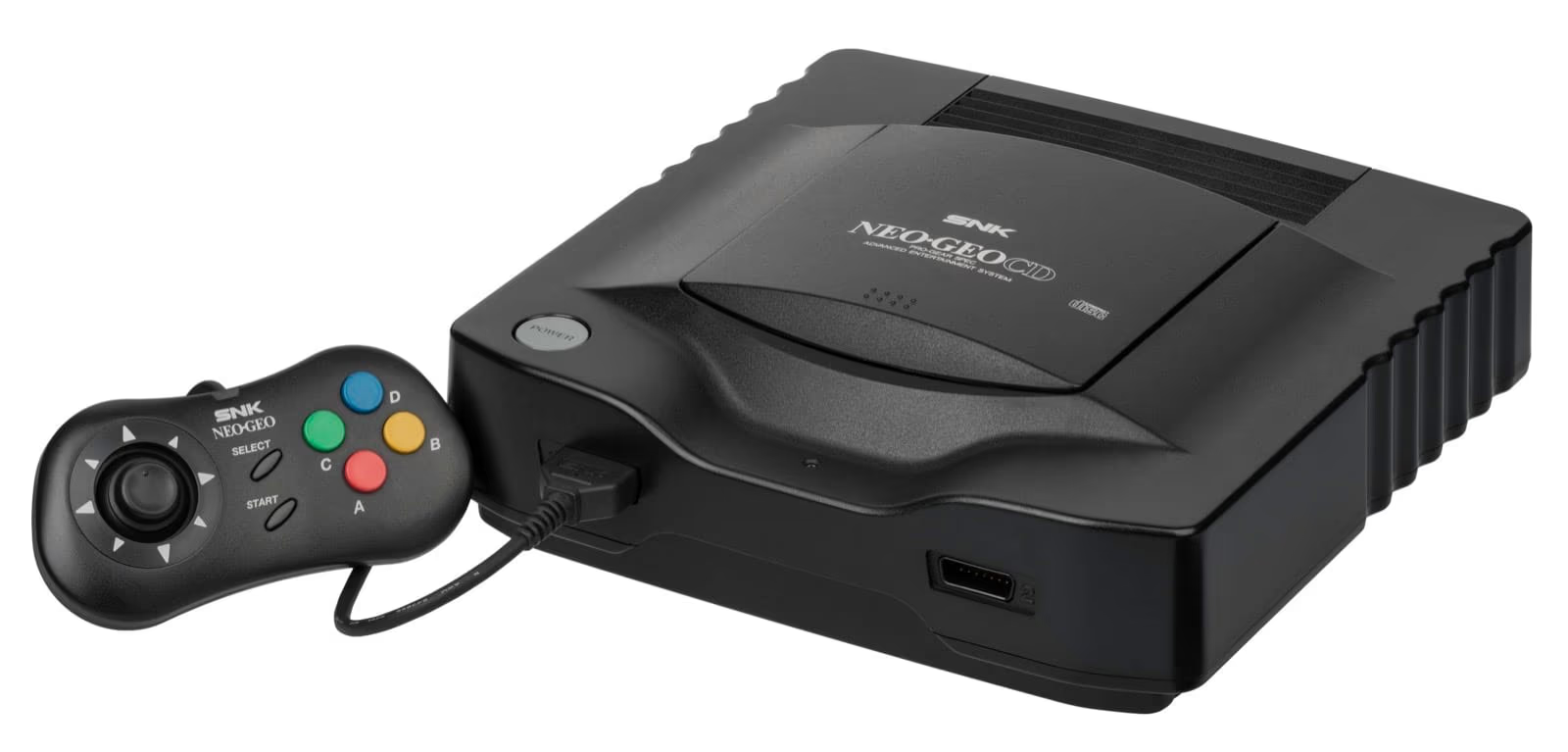
Image: Evan-Amos, public domain, via Wikimedia Commons
NeoMillie 0.5.3 Brings Neo Geo CD Discs to the Analogue Pocket
The Analogue Pocket can now play Neo Geo CD discs. NeoMillie, a pair of openFPGA cores published on GitHub by a developer working as uniplexed, adds one core for Neo Geo cartridge games and one, NeoMillieCD, for SNK's CD console. The project's first public release was 0.5.0 on 5 November; the CD core has had three fixes since, with 0.5.3 arriving on 10 November alongside 0.5.1 of the cartridge core. Both are built from the current MiSTer Neo Geo code plus a new layer written for the Pocket's hardware.
What the CD core does
NeoMillieCD reads a disc image from the SD card and runs it through the UniBIOS CD, the supported BIOS, which has to be supplied by the user along with the 000-lo.lo file. A single CD/CDZ setting in the menu picks between two consoles. Off, the default, emulates the top-loading Neo Geo CD and reads at 1x, 150 KB/s or 13.33 ms per sector. On emulates the CDZ and reads at 2x, 300 KB/s or 6.67 ms per sector. The README says faster speeds are not offered because at 4x "the SD card could not keep up". The core sets the UniBIOS's console model itself, so the BIOS's own SYSTEM setting has no effect.
The menu also offers four regions (US, EU, JP and AS), a 304 or 320 pixel width, and four aspect ratios. Saves go to one 8 KB memory card file, Saves/ngcd/common/uni-bioscd.sav. Other BIOS files of the right size can be picked: top-sp1.bin works at 1x, while neocd.bin boots and then stops at the disc protection check on protected discs, because the emulated drive does not answer the table-of-contents command that check needs.
The disc format is narrow. The core reads one .cue naming one .bin with MODE1/2352 data and audio tracks, or a raw .bin of a single data track. Images split into ISO and WAV files, and CHD files, have to be converted first with cd_convert.py, a Python script attached to each release; the CHD route also needs chdman from MAME. The README records that Metal Slug and The King of Fighters '95, converted to CHD and back, came out byte for byte the same.

Five days of fixes
The release notes show how young the CD core is. Version 0.5.1, on 8 November, fixed Samurai Shodown RPG failing on its first Start Game in CDZ mode: the UniBIOS defaults to a top-loader model, and with the core at 2x it read the closed tray as open. Version 0.5.2, on 9 November, fixed a worse fault. On 0.5.0 and 0.5.1 a game could save to the memory card and load it back until the player left the core, but the file was never written on Quit. The notes are blunt that saves made on those two versions "cannot be recovered".
Version 0.5.3 stops the core holding a new sector back for up to 50 ms while the decoder's interrupt is masked, which the notes say real hardware does not do. The 68000's work RAM now starts as 0xAA, matching the MiSTer core, and the memory card is written on Reset Core as well as on Quit.
The README's test table lists 17 runs across 14 discs, all on one Pocket with the UniBIOS CD. The King of Fighters '95, '97, '98 and '99, Last Blade 2, Samurai Shodown IV, Twinkle Star Sprites, Aero Fighters 3, Art of Fighting and Pulstar are recorded as playing or working. Fatal Fury 3 works almost perfectly, the table says, apart from a few black frames. Metal Slug and Metal Slug 2 play, though the README says they feel slower on CD than on the cartridge core, which may be how the CD versions run.
The cartridge core
The cartridge core, uniplexed.NeoMillie, runs MVS and AES games from ROM sets in the Darksoft layout, and the README says ROMs and BIOS files already used with the existing Neo Geo Overdrive core for the Pocket work as they are. Saves do not carry over: the Overdrive stores them with bytes and word halves in a different order, and there is no converter. Its 0.5.1 release adds read caches in front of the ROM memory. On Metal Slug X's first mission, the 68000 lost 0.000% of its clocks waiting for ROM, against 1.354% before. The README lists what is still missing: screen position, DIP switches, channel mutes, BIOS choice, multitap, spinner and mouse, combo buttons and CPU overclock.
How it compares, and who built it
The MiSTer's Neo Geo core already supports MVS, AES and CD systems, with the top-loader, CDZ and UniBIOS CD files as BIOS options; NeoMillie is built from that code. On the Pocket, the established Neo Geo option is Mazamars312's Neo Geo Overdrive, a port of Furrtek's Neo Geo core whose last release, 0.8.1, came in April 2024 and whose README covers cartridge sets. Another CD system reached the Pocket earlier this year: neutralinsomniac's Sega CD/Mega CD core combines an existing Pocket Genesis core with the MiSTer Mega CD core.
NeoMillie's credits name Furrtek for the original Neo Geo core; srg320, Sorgelig, paulb-nl and zakk4223 for the MiSTer port, the CD subsystem and the drive model; Mazamars312's Overdrive as the reference for the Pocket memory and loader design; and neutralinsomniac's Mega CD core as a design reference. The README ends with "Developed with Claude Code", Anthropic's AI coding tool. The author gives no real name. The cores are GPL licensed, and the README states that no BIOS, ROMs or discs are included "and none will be".
The README also reports how full the Pocket's FPGA is. Of its 18,480 logic modules and 308 memory blocks, the CD core uses 11,527 and 281, and the cartridge core 8,994 and 280.
The original hardware explains why a 2x mode matters. Wikipedia records that the Neo Geo CD launched in Japan on 9 September 1994 with a single-speed drive and "long loading times that could vary from 30 to 60 seconds, depending on the game". The double-speed CDZ followed on 29 December 1995, in Japan only. SNK sold 570,000 Neo Geo CD consoles worldwide by 30 September 1997.
What is not known yet
Every test was on one Pocket, and the 0.5.0 notes warn that "memory timing across units and most games are unknown". The CD core has no CHD support, subcode, save states or cheats. SD card reads can take around 450 ms, which slows loading, and a debug build produced brief music cuts that the README says have not been proven gone from release builds. The newest runs in the table are on 0.5.1, and the 0.5.3 notes do not record any discs re-tested after its change to sector timing. The developer is asking for reports in the project's issues, naming the core, version, BIOS, game and setting.
New to openFPGA? The Analogue Pocket openFPGA cores guide covers what the Pocket's cores can play and how to install them. Cart & Pixel's Analogue Pocket review covers the handheld itself.
Sources
- uniplexed on GitHub: NeoMillie: Neo Geo cartridge and CD cores for the Analogue Pocket
- uniplexed on GitHub: NeoMillie releases
- uniplexed on GitHub: NeoMillieCD 0.5.3
- uniplexed on GitHub: NeoMillie 0.5.1 (cartridge core)
- uniplexed on GitHub: NeoMillie 0.5.0
- MiSTer-devel on GitHub: NeoGeo_MiSTer
- Mazamars312 on GitHub: Analogue Pocket Neo Geo Overdrive
- neutralinsomniac on GitHub: Sega CD/Mega CD for Analogue Pocket
- Wikipedia: Neo Geo CD
More News
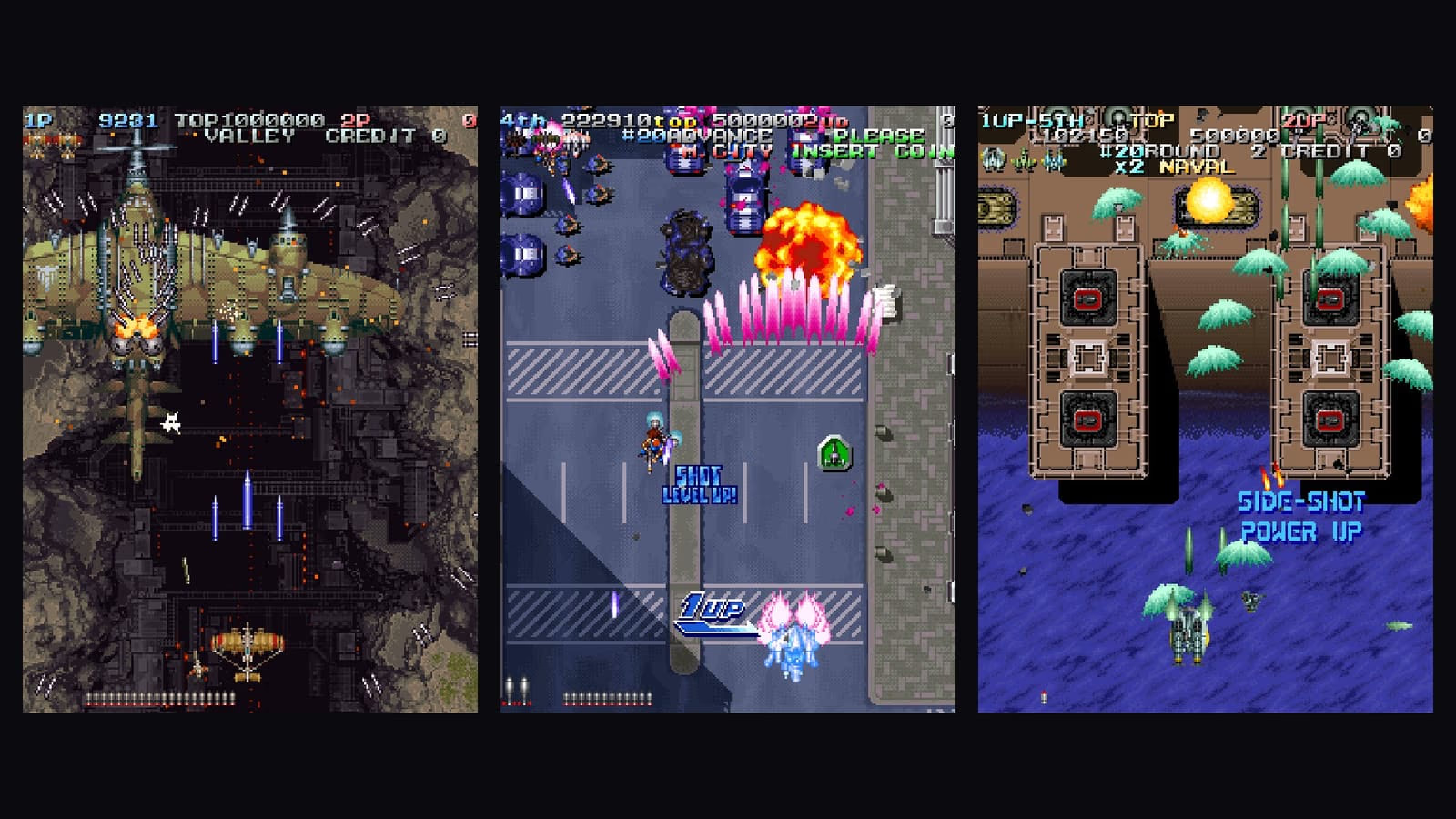
Arcade-RaizingMD Core Brings Battle Garegga and Batrider to MiSTer-devel
A rewritten open source core for Raizing's five Toaplan-based shooters, from Sorcer Striker to Battle Bakraid, was published to the MiSTer-devel organisation on 15 November. Its author says the old code was replaced and retuned against measurements from real boards.
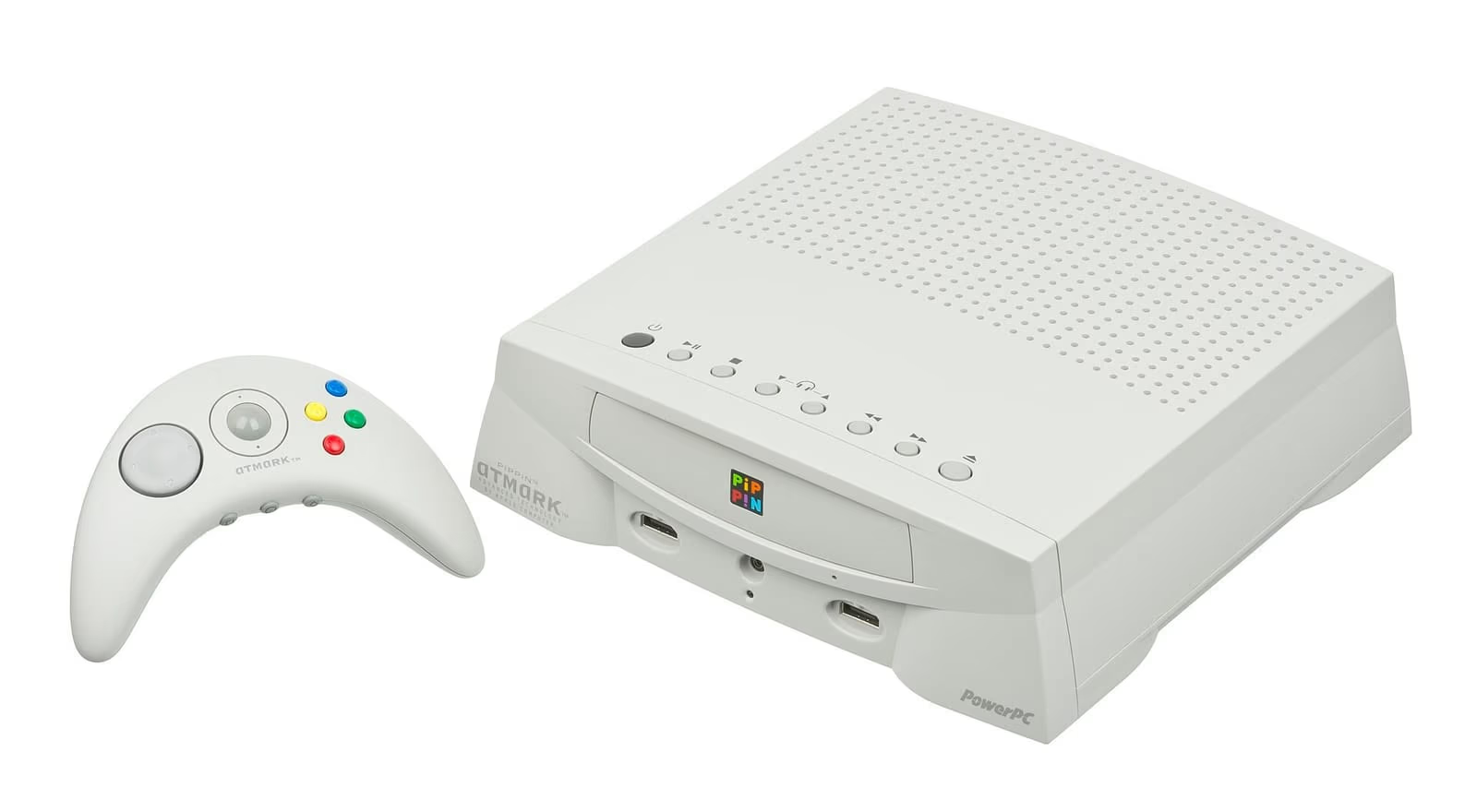
Bandai Pippin Gets a MiSTer Core
Dani Sarfati's BandaiPippin core, published to MiSTer-devel on 14 November, recreates Apple and Bandai's 1996 console down to its PowerPC 603. It boots the Pippin ROMs and four discs to their menus; playing titles through is not yet tested.
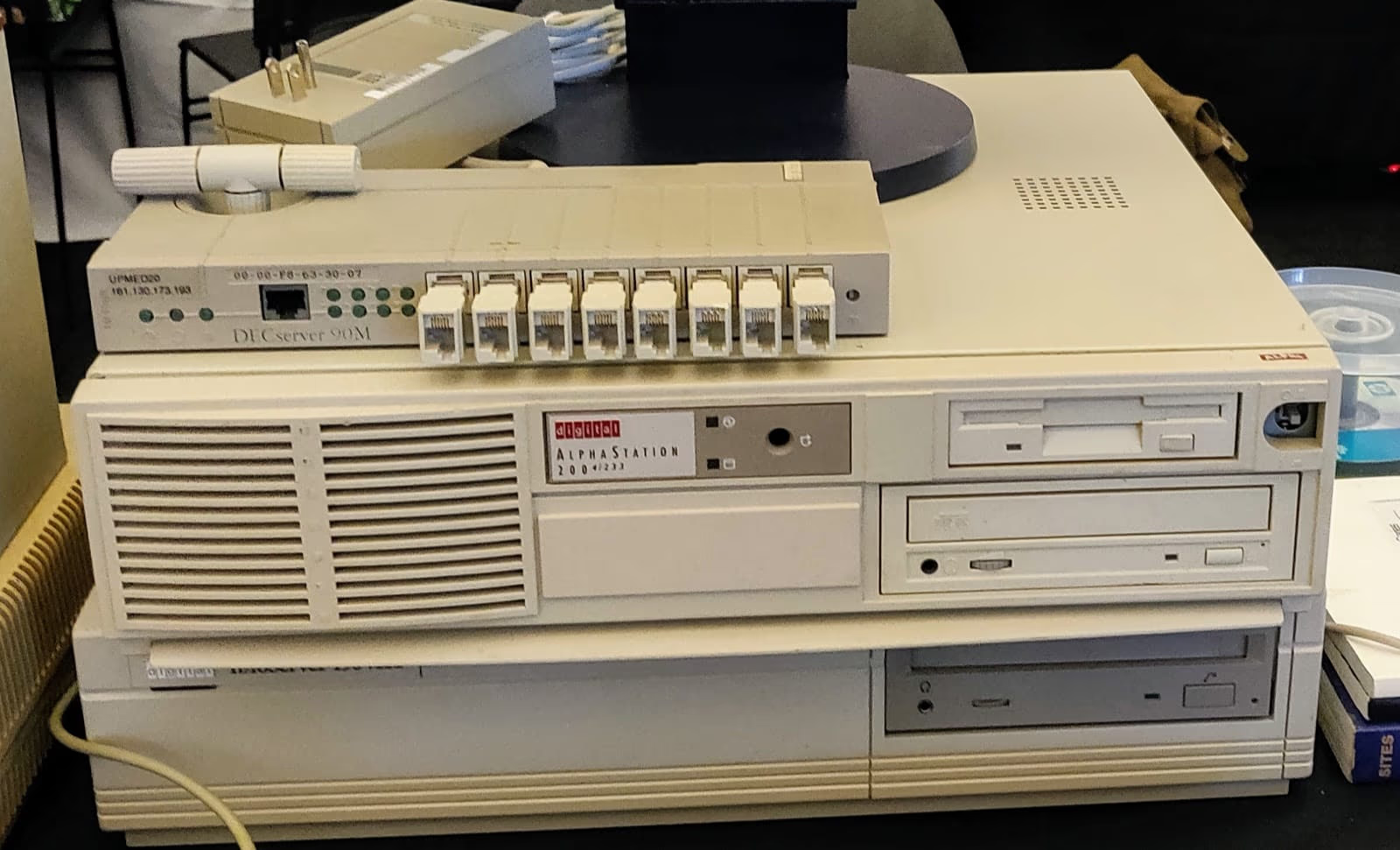
MiSTer Gets a DEC AlphaStation 200 Core That Runs OpenVMS, Tru64 and Windows NT
Dani Sarfati's DECAlphaStation200 core puts DEC's 1995 Alpha workstation on the MiSTer with its own SRM and ARC firmware, and boots OpenVMS, Tru64 UNIX, NetBSD, FreeBSD, Windows NT 4.0 and a Windows 2000 release candidate.