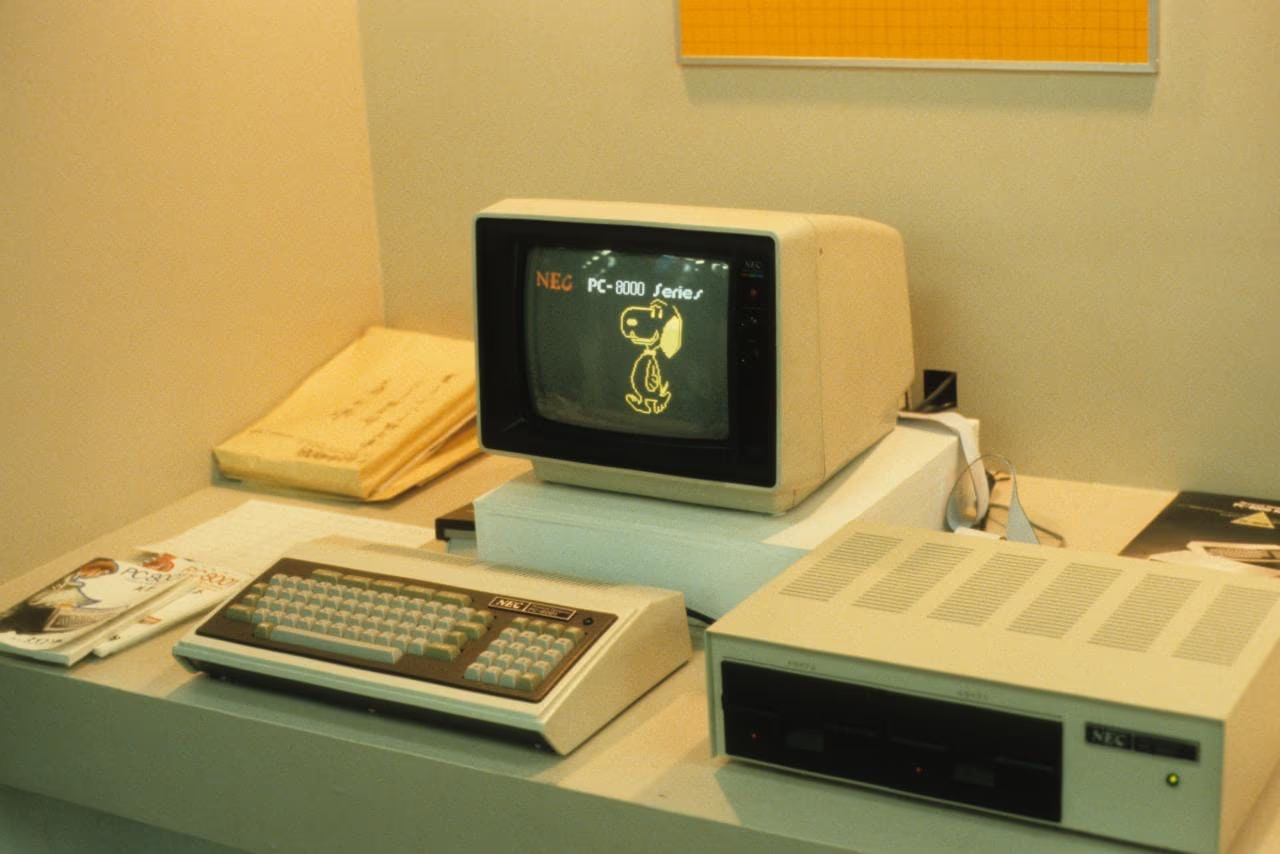
Image: NEC PC-8000 series, photo: Tom West, CC BY 2.0, Wikimedia Commons
MiSTer Gets an NEC PC-8001 Core, With the mkII and mkIISR
NEC's PC-8001, the 1979 computer that started the company's personal computer line, has a MiSTer core. Alan Steremberg's PC-8001_MiSTer was created in the MiSTer-devel organisation on GitHub on 15 November (15:11 UTC), with one release file, PC8001_20261114.rbf. The commit that placed it there says it was built from the RTL of commit 196691d, "unchanged since". One core covers three machines, picked under Machine > Model in the OSD: the PC-8001 (1979), the PC-8001mkII (1983) and the PC-8001mkIISR (1985). Shortly after midnight UTC on 16 November the same RBF and the core's README were added to the _Computer folder of Distribution_MiSTer, the official distribution repository.
Three machines in one core
The README sets out what the core has to reproduce. All three models use a uPD780C-1, NEC's Z80, at 4 MHz, and the same text hardware: a uPD3301 CRT controller fed by a uPD8257 DMA controller, giving 80 or 40 columns by 25 or 20 rows, attributes, eight colours and 160 by 100 semigraphics. The PC-8001 has 16 KB of RAM, 24 KB of N-BASIC in ROM, a beeper and no bitmap graphics; the optional PCG-8100 added programmable characters. The mkII brings 64 KB of RAM, N80-BASIC alongside N-BASIC 1.3, and 16 KB of graphics memory for 640 by 200 in one colour or 320 by 200 in four. The SR triples that to three 16 KB planes for 640 by 200 in eight colours, adds N80SR-BASIC and a YM2203 FM chip.
According to the README the core implements all of it: cassettes (.cmt and .t88, with a turbo mode), the PC-80S31 disk unit with two drives taking .d88 images, the PCG-8100 with its 8253 sound, the uPD1990A clock and an 8 KB expansion ROM, then the mkII's graphics, interrupts and kanji ROM and the SR's planes, palette, hiragana and YM2203. The printer port accepts every byte and drops it.
Steremberg checked the core against Takeda Toshiya's Common Source Code Project emulator (CSCP), and the README says "Every compared screen is pixel-identical to CSCP". MAME 0.283's pc8001, pc8001mk2 and pc8001mk2sr drivers are the other reference.
Setting it up
The repository contains no NEC ROMs. The README gives cat recipes for building them from MAME-named dumps: boot.rom for the PC-8001 is n80v110.rom, font.rom and disk.rom joined together, and disk.rom can be left out for a machine without the disk unit. boot1.rom serves the mkII (n80_2.rom and kanji1.rom), and boot2.rom the SR, a 256 KB file from four ROMs that the script checks by SHA1.
The PC-8001's GRPH key sits on left Alt, KANA on right Alt or Caps Lock, and STOP on F9 or End. Tapes get a hint overlay that reads the tape as it loads. A BASIC tape shows TYPE CLOAD"name" and then TYPE RUN; a machine-code tape shows TYPE MON ↵ L ↵. The start address after L is not on the tape, so the README tells users to take it from the game's instructions. Memory images in .n80 format load and start without a reset, but need the BASIC they were saved under: Ver 1.1 images run on the PC-8001, later ones on the mkII in Mode N.

How far along it is
The README's Status section is still dated 2026-11-05 and ends "Not yet tried on a MiSTer". The project's TODO file and later commits show that is out of date. TODO.md records a first hardware test on a MiSTer the developer calls Mister 126 on 5 November: the PC-8001 booting to BASIC, River Patrol from tape, the SR in N80SR mode with 640 by 200 colour graphics, and Nuts and Milk from disk on the SR. Later entries record Pac Land on the SR, whose side A reached the title and whose first round loaded and played after tapes up to 512 KB were moved into DDR3 following a tester's report; sides B to D are marked "not tried".
A 14 November commit measured speed with a BASIC loop of 30,000 steps between two beeps: 39.437 seconds on Mister 126 and in the simulator, and 38.204 seconds in CSCP, so CPU-bound code runs 3.2 percent slower than that emulator. TODO.md attributes the gap to how the DMA steals time from the Z80 for the text screen, and says which figure is nearer a real PC-8001 "needs a measurement on one". Japanese Wikipedia gives a sense of how much this matters on the original: it says the DMA wait states make the 4 MHz PC-8001 run at an effective speed of about 1.8 MHz.
Testers have been involved. TODO.md lists tester packages dated 5, 11, 13 and 14 November, kept out of git because they contain ROMs and games, and one change, right Alt as the KANA key, was made at a tester's request.
Why not the PC-88 core's N mode
MiSTer already runs much PC-8001 software. The PC88_MiSTer core, a port of Puu-san's PC-8801mkIISR design, lists N mode among its modes. The new core's README explains why that is not the same thing: the PC-88 core "is a PC-8801: no PCG-8100, the 8801's N-BASIC and video, and no PC-8001 or mkII model". PLAN.md adds that the PC-8001 is a much smaller machine, so a separate core was simpler than adding three models to the 8801 design. The new core still borrows from the old one, and PLAN.md names the cassette, disk unit, text screen, clock, beeper and keyboard blocks, and the jt03 sound core for the YM2203, as pieces to take from PC88_MiSTer. The PC-88 core's README thanks Alanswx, Steremberg's GitHub name.
The PC-8001
NEC announced the PC-8001 on 9 May 1979. English Wikipedia says it went on sale in September 1979 for 168,000 yen; Japanese Wikipedia says shipping began on 20 September and that the price was never changed before sales ended in January 1983. The IPSJ Computer Museum calls it NEC's first personal computer and notes that Microsoft's BASIC was written into its ROM. English Wikipedia says N-BASIC, a variant of Microsoft Disk BASIC 4.51, was developed at Microsoft's office in Seattle.
At a time when most microcomputers in Japan were sold as semi-kits, the PC-8001 came fully assembled. English Wikipedia says that by 1981 it held 40 percent of the Japanese personal computer market and that about 250,000 were shipped. A US version, the PC-8001A, followed in August 1981 at $1,295. Japanese Wikipedia says the PCG-8100 that the core supports was sold by HAL Laboratory.
The mkII followed in March 1983 at 123,000 yen. English Wikipedia says its graphics were worse than its rivals', most likely so as not to compete with NEC's own PC-8800 series, and that it got relatively little software as a result. The SR arrived in January 1985 at 108,000 yen. Japanese Wikipedia says that by then the market had moved to the PC-8800 series, and that some SR software, Pac Land among it, ran on no other 8-bit personal computer. When NEC launched the cheaper PC-8801mkIIFR and MR in November 1985, the same article says, its lower 8-bit lines, the 8001, 6601 and 6001, came to an end.

Who made it
Every commit in the repository is by Alan Steremberg (alanswx), starting with a "phase 0 skeleton" on 3 November and running to the release commit on 15 November, 55 commits in all. They carry a "Co-Authored-By" trailer naming Claude Opus 5.5. PLAN.md says the core was built the way Steremberg's PC-6001 core was, base machine first, checked against reference emulators frame by frame in a Verilator simulator, with later models added as Model options. Cart & Pixel covered that PC-6001 core when it appeared on 8 November; it is NEC's other early home computer line.
What is still open
TODO.md keeps several items open. The PC-8001's wait-state circuit has not been worked out from the schematic, and the reading so far suggests fewer waits than the core uses; Steremberg decided on 14 November to keep CSCP's timing unless software shows a speed problem. Some PCG-8100 games run at a different phase from CSCP. CSAVE to a tape file is not done, and the TODO calls it low value because disks already save back to the .d88. The open questions include several uncertain hardware details, among them the SR's ports, and whether to add the US PC-8001A's font and ROM as an option. TODO.md also says the video has not been checked on a VGA monitor or a 15 kHz CRT. Nothing in the repository gives a timetable for further work.
New to MiSTer? Which MiSTer to buy and how to set it up covers the hardware, Update All and installing cores.
Sources
- MiSTer-devel on GitHub: NEC PC-8000 series for MiSTer
- MiSTer-devel on GitHub: PC-8001_MiSTer commits
- MiSTer-devel on GitHub: PC-8001_MiSTer TODO.md
- MiSTer-devel on GitHub: PC-8001_MiSTer PLAN.md
- MiSTer-devel on GitHub: Distribution_MiSTer, _Computer folder
- MiSTer-devel on GitHub: Distribution_MiSTer, docs/PC8001/README.md
- MiSTer-devel on GitHub: NEC PC8801 for MiSTer
- Wikipedia: PC-8000 series
- Wikipedia (Japanese): PC-8000シリーズ
- IPSJ Computer Museum: PC-8001
- Takeda Toshiya: Common Source Code Project
More News
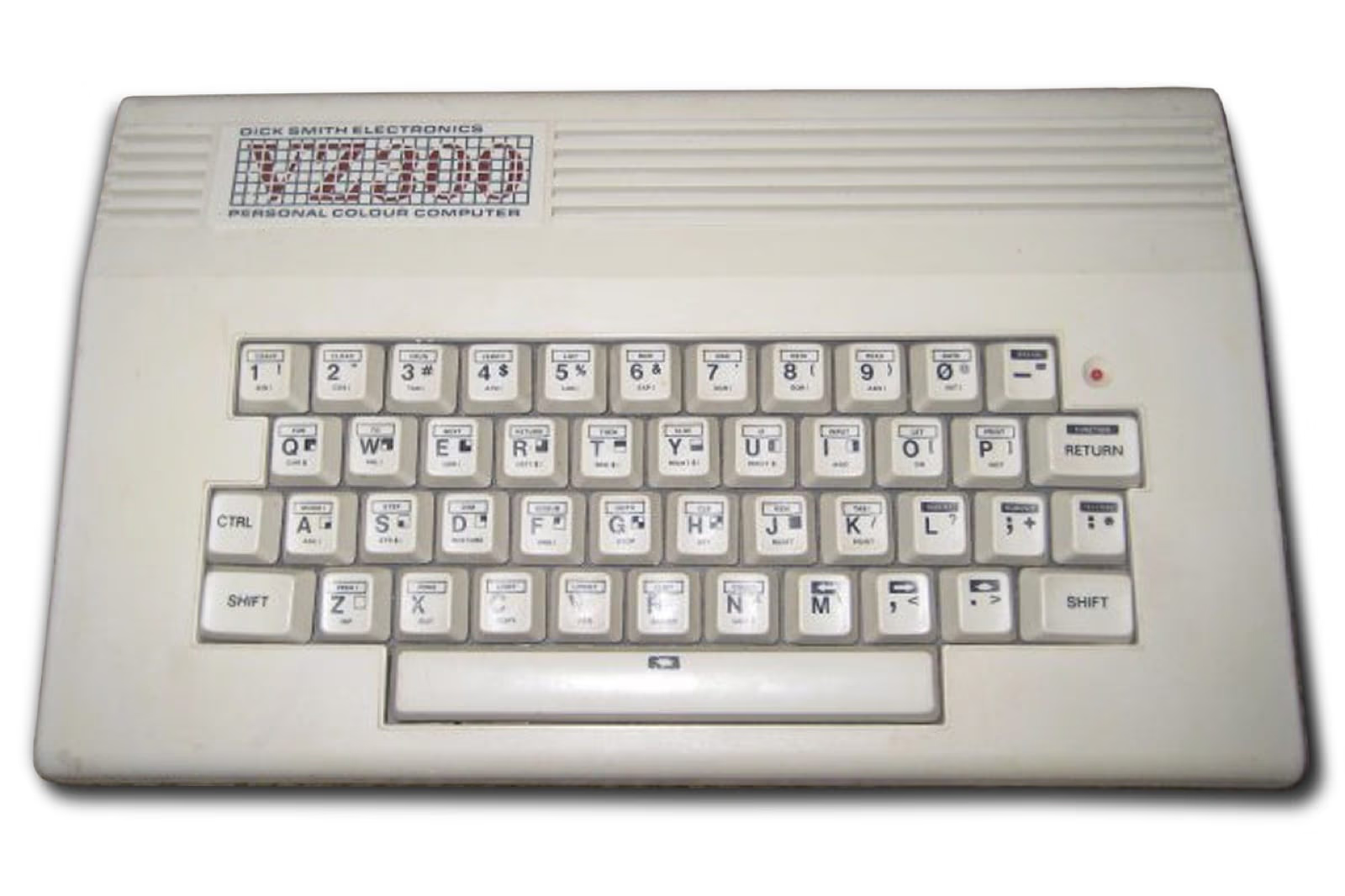
VTech Laser 310 MiSTer Core Gets Tapes, VZ DOS Disks and a Boot Fix
Release 20261118 of MiSTer's VTech Laser 310 core, by Alan Steremberg, adds a tape deck for WAV and CAS files, the VZ DOS floppy interface with two drives, PAL and NTSC timing, and a fix for a bug that kept the previous release from booting on a MiSTer at all.
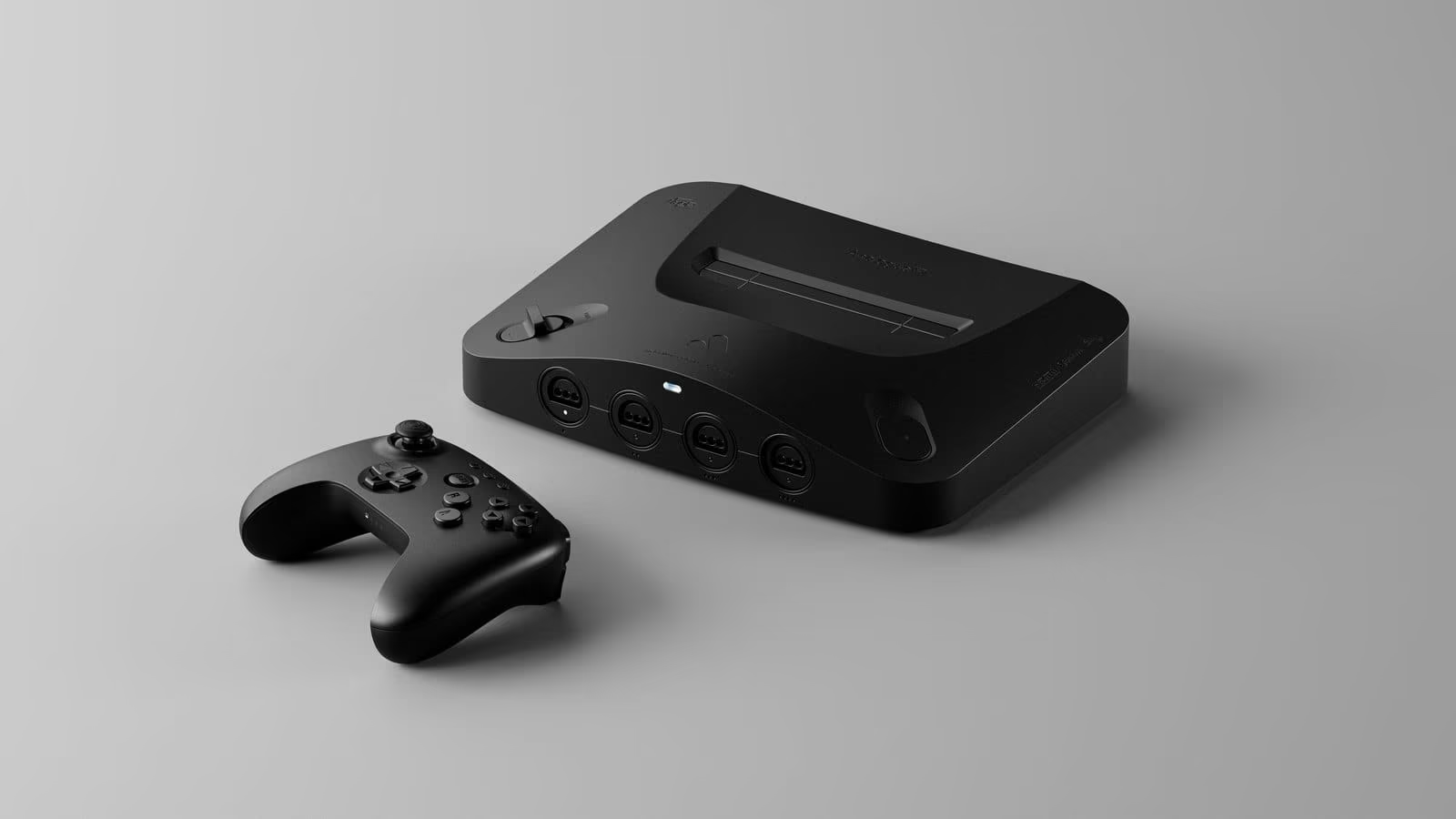
Analogue 3D Firmware 1.6.0 Adds Wi-Fi and Automatic Updates
3Dos 1.6.0, released on 18 November, switches on the Analogue 3D's dual-band Wi-Fi a year after launch, bringing over-the-air updates, network time and opt-in usage analytics.
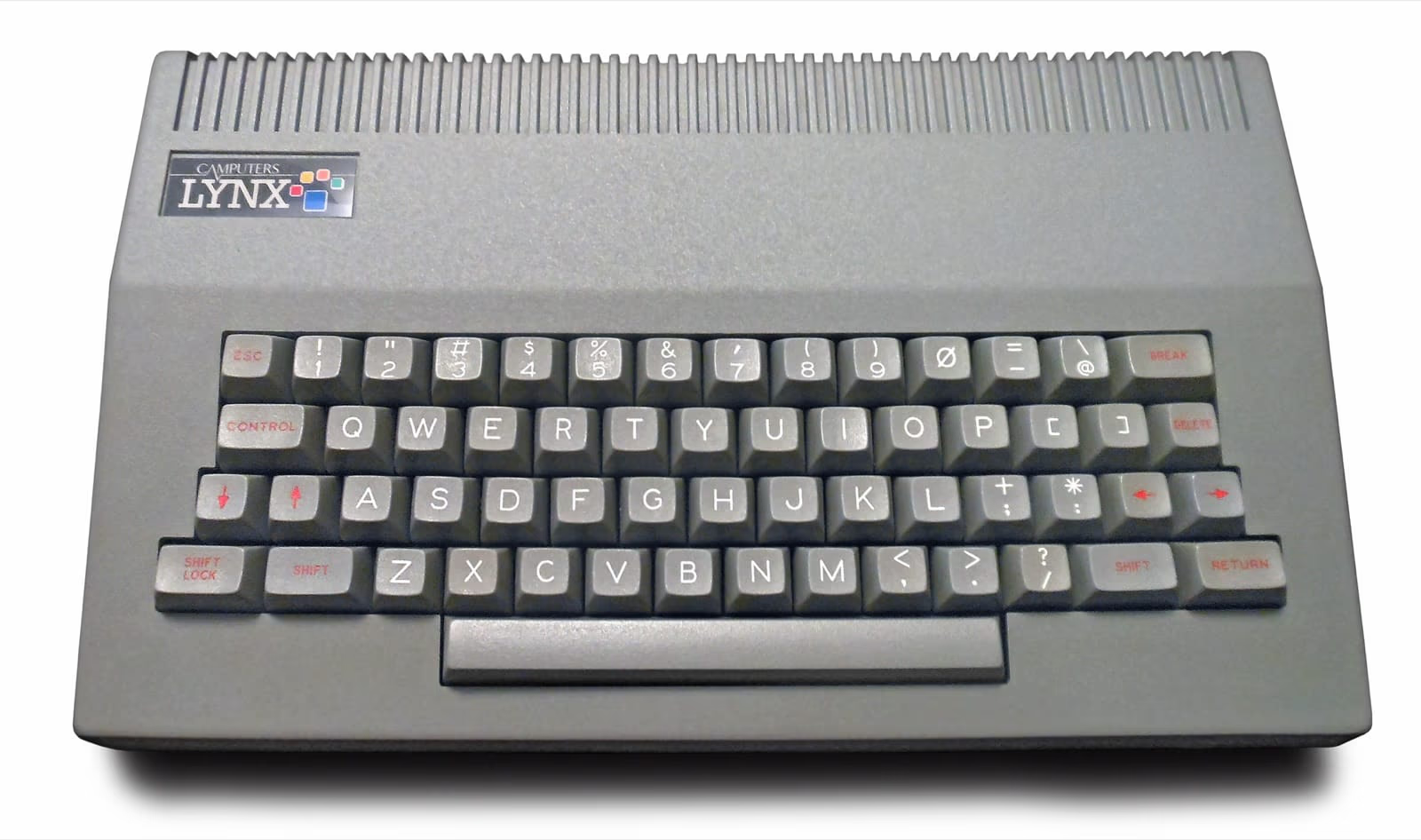
Camputers Lynx MiSTer Core Rebuilt With Disks, TZX Tapes and the 128K
Release 20261118 of MiSTer's Camputers Lynx core moves it onto Kyp's FPGA Lynx machines, covering the 48K, 96K, 96K Scorpion and 128K, and adds the LynxDOS disk interface, TZX and WAV tapes, a 4x tape turbo and on-screen loading hints.