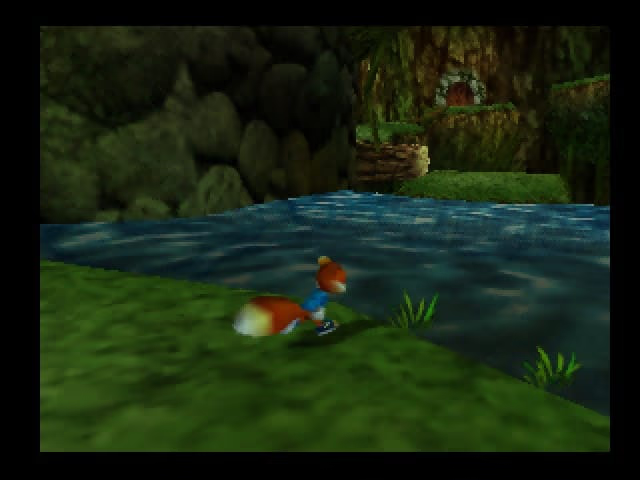
Image: Conker's Bad Fur Day, one of the games fixed in v0.8, screenshot via libretro-thumbnails
MIRLO 64 v0.8 Gives the Analogue Pocket's N64 Core Analogizer Output and a Full Hardware CPU
MIRLO 64, the Nintendo 64 core written from scratch for the Analogue Pocket, reached version 0.8 on 4 November. The release adds analog video output through RndMnkIII's Analogizer adapter, a Restart Game action, a CPU that now runs every instruction and the console's 32-entry TLB in hardware, a more exact RDP, and a Transfer Pak that reads and writes a Game Boy game's own save file from the SD card. It also fixes scenes in Conker's Bad Fur Day, Killer Instinct Gold, The Legend of Zelda: Majora's Mask, Paper Mario and Star Wars: Rogue Squadron.
The developer, who publishes as tortuga, opened the release notes with a note that the pace of the last month is about to slow: "From tomorrow I'll take a break to save Hyrule, so here's a new release. Enjoy!"
What v0.8 changes
The Analogizer support was, in the notes' words, "made in collaboration with RndMnkIII". With the adapter in the Pocket's cartridge slot, a new Analogizer video setting sends the picture out as RGBS, RGsB, YPbPr, Y/C in NTSC or PAL, or RGBHV, the last with optional scanlines at 25, 50 or 75 percent, while the Pocket's own screen stays on. The slot is also where a Game Boy cartridge goes for the Transfer Pak, so the core reads a cartridge's header once at start-up to work out which of the two is fitted; the adapter or cartridge has to be in place before the core starts. Two limits are stated plainly: the MiSTer N64 SNAC adapter is "not compatible with Analogizer", and the Dock is still required for controllers.
The Transfer Pak that v0.7 introduced as a "Virtual Transfer Pak" is renamed Transfer Pak SD and now uses the Game Boy game's own .sav, the same file a Game Boy core on the Pocket keeps in Saves/gbc/common/ or Saves/gb/common/, so a Pokémon save can move between a Game Boy core and Pokémon Stadium without copying files by hand. The old .gbsav1 and .gbsav2 files are no longer used. The notes walk through the Stadium case: start the game, load the Game Boy game with Load Transfer Pak 1, pick Transfer Pak SD under Controller 1 pak, then use Restart Game so the game finds the pak when it boots. To make the saves work, the core had to be advertised to the Pocket as a Game Boy and Game Boy Color core as well.

Under the hood, the CPU gains the VR4300's own 32-entry TLB, so games that run code from mapped pages no longer go through the runtime for it: a refill costs about 130 cycles where it cost about 3,000. The 64-bit instructions (ddiv, ddivu, ldl, ldr, sdl, sdr) are now done by the CPU, "so the runtime emulates no instruction any more". The RDP follows the console's rules for shade, Z, span starts, copy mode, the depth image's dz and noise, checked against a pixel-exact software RDP, and takes 10 to 13 percent fewer cycles on captured graphics tasks with the same output. The notes carry a side note that will matter to FPGA purists: "this core does no HLE (High Level Emulation). Everything is implemented in hardware."
Two settings changed shape because the Pocket shows at most 14 entries in a core's menu: the separate dead zones for the two sticks became one Stick dead zone in steps of 10 percent, to make room for Analogizer video and Restart Game. And Memories (save states) made with v0.7 may not load in v0.8, since a state is made for one version of the runtime.
How it fits
The Pocket, released on 13 December 2021 at $199.99, carries an Altera Cyclone V FPGA with 49,000 logic elements, and gained openFPGA, the ability to load third-party cores from the SD card, with its 1.1 firmware in July 2022. The Nintendo 64 it is being asked to recreate had a 93.75 MHz NEC VR4300 CPU, a 62.5 MHz Reality Coprocessor and 4 MB of RDRAM, 8 MB with the Expansion Pak.
MIRLO 64's README describes a MIPS of the VR4300 class at 93.75 MHz with its FPU, caches and TLB, an RSP that runs the game's own microcode, an RDP that draws the game's own command stream, 8 MiB of RAM with the Expansion Pak removable in settings, and up to four controllers through the Dock. A small runtime, n64rt.sys, loads the game and plays the console's part around it: the PIF, the cartridge, the video and audio events, the saves and the save states. ROMs of up to 64 MiB are supported, with the first 30 MiB held in the Pocket's PSRAM and the rest in SDRAM, and they must be in .z64 format. Rumble Pak is not supported, which the README attributes to a limitation in the Dock.
The design document gives the cost of all that. The device is a Cyclone V 5CEBA4F23C8 and the design fills about 97 percent of its logic, between 17,885 and 17,941 of 18,480 ALMs in the recorded fits, so whether a compile closes timing depends on the fitter's seed; the project keeps a record of seeds that worked and publishes a nightly build only when the compile closes. The README ends with one more line: "This development is AI assisted."
A month of releases
The first public build, v0.1, appeared on 10 October with PAL and NTSC video, Controller and Transfer Pak, and four-player play through the Dock. v0.2 on 16 October lifted the ROM size limit, added 640x240 and 640x480i output and listed GoldenEye 007, Mario Tennis, F-Zero X, Yoshi's Story, Star Wars Episode I: Racer, Beetle Adventure Racing!, Ogre Battle 64, Conker's Bad Fur Day and Starcraft 64 as tested. v0.7 on 31 October brought Sleep and Memories, the first Transfer Pak from SD card and GameShark codes. v0.8 is the ninth release in 25 days, every one of them marked as a pre-release on GitHub.
The Analogizer it now talks to is RndMnkIII's adapter for the Pocket's cartridge port, which outputs 18-bit analog RGB through a VGA connector using an ADV7123 DAC and takes original controllers through SNAC adapters, with support listed for Neo Geo DB15, NES, SNES and PC Engine pads. The current R3 board sells for €59.95 on the maker's store, with cable harnesses for Mega Drive and PC Engine controllers sold separately. Its wiki's table of supported cores, last edited in September, is dominated by jotego's arcade cores and ports of console cores; MIRLO 64's own Analogizer modules were, per its documentation, written for this core from the adapter's pin map rather than taken from another project.
The obvious comparison is the N64 core for MiSTer, which lists Controller Pak, Rumble Pak, Transfer Pak, SNAC and standalone 64DD games among its features and requires SDRAM. MIRLO 64 is not a port of it; the README says the core is "written from scratch in SystemVerilog for the Pocket's Cyclone V FPGA". The site's openFPGA cores guide covers how to install it and what the other experimental cores for the Pocket can do, and the FPGA explainer covers why "no HLE" is a meaningful claim.
What is still unknown
There is no compatibility list. Each release names the games tested for it, with the standing caveat from v0.2 that "Many other games may now work, though I have not done extensive testing and some may show issues." The README's own status line is that the core "is experimental and not every game works." Only controllers 1 and 2 can carry a pak, and controller 2's can only be a Transfer Pak SD. The Analogizer's SNAC controller port is unused by this core, so analog video does not yet mean original controllers. And with the author on a break, the next release has no date.
Sources
- tortugaveloz on GitHub: MIRLO 64 v0.8
- tortugaveloz on GitHub: MIRLO 64: An N64 core for the Analogue Pocket (README)
- tortugaveloz on GitHub: Analogizer support (docs/analogizer.md)
- tortugaveloz on GitHub: The system: memory map, CPU, runtime, saves, controllers, timing and area (docs/mips.md)
- tortugaveloz on GitHub: MIRLO 64 releases
- tortugaveloz on GitHub: MIRLO 64 v0.7
- RndMnkIII on GitHub: Analogizer Specifications
- Analogizer-FPGA: Analogizer-FPGA store
- MiSTer-devel on GitHub: N64 for MiSTer
- Wikipedia: Analogue Pocket
- Wikipedia: Nintendo 64
More News
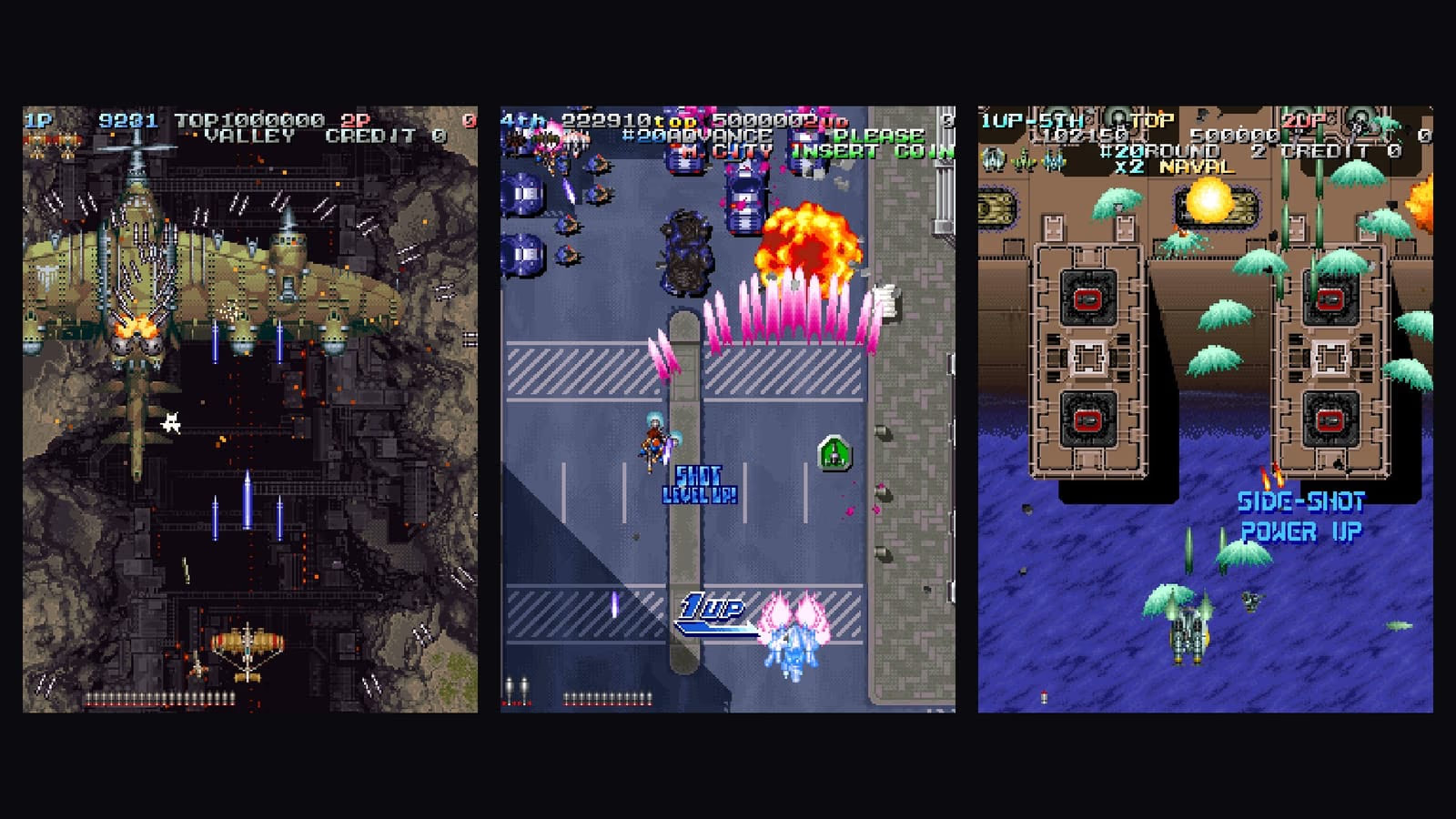
Arcade-RaizingMD Core Brings Battle Garegga and Batrider to MiSTer-devel
A rewritten open source core for Raizing's five Toaplan-based shooters, from Sorcer Striker to Battle Bakraid, was published to the MiSTer-devel organisation on 15 November. Its author says the old code was replaced and retuned against measurements from real boards.
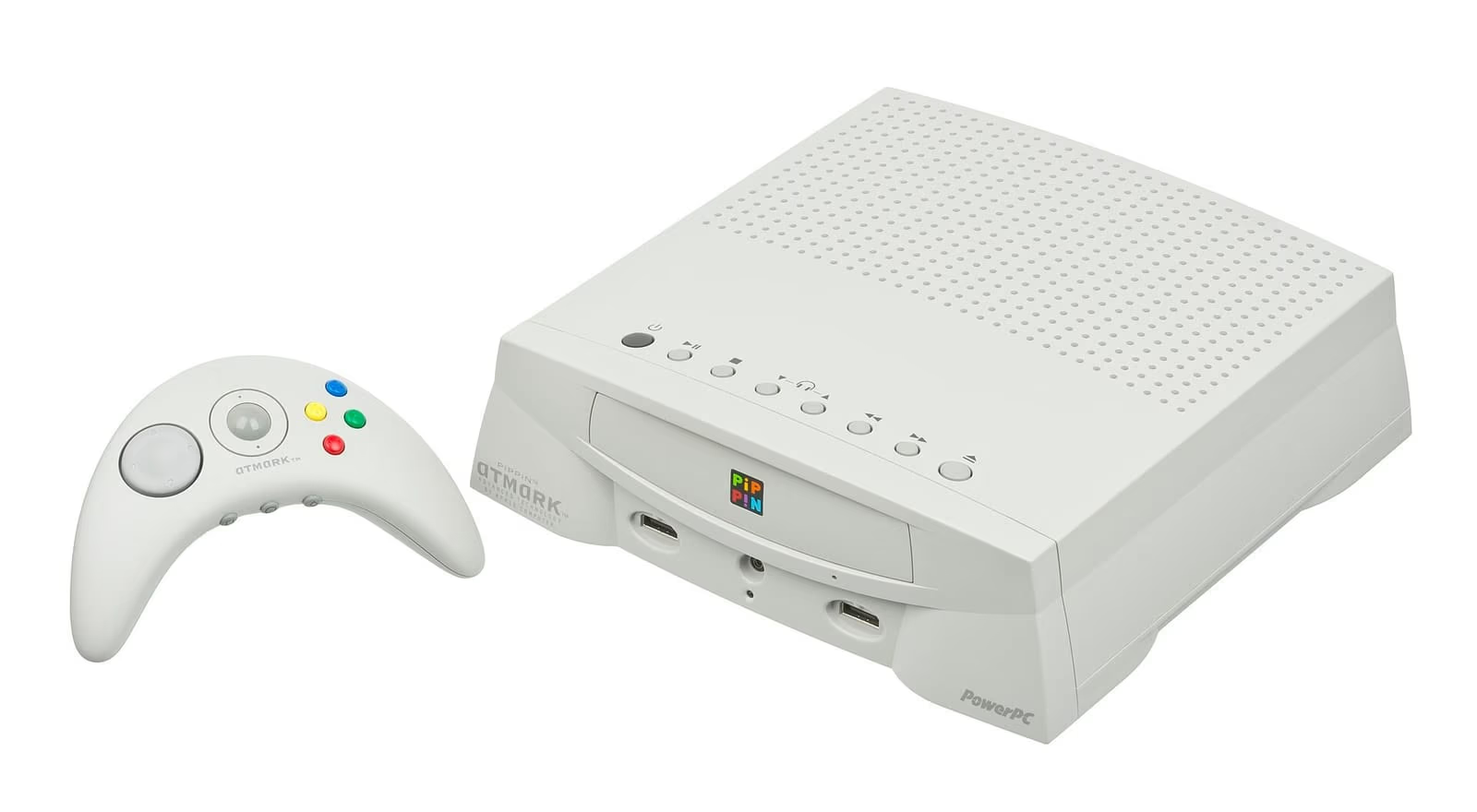
Bandai Pippin Gets a MiSTer Core
Dani Sarfati's BandaiPippin core, published to MiSTer-devel on 14 November, recreates Apple and Bandai's 1996 console down to its PowerPC 603. It boots the Pippin ROMs and four discs to their menus; playing titles through is not yet tested.
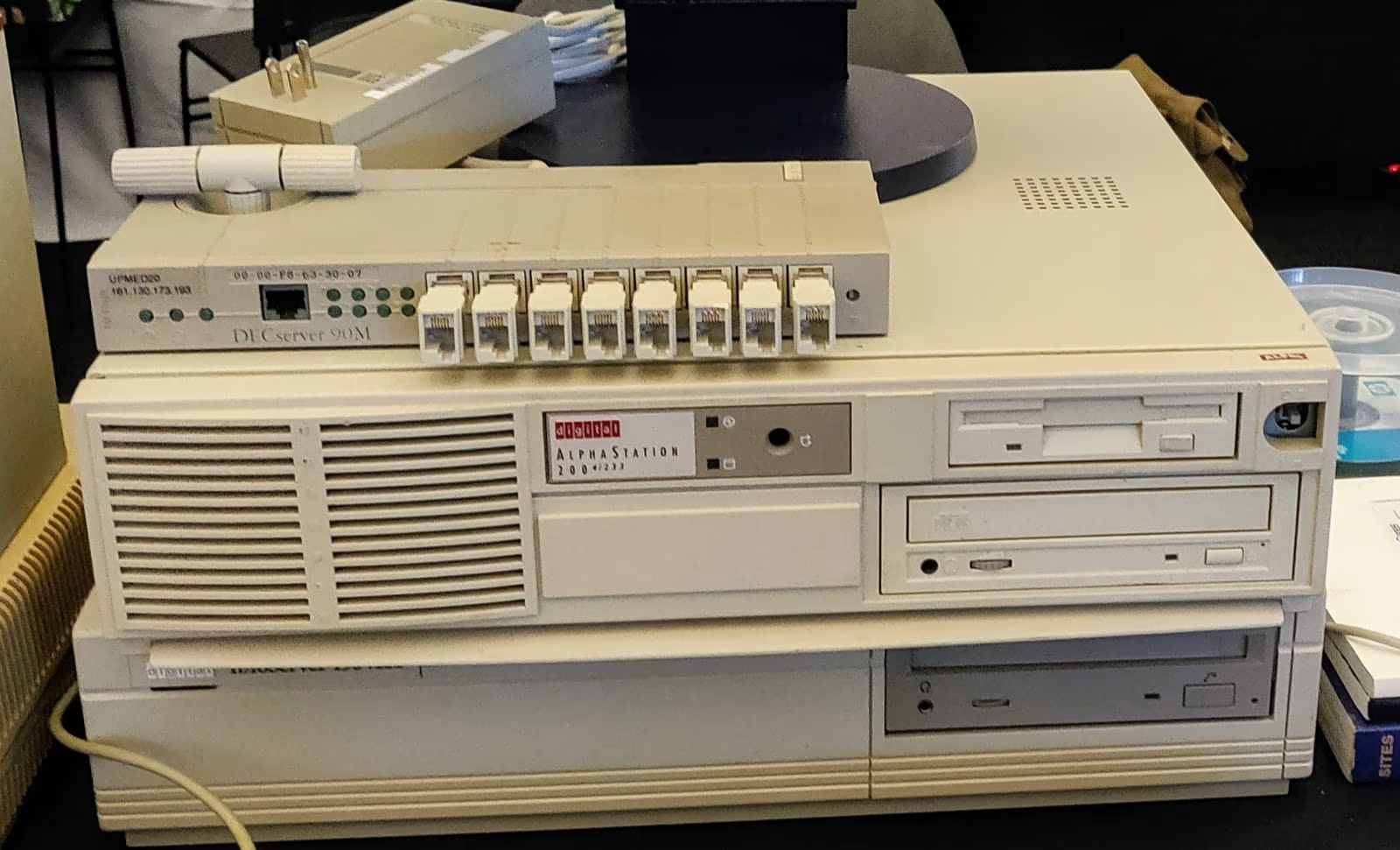
MiSTer Gets a DEC AlphaStation 200 Core That Runs OpenVMS, Tru64 and Windows NT
Dani Sarfati's DECAlphaStation200 core puts DEC's 1995 Alpha workstation on the MiSTer with its own SRM and ARC firmware, and boots OpenVMS, Tru64 UNIX, NetBSD, FreeBSD, Windows NT 4.0 and a Windows 2000 release candidate.