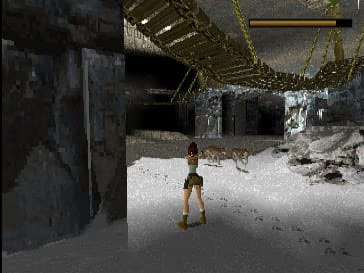
Image: Tomb Raider, one of the two games whose cue-file freeze 0.5.8 fixes, screenshot via libretro-thumbnails
Analogue Pocket PlayStation Core 0.5.8 Fixes Tomb Raider Freezes and Matches Mednafen's Video Decoder
GuardianSoul's PlayStation core for the Analogue Pocket reached version 0.5.8 on 5 November, three weeks after its first public release. The update adds a Restart Game action, fixes Tomb Raider and Tomb Raider II freezing on cue files that have no pregap lines, stops CD music starting late on discs with short or missing gaps between tracks, and swaps in a video decoder that "now produces exactly the same picture as Mednafen's PlayStation video decoder". A second PlayStation core for the Pocket, akoaysigod's pocket_psx_core, put out its own update the same day.
What 0.5.8 changes
Restart Game, under Core Settings, restarts the console with the disc in the drive, "like the PlayStation's reset button". The core's companion game files plugin for pupdate and Pocket Sync moves to 0.1.10 alongside it, with the same disc fixes and a progress display while it runs.
The rest of the list is compatibility and accuracy work. A disc listed on the last line of an .m3u playlist with no line break after it now loads. Writes to main RAM "now take as long as on a real console in more cases", and the GPU's mask bit and overlapping VRAM copies now behave as the console does. The FMV change is the one players will see: colours and fine detail in video scenes "can look very slightly different from 0.5.7", because the decoder's arithmetic now comes from Mednafen by way of Beetle PSX, which the README credits for exactly that purpose. There is also a possible fix for games that sometimes start in the PlayStation's BIOS menu after switching cores: the console now waits until the disc has finished loading instead of a fixed time, though the notes say the bug "is hard to reproduce, so it isn't confirmed yet."
The game files script gains four improvements: self-made .m3u playlists get a game file, two releases of the same multi-disc game (the notes give Parasite Eve II USA and Europe) each get their own, cue files in lowercase or with accented characters are read, and formats the core cannot play are reported instead of silently skipped.
Two known issues are listed. In Bloody Roar II, music can stutter for a couple of seconds after a long time on the pause screen, and the fighters can look see-through for a moment during some attacks. With Turbo Mode off, some games still slow down in busy scenes where a real console does not.

Three weeks of releases
The first public release, 0.5.0 on 15 October, listed Final Fantasy VII, Tekken 3 and Grand Theft Auto (Europe) as playing with FMVs and CD music, with memory card saves per game, up to 19 track files per disc, and only the US SCPH-5501 BIOS tested. Eight releases followed. 0.5.5 on 19 October added an Aspect Ratio setting with a Fill Screen option and a Hide Overscan setting. 0.5.6 on 22 October added Fast BIOS Boot, a second controller through the Dock, faster launches, a 16:9 Fill Screen when docked, and fixed PAL games, which had been running at 50.2 frames a second instead of the console's 49.75. 0.5.7 on 29 October added Turbo Mode, off by default, which removes the console's memory, CPU and DMA wait states so games such as Bloody Roar II and Crash Bandicoot run faster than on a PlayStation in busy scenes, with the warning that a game depending on exact timing "can misbehave with it on". The same release made Controller Mode Digital stay digital even when a game asks for analog, after Parasite Eve was found switching the pad by itself and then ignoring the D-pad, and began line-doubling 480i screens such as Tekken 3's menus.
Setting up remains involved. The core needs a BIOS dumped from the player's own console, discs as .cue and .bin files each in their own folder under Assets/playstation/common/, and a generated game file per game from the plugin, which is what gives multi-disc games Swap Discs and a single shared memory card. European LibCrypt discs such as Ape Escape and Crash Team Racing also need their .sbi file. CHD images cannot be played directly: decompressing them while a game runs needs "either a separate processor, which the Pocket doesn't have, or room on the Pocket's chip, which the PlayStation core already fills", so the plugin converts them.
Who made it, and how
The README is direct about its origins. The core is "built on the MiSTer PSX core", credited to Robert Peip (FPGAzumSpass) and contributors, with the GTE from Romain Piquois's PS-FPGA project, the memory layout, SDRAM wiring and memory card slot setup from akoaysigod's pocket_sotn, the video decoder arithmetic from Mednafen through Beetle PSX, and Olof Kindgren's SERV as a small RISC-V CPU. Under the heading "How this was made" it says: "This core was written with heavy use of AI coding assistants. OpenAI Codex and Anthropic Claude wrote most of the new HDL, build scripts, tests and documentation. A human maintainer directed the work, made the design decisions and tested every build on real hardware." It adds that AI-written changes are checked by simulation against the upstream cores and by hardware tests, "Even so, review it with that origin in mind."
The MiSTer PSX core it descends from has been in the MiSTer-devel organisation since December 2021. The Pocket it now runs on, released on 13 December 2021 at $199.99, carries an Altera Cyclone V FPGA with 49,000 logic elements, and it is the fullness of that chip, not the CPU, that decides what a PlayStation core can and cannot include.
The other PlayStation core
akoaysigod's pocket_psx_core takes a different route to the same board. Its README describes it as "made by trimming the MiSTer PSX core until it fits the Pocket's FPGA", a Cyclone V 5CEBA4F23C8 with 18,480 ALMs, 308 M10K blocks and 66 DSPs, with the trims chosen using Symphony of the Night as the test game, so "other games may use features that were removed." It is based on the MiSTer core at a commit from 21 August 2026. Its 0.3 release on 1 November added save states, and 0.3.1 on 5 November sends 240 lines every NTSC frame to fix junk on the bottom line of the picture.
GuardianSoul's README credits pocket_sotn, akoaysigod's earlier single-game project, for the memory and SDRAM wiring, so the two cores share ancestry even as they diverge. GuardianSoul's compatibility page sorts reports into Playable, Minor issues, Major issues, Boots and Doesn't boot, with the README's summary being that "most games tried so far play with sound, FMVs and CD music. Some may still glitch or not boot."
The site's openFPGA cores guide covers installing either core and the rest of the Pocket's experimental 32-bit line-up, and the FPGA explainer covers what porting a core between two FPGAs of different sizes involves.
What is still unknown
The compatibility page is built from user votes and the release notes give no count, so how many of the library's games are playable is not stated anywhere. The second controller is marked "untested" in the 0.5.6 notes. The BIOS-menu fix is unconfirmed by the author's own account. And with the core at 0.5.8 after nine releases in 21 days, the next build is likely close, but no date has been given.
Sources
- GuardianSoul on GitHub: PlayStation 0.5.8
- GuardianSoul on GitHub: PlayStation core for Analogue Pocket (README)
- GuardianSoul on GitHub: openfpga-PlayStation releases
- GuardianSoul on GitHub: PlayStation 0.5.7
- GuardianSoul on GitHub: PlayStation 0.5.6
- GuardianSoul on GitHub: PlayStation 0.5.0
- GuardianSoul on GitHub: PlayStation game files plugin
- akoaysigod on GitHub: PSX core on the Analogue Pocket (pocket_psx_core)
- akoaysigod on GitHub: pocket_psx_core releases
- MiSTer-devel on GitHub: PSX for MiSTer
- Wikipedia: Analogue Pocket
More News
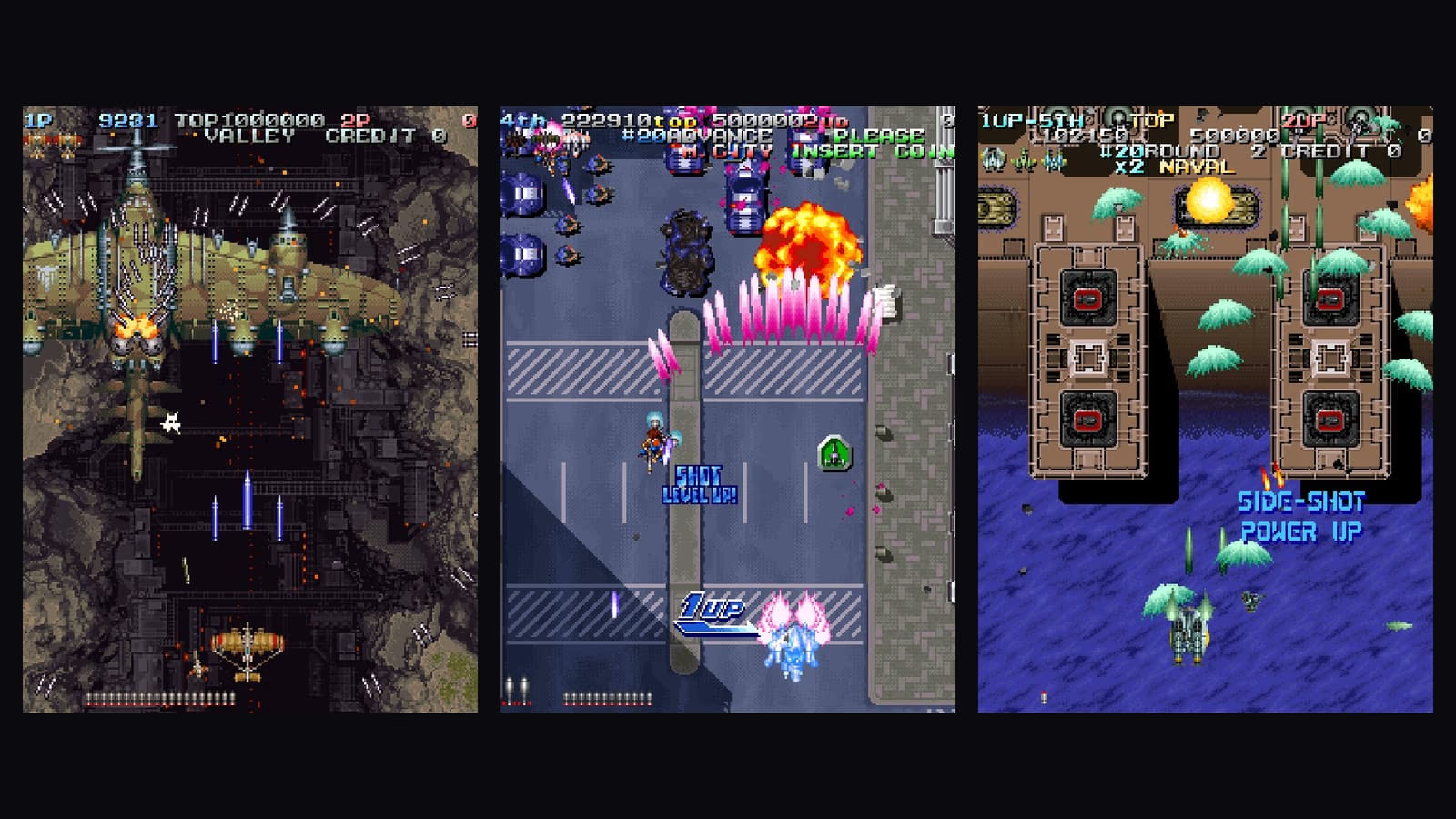
Arcade-RaizingMD Core Brings Battle Garegga and Batrider to MiSTer-devel
A rewritten open source core for Raizing's five Toaplan-based shooters, from Sorcer Striker to Battle Bakraid, was published to the MiSTer-devel organisation on 15 November. Its author says the old code was replaced and retuned against measurements from real boards.
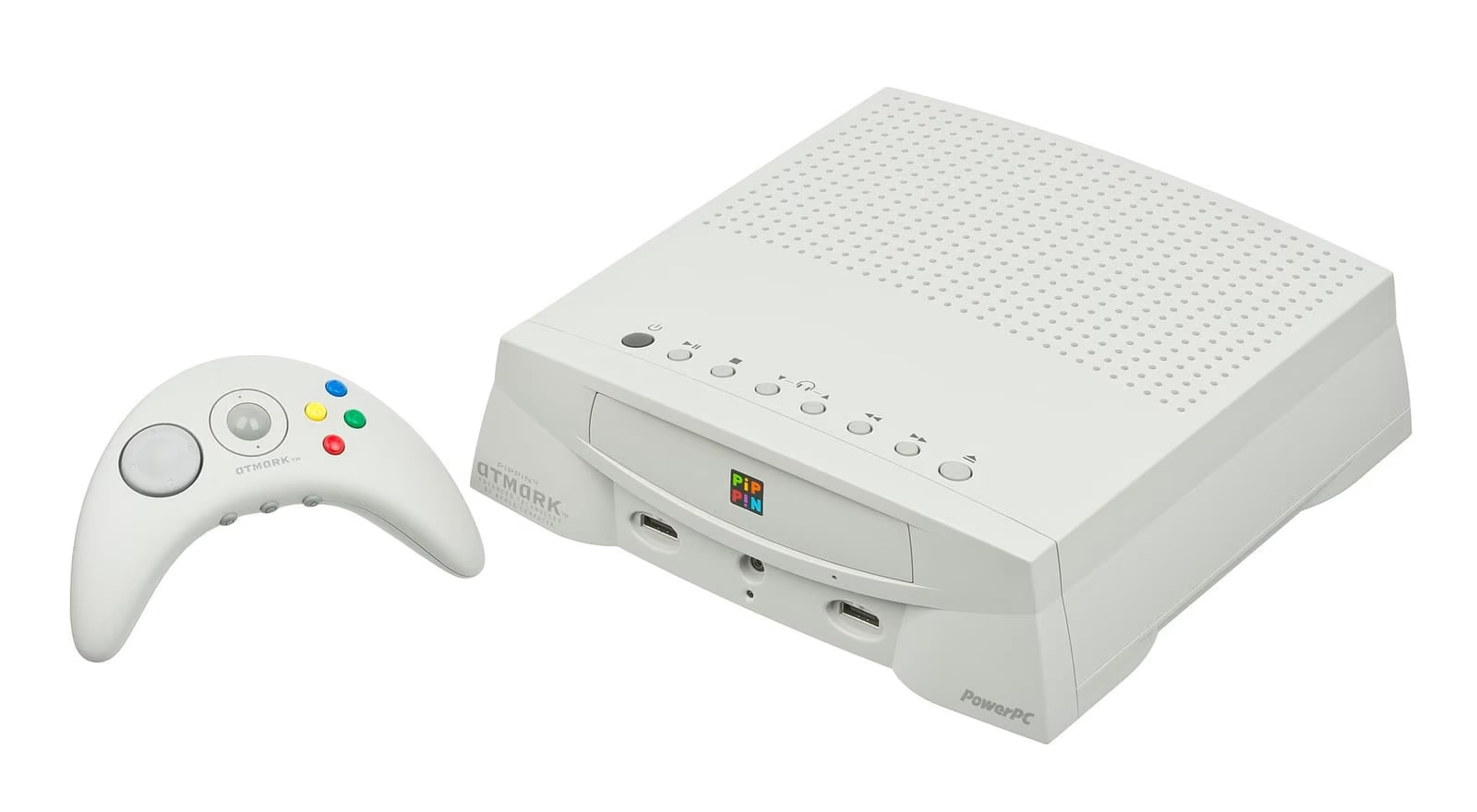
Bandai Pippin Gets a MiSTer Core
Dani Sarfati's BandaiPippin core, published to MiSTer-devel on 14 November, recreates Apple and Bandai's 1996 console down to its PowerPC 603. It boots the Pippin ROMs and four discs to their menus; playing titles through is not yet tested.
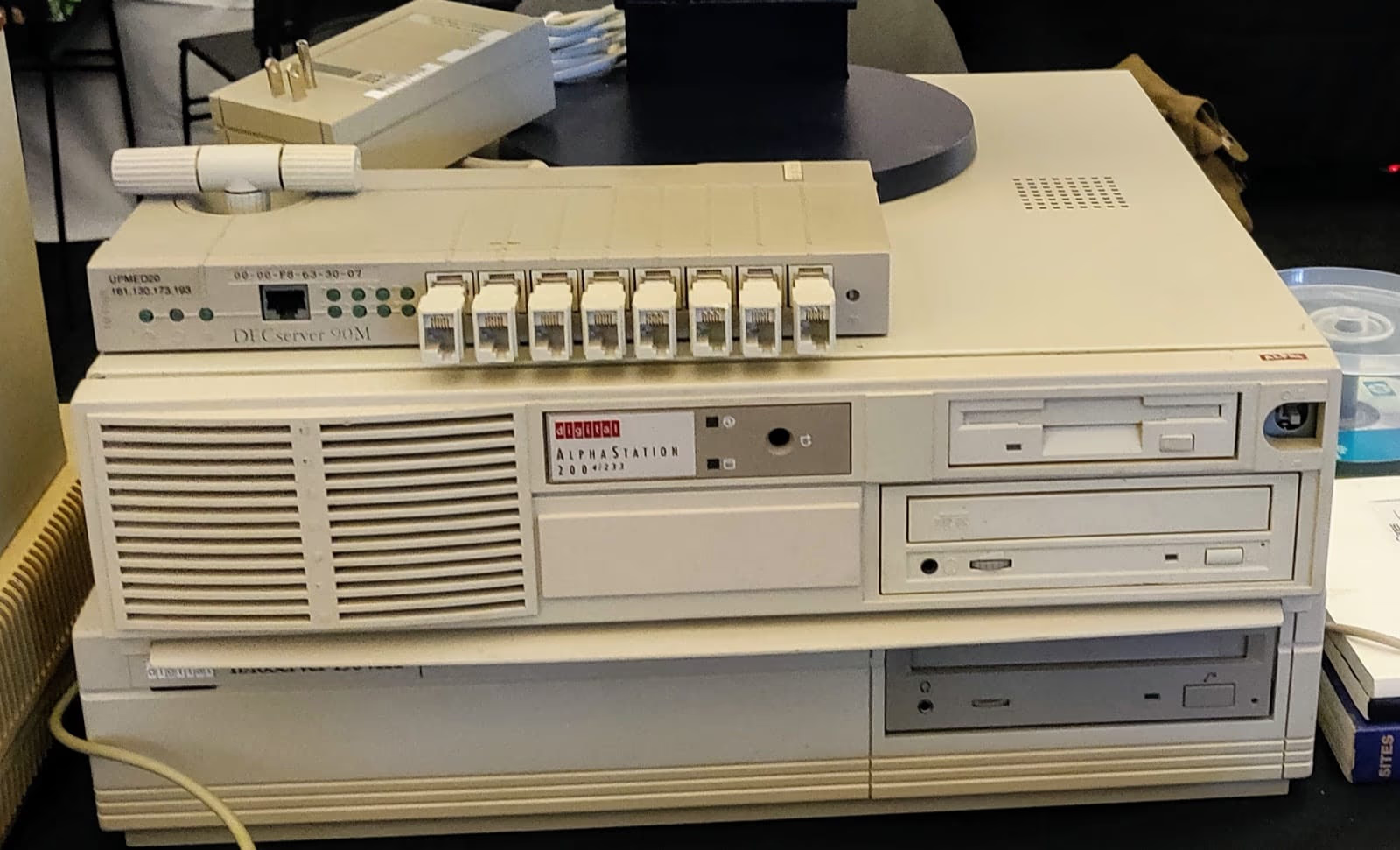
MiSTer Gets a DEC AlphaStation 200 Core That Runs OpenVMS, Tru64 and Windows NT
Dani Sarfati's DECAlphaStation200 core puts DEC's 1995 Alpha workstation on the MiSTer with its own SRM and ARC firmware, and boots OpenVMS, Tru64 UNIX, NetBSD, FreeBSD, Windows NT 4.0 and a Windows 2000 release candidate.