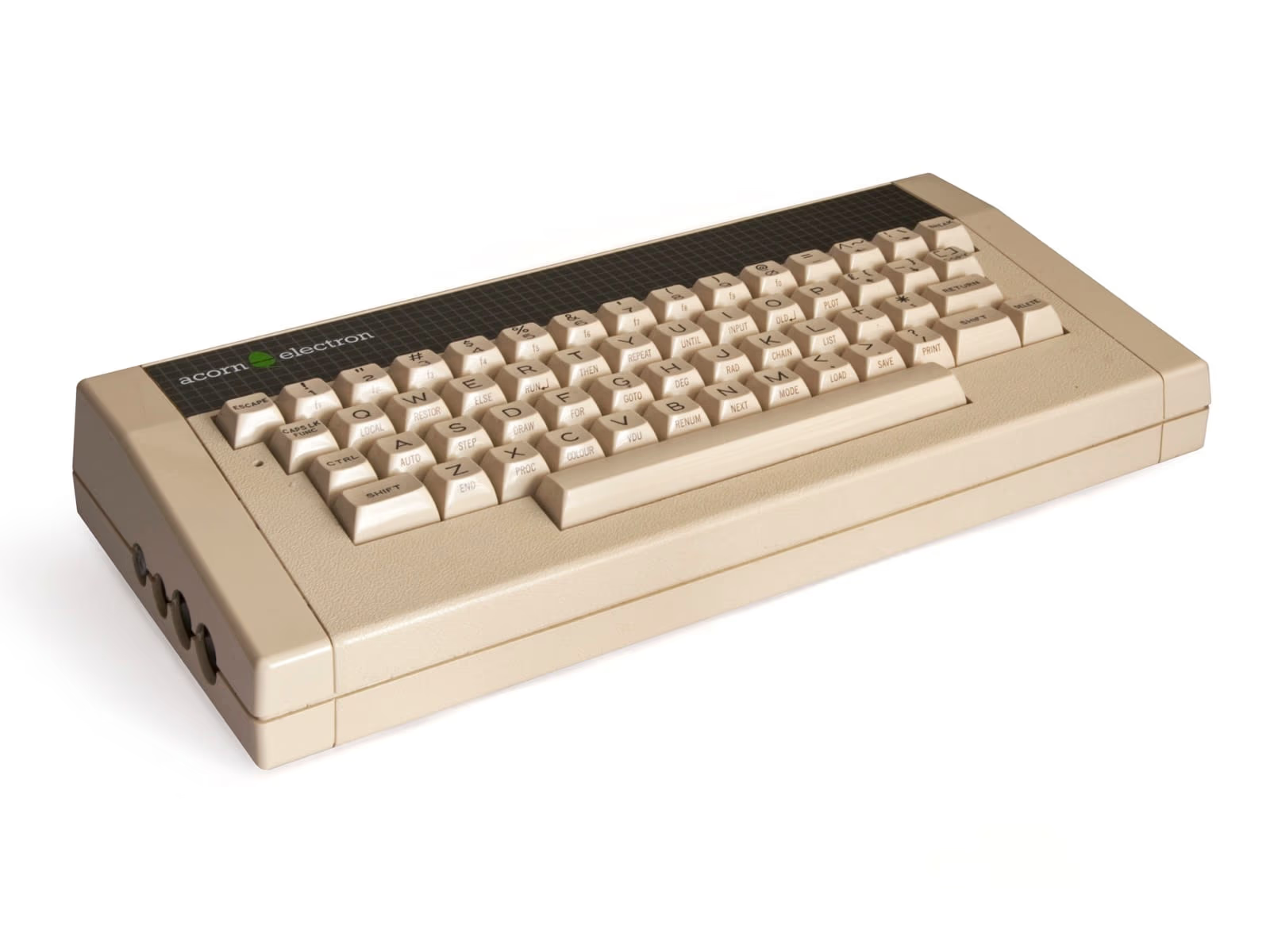
Image: Acorn Electron, photo: Bilby, CC BY 3.0, Wikimedia Commons
Acorn Electron MiSTer Core Gets Plus 3 Discs, Cartridges and Mode 7
Two pull requests by Alan Steremberg, merged on 12 and 15 November, have rebuilt MiSTer's Acorn Electron core, which apart from framework updates had barely changed since 2022. They add turbo tape loading that reads gzipped UEF files, the Plus 1's two cartridge sockets, the JAFA Mode 7 teletext board, Plus 3 floppy drives that take both ADFS and DFS disc images, and the Sound Expansion cartridge. The second of them produced AcornElectron_20261114.rbf, which reached the _Computer folder of the MiSTer distribution on 16 November. The previous release, AcornElectron_20250930.rbf, was a framework update.
What changed
The first pull request, merged on 12 November, carried 20 commits and released AcornElectron_20261111.rbf. It updated the core's framework to Template_MiSTer e901a9f, so the on-screen menu now has the standard layout with joysticks, resets, function keys and Load ROM. It rebased the core's ULA, the Electron's custom chip, on the upstream ElectronFpga project.
It also fixed bugs in the emulated Plus 1 interface. The joystick fire button read as held when idle, so in Boxer the player's boxer punched continuously. A user had reported exactly that in May 2025 as issue #2, and the pull request closed it. A change to the Plus 1's ROM latch, which now ignores writes to &FE05 with bits 4 to 7 set, fixes crashes in the Flappy Bird and Stairway to Hell loaders.
The second pull request, merged on 15 November, added DFS discs for the Plus 3, the Sound Expansion cartridge and an update of the T65 processor core to version 315, and released AcornElectron_20261114.rbf. It also made SHIFT-BREAK hold SHIFT until the operating system has read it; before this change, according to the pull request, Plus 3 discs did not boot reliably.
Tapes at eight times speed
Tape loading has a new UEF player that also plays gzipped UEFs, so files from the Stairway to Hell archive load as they are. The README describes how the turbo works: with Tape speed at its default of 8x, "While the cassette motor runs, the tape and the machine run 8 times faster, so the loader sees exactly what it expects". When the motor stops, the machine returns to normal speed. A Normal setting is still there.
An optional overlay shows the tape's elapsed and total time and a progress bar. Times are in tape time at 1200 baud, so, per the README, a 3:42 tape loads in under 30 seconds. The core now boots into the MMC game menu; F10 drops to the BASIC prompt, where *TAPE and CHAIN"" load most games.
Cartridges and the Sound Expansion
!The Plus 1 fits on the back of the Electron and carries the two cartridge slots that the core's Cartridge 1 and Cartridge 2 menu rows now stand in for. Photo: Bilby, CC BY 3.0, Wikimedia Commons. Acorn's Plus 1 added two ROM cartridge slots, a four-channel analogue interface and a Centronics parallel port, for £59.90.
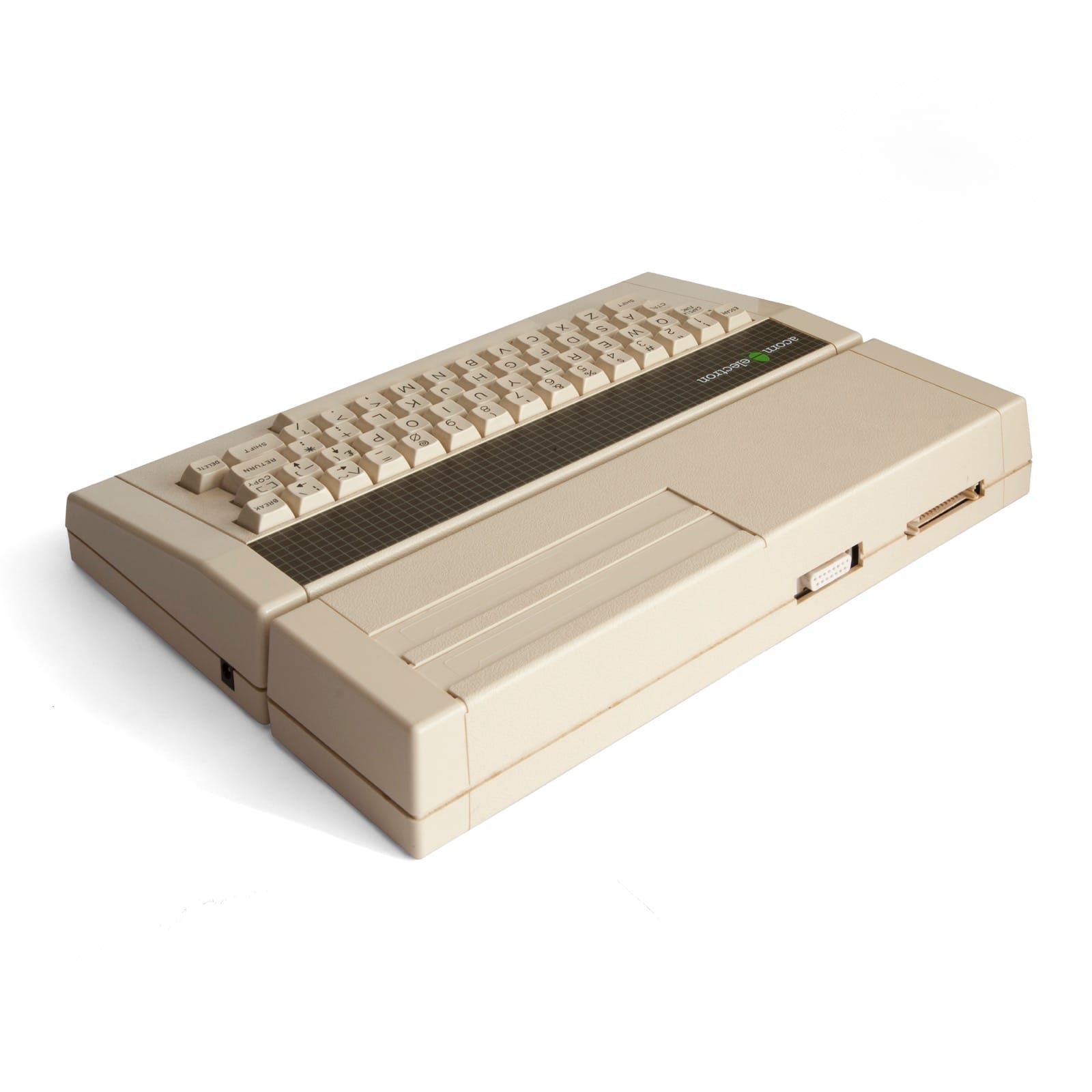
The menu's Cartridge 1 and Cartridge 2 rows are the Plus 1's two sockets. A 16 KB .rom or .bin fills the first ROM of a socket and a 32 KB file fills both, and loading one resets the machine so the operating system finds it. Some cartridges, including Logo, Pascal, LISP, Stop Press, Starship Command and Countdown to Doom, come as two 16 KB files in MAME's sets. They need both halves, either one in each socket or joined into a single 32 KB file. With only one half, the README notes, Logo answers *LOGO with "Card?".
Language cartridges are entered with commands such as *LOGO or *WORD for View, and most Acornsoft game cartridges run from the ROM filing system with *ROM. Cartridges with their own hardware, such as RAM or flash boards or the Mega Games Cartridge, do not work.
The one exception is the Sound Expansion, which has its own switch on the Audio page. It models the Project Expansions and Complex Software Systems cartridge: an SN76489 sound chip, the same one as the BBC Micro, plus 8 KB of RAM in the Cartridge 1 socket. With the cartridge's ROM loaded and *SDON typed, SOUND and ENVELOPE play with BBC-style pitches and four channels. Versions 2.0 and 3.0 of the ROM work. Version 1.00 does not, because, as the README explains, it only runs when exactly two ROMs use the 100 Hz poll, and the core's ROM set differs.
Mode 7 and the Plus 3
The Electron never had the BBC Micro's teletext mode. The core now includes the JAFA Mode 7 board, a 6845 display controller and an SAA5050 teletext chip, with its ROM in slot 15. After *MODE7ON and BREAK, MODE 7 gives 40 by 25 characters with colour codes, graphics and double height, interlaced as on a BBC. Version 1.91 of the JAFA ROM is patched: it added a byte at &0290 to the 6845's vsync position, but the core's MMFS uses that address as workspace, so with an SD card the picture lost vsync and went black.
!The PRES Advanced Plus 3, a later third-party disc interface for the Electron. The core's DFS is the ROM from the Advanced Plus 3 cartridge, and its ADFS is the PRES release. Photo: ThomasHarte, public domain, Wikimedia Commons. The Advanced Plus 3 was a Plus 1 cartridge interface built around the WD1770, the same floppy controller the core now models.
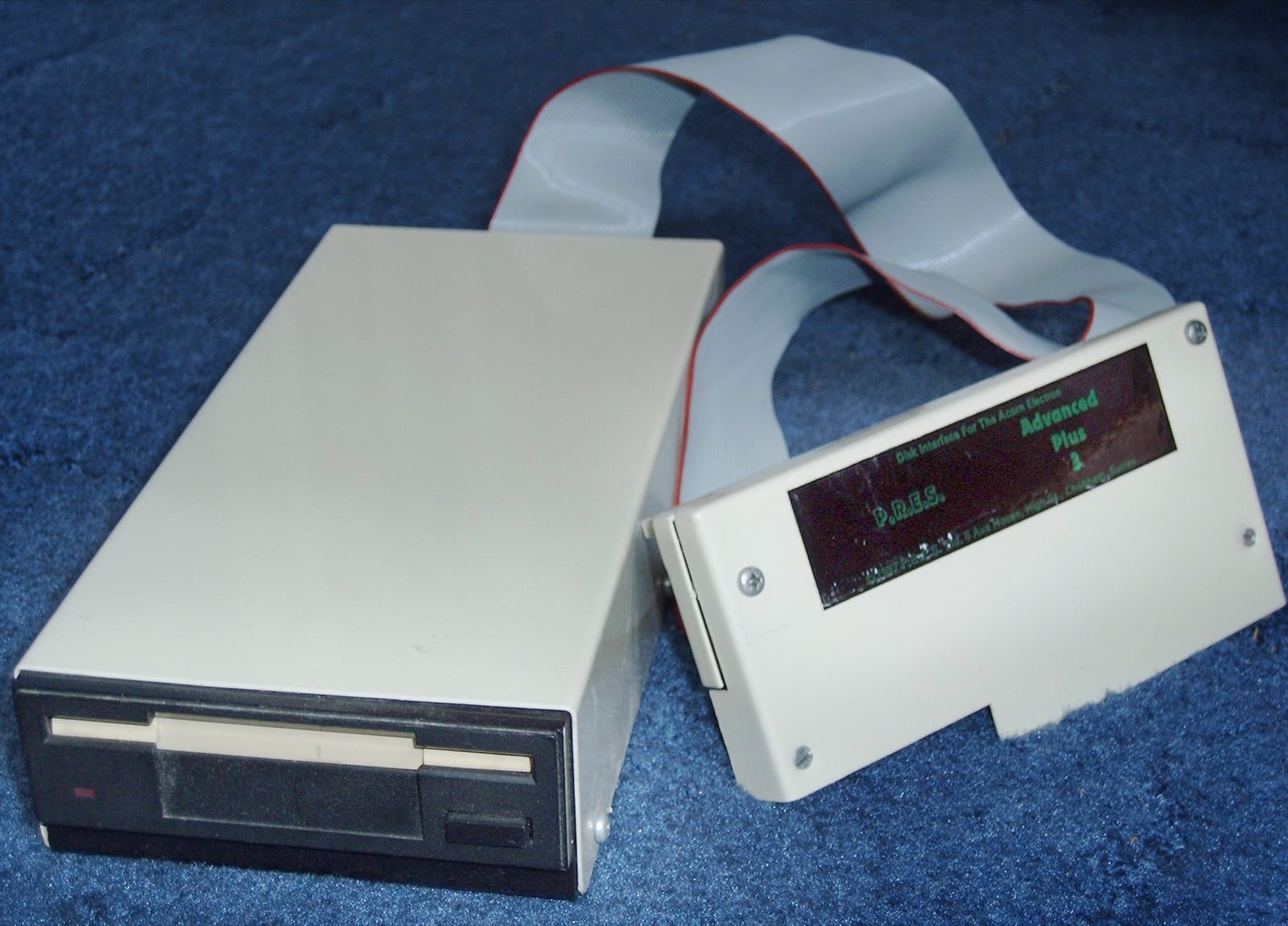
The Plus 3 adds a WD1770 floppy controller and two drives, switched on from the Machine page. It reads and writes .adf and .adm (ADFS S and M, 160 KB and 320 KB), .adl (ADFS L, 640 KB), and DFS .ssd and .dsd images, working out the format from the image itself. Two filing systems are built in: PRES ADFS 1.15 and ACP 1770 DFS 2.20, the Advanced Plus 3 cartridge's DFS, with the 4 KB of workspace RAM it needs. The disc in drive 0 at BREAK decides which one takes over, so mounting a disc and pressing SHIFT-BREAK boots it. *SAVE, *COMPACT and *FORM write back to the image.
How it was tested
The repository now has a Verilator simulation with 40 regression tests covering boot, joysticks, every screen mode, cartridges, tapes and Plus 3 ADFS and DFS, all passing according to the second pull request. Both pull requests also list tests on MiSTer hardware, among them Flappy Bird and Boxer from tape, Hopper as a ROM cartridge, the Plus 3 Welcome disc and Sound Expansion audio over HDMI. Both pull request descriptions end with a line saying they were generated with Claude Code.
Who is behind it
The README credits the port to David Wood (oldgit), working from ElectronFpga by David Banks and Mike Sterling. ElectronFpga, whose repository dates from 2015, implements the Electron's ULA in FPGAs and already listed JAFA Mode 7 and SD card access with MMFS among its features. The MiSTer repository's history shows Steremberg made the core's first release on 14 January 2022 and its cassette support that February. The same week Steremberg also released a new version of MiSTer's Acorn Atom core, which Cart & Pixel covered in the Atom core's tape deck and GODIL video release.
The machine
Acorn introduced the Electron on 25 August 1983 at £199 as a lower-cost alternative to the BBC Micro. Most of the BBC's logic went into a single 2,400-gate ULA, cutting the chip count from 102 on the BBC Micro's board to something like 12 to 14. The cuts showed: the Electron had 32 KB of RAM, a 6502A that ran at 2 MHz from ROM but 1 MHz from RAM, one sound channel instead of three plus noise, and no teletext Mode 7. The Mode 7 board and the Sound Expansion were later add-ons that put two of those back. Production was effectively discontinued as early as 1985. The Centre for Computing History records that the price was later cut to £129.99 and that the Electron became, at its peak, the third best selling micro in the United Kingdom.
Its add-ons came in stages. Acorn's Plus 3, launched in late 1984 at £229, held a disc interface and a 3.5 inch drive using ADFS. Jafa Systems released its Mode 7 Mark 1 Display Unit, built on the same 6845 and SAA5050 chips the core uses, in 1987 at £89. Project Expansions announced the Sound Expansion in 1987 at around £40, and Complex Software later sold a product of the same name.
What is not known yet
The README still carries David Wood's original note that on start-up the user may need Ctrl-BREAK to clear garbage on the screen, marked "fix me", and it is not clear whether that still applies. Many .ssd files are cut short after the last used sector, and since MiSTer does not grow the file, writes past its end are lost unless the image is padded first. First Byte joystick reads are off while the Plus 3 is on, since both use the same address. There is no changelog beyond the pull requests.
New to MiSTer? Which MiSTer to buy and how to set it up covers the hardware, Update All and installing cores.
Sources
- MiSTer-devel on GitHub: AcornElectron_MiSTer: Acorn Electron port for MiSTer (README)
- MiSTer-devel on GitHub: Sys update, Plus 1 fixes, tape (UEF/gzip/turbo), Plus 1 cartridges, Mode 7, Plus 3 ADFS, Verilator sim (#5)
- MiSTer-devel on GitHub: Plus 3 DFS (.ssd/.dsd), Sound Expansion cartridge, T65 315, Release 20261114 (#6)
- MiSTer-devel on GitHub: Unexpected behaviour is certain games. Possible controller emulation issues. (#2)
- MiSTer-devel on GitHub: AcornElectron_MiSTer releases folder
- MiSTer-devel on GitHub: AcornElectron_MiSTer commit history
- MiSTer-devel on GitHub: Acorn Electron Verilator simulation (vsim README)
- MiSTer-devel on GitHub: Distribution_MiSTer, _Computer folder
- hoglet67 on GitHub: ElectronFpga
- MiSTer-devel on GitHub: Release 20261111: tape deck, GODIL video/VGA80, exact clock, keyboard and 8255 fixes, Verilator sim (#9)
- Wikipedia: Acorn Electron
- Centre for Computing History: Acorn Electron
More News
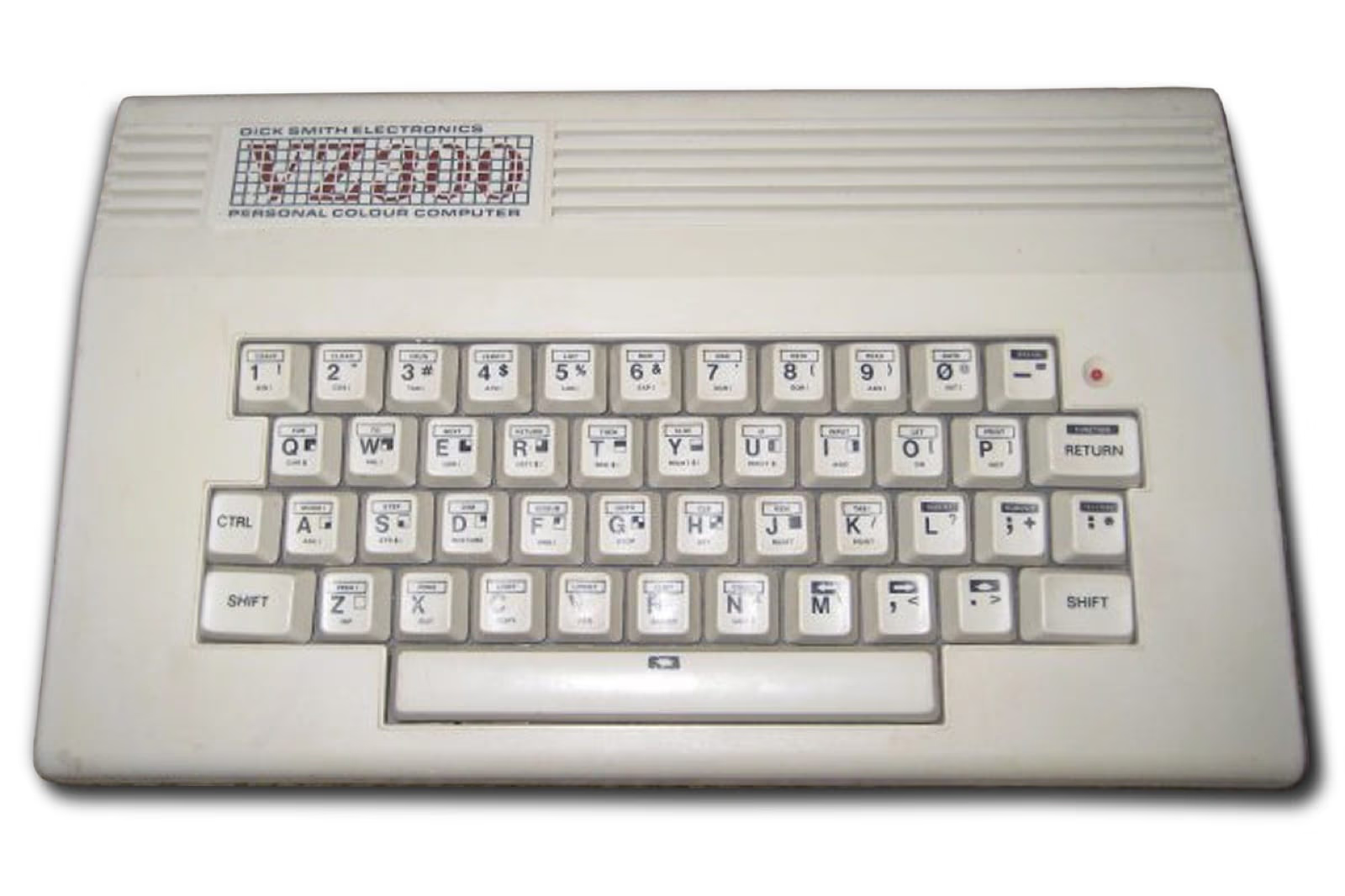
VTech Laser 310 MiSTer Core Gets Tapes, VZ DOS Disks and a Boot Fix
Release 20261118 of MiSTer's VTech Laser 310 core, by Alan Steremberg, adds a tape deck for WAV and CAS files, the VZ DOS floppy interface with two drives, PAL and NTSC timing, and a fix for a bug that kept the previous release from booting on a MiSTer at all.
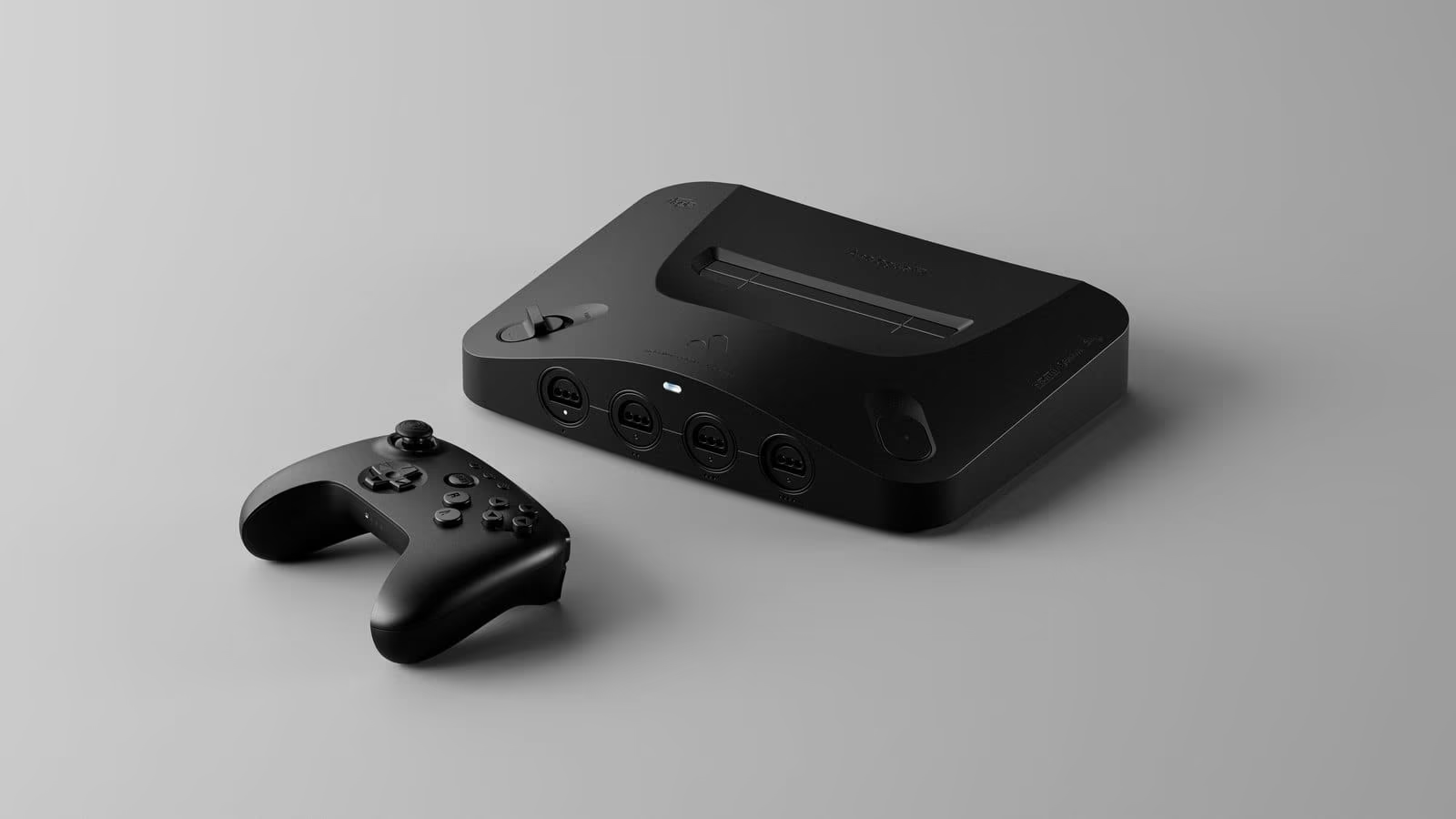
Analogue 3D Firmware 1.6.0 Adds Wi-Fi and Automatic Updates
3Dos 1.6.0, released on 18 November, switches on the Analogue 3D's dual-band Wi-Fi a year after launch, bringing over-the-air updates, network time and opt-in usage analytics.
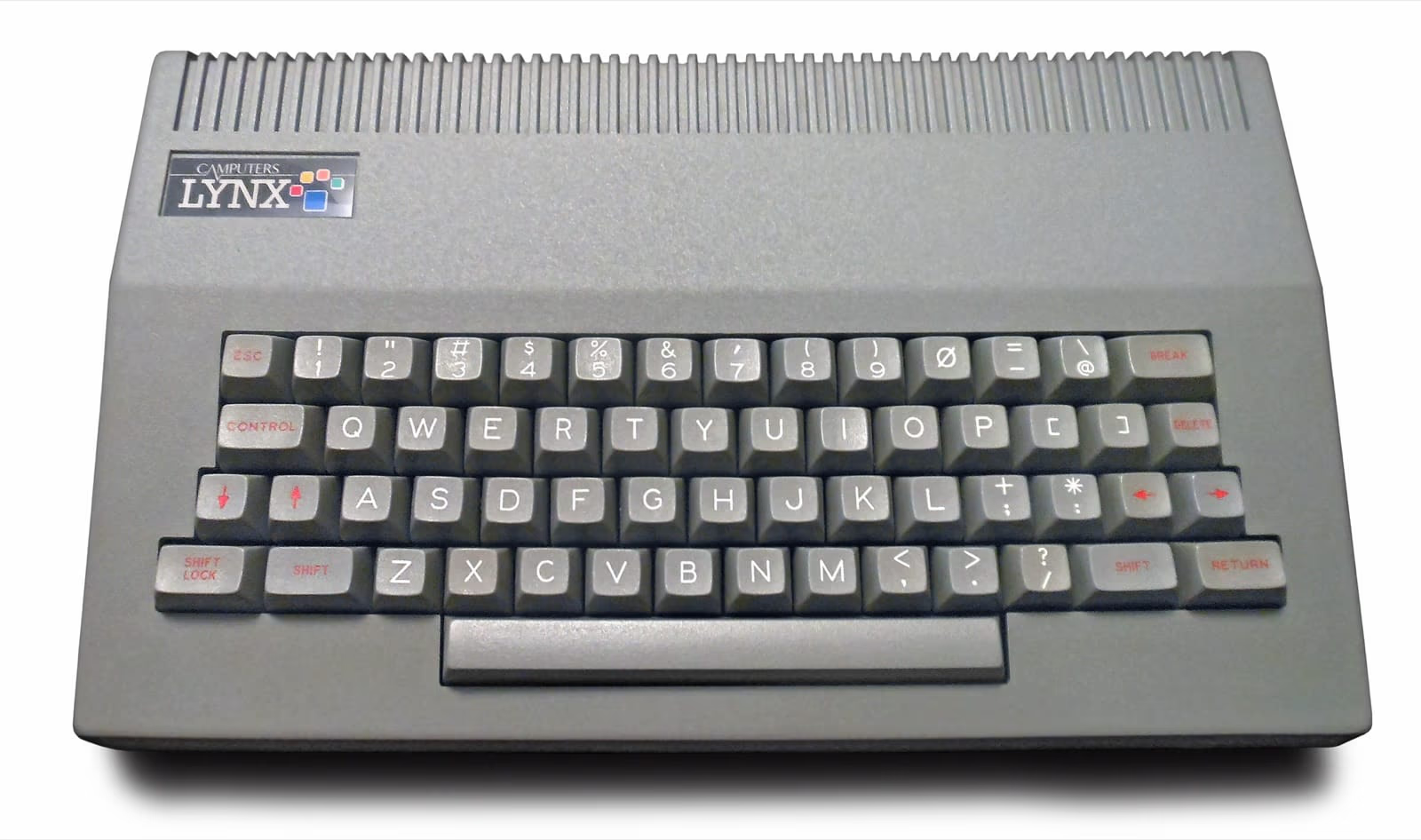
Camputers Lynx MiSTer Core Rebuilt With Disks, TZX Tapes and the 128K
Release 20261118 of MiSTer's Camputers Lynx core moves it onto Kyp's FPGA Lynx machines, covering the 48K, 96K, 96K Scorpion and 128K, and adds the LynxDOS disk interface, TZX and WAV tapes, a 4x tape turbo and on-screen loading hints.