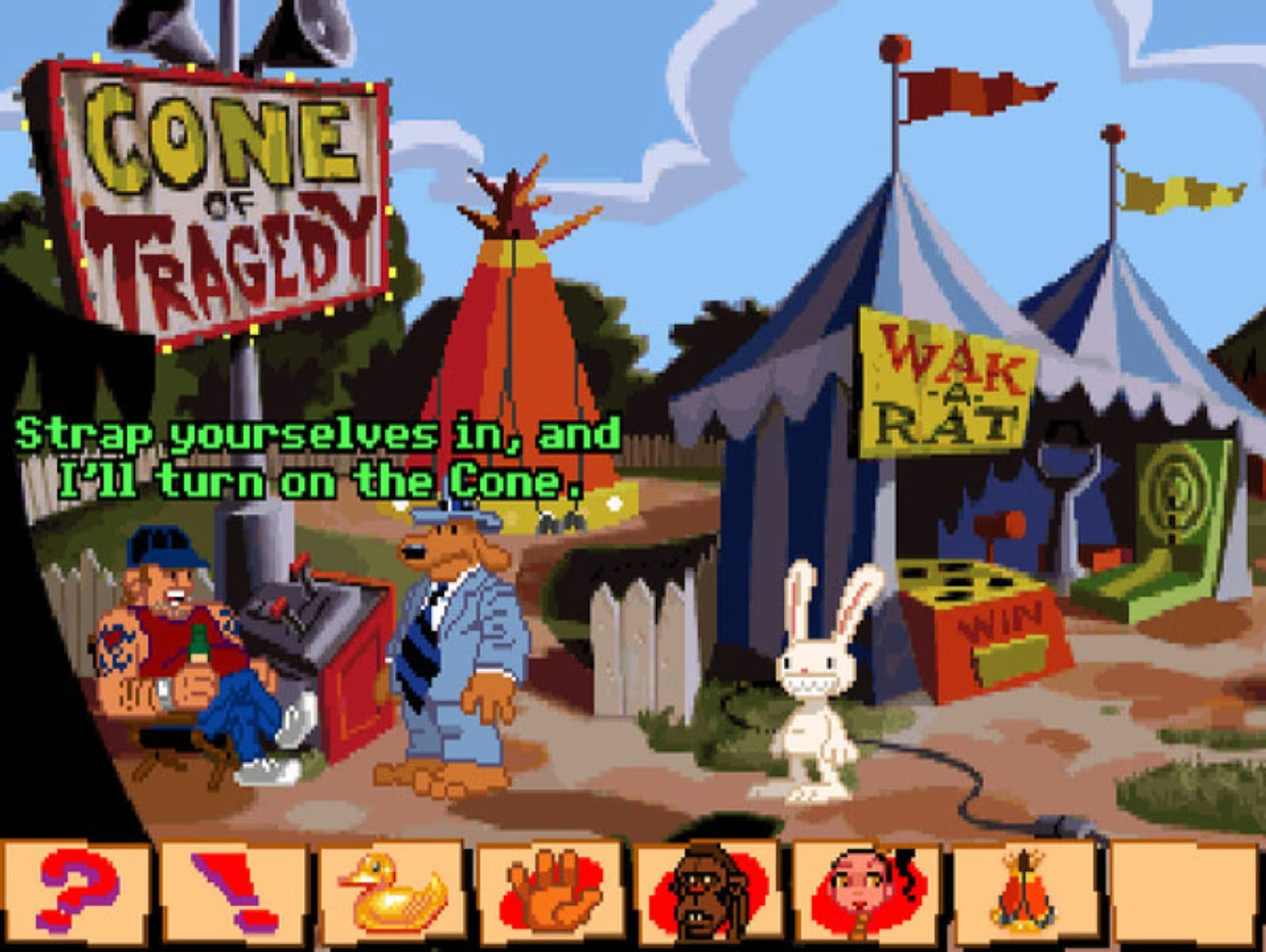
Sam & Max Hit the Road
Sam & Max Hit the Road. LucasArts, 1993. Played on the AO486 core on a Superstation One, 2026.
I finished this game once before, in 1993, aged seven, on a family PC in the corner of the dining room. It took me most of a summer.
I finished it again last Sunday. Took me most of a day.
That gap is the interesting thing, and not because the game has changed. It hasn't. What I played on the Superstation One's AO486 core is the same DOS build, the same 256-colour VGA art, the same voice acting. The bytes are identical. The only variable was me.
It still holds up, and it isn't close
Let's deal with the obvious question first. Adventure games from this era can be rough going now. Obtuse puzzles, dead ends, deaths you couldn't see coming, interfaces that fight you.
Hit the Road mostly sidesteps all of it. The puzzle logic is fair. Not easy, but fair. Everything follows the internal rules of its own daft world, and once you accept those rules the solutions track. I got stuck a few times and every time it was my fault rather than the game's.

That's worth comparing to Day of the Tentacle, which I've also been playing recently. DOTT is a brilliant game but its puzzles can feel arbitrary, because you're guessing at time-travel chains you can't see the shape of. Sam & Max is weirder on the surface and more logical underneath. Absurd but consistent, versus reasonable but opaque.
One caveat, and it's the only real one: the inventory is janky. That's 1993 for you, and playing the original rather than a remaster means I copped it unfiltered. Worth knowing going in.
The mini-games hold up better than I expected. Wak-a-Rat, Car Bomb, Highway Surfing, I played all of them again and none of them are groundbreaking. None of them are janky either, which is more than I can say for the inventory sitting next to them. They do the job they were built to do, which is give you something to do with your hands between conversations.
The writing is the reason
If you take one thing from this review, take this. Three decades on, the best thing about Sam & Max Hit the Road is still the writing.
It's funny in a way that hasn't dated, and the reason is that almost none of it is topical. The jokes are structural. There's a running gag about censorship where the swearing is bleeped in the audio and replaced with symbols in the subtitles, which is funnier than any actual swear word would have been, and works exactly as well now as it did then because the joke is about the form. There are gags about video game development conferences and about the convenience of the game's own logic, in 1993, years before that kind of self-awareness became standard.
Conroy Bumpus, the country and western star, has a British accent. Nobody explains this. Nobody needs to. He's a fraud in every other direction so why not that one too.

And there's a line I have been quoting, in the accent, for thirty years without knowing where it came from. You trip the alarm, he throws the pair of you out of the house, and that is the whole of it: "and stay out". Three words. I found out last Sunday that I had been carrying them since I was seven. That's not a game being memorable. That's a game embedding itself in a child's head so thoroughly that it outlives any memory of its own source.
A word about Max
The game is named after him and I have got this far without mentioning him, which is roughly how my playthrough went too.
I found Max annoying at the start. He is a hyperkinetic rabbity thing who interrupts constantly and solves most problems by attacking them, and for the first stretch I couldn't see much past that. He seemed like a lot of noise sitting on top of a game I was enjoying for other reasons.
That wore off, and then it reversed. Once I understood what he is actually for, he became the funniest thing in it. Sam does the police procedural voice, straight and unhurried and far too reasonable for what is happening around him, and Max exists to puncture that at exactly the wrong moment. By the back half I was clicking on things just to hear what he would say about them. Going from finding a character irritating to liking him that much, inside one playthrough, is not something I expected from a game I thought I already knew.
The stuff that stuck
Playing it again, what surfaced wasn't what I expected.
Not the famous bits. A broken golf ball retriever at the gator attraction. The Savage Jungle Inn, which I'd filed in memory as being near the end and isn't quite. Small, odd objects and places that lodged themselves in 1993 and stayed put.
Playing it again made the golf ball retriever obvious. It isn't a one-off puzzle item you use once and forget about. You pick it up early and then keep reaching for it, again and again, right the way through. Of course it stuck. I must have clicked that thing a hundred times as a seven year old, and the ones that stay with you turn out to be the ones you handled most, not the ones the game made a fuss about.

That says something about how differently we played these things. You'd get stuck for days, poke at the same screen dozens of times, hear the same lines over and over. You weren't consuming it, you were living next to it. No guides, no walkthroughs, nobody to ask.
The one place 1993 shows
The pre-rendered 3D. The tram and the helicopter are proper period pieces, dropped in because everyone in 1993 was excited about 3D and wanted some in their game.
They should stick out badly. They don't, and the reason is that there aren't many of them and the art direction around them is strong enough to absorb them. Purcell's cartoon world carries the odd bits along with it. Compare that to the FMV boom a year or two later, where the technology was the whole game and there was nothing underneath to hold it up.
Play it like this
I played it on the AO486 core on a Superstation One. Original DOS build, VGA output, mouse and keyboard.
That matters more than it sounds. This is a game whose art was made for a 256-colour palette and looks properly vivid in it. Everything pops. A remaster with redrawn art would be smoother and would lose exactly the thing that makes it look like itself. Same conclusion I came to with Day of the Tentacle, where I kept flipping back to the original graphics despite having a redraw available.
Two games, same finding. The original presentation isn't a compromise you tolerate for authenticity. It's just better.
The ending
It goes a bit unhinged at the end. I won't spoil it.
Did it bother me? Not really. The journey mattered more, and the journey is consistently excellent. If the last stretch is the weakest part, that's a fairly good problem for a game to have.
The verdict
Nine out of ten. Still brilliant.
Would I recommend it to someone with no nostalgia attached? Yes, if they like adventure games. This isn't a game that needs the memories to work, but it does need you to be up for the genre. If clicking on things and thinking sideways isn't your idea of fun, no amount of good writing will save it.
For everyone else, it's one of the best written games ever made and it plays better than most of its contemporaries. A whole Sunday well spent, and I'd say that even if I hadn't spent a summer on it as a kid.
Postscript: my dad bought me this for the summer holidays, heard the language coming out of the dining room, and complained to somebody that it should have been flagged on the box. He let me carry on playing it. Ratings systems arrived a few years later. I like to think he had a hand in it.
Score Breakdown
Pros
- +The writing is structural rather than topical, so three decades on the jokes land exactly as they did
- +Puzzle logic is fair throughout: every time I got stuck it was my fault rather than the game's
- +The bleeped swearing gag is funnier than any actual swear word, because the joke is about the form
- +256-colour VGA art that looks properly vivid in the palette it was drawn for
- +Conroy Bumpus, a country and western fraud with a British accent nobody ever explains
- +Max goes from irritating to the funniest thing in the game inside a single playthrough
Cons
- -The inventory is janky, and playing the original rather than a remaster means you cop it unfiltered
- -The pre-rendered 3D tram and helicopter are 1993 chasing a trend, and they show
- -The last stretch goes unhinged and is comfortably the weakest part of the game
- -It needs you to be up for the genre: no amount of good writing saves it if clicking on things isn't your idea of fun
You Might Also Like
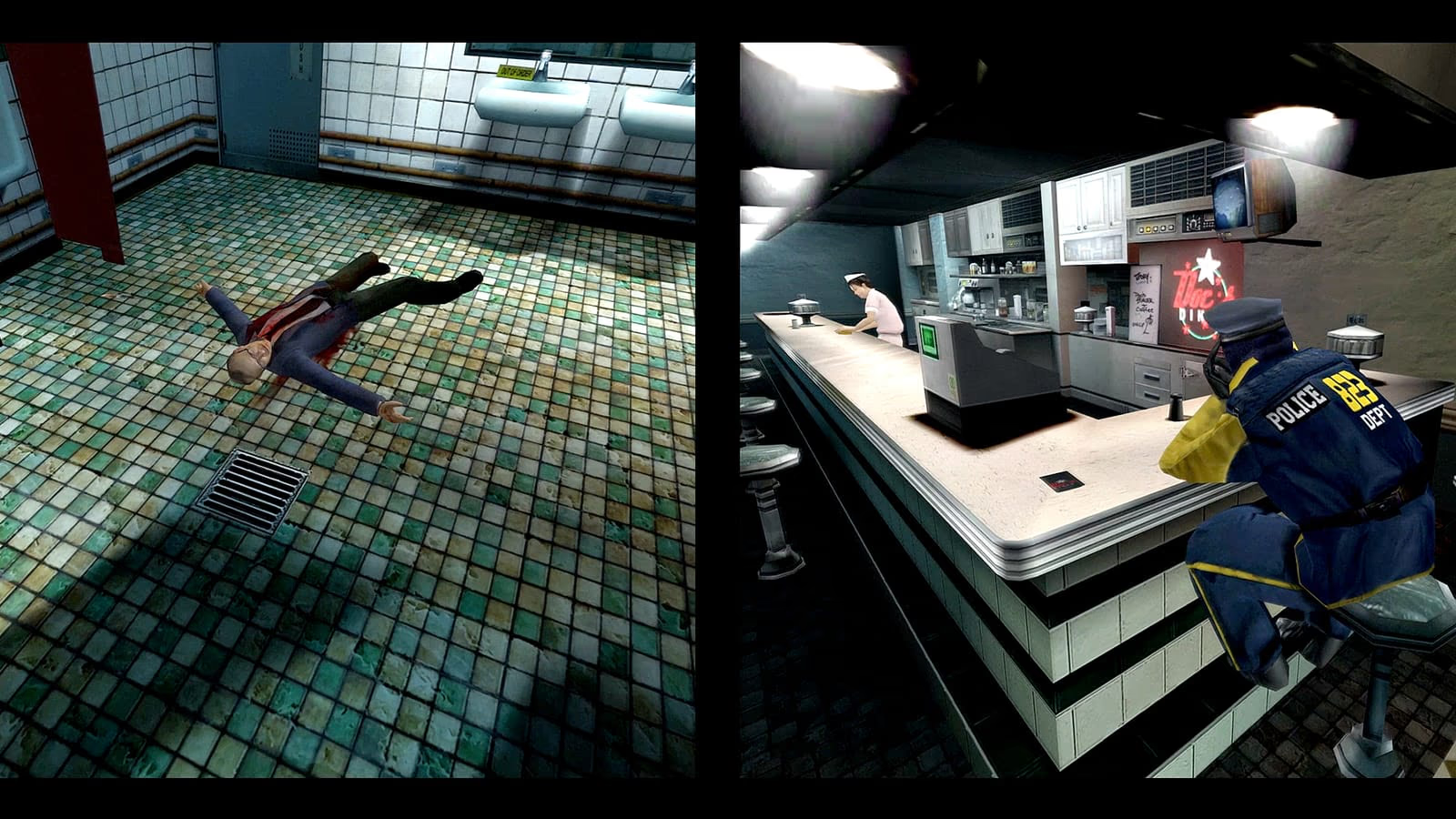
Fahrenheit (Indigo Prophecy)
The murder I left unsolved for nineteen years. Quantic Dream's wildly ambitious 2005 thriller still owns one of the greatest openings in gaming, so I went back, on original PS2 hardware, to finally finish it.
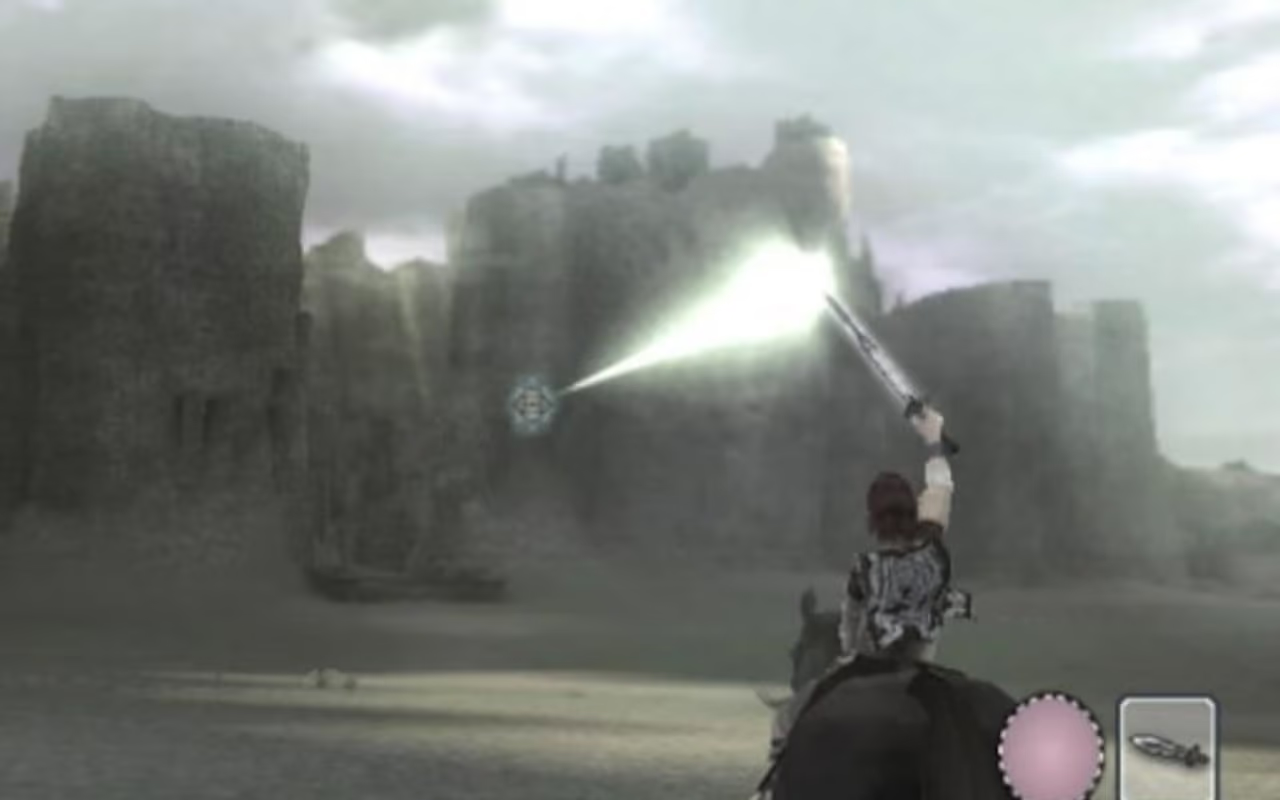
Shadow of the Colossus
A game made entirely of boss fights, each a towering puzzle of scale and emotion. Fumito Ueda's minimalist masterpiece strips away everything unnecessary and leaves only wonder.
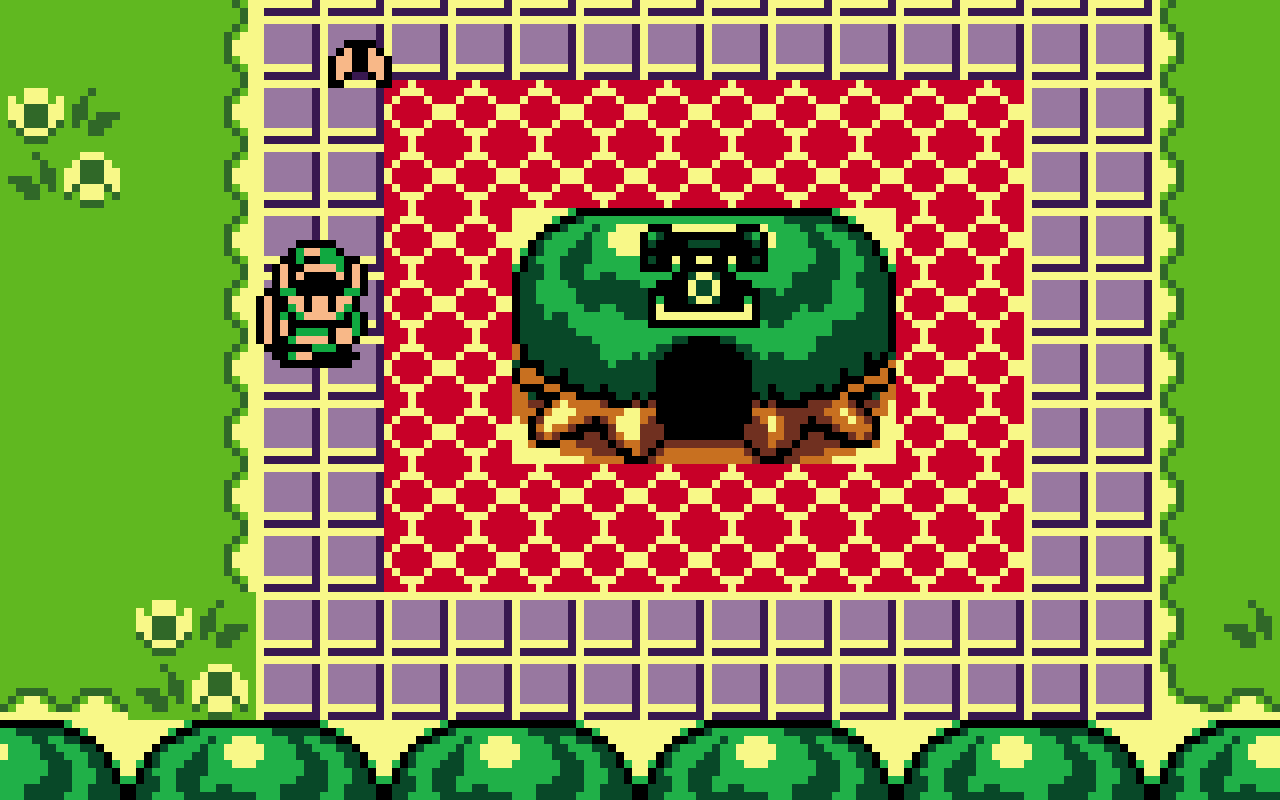
The Legend of Zelda: Link's Awakening DX
A surreal, heartfelt Zelda adventure on a tiny screen. Link's Awakening DX added color and a bonus dungeon to what was already one of the best handheld games ever made.