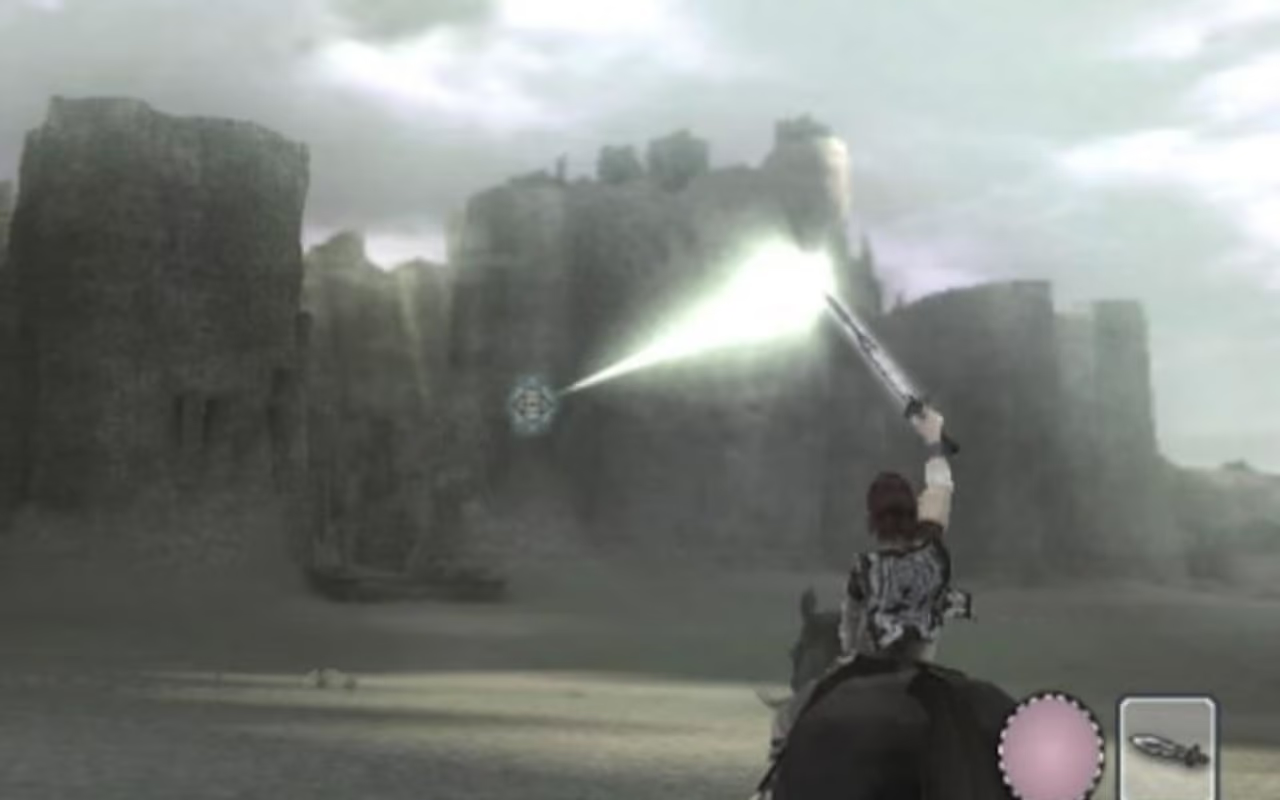
Shadow of the Colossus
Shadow of the Colossus is a game of absences. No towns, no NPCs to chat with, no inventory management, no experience points, no side quests. There's a vast, empty landscape, a boy, his horse, a sword, and sixteen colossi that must be destroyed to revive a girl laid upon an altar. That's it. And it's enough.

Each colossus is both a boss fight and a puzzle. You must observe the creature, identify its weak points, figure out how to reach them (usually by climbing the colossus itself), and then stab its glowing sigils while it tries to shake you off. The scale is extraordinary, some colossi are the size of buildings, others the size of entire arenas. The first time one rises from the earth and you realize you need to climb it, the feeling is unforgettable.
The Forbidden Lands, the game's empty overworld, is a character in itself. Rolling plains, ancient forests, desert canyons, and misty lakes, all devoid of life except for lizards and fruit trees. It's melancholic, beautiful, and purposeful: the emptiness makes each colossus encounter feel like an event. The journey to each battle, guided by raising your sword to catch sunlight, becomes a meditative ritual.
Agro, your horse, is the game's emotional anchor. The controls for horseback riding are deliberately loose: you're not controlling a vehicle, you're working with an animal that has its own momentum and personality. This design choice frustrates some players but creates a bond between player and horse that pays off devastatingly in the game's final act.
Technically, Shadow of the Colossus pushed the PS2 beyond its limits. The colossi are massive, furry, moving creatures rendered in real-time, and the hardware struggles visibly, frame rate drops during climbs, draw distance limitations, and loading hitches are frequent. The game needed more power than the PS2 could give it. But the ambition behind every frame is palpable.
The moral dimension elevates it from great to essential. As you kill each colossus, Wander (the protagonist) visibly deteriorates. The colossi themselves aren't aggressive by default, many are passive creatures that only attack when provoked. The game quietly asks whether your mission is righteous, and the answer it provides is crushing.
Kow Otani's soundtrack is sparse and powerful. Silence dominates exploration, but when a colossus battle begins, the orchestral score swells with a mix of triumph and tragedy that perfectly captures the game's duality.
Shadow of the Colossus is art. It's imperfect, technically limited, and emotionally devastating. Play it.
Score Breakdown
Pros
- +Sixteen unique colossi each a masterpiece of design
- +Emotional storytelling through gameplay, not cutscenes
- +Forbidden Lands are hauntingly beautiful
- +Moral complexity rare in gaming
Cons
- -PS2 hardware visibly struggles with the ambition
- -Camera and controls can fight you during climbs
- -Some colossi feel less inspired than others
- -Very short if you know what you're doing
You Might Also Like
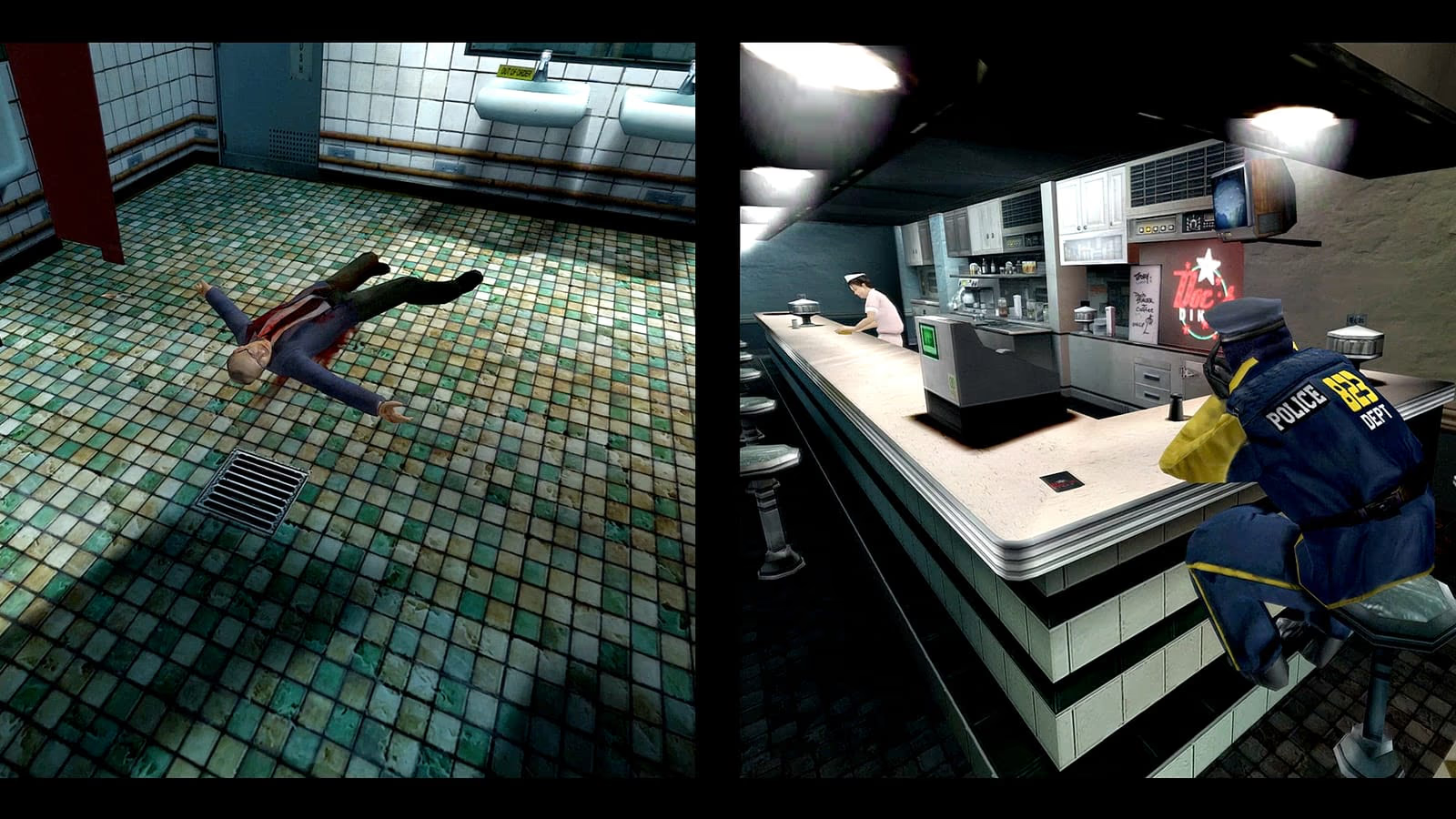
Fahrenheit (Indigo Prophecy)
The murder I left unsolved for nineteen years. Quantic Dream's wildly ambitious 2005 thriller still owns one of the greatest openings in gaming, so I went back, on original PS2 hardware, to finally finish it.
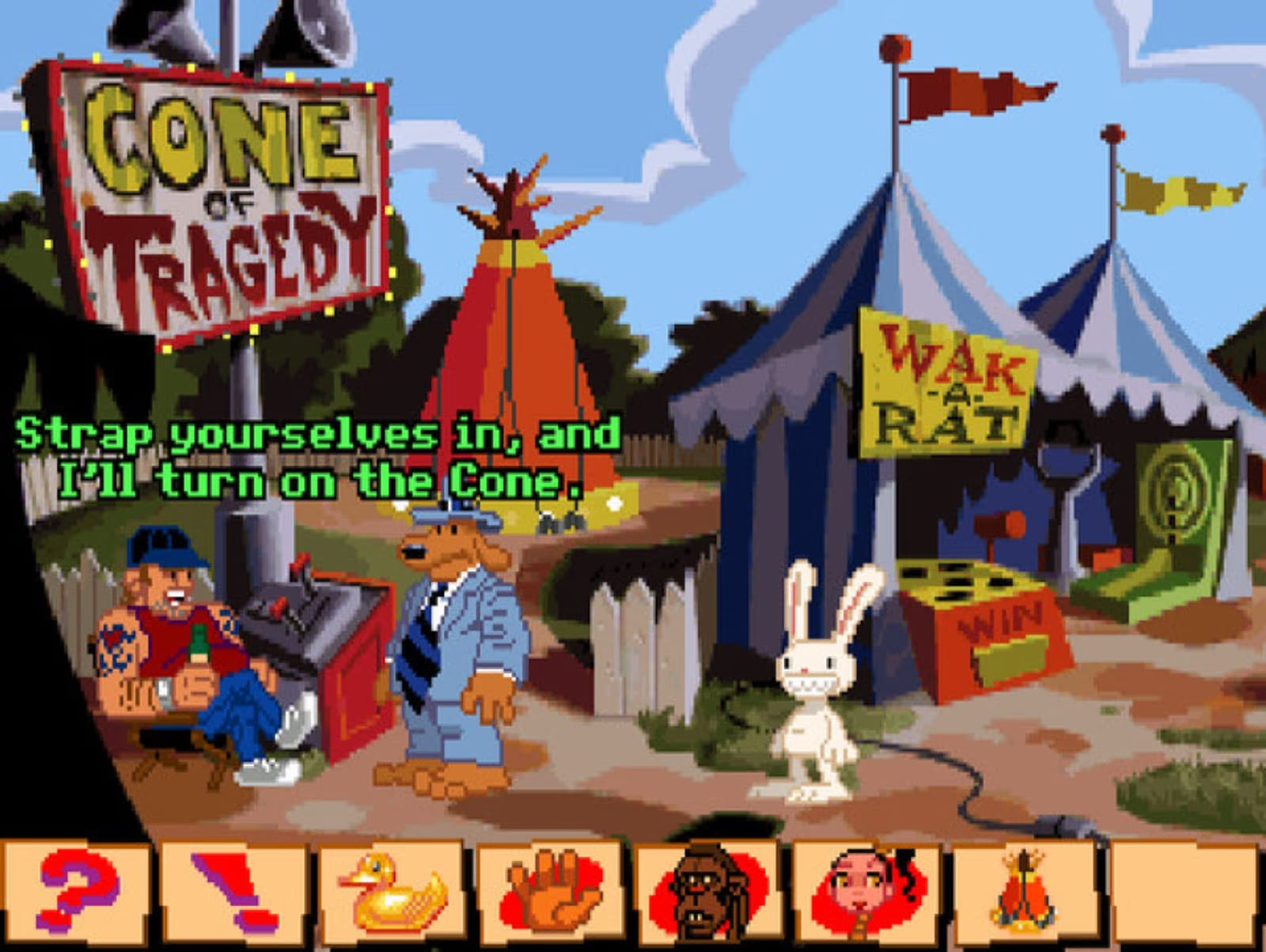
Sam & Max Hit the Road
I finished it once in 1993, aged seven, and it took most of a summer. I finished it again last Sunday in a day. The DOS original, on an AO486 core, still one of the best written games ever made.
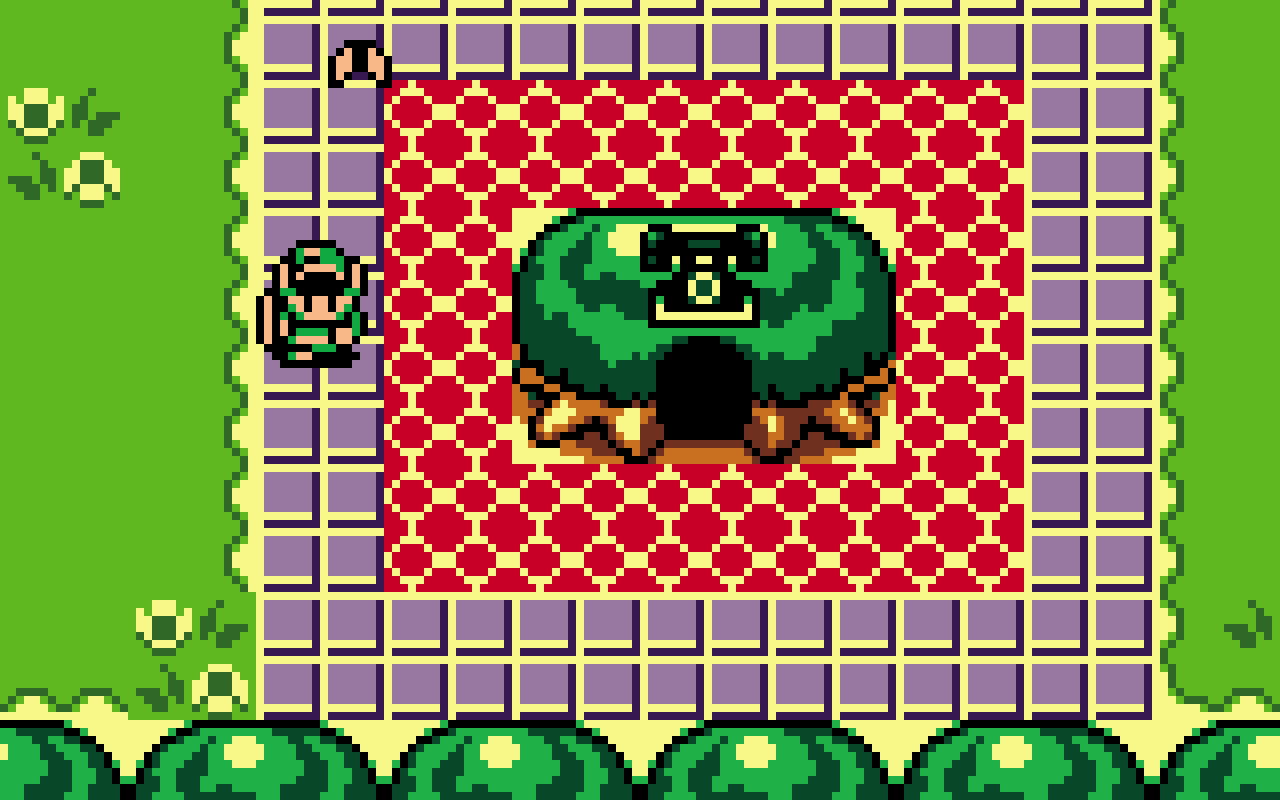
The Legend of Zelda: Link's Awakening DX
A surreal, heartfelt Zelda adventure on a tiny screen. Link's Awakening DX added color and a bonus dungeon to what was already one of the best handheld games ever made.