Shenmue
Shenmue was supposed to change everything. With a reported budget of $47 million (some estimates go higher), it was the most expensive game ever made at the time of its 1999 release. Yu Suzuki's vision was nothing less than a fully realized world: a game where NPCs had daily schedules, shops opened and closed at realistic hours, and you could pick up and examine virtually any object.

Set in 1986 Yokosuka, Japan, you play as Ryo Hazuki, a teenager whose father is murdered by a mysterious Chinese martial artist. The story is a revenge tale wrapped in a coming-of-age narrative, and while it moves slowly, the emotional beats land. Ryo's grief, his growing understanding of his father's past, and his interactions with the community around him give the game a warmth that purely plot-driven games lack.
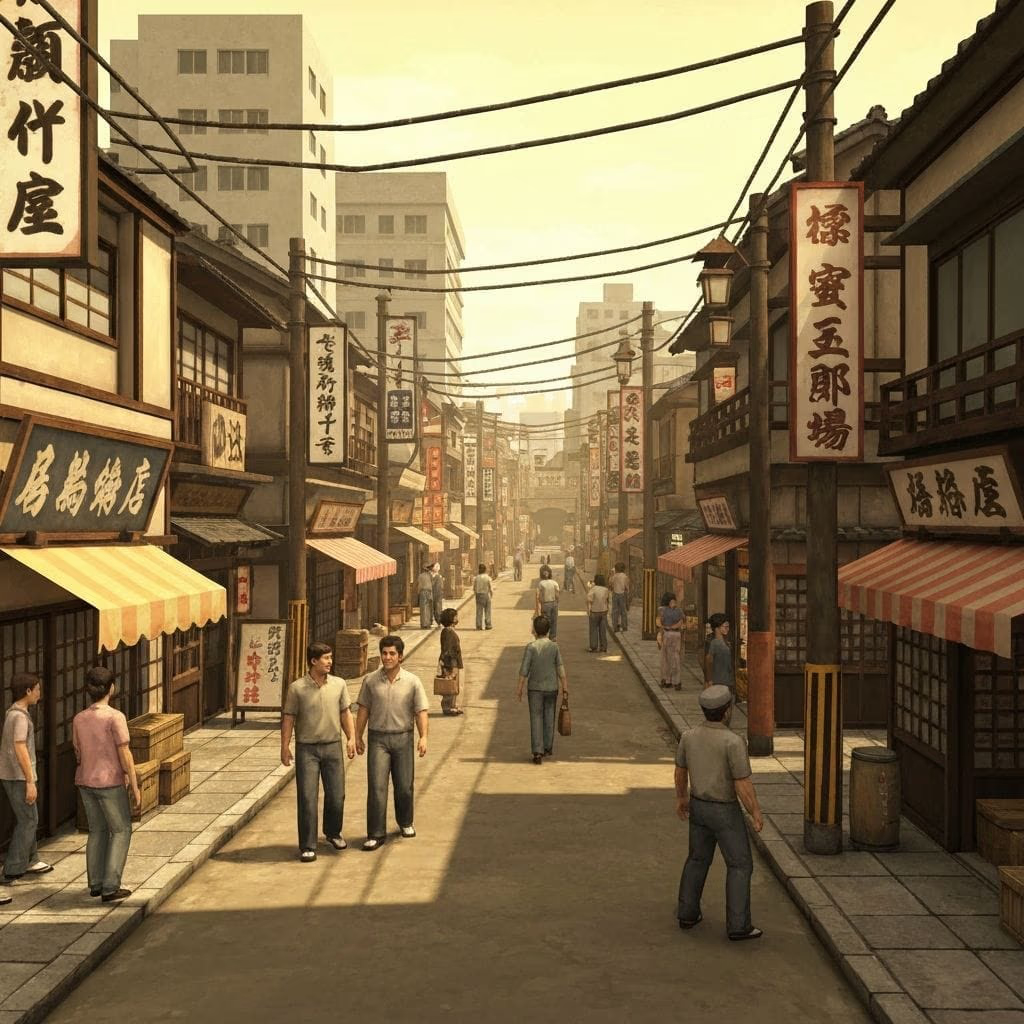
The world of Yokosuka is Shenmue's masterpiece. Every house, shop, and street corner is modeled with obsessive detail. The weather changes dynamically, rain, snow, sunshine, all on a real calendar system. NPCs follow daily routines: the shopkeeper opens at 9, the bar gets busy at night, kids play in the park after school. In 1999, this was unprecedented. Even today, the level of environmental detail is impressive.
Gameplay is deliberately paced. You'll spend time asking NPCs for information, working a day job at the harbor to earn money, practicing martial arts moves in parking lots, and occasionally engaging in Quick Time Events during action sequences. The QTEs were revolutionary for the time, Shenmue essentially invented the modern QTE, for better or worse.
The combat system, influenced by Virtua Fighter, has depth that many players never fully explore. Ryo can learn dozens of moves through scrolls, training, and sparring. The system rewards practice and timing, and the few combat encounters in the game feel weighty and significant.
Technically, Shenmue pushed the Dreamcast hard. Character faces are expressive (for 1999), interiors are richly detailed, and the weather and lighting systems create genuine atmosphere. The English voice acting is famously wooden, but many fans consider it part of the charm.
The game's biggest issue is pacing. Long stretches pass with little happening, and the day job sequences can feel tedious. The story also ends on a cliffhanger, setting up a sequel that wouldn't arrive for two years.
Shenmue is flawed, ambitious, and absolutely essential. It laid the groundwork for open-world games that followed, and its atmosphere remains unmatched.
Score Breakdown
Pros
- +Living, breathing world with unprecedented detail
- +Dynamic weather and NPC schedules were revolutionary
- +Emotionally resonant story and characters
- +Combat system has hidden depth
Cons
- -Pacing can be glacially slow
- -Day job sequences are tedious
- -Story ends on an unresolved cliffhanger
- -English voice acting is notoriously stiff
You Might Also Like
Sam & Max Hit the Road
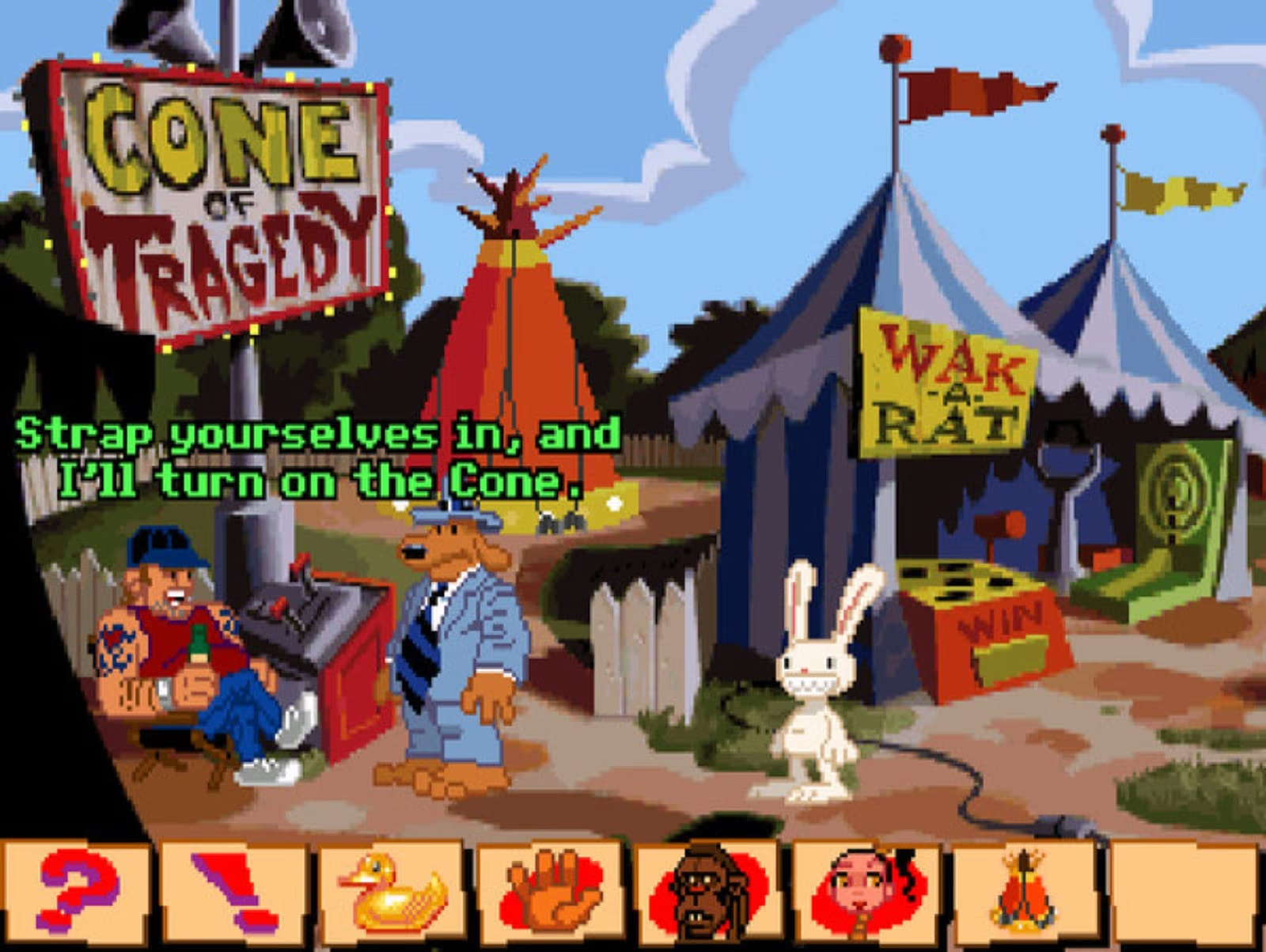
I finished it once in 1993, aged seven, and it took most of a summer. I finished it again last Sunday in a day. The DOS original, on an AO486 core, still one of the best written games ever made.
Fahrenheit (Indigo Prophecy)
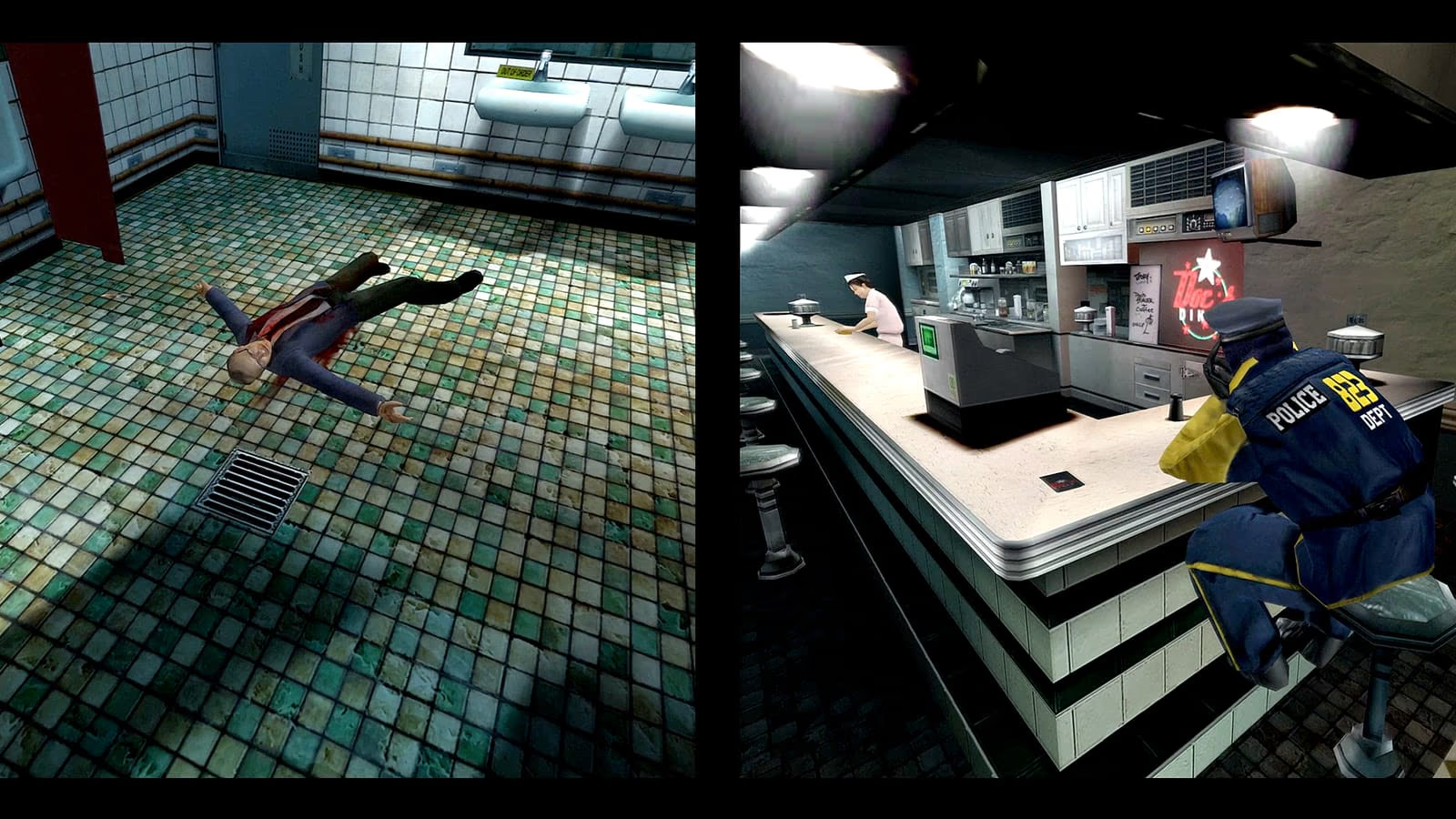
The murder I left unsolved for nineteen years. Quantic Dream's wildly ambitious 2005 thriller still owns one of the greatest openings in gaming, so I went back, on original PS2 hardware, to finally finish it.
The Legend of Zelda: Link's Awakening DX
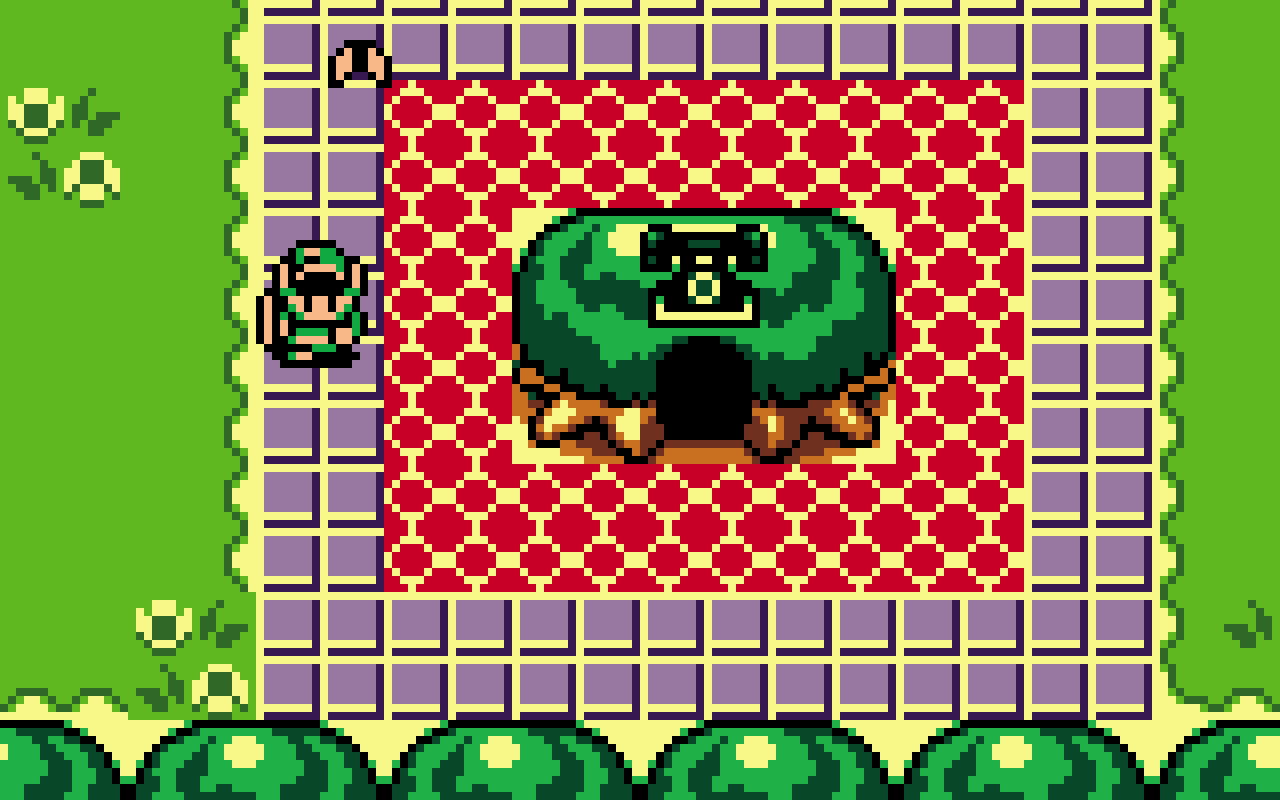
A surreal, heartfelt Zelda adventure on a tiny screen. Link's Awakening DX added color and a bonus dungeon to what was already one of the best handheld games ever made.