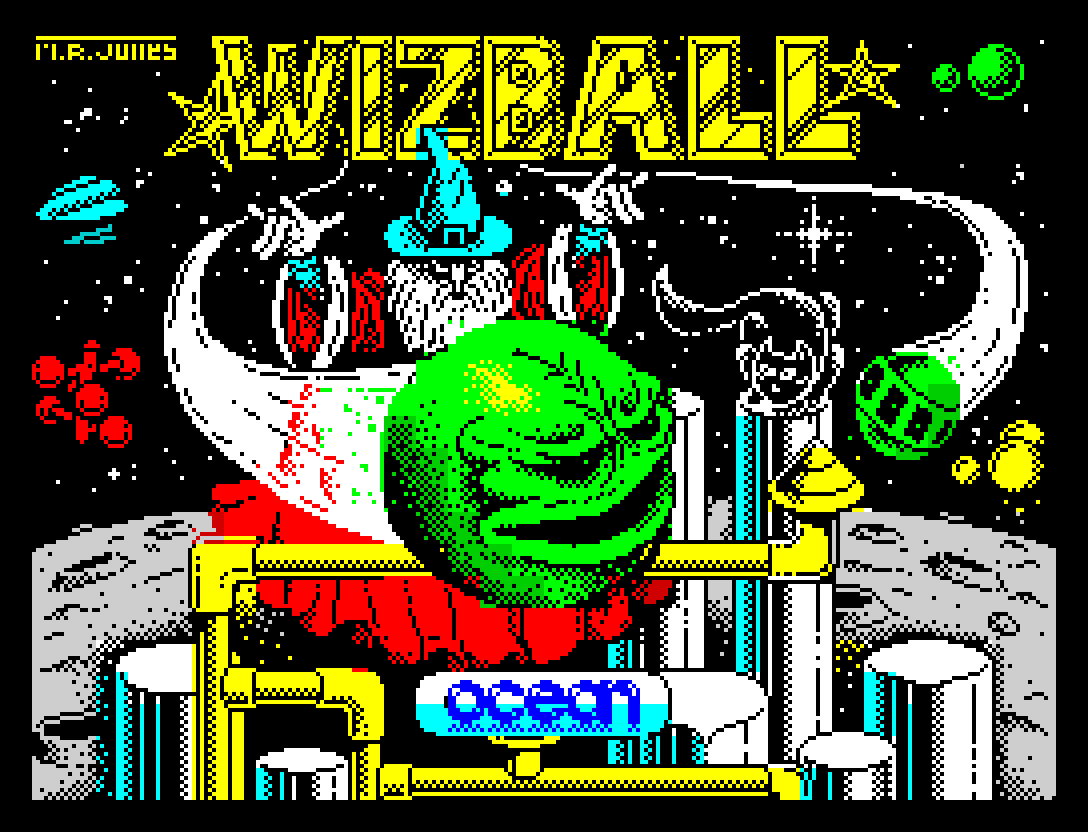
Image: Wizball loading screen by Mark R. Jones (Ocean Software, 1987), via the Enhanced Edition page on itch.io
Wizball Enhanced Edition Rebuilds the 1987 Spectrum 128K Version With Help From Its Original Artist
Ocean's 1987 Spectrum conversion of Wizball has been reworked into a free "Enhanced Edition" for the ZX Spectrum 128K. Leigh Ashton, who releases homebrew as Gravious, published it on itch.io on 14 October, with a new renderer that removes the original's sprite flicker, gentler collision detection, and a set of features carried over from the Commodore 64 version. Mark R. Jones, the Ocean artist who drew the Spectrum version, tested it and supplied feedback.
What the Enhanced Edition changes
The release page lists the changes under four headings, and they go well beyond a cosmetic patch.
Graphics and presentation. The headline change is a double-buffered renderer that, in the page's words, removes "sprite flickering and tearing". There is a new two-layer parallax starfield. Several touches come from the Commodore 64 original: colour-cycling enemy bullets, purple shots for the Blazor power-up, an unused Wizball font, two pages of instructions adapted for the Spectrum, and a count of the enemies left in the current wave. The menus have been recoloured, an attract sequence now cycles through the menu, credits, high scores and title screen, and the Get Ready screen shows a gameplay hint that changes every five seconds. A Music menu plays every tune in the game. The status bar says SCORE instead of PL1, shows LIVES and ZONE explicitly, and displays the Cat's remaining health while he is in play. A credits page acknowledges the original team.
Scoring. The score now updates the moment points are awarded, and the high score climbs during play once it is beaten. A rounding error in recorded high scores has been fixed, the starting high score drops from 100,000 to 10,000, and a top-ten table is kept between games for the length of a session.
Gameplay and controls. Wizball now uses round collision detection against enemies and their bullets, and enemy hitboxes are smaller. The page sums that up as "Fewer cheap deaths!" Enemies and the pearls that buy upgrades no longer vanish when the screen gets busy. The Cat's automatic pull towards Wizball is halved while the player is steering him, and the left-right waggle that activates a power-up is more forgiving and can start in either direction.
Optimisation. Sprite drawing, scenery, projectile checks and screen updates were all optimised, and memory use was tightened to make room for the new features. Ashton estimates the optimisation gained "something in the region of 16-22%" in speed, much of which the double buffering then used up, and says the game now "barely slows down".

How to play it
The mod is free and comes as a 47 kB zip. The page recommends "any decent ZX Spectrum Emulator", naming Fuse and Spectaculator, and says it also runs on real hardware through a DivMMC interface or on The Spectrum. The page states that no generative AI was used to make it.
Within a day of release, players in the page's comments reported running it on a NextNano, a Spectrum Next clone built on a Tang Nano 20K FPGA board. Another asked for a .tap tape image, pointing out that the Z80 snapshot format is awkward on real machines and does not keep the loading screen.
The page is plain about the mod's status. It calls it "an unofficial fan-made modification" that is "not affiliated with or endorsed by the original creators, publisher or current rights holders", and says all rights in the original game's code, graphics and audio remain with their owners.
Wizball on the Spectrum in 1987
Wizball was designed by Jon Hare and Chris Yates of Sensible Software and published by Ocean Software, first on the Commodore 64 in 1987 and later that year on the Spectrum and Amstrad CPC. It is a horizontally scrolling shooter inspired by Gradius: the villain Zark has drained the colour from Wizworld, and the wizard Wiz, in the form of a bouncing green ball, has to restore it with help from his cat, who collects the paint droplets Wiz cannot reach. In two-player mode the second player controls the cat.
The Commodore 64 version is the one with the reputation. Zzap!64 gave it 96 percent and later named it the best game ever, and in 2011 Retro Gamer readers ranked it the second-best Commodore 64 game. It is also, by Wikipedia's account, "extremely difficult", because enemy waves arrive in groups of four or five.
The Spectrum conversion did well in its own right. Spectrum Computing lists it at £7.95 for the 48K and 128K machines, with review scores of 92 percent and a Crash Smash from Crash, 10 out of 10 and a Sinclair User Classic from Sinclair User, 80 percent from The Games Machine and 8 out of 10 from Your Sinclair. Its credits name Paul Owens, Mark R. Jones, Peter Clarke and Steven L. Watson, with Bob Wakelin as a contributor. According to the database, Watson was originally to write the game but left before it was finished, and Owens completed the code. It was reissued on budget labels in Spain and the UK, including The Hit Squad's £2.99 release in 1989.
The original artist's second look
Mark R. Jones ties the release to the original team. The Spectrum FAQ's long-running "Where is...?" list of former Spectrum developers describes him as an "Ocean artist - Wizball/Gryzor/Taipan". The release page thanks him directly: once the two were in touch, Jones "dug in and gave me loads of feedback and bugs to fix, opinions and some new bits here and there."
Jones has stayed active on the Spectrum. His diary of a new Spectrum conversion of Universal's 1982 arcade game Mr. Do!, made between February 2017 and June 2019, describes drawing the graphics while his old school friend Adrian Singh wrote the code. Singh had already been in this territory: in February 2017 Indie Retro News reported his own hack of the 128K Wizball, which added a 1987 Commodore 64 character set and two hidden tunes and two sound effects by Peter Clarke, and credited a "heads up by Mark R Jones" for the tip.
That 2017 hack restored assets to the game. The Enhanced Edition goes further, changing how the game draws the screen and how it decides when the player has been hit.
What is missing and what is not known
Not everything from the Commodore 64 game made it across. Ashton writes that "memory is tight in this image" and that adding features "still absent like the Cops and the Bonus Level" would need a much bigger reorganisation of the code and assets. The note ends with "Maybe another time?", so a further version is possible but not promised.
There is no changelog beyond the feature list, and Ashton says the list is incomplete because tracking only started partway through. The first bug report arrived within a day: a commenter found graphical corruption on the small green aliens with eyes on stalks. A .tap release for real tape-based hardware had not been posted at the time of writing. The rights holders have not commented on the mod.
Sources
- Gravious on itch.io: Wizball - Enhanced Edition
- Spectrum Computing: Wizball (ZX Spectrum)
- Wikipedia: Wizball
- Indie Retro News: Wizball: Classic 8-bit ZX Spectrum 128k Ocean game hacked by Adrian Singh
- Spectrum FAQ: Where is...? (Part 2)
- Mark R. Jones, via Spectrum Computing: Diary on the making of 'Mr. Do!' for the 48k/128k ZX Spectrum
More News
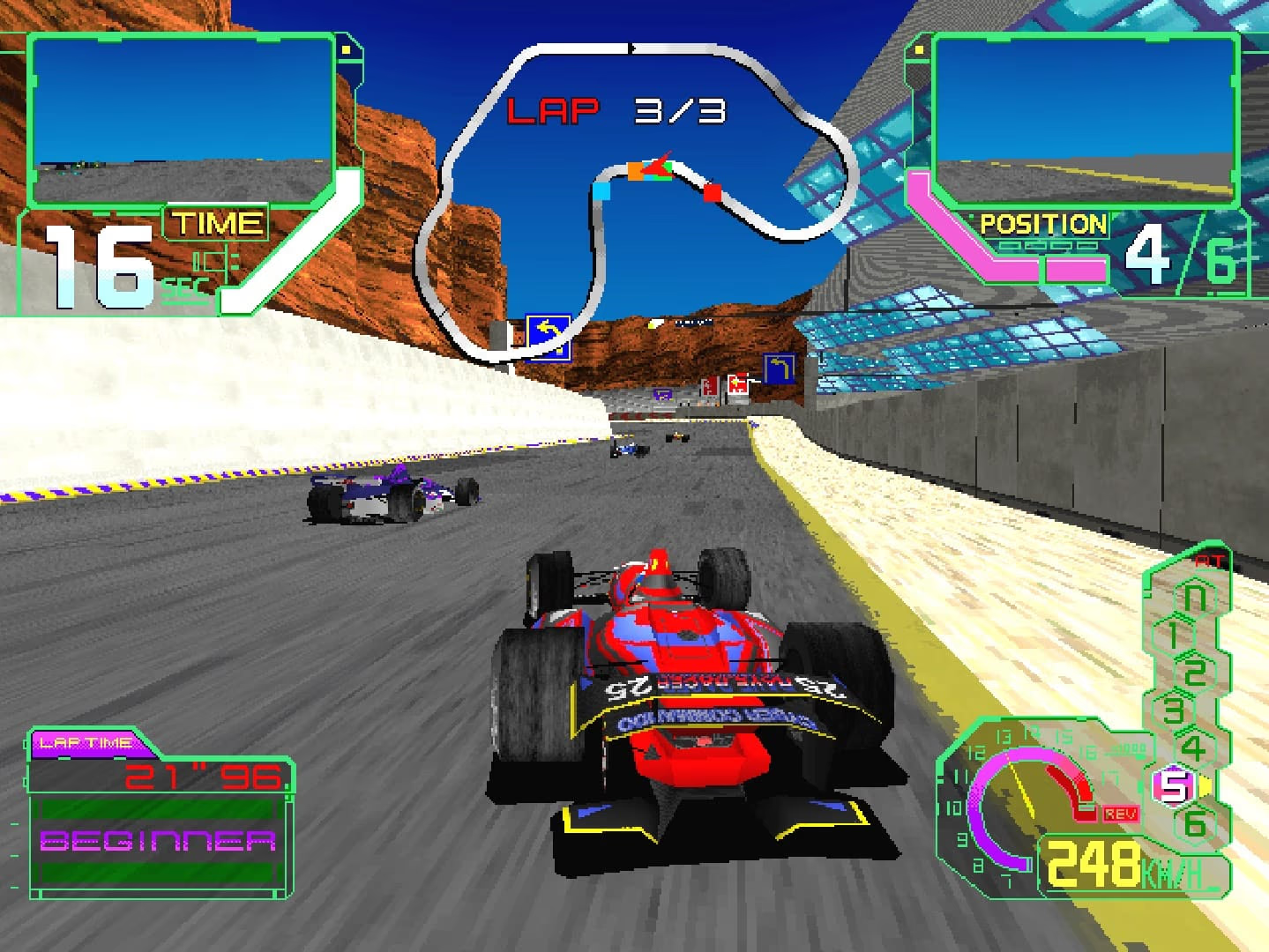
Namco's Ace Driver: Victory Lap Comes Home Through Arcade Archives, With Four Players on Newer Consoles
Hamster is releasing Namco's arcade sequel Ace Driver: Victory Lap on 22 October for Switch, PS4, Switch 2, PS5 and Xbox Series X|S, at $14.99 or $16.99, five months after the original Ace Driver.
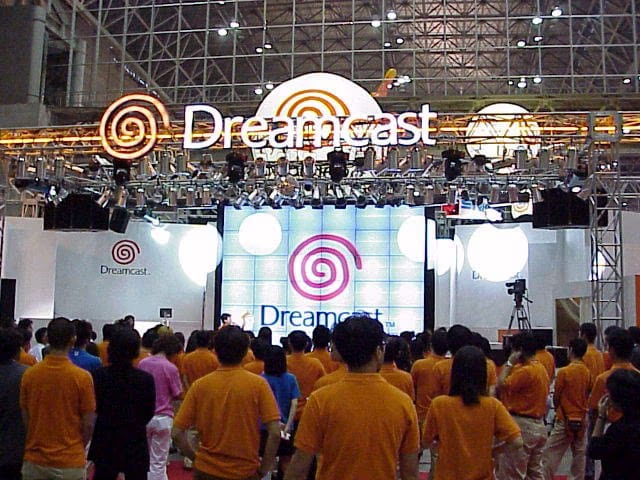
Video Game History Foundation Opens a Photo Archive of Japanese Game Culture From 1999 to 2005
The Colin Williamson photography collection, now free in the VGHF Digital Archive, documents Tokyo Game Show, Nintendo Space World and the streets of Akihabara at the turn of the millennium.
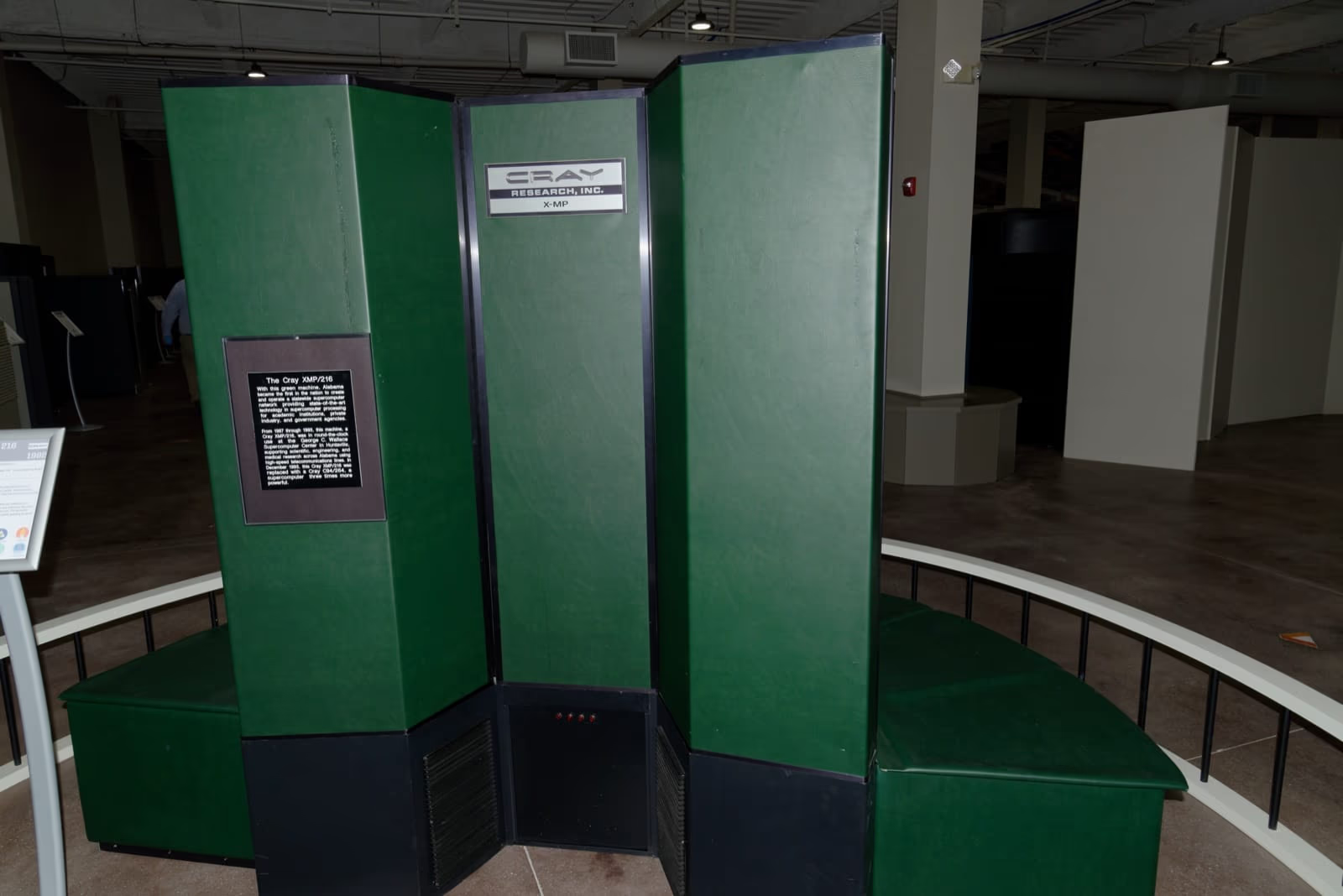
MiSTer Gets a Cray X-MP Core That Boots the Supercomputer's Own Operating System
A new MiSTer core recreates a one-processor Cray X-MP and boots COS 1.17, the only Cray operating system known to survive for the machine. It reached MiSTer's official distribution on 20 October, and a companion project runs Cray Blitz, the 1983 and 1986 world computer chess champion, on it.