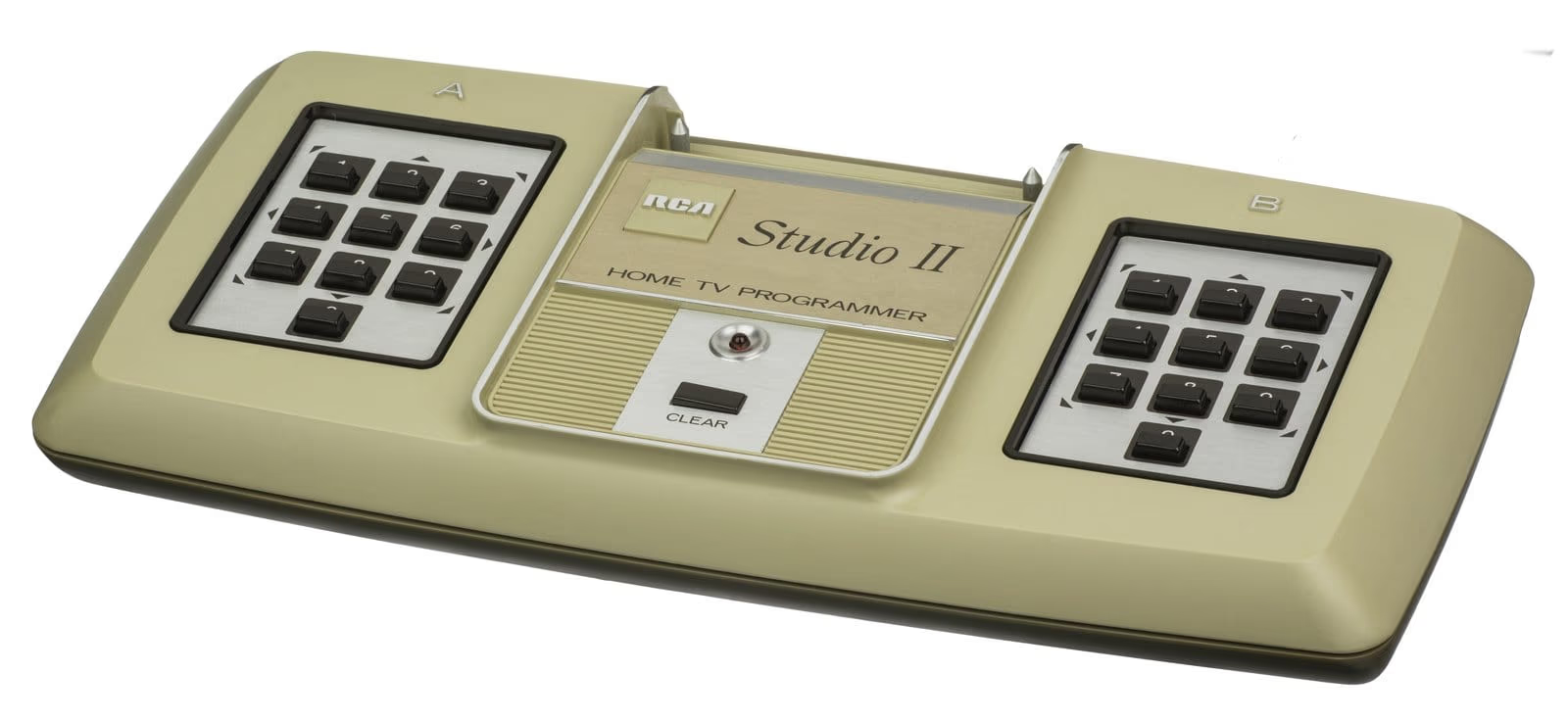
Image: RCA Studio II with its built-in keypads, photo: Evan-Amos, public domain, Wikimedia Commons
RCA Studio II MiSTer Core Adds a Studio III Audio Filter Measured From Real Hardware
The MiSTer core for the RCA Studio II has a new release, and its headline change is about sound. The build, dated 15 November and merged into the MiSTer-devel repository on 16 November, adds a selectable low-pass filter for the Studio III family of consoles, tuned against recordings of real machines so that their music no longer plays as a raw square wave. It reached MiSTer's main distribution, and so update_all, on 17 November.
What the release changes
The new option sits under Audio & Video > Studio III Filter and has three settings. Apollo 80, the default, places the filter's pole at 2576 Hz, matched to footage of an Academy Apollo 80 recorded by TLD1985. MPT-02 places it at 434 Hz, measured from FliP's direct captures of the sound chip in a PAL Hanimex MPT-02. Off plays the unfiltered square wave, as every earlier release did. The original Studio II and Toshiba's Visicom sound the same as before. The NTSC Studio III path uses the same filter for now, which the release notes call provisional until hardware recordings exist.
The other fixes are smaller but specific. The display-status signal, EF1, now keeps pulsing every frame while the display is switched off, as the CDP1861 and CDP1864 datasheets describe; previously it stopped along with the picture. The arrow keys now act as a joystick on the left keypad, with two arrows together giving a diagonal, Enter as 5 and Backspace as 0. The on-screen menu has been reorganised, with a new Input page and a separate Palettes page. And the Crop Offset labels, which skipped +6 and so moved the picture two lines less than they said from +8 upward, now run from -12 to +12 in steps of two. The release notes warn that a saved negative offset moves by one step after updating.
The notes also record the testing: the filter unit test and Verilator lint pass, the new menus and every crop step were checked on MiSTer hardware at 1080p, and the Quartus build meets timing with a worst setup slack of +0.399 ns.
How the filter was measured
The project's audio document explains why the change was needed. FliP supplied nine recordings taken straight from the CDP1864 chip of a PAL MPT-02, before the RF stage, along with a test program called Tunebox that plays tunes such as Frere Jacques and Ode to Joy. Compared with the core's square wave, the real chip's upper harmonics were far quieter: the third harmonic sat 16.20 dB below the fundamental on hardware against 9.54 dB in the core, and the ninth 35.52 dB below against 19.08 dB.
Across 586 analysed windows from the recordings, a square wave followed by a single low-pass pole at about 435 Hz matched the hardware's harmonic ratios with a median error of 0.41 dB. The document is careful about what that proves: "This is an effective combined response, not proof of a specific chip component." The recording chain and AAC compression are part of what was measured.
The two settings disagree by a wide margin, and the project's roadmap says so plainly. FliP's MPT-02 captures fit a 435 Hz pole and TLD1985's Apollo 80 footage a 2.6 kHz one. Apollo 80 became the default "because MPT-02 sounds muted", and finding out where each recording was tapped is listed as open work.

The console and its relatives
RCA released the Studio II in January 1977. It was designed around the COSMAC 1802 processor by RCA engineer Joseph Weisbecker, running at 1.76 MHz with 2 KB of ROM and 512 bytes of RAM, and drew black and white blocks on a 64 by 32 grid using the CDP1861 "Pixie" video chip. It had no controllers, only two ten-key keypads built into the case, and five games in ROM: Addition, Bowling, Doodle, Freeway and Patterns. Weisbecker's daughter Joyce wrote School House I and Speedway/Tag for it, which Wikipedia's account describes as making her the first woman to develop a commercial video game.
It did not sell. An internal RCA document estimated 53,000 to 64,000 units between February 1977 and January 1978, and RCA announced its discontinuation in February 1978. The design lived on under other names, though, which is why the core covers a whole family: the Mustang 9016, the Conic, Trevi and Sheen M-1200, Toshiba's Visicom COM-100, and the Hanimex and Soundic MPT-02 and Academy Apollo 80. The core groups the MPT-02 machines with the RCA Studio III, a colour successor that was never released; Wikipedia records four games that came out only for clones of it.
The core supports all of them. It needs four BIOS files, one each for the Studio II, Studio III PAL, Studio III NTSC and Visicom, and its README claims "100% software compatibility across all machines including all known homebrew and demos". It also plays CHIP-8, the interpreted language Weisbecker created for the 1802 and first used on the COSMAC VIP and Telmac 1800 computers. The core bundles its own interpreter, OpenStudio2, written for MiSTer, which runs original CHIP-8 programs of up to 3,584 bytes without any BIOS; the later SUPER-CHIP and XO-CHIP variants are not supported.
Who built it, and how it compares
The project credits Jason Coombes for the original design and implementation, his work from 2022 to 2025, with Flandango on MiSTer integration and the Pixie video, Alan Steremberg on CPU, video and timing accuracy, and Elle Ball, who authored this release, on the beeper model, OpenStudio2, custom palettes, validation and documentation. It lists the existing software emulators as reference points: MAME's Studio II, CDP1861, Studio III and Visicom drivers, Marcel van Tongeren's Emma 02, and Paul Robson's Studio II emulator.
The core does not simply copy them. Its README describes a Visicom palette refined from hardware captures, and the project's palette document sets the core's default colours beside the values MAME and Emma 02 use, which differ noticeably, alongside FliP's videos of a real Visicom and printed screenshots from its flyer and manual. MAME's palette remains available as an alternative.
New to MiSTer? Which MiSTer to buy and how to set it up covers the hardware, Update All and installing cores.
What is not known yet
The release notes list the open questions. The Studio IV is not supported. CHIP-8 does not work in Visicom mode. The Studio III NTSC filter has not been checked against a real console, and the roadmap notes that FliP knows of no retail NTSC successor, so hardware audio may never be available. Analogue output through MiSTer's direct video has not been verified. The release also contains the FPGA side of an experimental FujiNet cartridge, but it needs a version of MiSTer's Main that has not been released, so release builds leave it out.
Sources
- MiSTer-devel on GitHub: StudioII_MiSTer: RCA Studio II (and family) for MiSTer FPGA
- MiSTer-devel on GitHub: RCA Studio II for MiSTer: November 14, 2026 release
- MiSTer-devel on GitHub: MPT-02 audio reference
- MiSTer-devel on GitHub: StudioII_MiSTer credits
- MiSTer-devel on GitHub: StudioII_MiSTer roadmap
- MiSTer-devel on GitHub: Visicom palette evidence and selection
- MiSTer-devel on GitHub: MiSTer Distribution
- Wikipedia: RCA Studio II
- Wikipedia: CHIP-8
More News
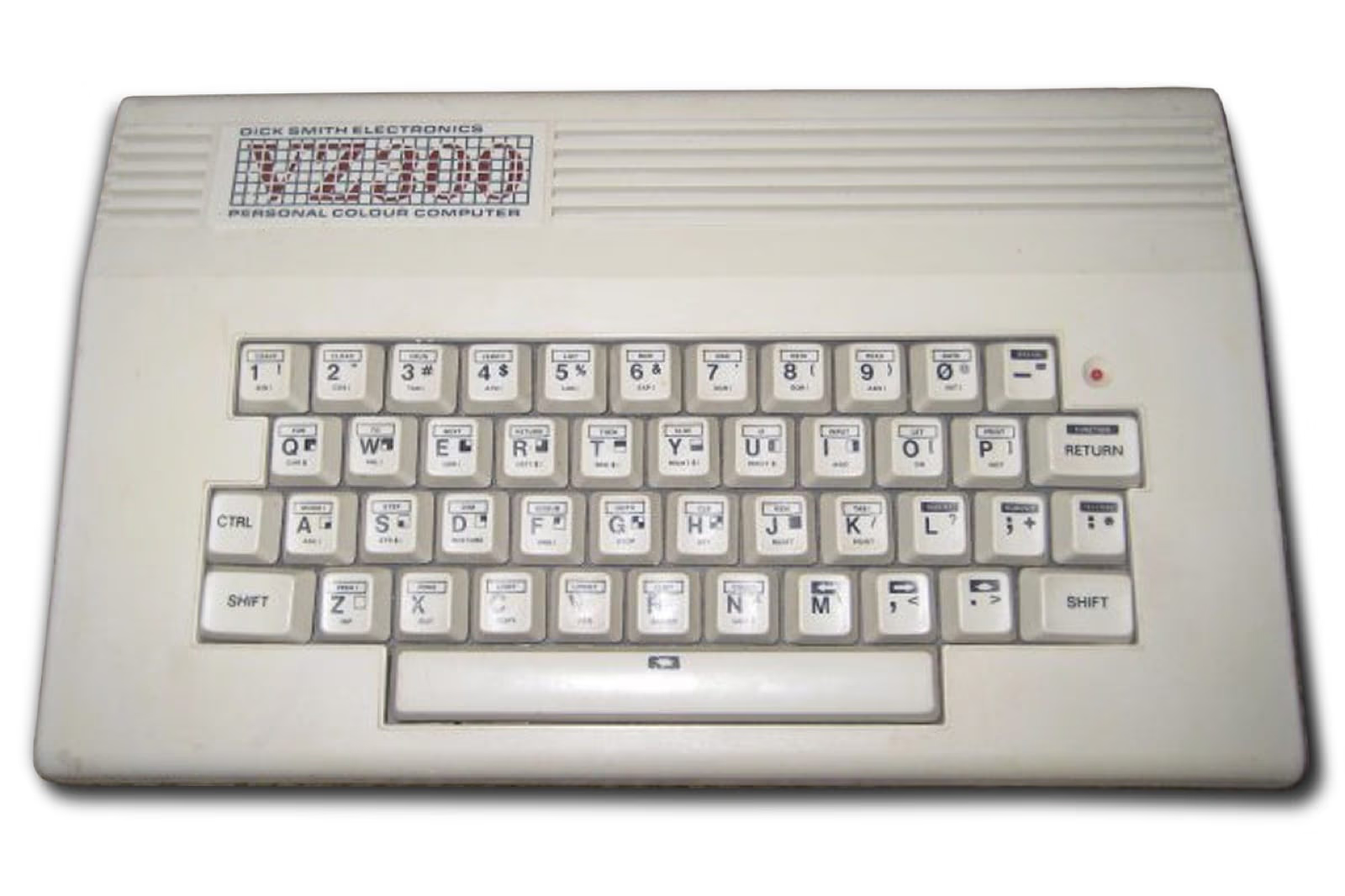
VTech Laser 310 MiSTer Core Gets Tapes, VZ DOS Disks and a Boot Fix
Release 20261118 of MiSTer's VTech Laser 310 core, by Alan Steremberg, adds a tape deck for WAV and CAS files, the VZ DOS floppy interface with two drives, PAL and NTSC timing, and a fix for a bug that kept the previous release from booting on a MiSTer at all.
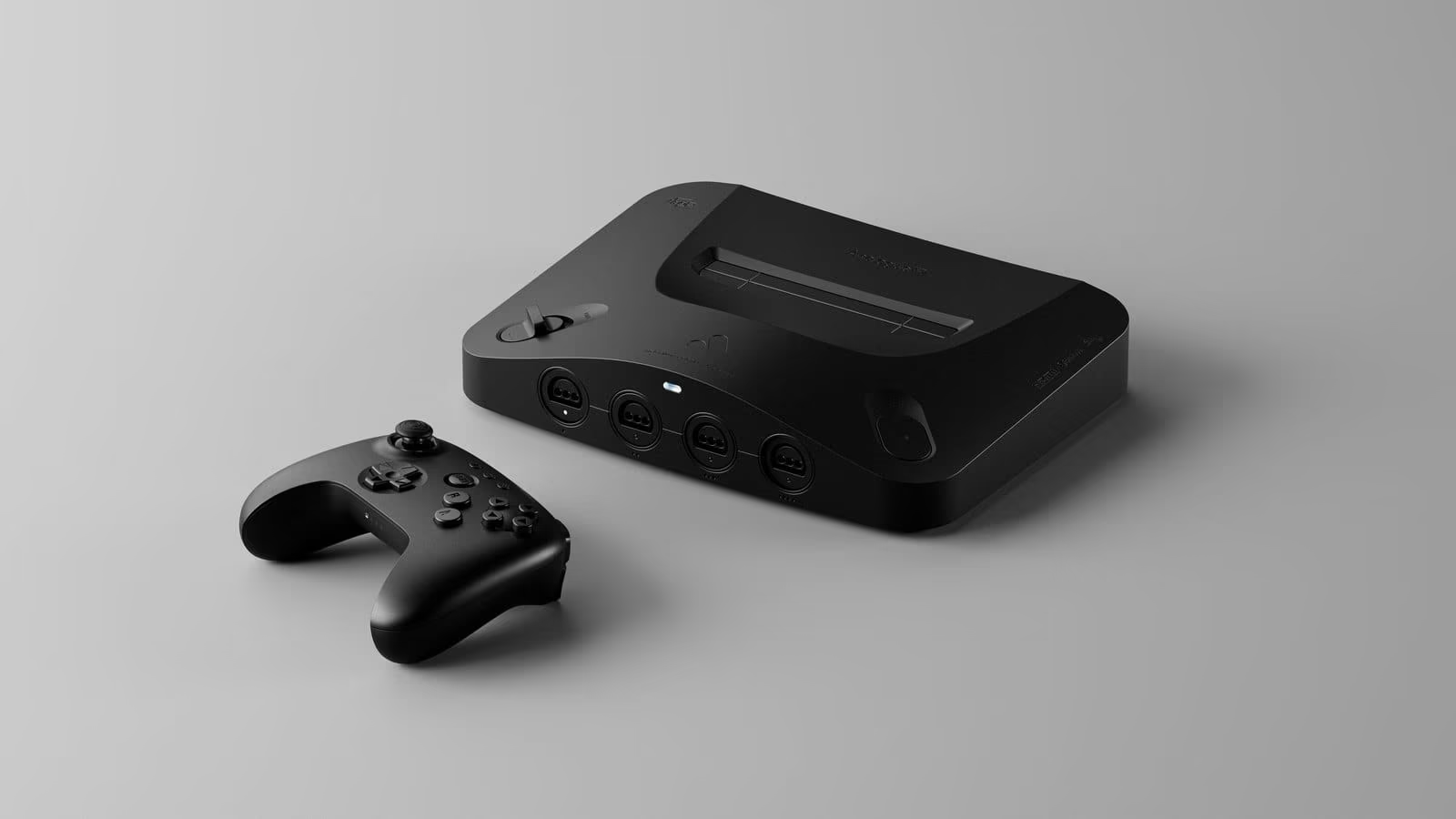
Analogue 3D Firmware 1.6.0 Adds Wi-Fi and Automatic Updates
3Dos 1.6.0, released on 18 November, switches on the Analogue 3D's dual-band Wi-Fi a year after launch, bringing over-the-air updates, network time and opt-in usage analytics.
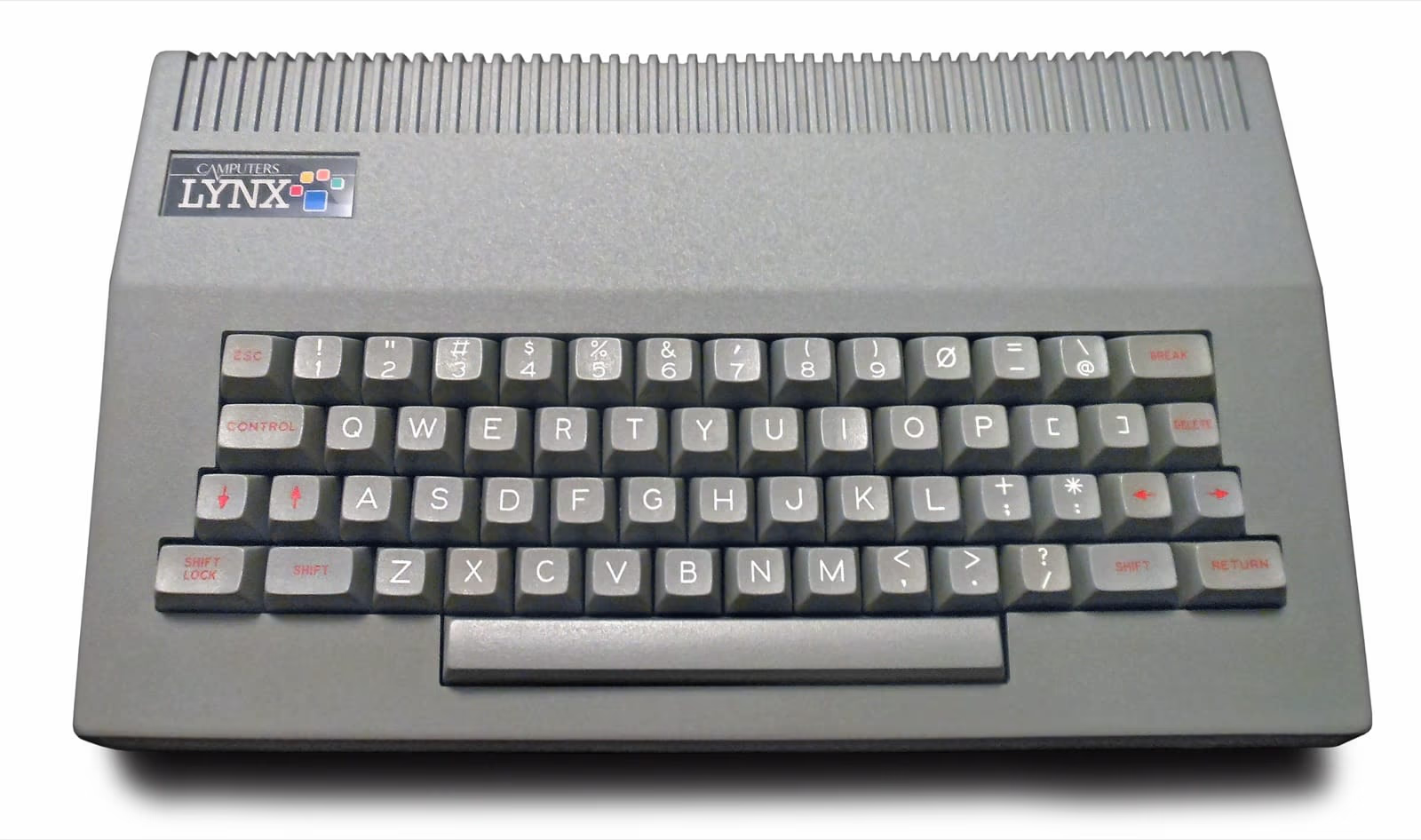
Camputers Lynx MiSTer Core Rebuilt With Disks, TZX Tapes and the 128K
Release 20261118 of MiSTer's Camputers Lynx core moves it onto Kyp's FPGA Lynx machines, covering the 48K, 96K, 96K Scorpion and 128K, and adds the LynxDOS disk interface, TZX and WAV tapes, a 4x tape turbo and on-screen loading hints.