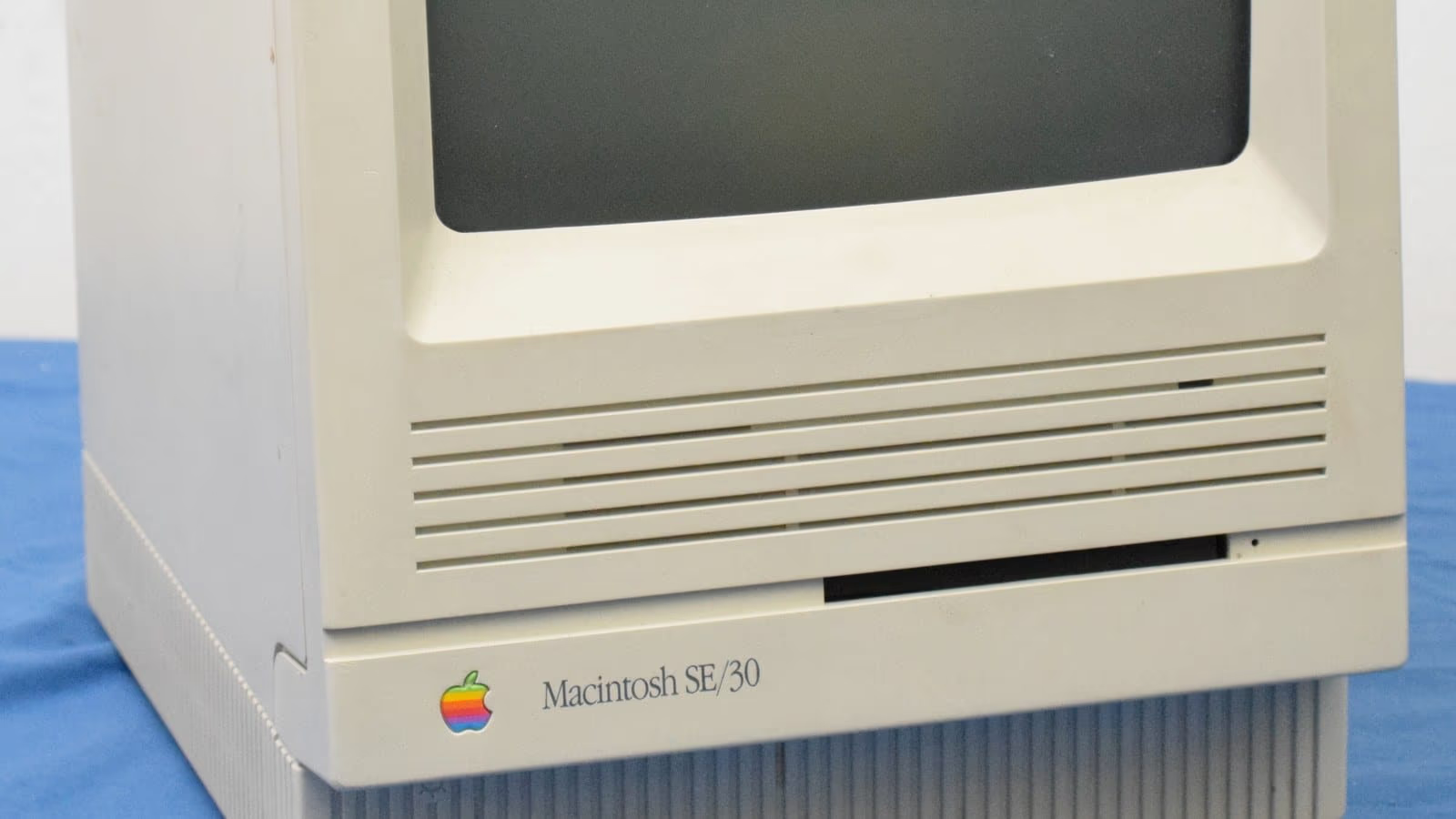
Image: Macintosh SE/30, photo: Shelby Jueden, CC BY 4.0, Wikimedia Commons (cropped)
Macintosh SE/30 and IIcx MiSTer Cores Now Run NetBSD
MiSTer's Macintosh SE/30 and Macintosh IIcx cores can now install and run NetBSD. Release 20261110, published to the MiSTer-devel organisation on GitHub on 11 November by developer Daniel Baum, corrects the timing of the emulated SCSI controller so that NetBSD 11.1 works on both machines. It is the sixth release in five weeks for a pair of cores that had no release before October, and the second Unix they have gained in that time, after Apple's own A/UX.
What changed in release 20261110
The fix is in the 53C80, the chip that runs the Mac's SCSI bus. The release notes say the chip now holds its ACK line until the next DMA write after the drive lowers REQ, "as the chip's documentation describes". With that handshake right, NetBSD 11.1 for 68k Macs installs and runs on both cores.
There are two conditions, both set out in the README. NetBSD has to be installed and run with its SBC kernels, INSTALLSBC and GENERICSBC. The standard GENERIC and INSTALL kernels hang at the message "waiting for devices: scsibus0 sd0", which the README attributes to a bug in NetBSD's ncrscsi driver. And at one bit per pixel, which means the SE/30's built-in screen or the IIcx set to black and white, NetBSD 11.1 shows a blank console. The README calls that a NetBSD 11.1 bug too, already fixed in NetBSD's development branch.
The same release slows the IIcx's video card down slightly, on purpose. The card now takes the two wait states that Apple documents for its video memory, so that, in the release notes' words, "drawing runs closer to a real card's speed".

Five weeks of releases
The cores have moved quickly, and the repository's release notes show how.
- 9 October. The first release of the SE/30 core: a 68030 with its memory management unit and caches, the 68882 floating-point chip, floppy reading, writing and formatting, SCSI hard disks and CD-ROM, sound, and 8 or 16 MB of memory in 24-bit and 32-bit modes.
- 12 October. A second core from the same source tree, the Macintosh IIcx, with Apple's Macintosh II Video Card in a NuBus slot and the IIcx's soft power switch.
- 24 October. Both cores run A/UX 3.1 with its X11 clients, after fixes to how the processor handles bus errors and page faults. The IIcx's HDMI output began working in every video mode, where only 1080p had before.
- 2 November. More 68030 fixes for bus-error recovery and tracing, checked against the MC68030 User's Manual, with a changelog file listing every change made to the processor.
- 7 November. Memory options of 32 and 64 MB, for MiSTers with 64 MB and 128 MB SDRAM modules, and a fix for a regression from the previous release that made A/UX's
cccompiler report "Memory fault" on every run.
According to the README the cores boot System 6.0.5, 6.0.8, 7.1 and 7.5.5 from floppy or SCSI. The processor runs at the SE/30's 15.67 MHz and is described as timed to match a real machine. The SE/30 core needs three ROM files in games/MACSE30, and the IIcx its own set of three in games/MACIICX, plus a bootable floppy or hard disk image. A hard disk image needs an Apple partition map and driver. Both are in MiSTer's main distribution, in the _Computer folder, alongside the existing Mac Plus, Mac LC and Quadra 800 cores.
The README says the SE/30 was built from Apple's own material, namely the Guide to the Macintosh Family Hardware, the schematic and the chips' manuals, with the MAME and WinUAE emulators used as cross-checks. The processor is the TG68K core with a 68030 memory management unit, extended to the full 68030 bus and caches. The release notes describe much of the debugging as generated test sweeps, such as "an interrupt at every clock around every fault shape". Each release commit carries a co-author line crediting the AI model Claude Opus 5.5. The repository does not say how the work was divided.
Why Unix on an SE/30 matters
Apple sold the SE/30 from January 1989 to October 1991, at prices from $4,369 to $6,569. It put the same 16 MHz 68030 and 68882 as the Macintosh IIx into the compact case with a black-and-white screen, and Wikipedia's history of the machine calls it the fastest of the original black-and-white compact Macs. The IIcx, sold from March 1989 to March 1991, matched the IIx's performance in a smaller desktop case with three NuBus slots.
The 68030 is the reason Unix is possible at all. A/UX, Apple's first official Unix, launched in 1988 and required a Mac with a floating-point unit and a paged memory management unit. The SE/30 has both: the 68882, and the memory management unit that is part of the 68030. Apple did not support A/UX on the SE/30 at launch, although the machine could run it. A/UX was discontinued in 1995 with version 3.1.1.
The release notes show what it took to get there on an FPGA. Running A/UX needed fixes to bus errors, exception frames and the restarting of instructions after page faults, and the two releases that followed kept correcting the same area of the processor. NetBSD is a second Unix exercising it, and a current one: version 11.1 was released on 2 November 2026.
The cores also keep one of the real machine's quirks. The SE/30's ROM is not 32-bit clean, so using more than 8 MB under the classic Mac system means installing Apple's MODE32 extension, exactly as it did on the hardware.
What is missing
The README lists what the cores do not have: serial ports and LocalTalk, CD audio, an external floppy drive, the programmer's switch, and expansion cards, meaning the SE/30's processor direct slot and the IIcx's NuBus slots beyond the video card. It does not say which of those are planned.
Two warnings in the documentation are worth reading before setting up. Mounting the same disk image in both SCSI slots will quickly destroy it, and the core cannot detect the mistake. And A/UX should be shut down from the Finder before the core is reset, because it holds recent writes in memory.
New to MiSTer? Which MiSTer to buy and how to set it up covers the hardware, Update All and installing cores.
Sources
- MiSTer-devel on GitHub: Macintosh SE/30 and IIcx for the MiSTer Board
- MiSTer-devel on GitHub: MacSE30_MiSTer: commit history and release notes
- MiSTer-devel on GitHub: MacSE30_MiSTer: releases folder
- MiSTer-devel on GitHub: Distribution_MiSTer: _Computer folder
- Wikipedia: Macintosh SE/30
- Wikipedia: Macintosh IIcx
- Wikipedia: A/UX
- Wikipedia: NetBSD
More News
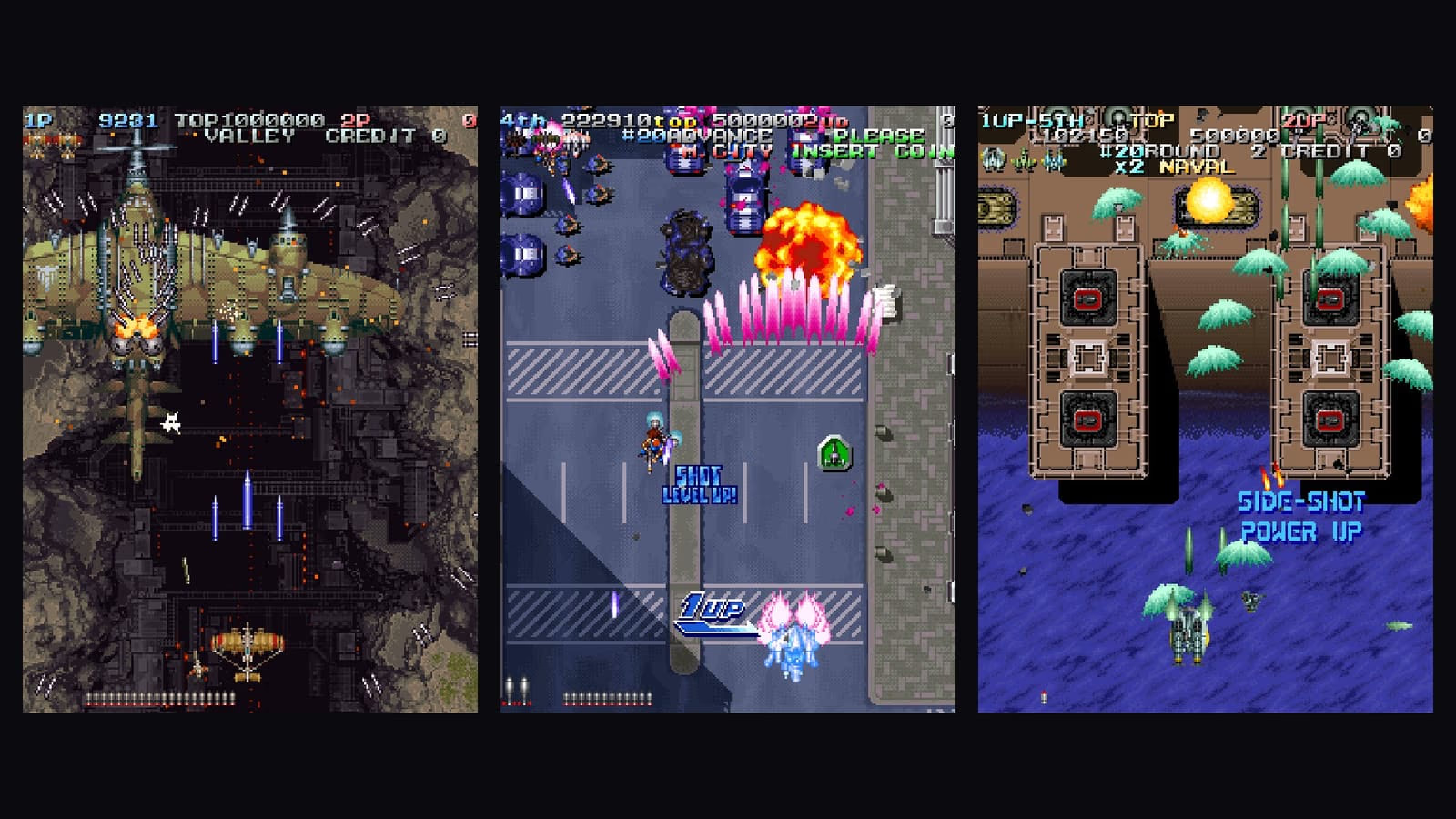
Arcade-RaizingMD Core Brings Battle Garegga and Batrider to MiSTer-devel
A rewritten open source core for Raizing's five Toaplan-based shooters, from Sorcer Striker to Battle Bakraid, was published to the MiSTer-devel organisation on 15 November. Its author says the old code was replaced and retuned against measurements from real boards.
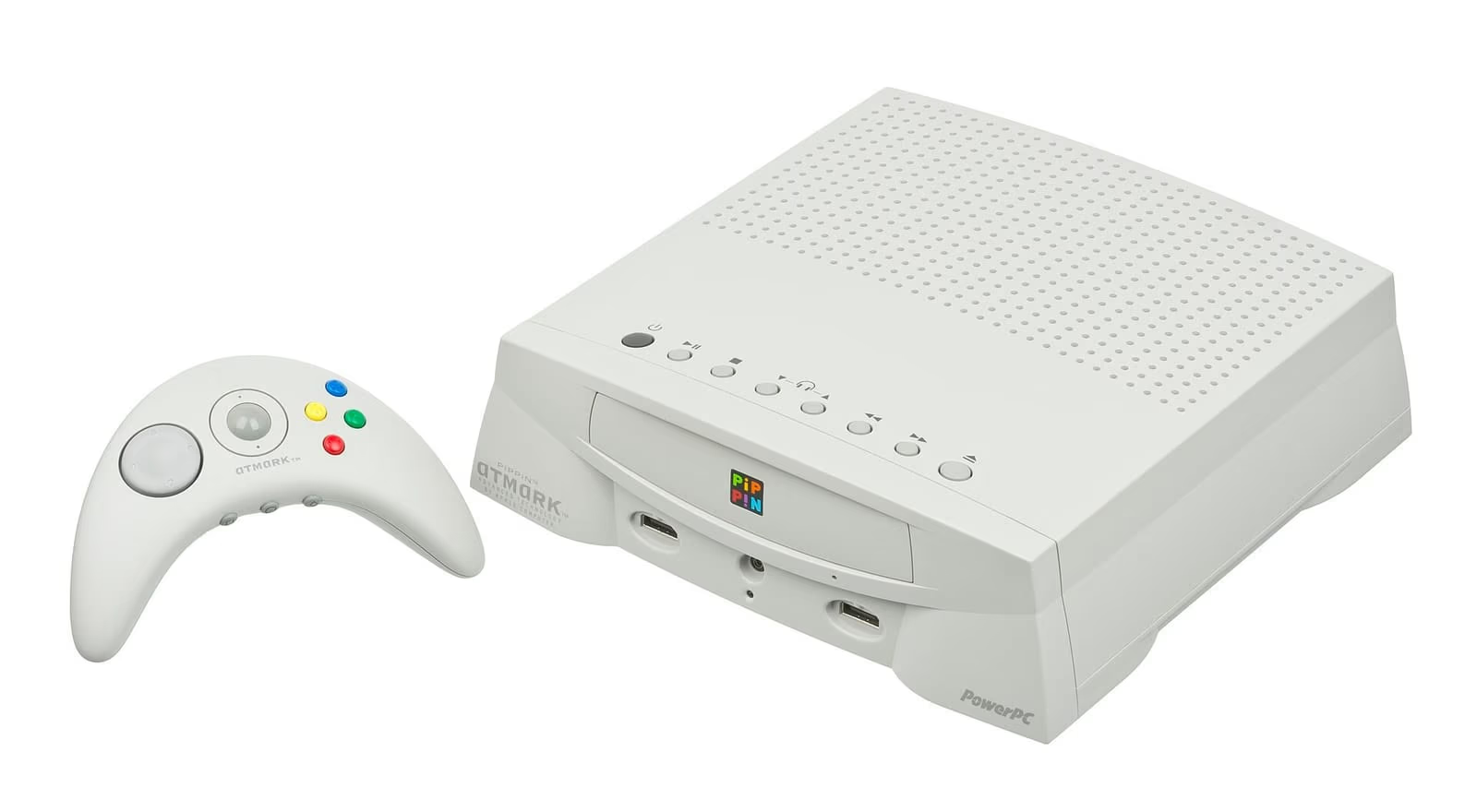
Bandai Pippin Gets a MiSTer Core
Dani Sarfati's BandaiPippin core, published to MiSTer-devel on 14 November, recreates Apple and Bandai's 1996 console down to its PowerPC 603. It boots the Pippin ROMs and four discs to their menus; playing titles through is not yet tested.
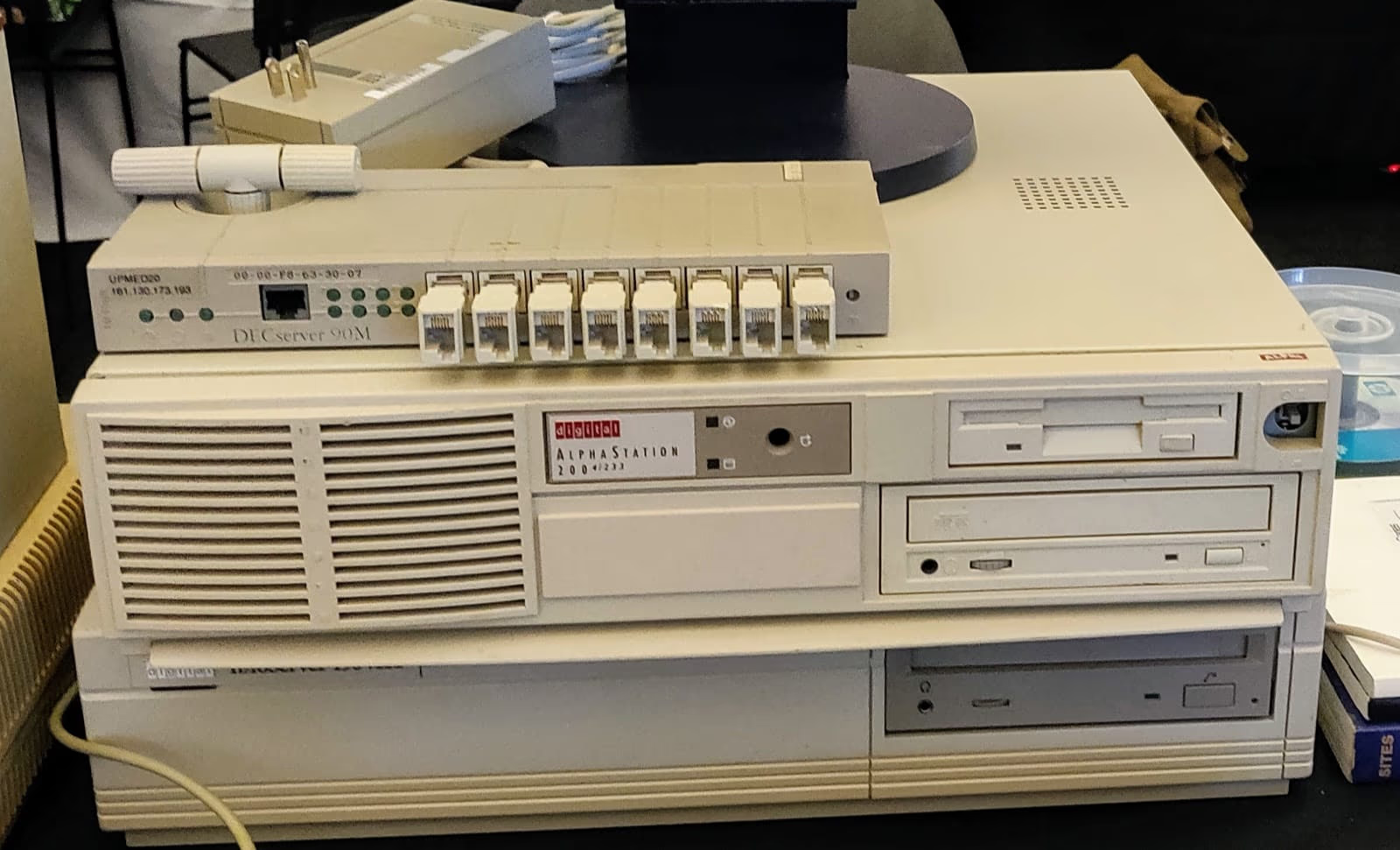
MiSTer Gets a DEC AlphaStation 200 Core That Runs OpenVMS, Tru64 and Windows NT
Dani Sarfati's DECAlphaStation200 core puts DEC's 1995 Alpha workstation on the MiSTer with its own SRM and ARC firmware, and boots OpenVMS, Tru64 UNIX, NetBSD, FreeBSD, Windows NT 4.0 and a Windows 2000 release candidate.