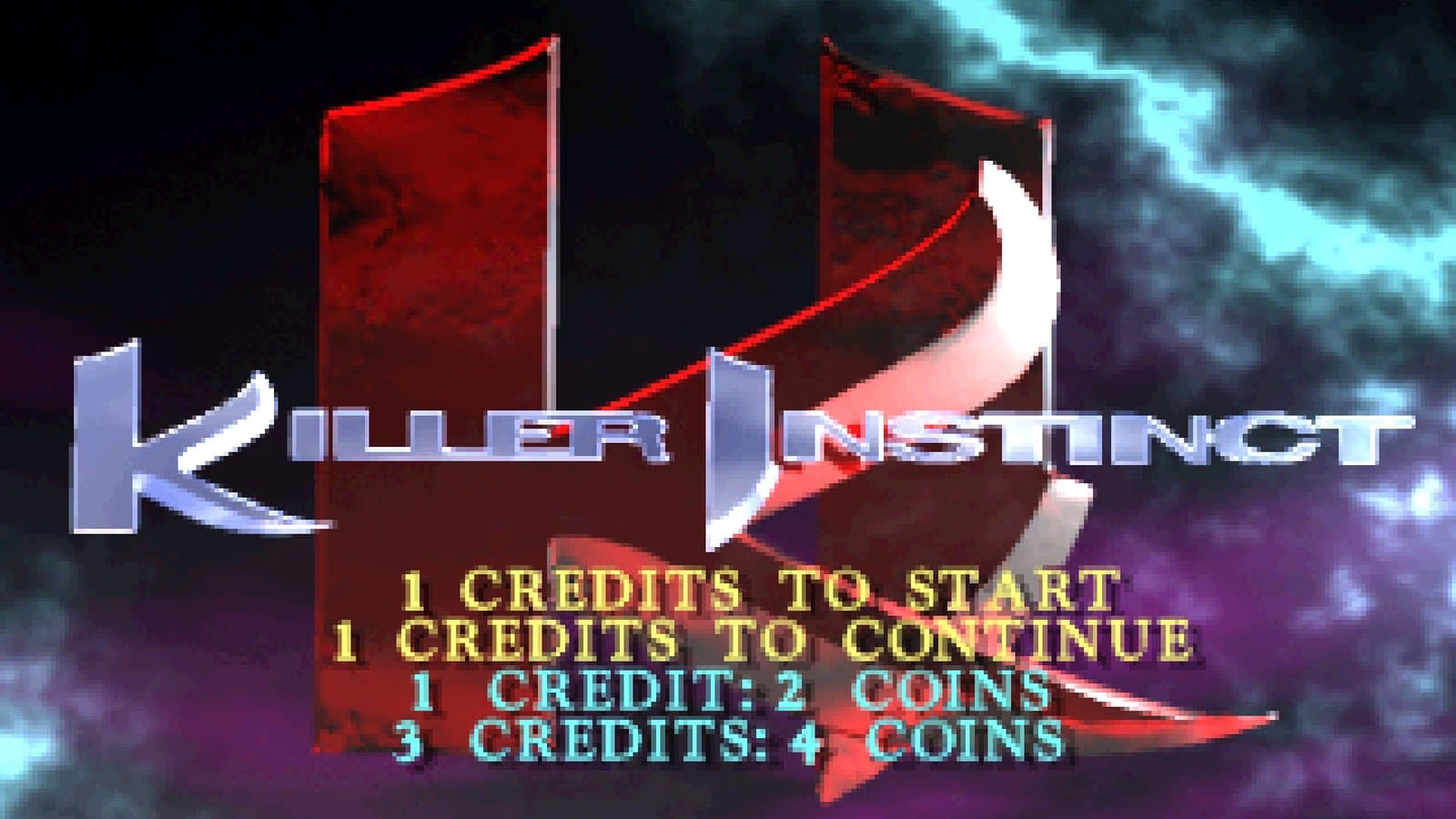
Image: Killer Instinct title screen, image from the Arcade-KillerInstinct_MiSTer repository. Killer Instinct © Rare and Midway 1994
Killer Instinct MiSTer Core Measured Against a Real Arcade Board
The Killer Instinct core for MiSTer has a new build and, with it, numbers from a real arcade board to be judged against. Developer Keith Conger published build 20261110 to the MiSTer-devel organisation on GitHub on 11 November, a day after updating a report that runs the same test ROM on the core and on an original Killer Instinct board and lists every place the two differ. The core's documentation says both games "boot and are fully playable on MiSTer".
What the core runs
The core recreates the Midway arcade hardware behind Killer Instinct (1994) and Killer Instinct 2 (1996). It needs an SDRAM module, of any size. According to the README it implements an R4600-compatible MIPS III processor with its caches, exceptions and interrupts; Midway's DCS audio, with all eight sound ROM banks; the original 320 by 240 video; and the board's hard disk, read as a raw disk image through MiSTer's mounted-image interface.
The options are the ones arcade cores usually offer, plus a few specific to these games: native or 60 Hz timing for CRTs, original or widescreen aspect ratios, a horizontal crop of 2 pixels for the first game and 8 for the second, a core pause, MAME-compatible keyboard mappings and DB15 controllers through SNAC. The repository includes character move lists as PDFs, in 4:3 and 16:9 layouts, which can be copied to the SD card and opened from the Help menu in the core's on-screen display.
Setting it up takes more than a ROM file, because the games shipped on hard disks. The core wants MAME's merged kinst.zip and kinst2.zip in games/mame/, and the disk for each game as a raw sector image, because MiSTer's image interface cannot take MAME's CHD files. The README gives the conversion, done with MAME's chdman extracthd command, which turns kinst.chd into kinst.img and kinst2.chd into kinst2.img. The images go in games/kinst/ and games/kinst2/. No game data is included.
The releases folder has launcher files for Killer Instinct v1.5d and Killer Instinct 2 v1.4, with earlier revisions in an alternatives folder: v1.3, v1.4 and a v4.7 prototype of the first game, and v1.0, v1.1 and v1.3 of the second. Each also has a variant that starts through ki-rom, nekuz0r's custom boot ROM for the arcade board.

Measured against a real board
The report is the unusual part. It compares results from a memory, CPU and disk test ROM on two machines: a real Killer Instinct board, measured on 9 November by MisterAddons, and the core's release build, measured on 8 November. Timings are given in CPU cycles and each figure is the best of three runs.
The headline results:
- CPU tests. The board passes all 252 tests in the current test ROM, 2,708 individual checks. With every processor feature switched on, the core passes all 252 as well, and its processor identification registers match the board's exactly.
- A whole frame. The report replays the sprite drawing of what it calls Killer Instinct 2's heaviest frame, a barrel explosion made of 10 sprites. The core finishes it in 3,615 thousand cycles against the board's 3,660 thousand, 1.2 percent faster, and both produce the same checksum, which means the rendered picture is identical.
- Memory. Uncached reads from the board's fastest memory run at 98.0 percent of the board's speed on the core, and cached reads at 99.5 percent.
- Video timing. The frame period matches to 0.03 percent: 58.96 Hz on the board, 58.98 Hz on the core.
The report is just as specific about where the core is off. Its instruction cache is direct-mapped where the board's is two-way, so code that alternates between two blocks 16 KiB apart runs at 6.08 cycles per instruction against 1.00. Uncached byte stores take 35.98 cycles against 7.99. The vertical blanking period is 234 microseconds shorter than the board's. In the other direction, the core reads its disk 31 percent faster than the board does, and its multiplies and divides finish two to five cycles sooner.
The builds people download are not the full-feature configuration. Release builds switch off six processor features that, the report says, the games never use, such as trap instructions and floating-point exceptions. In that form the core fails 45 of the 252 tests, every one of them a test of a disabled feature. "None of them affect the game," the report says.
Testing against hardware also corrected the test itself. An earlier version of the ROM expected a particular value in one of the processor's error registers, and the real board failed that test. Further measurements showed the chip only behaves that way for user-mode loads and stores, so the test was rewritten. Four accuracy fixes then went into the core, one of them that corrected rule, and the full-feature build now passes the whole set.
The hardware behind the games
Killer Instinct was developed by Rare and released in arcades by Midway in October 1994. Its board was a proprietary design co-developed by the two companies and created by Chris Stamper and Pete Cox, built around a 64-bit MIPS processor, an R4600 clocked at 100 MHz. Wikipedia's account of the game describes it as the first arcade game to use an internal hard disk drive alongside its ROMs, which gave it the room for its pre-rendered characters and backgrounds. The sequel followed in 1996 on the same hardware.
That design is why the core borrows from two very different places. The processor is adapted from the VR4300 in MiSTer's Nintendo 64 core; the repository's history shows Conger reworking it to identify and behave as an R4600 between 31 October and 3 November. The DCS sound modules are adapted from blahm1d's Wolf Unit core, which recreates another Midway arcade platform. MAME's driver for the game served as a reference.
For most players the home versions were the only way to play. The Super Nintendo port of 1995 cut the game down heavily and still sold 3.2 million copies, and Killer Instinct 2 reached the Nintendo 64 in modified form as Killer Instinct Gold. The arcade versions themselves came home as Killer Instinct Classic and Killer Instinct 2 Classic, ports developed by Code Mystics and bundled with editions of the 2013 Xbox One game. The first of those offers the game's 1.4 and 1.5D revisions.
What is not known yet
The core is not listed in the arcade folder of MiSTer's main distribution as of 12 November, so for now builds come from the repository's releases folder. There are no tagged releases and no changelog: the repository began on 26 August and its builds are identified only by date.
The report itself lists what is left to close, including the instruction cache layout, the slower uncached stores and the short vertical blank. It does not say whether any of those differences can be seen or felt in play, only that the frame it measured renders identically.
New to MiSTer? Which MiSTer to buy and how to set it up covers the hardware, Update All and installing cores.
Sources
- MiSTer-devel on GitHub: Killer Instinct MiSTer core
- MiSTer-devel on GitHub: Killer Instinct Test ROM: MiSTer Core vs Original Hardware
- MiSTer-devel on GitHub: Killer Instinct core: commit history
- MiSTer-devel on GitHub: Killer Instinct core: releases folder
- nekuz0r on GitHub: ki-rom: Killer Instinct arcade custom boot ROM
- blahm1d on GitHub: wolf-unit: Midway Wolf Unit arcade core for MiSTer
- MiSTer-devel on GitHub: Distribution_MiSTer: _Arcade/cores folder
- Wikipedia: Killer Instinct (1994 video game)
- Wikipedia: Killer Instinct 2
More News
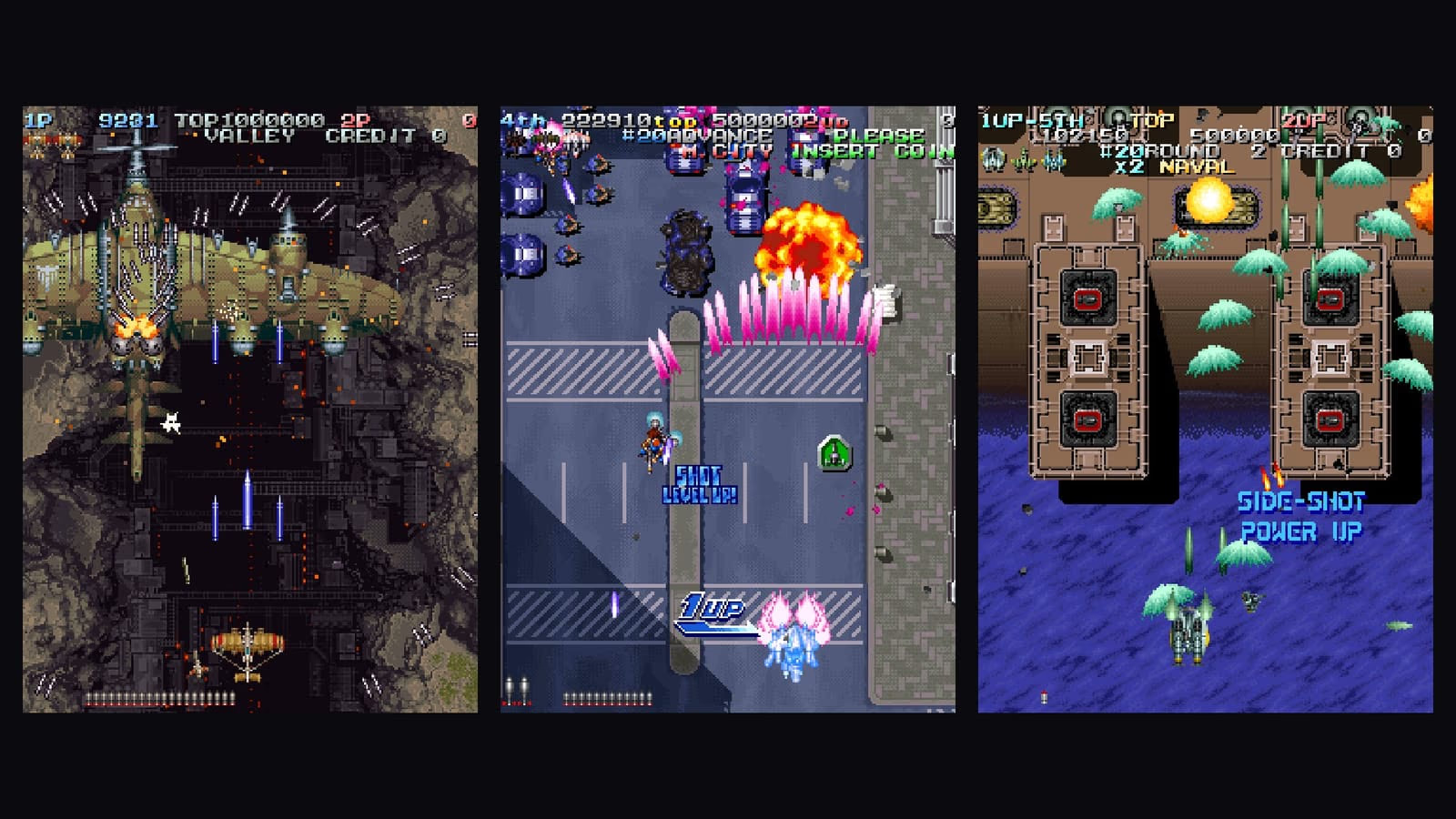
Arcade-RaizingMD Core Brings Battle Garegga and Batrider to MiSTer-devel
A rewritten open source core for Raizing's five Toaplan-based shooters, from Sorcer Striker to Battle Bakraid, was published to the MiSTer-devel organisation on 15 November. Its author says the old code was replaced and retuned against measurements from real boards.
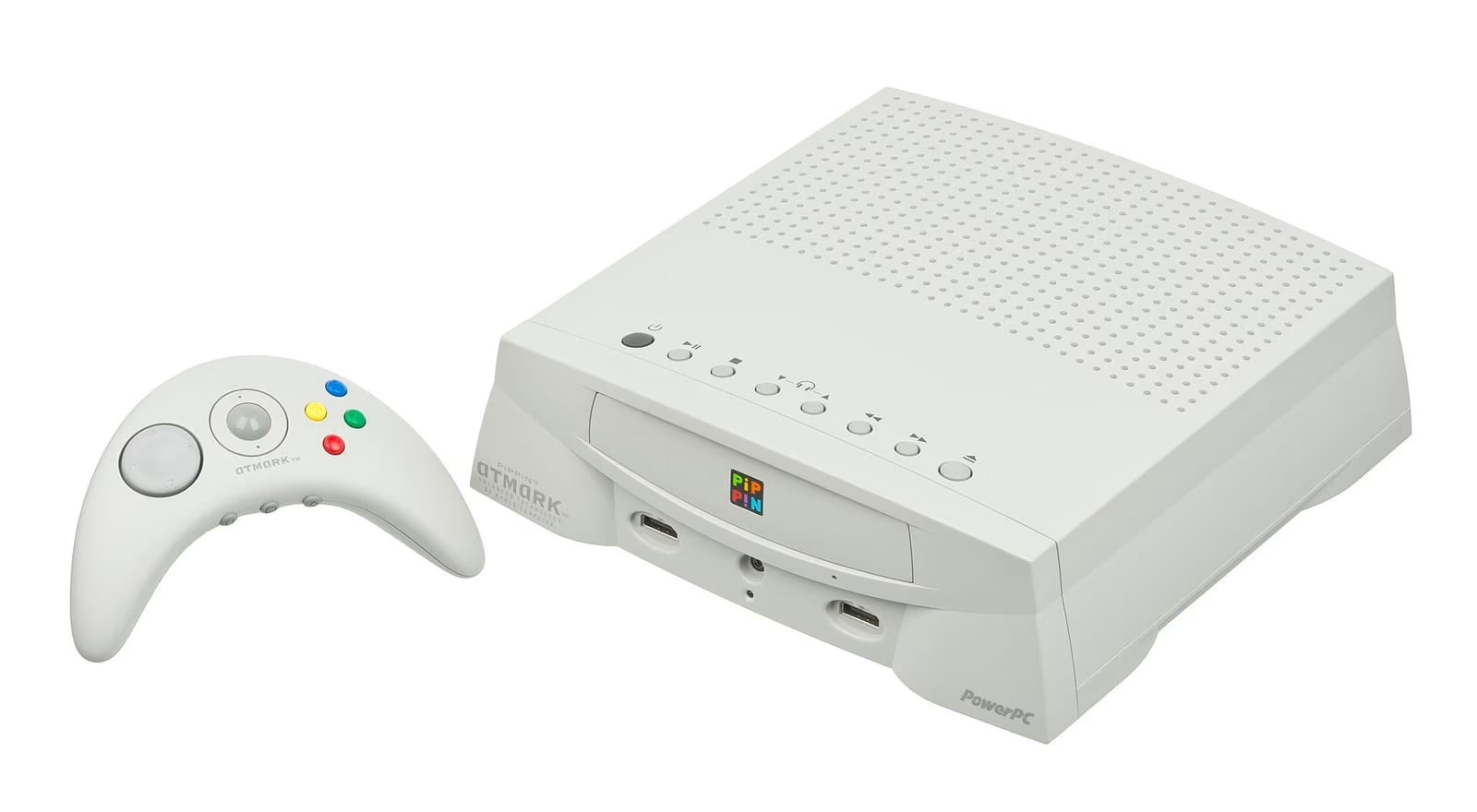
Bandai Pippin Gets a MiSTer Core
Dani Sarfati's BandaiPippin core, published to MiSTer-devel on 14 November, recreates Apple and Bandai's 1996 console down to its PowerPC 603. It boots the Pippin ROMs and four discs to their menus; playing titles through is not yet tested.
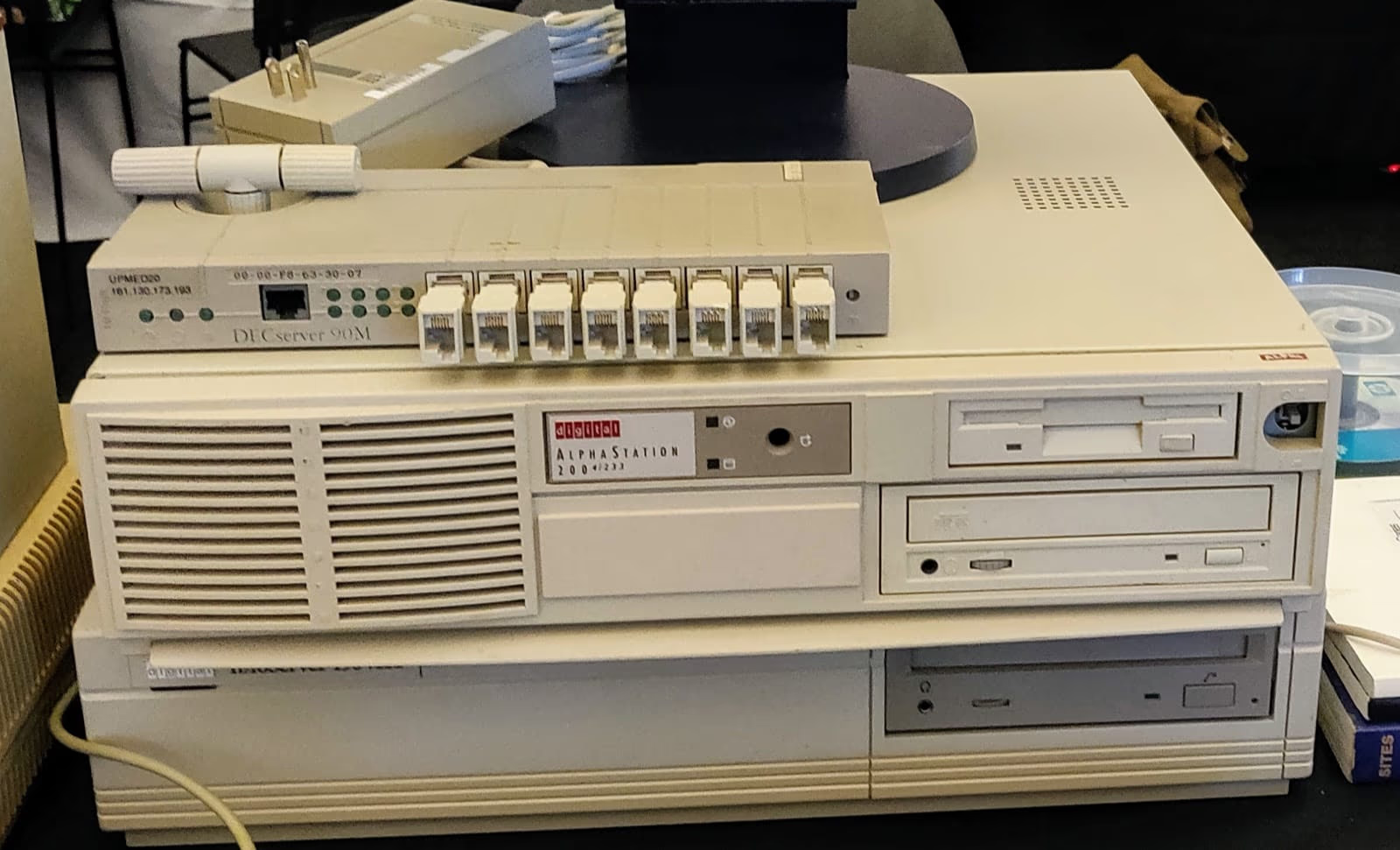
MiSTer Gets a DEC AlphaStation 200 Core That Runs OpenVMS, Tru64 and Windows NT
Dani Sarfati's DECAlphaStation200 core puts DEC's 1995 Alpha workstation on the MiSTer with its own SRM and ARC firmware, and boots OpenVMS, Tru64 UNIX, NetBSD, FreeBSD, Windows NT 4.0 and a Windows 2000 release candidate.