Image: Cart & Pixel
GF1 Neptune: GamesCare Says It Can No Longer Build Its FPGA Sega Neptune Itself and Is Looking for a Manufacturer
GamesCare, the Brazilian company building the GF1 Neptune, an FPGA console that recreates the Mega Drive and 32X combination Sega cancelled in 1995, says it can no longer afford to manufacture the machine itself and is looking for a partner to build it. The statement, posted in Portuguese on the company's X account on 2 November, answers what it calls many emails asking when the console will finally go on sale. The answer is that there is still no date, no price and no pre-order, and that the hardware is finished.
What GamesCare said
The post sets out the history first. The project "tomou forma em meio à pandemia", took shape in the middle of the pandemic, and "a primeira versão da nossa placa ficou pronta em 2024", the first version of the board was ready in 2024, which the company points out was before AI tools were helping with this kind of engineering. It calls the work "um trabalho de engenharia complexo e de pura persistência", a complex engineering job of pure persistence.
Then the setback. Over those years, the company writes, it ran into "alguns problemas relacionados a pessoas que integravam o ecossistema do projeto", problems related to people who were part of the project's ecosystem. It does not say who, or what happened, only the result: "essas complicações acabaram tirando nossos recursos financeiros e a capacidade de fabricar o console por conta própria, mesmo que em pequenas quantidades". In translation: "these complications ended up taking away our financial resources and the ability to manufacture the console on our own, even in small quantities".
The response has been a change of strategy, "procurar ativamente por empresas parceiras dispostas a fabricar o hardware", actively looking for partner companies willing to manufacture the hardware. The company restates the principle it has held since the reveal: it wants to sell a finished console that a buyer can watch a review of, decide on and receive quickly, rather than making people wait months or years for a crowdfunding or pre-order delivery, which it says is a preference, not a criticism of anyone. Then one plain sentence: "Encontrar esses parceiros comerciais tem sido uma tarefa difícil." Finding these commercial partners has been a difficult task.
The rest is morale. Many people have registered interest on the official site, GF1Neptune.com, a number the company says it reached organically and does not give. "Isso só nos dá mais força para continuar", that only gives us more strength to keep going. It closes with "Cadastre-se no site! O console esta pronto!", sign up on the site, the console is ready, a contact address, and a link to a live stream from 23 May in which the YouTube channel Minicastle Org played the GF1 Neptune, as its title puts it, direct from GamesCare in São Paulo. Time Extension and Generation Amiga both reported the statement on 3 November; Generation Amiga notes that GamesCare has given no breakdown of the losses, no verified figure for registrations, and no confirmed manufacturing agreement.
What the GF1 Neptune is, and the dates it has missed
The console was announced in June 2024 and shown on 30 June at Gamescom Latam at the São Paulo Expo. Canaltech, previewing that panel, described a console fully developed in Brazil that plays Mega Drive and 32X cartridges, with HDMI at Full HD, an SD card slot, wireless connectivity, analogue video and audio, and a port for the Sega CD add-on. RetroRGB's write-up after the reveal added the detail that matters to cartridge owners: it is FPGA-based, should take Mega Drive and 32X cartridges from every region, takes Master System cartridges through an adapter, outputs analogue video through a Genesis 2 style mini-DIN alongside HDMI, is close to a Genesis 2 in size, and connects to a real Sega CD. Loading Sega CD games from the MicroSD card was expected to come after launch, if at all. GamesCare also previewed Sword of Apocalypse, a new game written for the machine.
In an interview with Retro Dodo that July, the company described itself as "a small company focused on producing equipment aimed at old video games based in Brazil", said the console "would only be possible using Fpga, otherwise there would be no way to meet the demand", and named its hardest problem: "The biggest difficulty today is finding chips dedicated to this type of analog video output." It also said a Brazilian company built the 3D model of the case "based on photos of the original prototype", sized to sit on a Sega CD Model 2.

The dates have slipped twice, and the company's own words trace the slide. On 1 July 2025 it opened an interest list with a post on X, in English: "The release date is almost here, December 2025, as we announced at Gamecom Latam. We are on a mission to bring the console ready for delivery on this date without any kind of pre-order or collective financing." RetroRGB reported the list the same day with the words "GamesCare IS NOT TAKING PRE-ORDERS." On 8 December 2025 a statement carried by Time Extension moved the date: "Integrating these improvements will require additional development time. For this reason, we have made the decision to move the launch window to next year." The improvements were to the cores and software, being prepared "with the help of members of the community", and the aim was to "ensure that both the software and the cores provide a stable and high-quality experience."
On 14 May 2026 GamesCare posted a video on its own YouTube channel, "GF1 Neptune rodando knuckles Chaotix 32x", showing the console running Knuckles' Chaotix from a Mega EverDrive Pro flash cartridge on its 32X core. Time Extension quoted the accompanying statement: "The GamesCare team has been working with total dedication over the past few months," and "Our main focus is to deliver the most incredible product possible to your homes, honoring all the love and support we have received." The console was "up and running" with the "main planned cores", Mega Drive, Master System and 32X, and the company promised to thank "many important people in the community" in "a very special way soon". Six months later, the cores are not the problem. Money and a factory are.
No price has ever been announced. The closest GamesCare has come is the July 2025 post: "We will announce the price as soon as possible, but I can already say that it will be on average for similar consoles." RetroRGB read that as something in line with other FPGA consoles that take original cartridges; GamesRadar+ warned readers in May to expect "a pretty eye-watering figure" for hand-built hardware in small batches. Both were guesses, and the company has not put a number on it.
The console Sega never shipped
The Neptune is one of the better-known ghosts of the 32-bit transition. Sega showed it in its 1995 catalogue as the "Genesis 32X System", a single box combining the Genesis and the 32X add-on, compatible with the Sega CD, and planned it for a winter 1996 release at under $200. Sega Magazine featured it in March 1995 as a sign of Sega's commitment to the 32X. The unit in the promotional material was a non-working mock-up of wood and plastic. Sega cancelled it in October 1995, worried that another platform would dilute its focus on the Saturn and that a sub-$200 hybrid sat too close to its 32-bit console. Retro Handhelds puts the planned price at $150 against the $160 32X and $180 Genesis of the time.
The 32X itself had launched in North America on 21 November 1994 at $159.99. Sega made 800,000 units and estimated it had sold 665,000 by the end of 1994, then discounted the rest, to $99 in September 1995 and finally $19.95, and discontinued it in 1996. About 40 games were released, with Capcom and Konami among the publishers who cancelled projects, and Sega later admitted it had "overpromised and underdelivered". A machine that was never built, for an add-on that lasted two years, has become a 30-year itch for Sega collectors, which is the demand GamesCare said it could only meet with FPGA.
What is not known
Who the "people who were part of the project's ecosystem" were, and what they did, is not explained, and Generation Amiga could not get a breakdown of the losses. There is no named manufacturing candidate, no timetable for finding one, no price, no release window and no pre-order, and GamesCare's own position is that there should not be a pre-order until the console can be reviewed as a finished product. The company says the console is ready. Whether anyone can build it is the open question. Readers deciding whether to wait can start with the FPGA explainer on what hardware recreation offers over emulation; for 32X games today, the alternatives are MiSTer's 32X core, by Sergey Dvodnenko, whose own status page says "Most games are playable and run without major issues" while cheats and saves are still missing, or an original add-on, which is the scarce, expensive thing the GF1 Neptune was meant to replace.
Updated 4 November 2026: added GamesCare's own statements from July and December 2025 and May 2026, as carried by Time Extension, and the company's own video of the 32X core.
Sources
- GamesCare (@GamesCareBRA): GamesCare on X: statement on the GF1 Neptune (Portuguese)
- GamesCare (@GamesCareBRA), as embedded by Time Extension: GamesCare on X: it's time to show your interest in the GF1 Neptune (1 July 2025)
- GamesCare on YouTube: GF1 Neptune rodando knuckles Chaotix 32x
- Time Extension: 'It Only Gives Us More Strength to Keep Going': the Unofficial Sega Neptune Has Hit a Roadblock
- Time Extension: 'Greetings Straight From The 32-bit Era': FPGA GF1 Neptune Console Shown Running Sega 32X Core
- Time Extension: 'We Believe This Is The Right Step': Unofficial FPGA Sega Neptune Gets Pushed Into 2026
- Generation Amiga: GamesCare's unofficial Sega Neptune faces production crisis after years of development
- MiSTer-devel on GitHub: Sega 32X for MiSTer
- GamesRadar+: Sega's cancelled Neptune console is finally a thing thanks to FPGA, and it's now running 32X games
- Minicastle Org on YouTube: Jogando GF1 Neptune direto da GamesCare - SP, live de 23/05/2026
- Generation Amiga: GF-1 Neptune FPGA console slips into 2026 for ultimate polish
- Retro Swap: The GF1 Neptune: an unofficial FPGA Sega Neptune launching in December
- RetroRGB: GamesCare GF1 Neptune Mailing List
- RetroRGB: GF1 Neptune Console Revealed
- RetroRGB: MiSTer FPGA News: FPGA Sega Neptune, MiSTer handheld update and more
- Canaltech: Console brasileiro que roda jogos de Mega Drive estará na Gamescom Latam
- Retro Dodo: A New Sega Neptune Console Has Been Revealed After Being Cancelled 29 Years Ago
- Retro Handhelds: GF1 Neptune: An FPGA of the Neptune We Never Got
- Wikipedia: 32X
More News
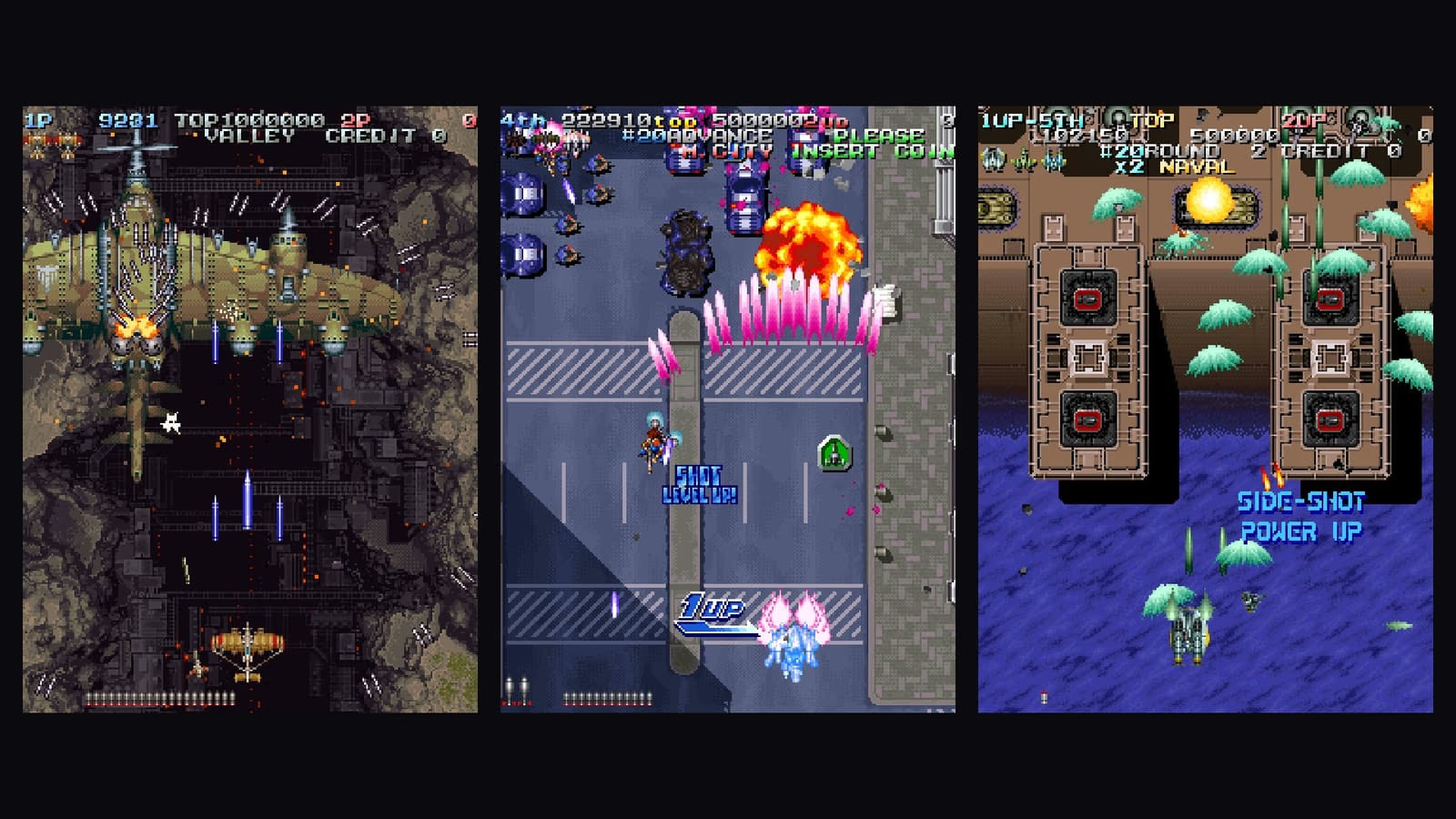
Arcade-RaizingMD Core Brings Battle Garegga and Batrider to MiSTer-devel
A rewritten open source core for Raizing's five Toaplan-based shooters, from Sorcer Striker to Battle Bakraid, was published to the MiSTer-devel organisation on 15 November. Its author says the old code was replaced and retuned against measurements from real boards.
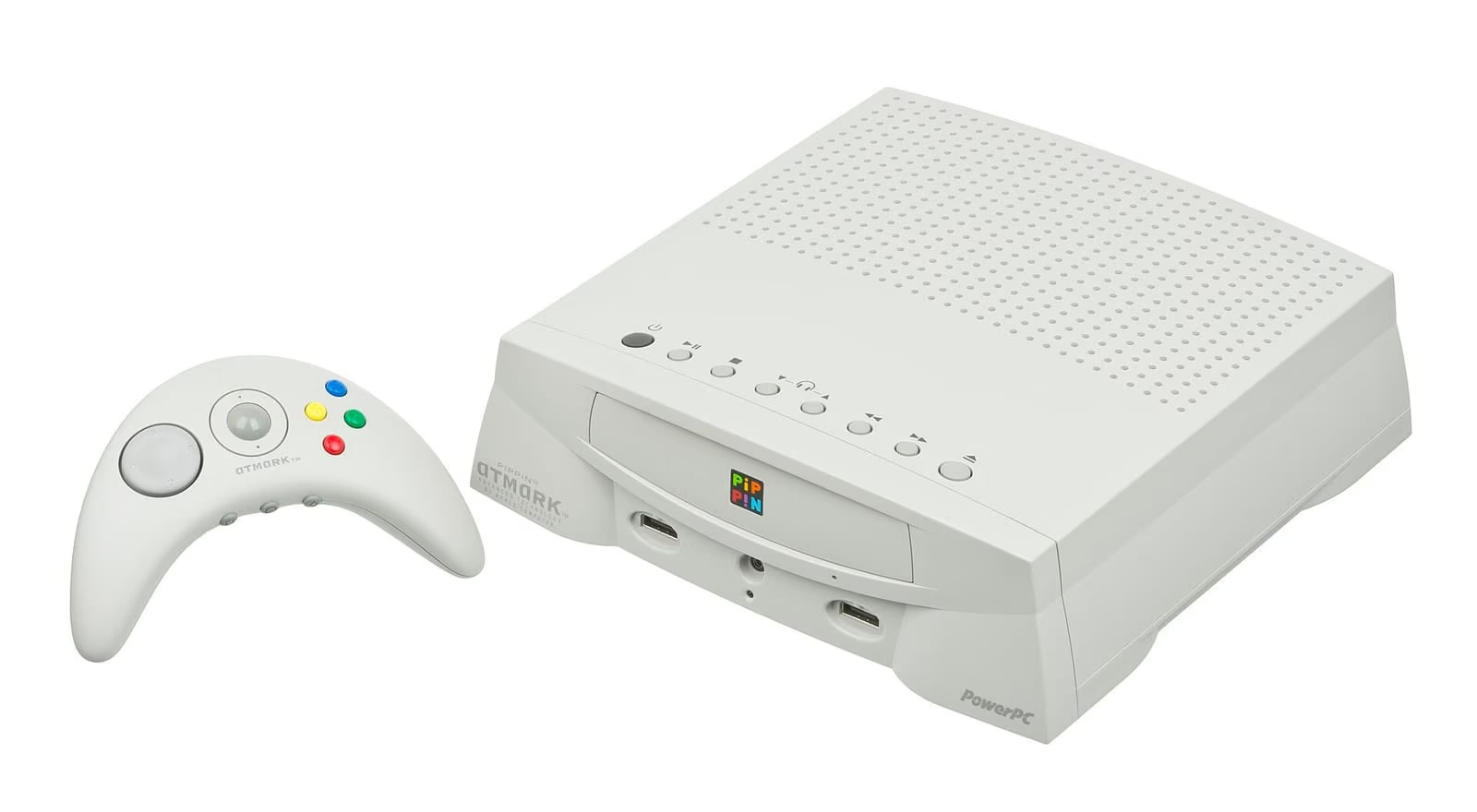
Bandai Pippin Gets a MiSTer Core
Dani Sarfati's BandaiPippin core, published to MiSTer-devel on 14 November, recreates Apple and Bandai's 1996 console down to its PowerPC 603. It boots the Pippin ROMs and four discs to their menus; playing titles through is not yet tested.
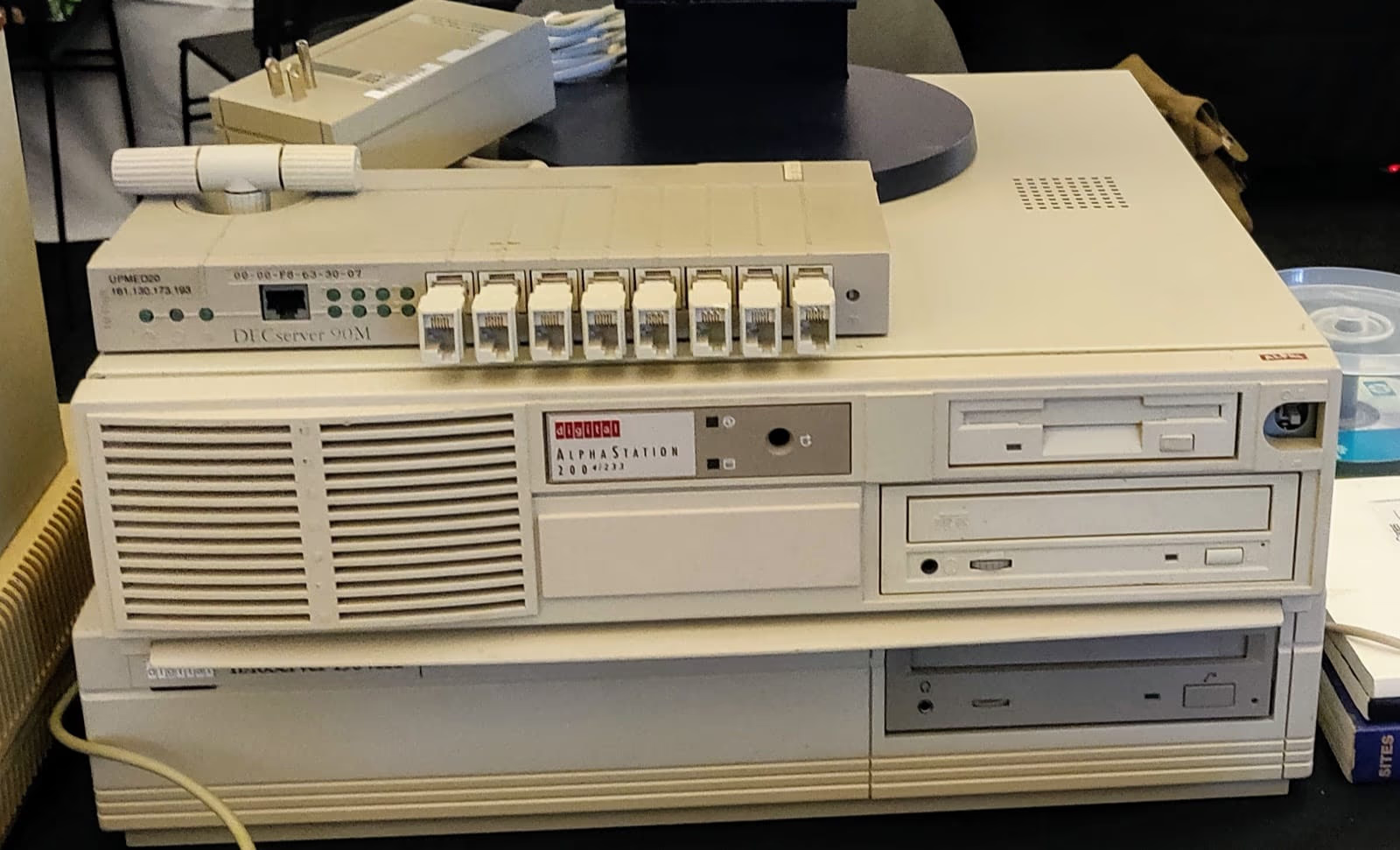
MiSTer Gets a DEC AlphaStation 200 Core That Runs OpenVMS, Tru64 and Windows NT
Dani Sarfati's DECAlphaStation200 core puts DEC's 1995 Alpha workstation on the MiSTer with its own SRM and ARC firmware, and boots OpenVMS, Tru64 UNIX, NetBSD, FreeBSD, Windows NT 4.0 and a Windows 2000 release candidate.