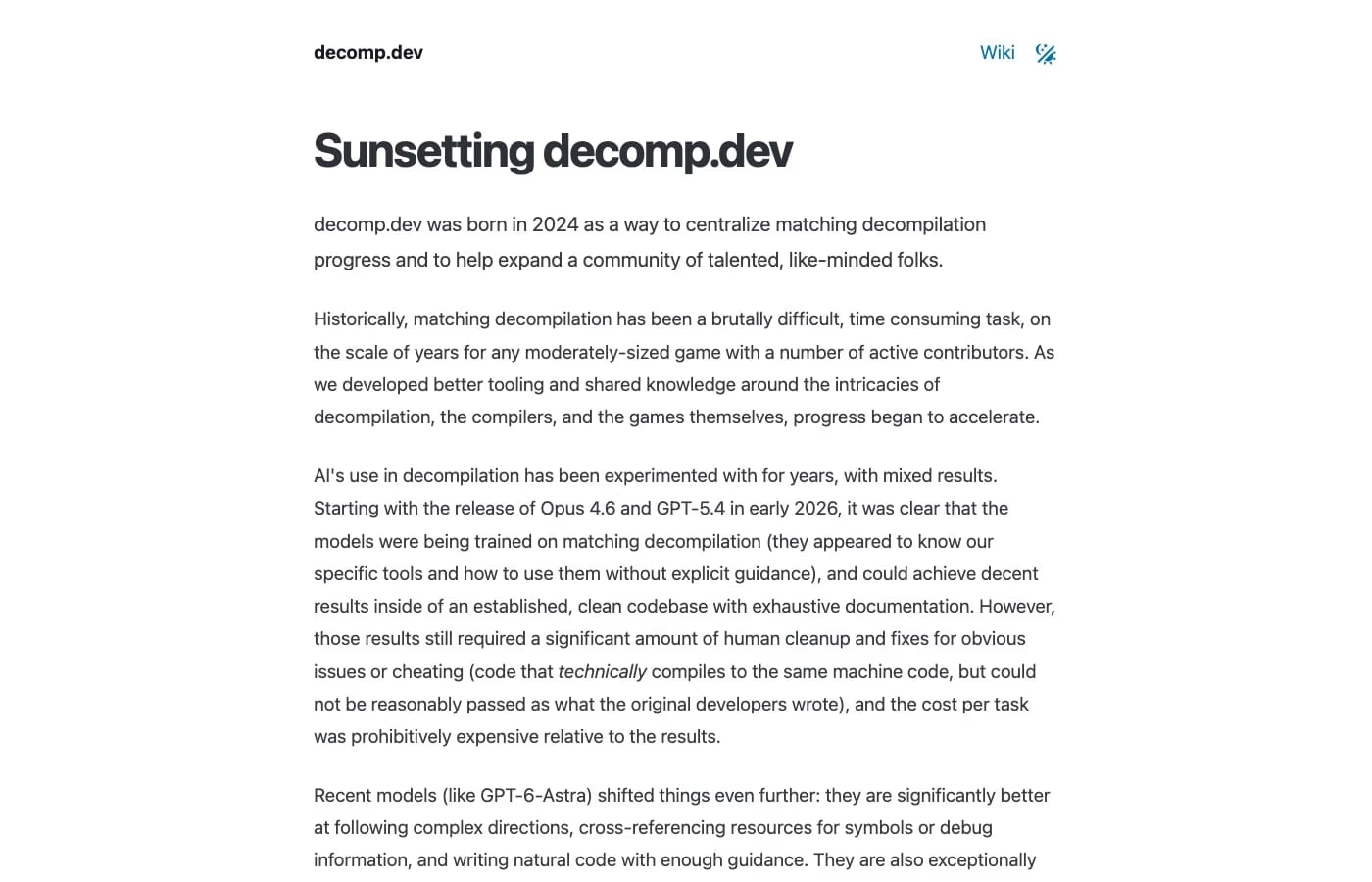
Image: decomp.dev, screenshot by Cart & Pixel
decomp.dev Shuts Its Public Index, Saying AI Has Broken the Decompilation Community
decomp.dev, the website that tracked the progress of matching decompilation projects for console games, has switched off its public index and stopped accepting new projects. A statement that replaced the site's front page on Thursday 15 October says "the community aspect of decompilation has been broken" by people using AI to fork other groups' work and rush out ports built on it.
What has closed, and what has not
The change is narrower than some headlines suggest. According to the statement, "decomp.dev will continue to track existing projects and serve individual project pages and historical data, but the main index and adding new projects are disabled." On 17 October the progress pages for individual projects still loaded: Super Smash Bros. Melee showed as 100.00% decompiled and 100.00% fully linked, and The Legend of Zelda: Twilight Princess as 100.00% decompiled and 87.13% fully linked.
What is gone is the front door: the list of projects, ranked by progress, that worked as a leaderboard for the whole scene. The statement also rules out a community-run replacement built on the same code. "decomp.dev's repository has never had an open source license," it says, and the author reserves all rights to what they describe as "(entirely human written)" code.
The statement is signed "@encounter" and links to the GitHub account of the same name, whose profile and personal site carry the name Luke Street. 404 Media, which reported the closure on 15 October, describes Encounter as the site's pseudonymous admin.

What matching decompilation is
Decompilation projects take a finished game and work backwards to source code. A matching decompilation sets a harder target. The community's own wiki, Decompedia, defines it as "the process of writing source code (typically C or C++) that compiles to the same exact binary as the original," which usually means finding and using the same compiler the original developers used.
That is why the work starts with the fifth console generation. According to Decompedia, full decompilation only became practical with the Nintendo 64, PlayStation and Saturn era, when games were mostly written in C and C++ rather than assembly language. Earlier consoles get disassembly projects instead.
The best-known example is Super Mario 64. The n64decomp group's repository went up on GitHub in June 2019, and Wikipedia records that a Windows version built from that source followed in 2020, adding widescreen and 4K support, and that Nintendo used a law firm to have videos and listings of the port taken down. The pattern of a long research project followed by a port that draws far more attention is central to the statement.
In Encounter's words, matching decompilation "has been a brutally difficult, time consuming task, on the scale of years for any moderately-sized game with a number of active contributors." decomp.dev launched in 2024 to put every project's progress in one place, and the statement says it was "originally designed to gamify decompilation."
Why it closed
The statement is not a blanket rejection of AI. It traces how models went from producing code that needed heavy human cleanup and "cheating" (code that compiles to the same machine code but that no human developer would have written) to being genuinely useful. It names Opus 4.6 and GPT-5.4 in early 2026 as the point when models appeared to know the community's own tools, and GPT-6-Astra as a further step: better at following complex directions, at cross-referencing debug symbols, and at writing small scripts that try many versions of a function until one matches.
The problem, it says, is behaviour. It lists three things. The first is forking an existing project to "finish" it with AI, whatever the original team's view of AI: "these kinds of hostile forks put little to no effort into meaningfully contributing to existing projects, tearing apart our community fabric." The second is racing to release ports from decompilations the porters did not help write, which the statement calls relatively easy next to the decompilation itself. The third is the word "decomp" coming to mean "PC port", which it blames on "Sloptubers and subreddits like /r/decomps."
That turned the leaderboard against its purpose. What began as a way to stay motivated "when every fraction of a percent took real human effort" has become, in the statement's words, "a hollow numbers game." Its conclusion: "I believe that decomp.dev serving as a public index and leaderboard is now causing more harm than good."
On why the site did not simply ban AI-assisted projects, the statement says "AI is not the issue by itself," and that moderation is out of reach for one volunteer: "As a sole hobbyist, I don't have the energy (or desire) to define what makes a "good" decompilation and enforce that consistently across the hundreds of projects on the site."
Who is behind it
Encounter's personal site describes building "tools for game decompilation and reverse engineering, with a focus on GameCube and Wii." Two of those tools are widely used: objdiff, a diffing tool that compares compiled object files function by function and supports ARM, ARM64, MIPS, PowerPC, SuperH and x86 code, and decomp-toolkit, a GameCube and Wii decompilation toolkit. Both are published on GitHub under the Apache 2.0 open source licence, unlike decomp.dev itself.
The same site shows that the complaint is not about ports as such. Encounter works on Dusklight, described there as an open-source native port of Twilight Princess for PC and mobile, based on the matching decompilation project, and on Aurora, a reimplementation of the GameCube and Wii software libraries that lets completed decompilations run natively on modern hardware.
How other projects use AI
Not every AI-assisted project is the kind of fork the statement describes. When Chris Lewis announced in May 2026 that Snowboard Kids 2 for the Nintendo 64 was fully decompiled, after a little under two years of work starting in September 2024, he credited coding agents including Claude, GLM and Codex with speeding up the project, and named four community members who did significant work on the last ten functions. His summary: "The community was more important than any model."
XDA Developers, reporting the closure on 15 October, set it against AI coding tools that it says now let people produce native ports of games.
Readers who want the practical side of what decompilation produces can see the N64 emulation guide, which covers decompilation ports such as Ship of Harkinian alongside emulation.
What is not known yet
The statement gives no date for any further change and does not say how long the individual project pages and historical data will stay online. It does not name the projects that were forked or the ports it objects to. Decompedia still lists decomp.dev as a resource, alongside the collaborative decompilation site decomp.me and a shared Ghidra server; the statement does not mention either service. Whether another community-run tracker appears, built from scratch since the decomp.dev code cannot be reused, is the thing to watch.
Sources
- decomp.dev: Sunsetting decomp.dev
- 404 Media: Video Game Reverse Engineering Community Shuts Down Because AI Has Made It Too Easy
- XDA Developers: A major decomp tool is shutting down after a tidal wave of AI
- decomp.dev: Super Smash Bros. Melee progress report
- decomp.dev: Twilight Princess progress report
- decomp.wiki: Decompedia
- encounter.github.io: @encounter · Luke Street
- encounter on GitHub: objdiff: A local diffing tool for decompilation projects
- encounter on GitHub: decomp-toolkit: A GameCube & Wii decompilation toolkit
- n64decomp on GitHub: sm64: A Super Mario 64 decompilation
- Wikipedia: Super Mario 64
- Chris' Blog: Snowboard Kids 2 is 100% decompiled
More News
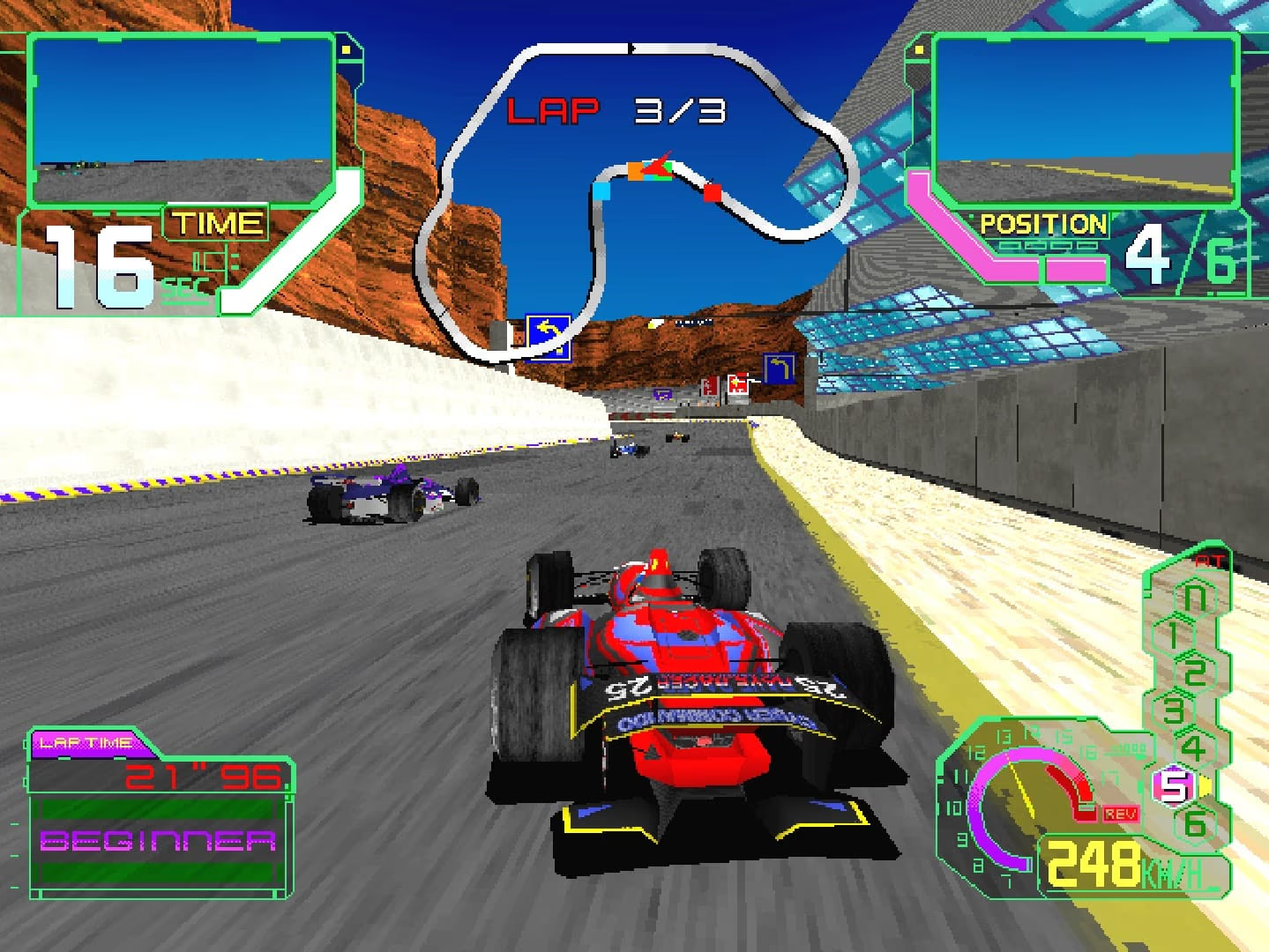
Namco's Ace Driver: Victory Lap Comes Home Through Arcade Archives, With Four Players on Newer Consoles
Hamster is releasing Namco's arcade sequel Ace Driver: Victory Lap on 22 October for Switch, PS4, Switch 2, PS5 and Xbox Series X|S, at $14.99 or $16.99, five months after the original Ace Driver.
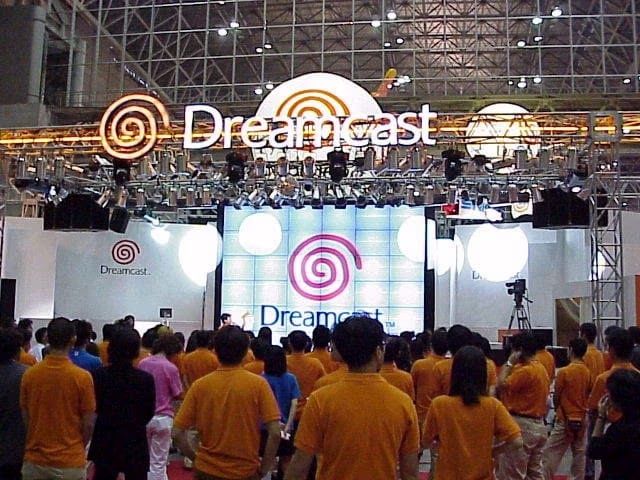
Video Game History Foundation Opens a Photo Archive of Japanese Game Culture From 1999 to 2005
The Colin Williamson photography collection, now free in the VGHF Digital Archive, documents Tokyo Game Show, Nintendo Space World and the streets of Akihabara at the turn of the millennium.
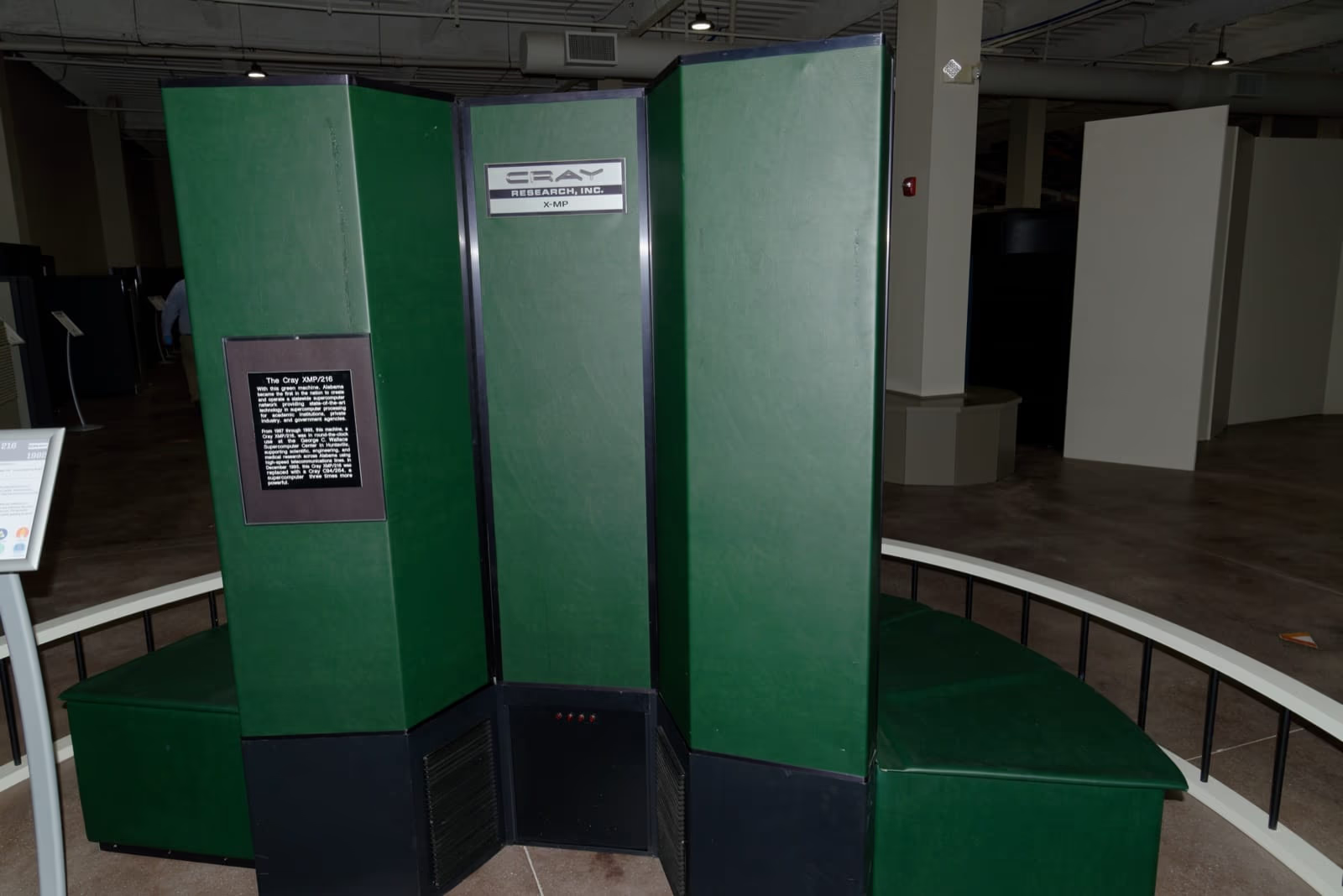
MiSTer Gets a Cray X-MP Core That Boots the Supercomputer's Own Operating System
A new MiSTer core recreates a one-processor Cray X-MP and boots COS 1.17, the only Cray operating system known to survive for the machine. It reached MiSTer's official distribution on 20 October, and a companion project runs Cray Blitz, the 1983 and 1986 world computer chess champion, on it.