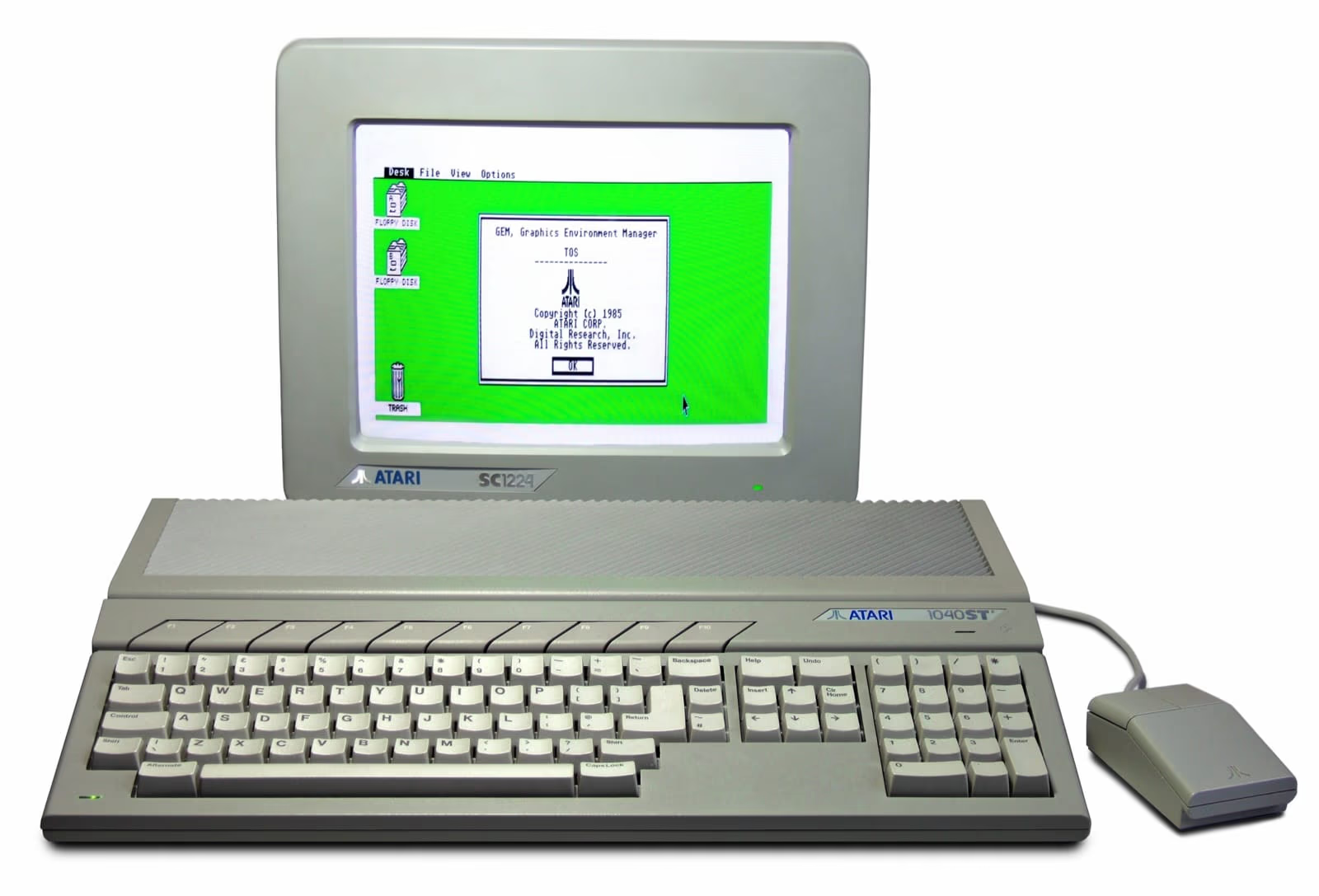
Image: Atari 1040STf, photo: Bill Bertram, CC BY-SA 2.5, Wikimedia Commons
Atari ST MiSTer Core Adds STX, SCP and IPF Support for Copy-Protected Disks
The MiSTer Atari ST core can now play copy-protected games from floppy images. Pull requests merged on 11 November add support for the Pasti STX, SuperCard Pro SCP and IPF disk image formats to the core and to MiSTer's main program, and a follow-up merged on 12 November fixed a game whose disks use custom track formats. Until now the core read plain sector images such as .ST, which cannot hold the deliberate irregularities that commercial ST disks used to stop copying. The changes are in MiSTer's unstable nightly builds; the stable core in the distribution is still the June 2026 release.
What was merged
The work came in two matching pull requests by the contributor manfredi90, one for the core and one for Main_MiSTer, MiSTer's main program. Sorgelig merged both on the morning of 11 November; the core pull request had been opened the afternoon before. Each splits the job differently by format:
- STX: Main reads the Pasti image and rebuilds each track as a stream of bit cells, with per-cell timing and weak cells, when the drive head reaches it. In the core, a new module plays the track back and a decoder assembles the bytes the way the ST's WD1772 floppy controller would.
- SCP: the core reads the image itself and replays the recorded magnetic flux through a digital phase-locked loop, which the pull request says is modelled on MAME's, cycling through the recorded revolutions to reproduce weak bits.
- IPF: Main decodes the image with the
libcapsimg.solibrary, loaded at run time from/media/fat/linux/as the Amiga core does, and converts it into a temporary SCP file that the core reads through the SCP path. "Without the library IPF images are simply refused."
All three formats are read-only. Plain .ST images take the same path as before.
Testing turned up three faults in the core's floppy and DMA logic, which the pull request fixes: a command written while the floppy controller is busy is now ignored, as on the real WD1772; the DMA now waits for a CPU access to the controller to finish before taking the bus, because "bytes were lost on some loaders"; and after a protected disk is ejected from drive A, reads wait for the next disk instead of failing, since some loaders read during the swap.

Which games it was tested with
The core pull request names the games tested on hardware, each with the protection trick it exercises: Dungeon Master and Chaos Strikes Back (weak bits), Turrican and Turrican II (sectors that cross the index, long tracks), Xenon 2 (Copylock), Lotus, Ghouls 'n Ghosts, Speedball, Chase HQ (Ocean's nested sectors), Afterburner (1024-byte sectors) and the Union Demo (a read track check), plus multi-disk swaps. The author writes that "I tested about a hundred images across the three formats (STX, SCP, IPF) and found no problems or regressions", and adds a practical note: "Many European titles need a 50 Hz TOS, as on real hardware." The changes leave the core using about 41 percent of the FPGA's logic and about half its block RAM.
The follow-up on 12 November, by janisc, fixed Backlash. On that game's disks "only tracks 0 and 79 have sectors"; the 78 tracks between hold a single custom block that the game reads with the controller's Read Track command. The new STX code treated those tracks as noise and sent them to the core as unformatted, so the game "stopped at a red screen while loading". After the fix, the pull request reports, Backlash loads on a DE10-Nano, and 34 other STX images, among them Dungeon Master, Starglider, The Pawn, Ultima V and F-19 Stealth Fighter, produce identical track data before and after the change.
Both main pull requests say they were written with AI help. The core one opens: "This was written with the help of AI."
Why these formats matter
A plain .ST file stores the data in each sector. The protections listed in the pull request depend on things a sector dump does not keep: weak bits, variable cell timing, long tracks, sectors that cross the index, and nested or oversized sectors. Copylock, Rob Northen's protection system, first appeared on the Atari ST in 1987, according to Wikipedia, and works with a long track it calls the Copylock Serial Track.
Each of the three formats keeps that information in a different way. STX is the format of Pasti, and IANA's registration names Jorge Cwik as its author. According to an independent description of the format, the public version of the tool dates from 2005, and the description of the format says it stores track images "as WD1772 floppy controller reads them", with a fuzzy bit mask and timing for every sector. The format was never officially documented; when it was registered as a media type with IANA in June 2026, the registration noted that "There has never been an official documentation of the Pasti STX disk image file format by the original author". SCP is the image format of Jim Drew's SuperCard Pro, whose specification says it "will handle flux level images for any type of disk". IPF images are decoded with the Software Preservation Society's library, which its source release describes as "not free software".
The core itself is a port of Gyorgy Szombathelyi's MiSTery core for the MiST board, with features including a cycle-accurate FX68K CPU, a Mega STe 16MHz mode, up to 14MB of RAM, support for all TOS versions and two floppy drives.
How it compares
Software emulators have handled protected ST disks for years. The Hatari manual describes STX as a type "that can store low level disk layout" and supports IPF, RAW and CTR images through the IPF support library. Steem SSE added native Pasti support in beta builds in August 2022, and has an option to convert SCP images into its own STW format; its latest version, 4.2.1, was released in July 2026. On MiSTer itself, the Amiga core gained SCP and IPF support through Main in September 2026, in a change by Rob Smith that also added an external floppy drive option and uses the same library path.
What is not known yet
The changes are in the unstable nightly builds, AtariST_unstable_20261111_084dca.rbf for the core and MiSTer_unstable_20261112_12fc05 for Main, built on 11 and 12 November. The stable core in the distribution is still AtariST_20260603.rbf, and the stable Main release predates the merge. There is no date for a stable release. Neither pull request lists a full compatibility table beyond the games above, and none of the three received review comments on GitHub before they were merged. Whether MiSTer's usual update scripts will install libcapsimg.so for IPF users, or whether it has to be added by hand, is not stated in the pull requests.
New to MiSTer? Which MiSTer to buy and how to set it up covers the hardware, Update All and installing cores.
Sources
- MiSTer-devel on GitHub: Pull request #32: STX, SCP and IPF floppy images (copy-protected disks)
- MiSTer-devel on GitHub: Pull request #1419: Atari ST: STX, SCP and IPF floppy images
- MiSTer-devel on GitHub: Pull request #1420: Atari ST: STX tracks with a custom sync and no sector blocks
- MiSTer-devel on GitHub: Atari ST/STe for MiSTer (port of MiSTery)
- MiSTer-devel on GitHub: AtariST_MiSTer stable releases
- MiSTer-unstable-nightlies on GitHub: AtariST_MiSTer unstable builds
- MiSTer-unstable-nightlies on GitHub: Main_MiSTer unstable builds
- MiSTer-devel on GitHub: Main_MiSTer stable releases
- MiSTer-devel on GitHub: Minimig: Add external floppy drive, SCP and IPF support (#1315)
- IANA: application/vnd.pasti-stx-disk-image
- atari.8bitchip.info: STX format description
- cbmstuff.com: SuperCard Pro Image File Specification v2.5
- simonowen on GitHub: SPS Decoder Library v5.1 source release
- Hatari: Hatari user's manual
- Steem SSE on SourceForge: Steem SSE blog
- Wikipedia: Atari ST
- Wikipedia: Rob Northen copylock
More News
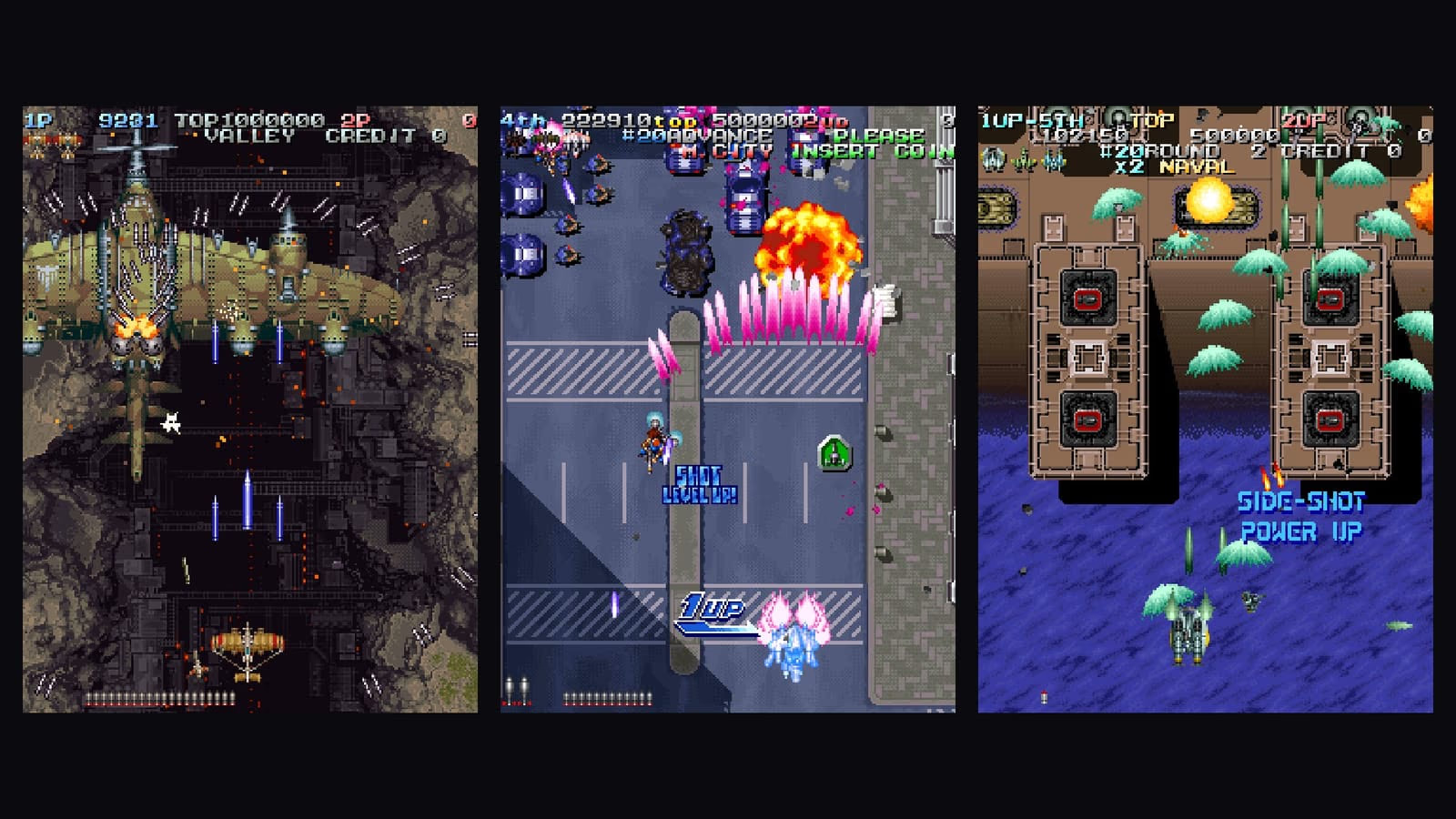
Arcade-RaizingMD Core Brings Battle Garegga and Batrider to MiSTer-devel
A rewritten open source core for Raizing's five Toaplan-based shooters, from Sorcer Striker to Battle Bakraid, was published to the MiSTer-devel organisation on 15 November. Its author says the old code was replaced and retuned against measurements from real boards.
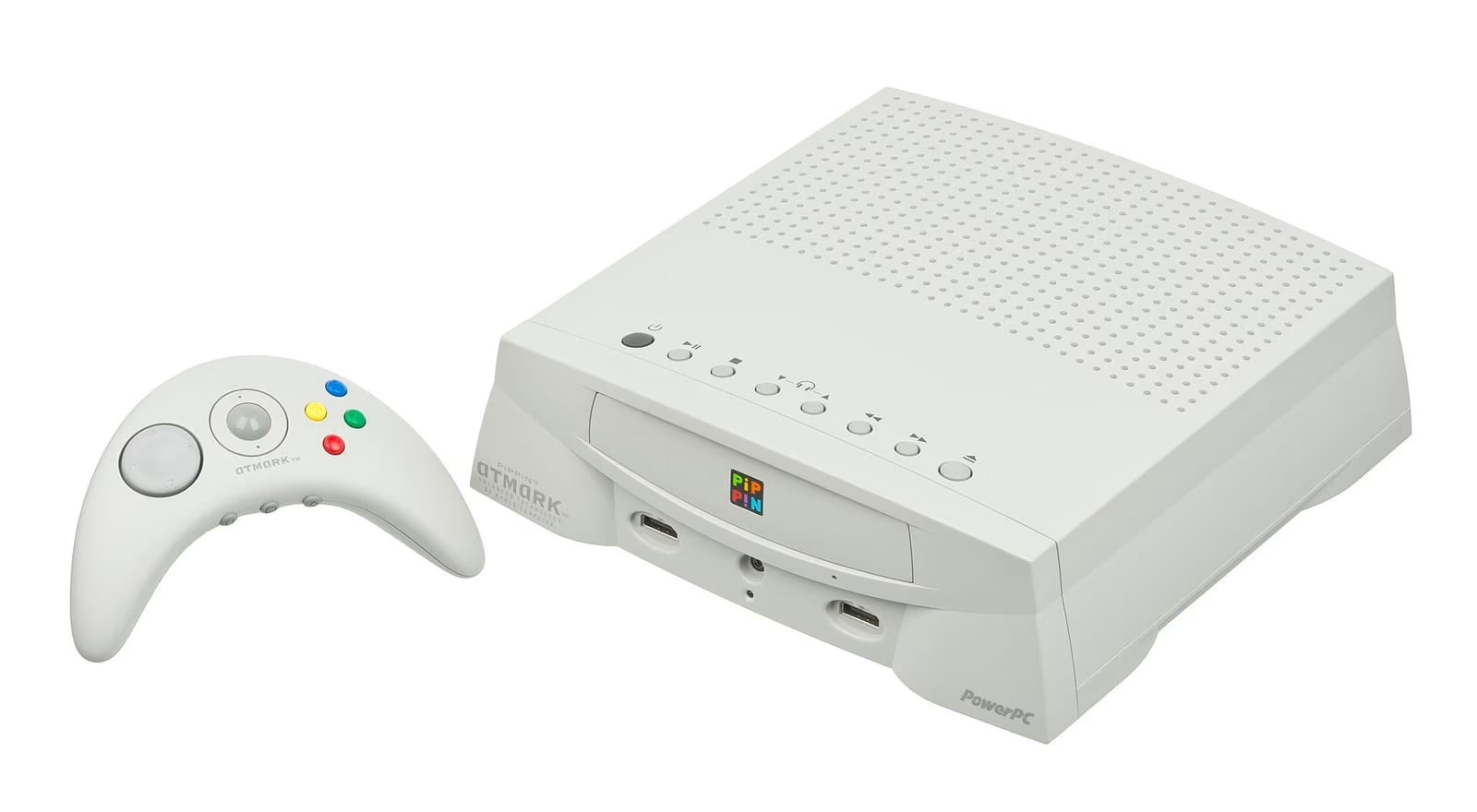
Bandai Pippin Gets a MiSTer Core
Dani Sarfati's BandaiPippin core, published to MiSTer-devel on 14 November, recreates Apple and Bandai's 1996 console down to its PowerPC 603. It boots the Pippin ROMs and four discs to their menus; playing titles through is not yet tested.
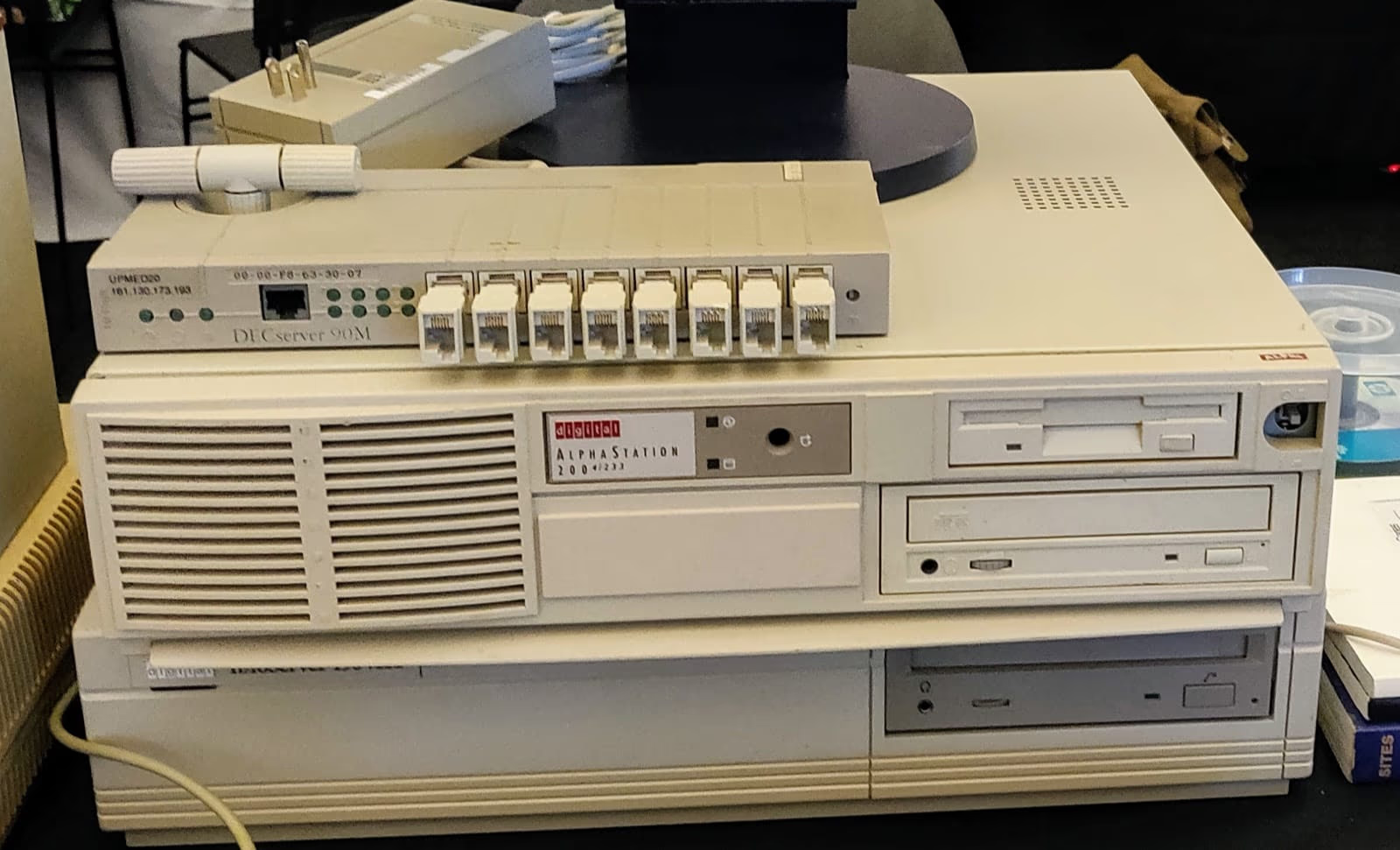
MiSTer Gets a DEC AlphaStation 200 Core That Runs OpenVMS, Tru64 and Windows NT
Dani Sarfati's DECAlphaStation200 core puts DEC's 1995 Alpha workstation on the MiSTer with its own SRM and ARC firmware, and boots OpenVMS, Tru64 UNIX, NetBSD, FreeBSD, Windows NT 4.0 and a Windows 2000 release candidate.