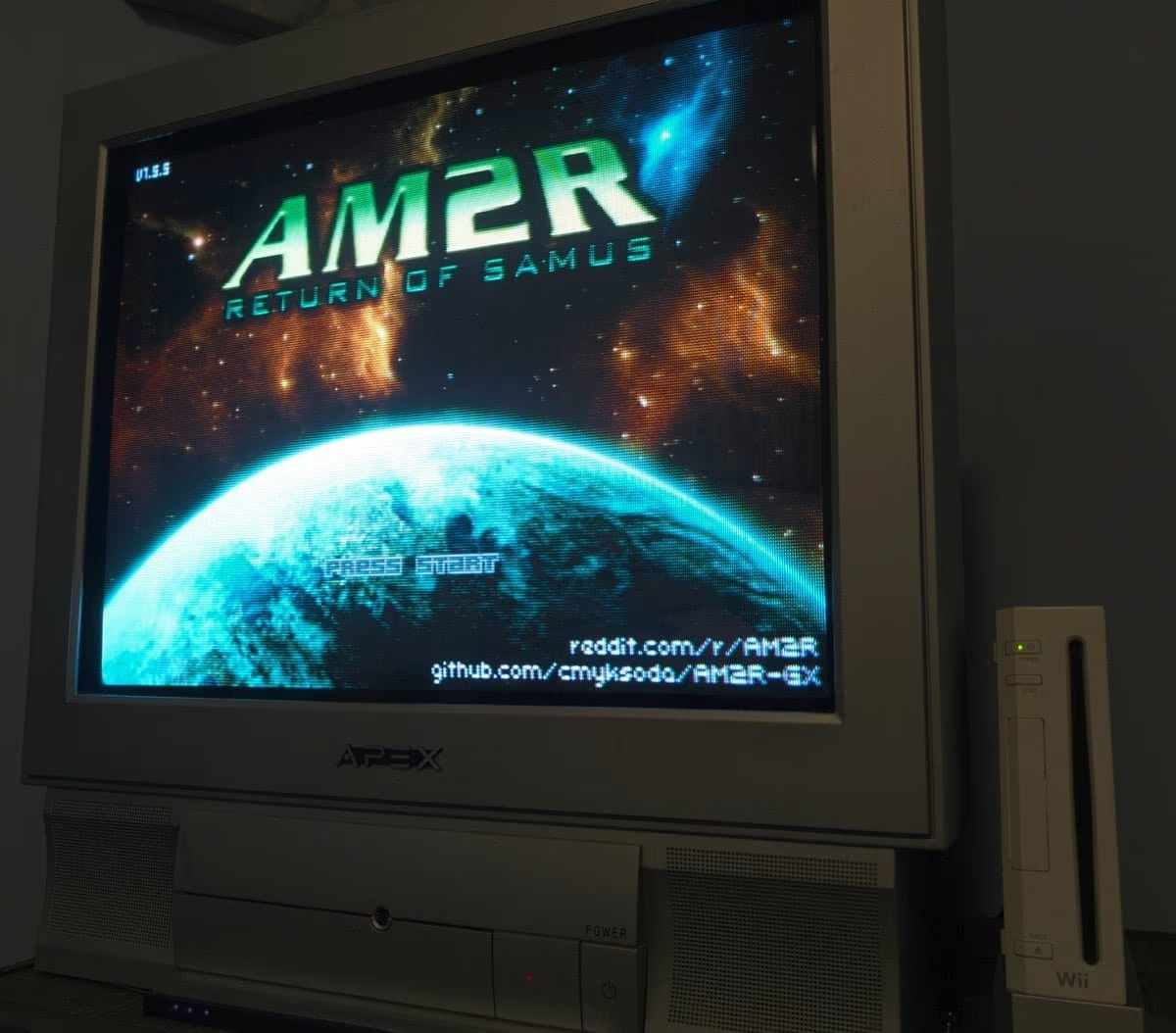
Image: cmyksoda, from the AM2R-GX repository
AM2R Comes to the Wii as a Homebrew Port Called AM2R GX
AM2R, the fan-made remake of Metroid II that Nintendo had taken down in 2016, now runs on the Wii. AM2R GX, a homebrew port by the developer cmyksoda, was first released on 30 October and reached version 1.2.1 on 4 November, the day RetroRGB reported on it after playing it on a CRT. It runs the 1.5.5 Community Update of the game on a Wii, or a Wii U in Wii mode, and it builds that version on the console from the player's own copy of the original AM2R 1.1 release.
What the port does
The requirements, from the README, are a Wii with the Homebrew Channel, an SD card or a FAT32 USB drive, and a controller: a GameCube pad, a Classic Controller, or a Wii Remote with Nunchuk. A GameCube controller adapter also works on a Wii U in Wii mode, and a DualShock 3, DualShock 4 or DualSense works over a USB cable, with PlayStation button prompts and rumble. The player copies the release's apps folder to the card, puts the AM2R_11.zip file next to it, and launches from the Homebrew Channel. The repository does not supply that zip; the README tells players to use a search engine.
The first boot takes about four minutes. It unpacks the zip, applies the 1.5.5 updates, repacks the textures into a format the Wii can use, and shows its progress on screen. Every later boot goes straight to the title, which RetroRGB timed at under 20 seconds. Saves live on the card in the game's own format, so the zip and patch folder can be deleted afterwards.
The display options are the part aimed at people who still own a CRT. The console's own 4:3 or 16:9 setting picks the video mode, with widescreen switchable off for a pillarboxed picture. A 240p mode draws each of the game's 240 lines once for televisions that show 240p sharply, and RetroRGB notes it can be used even when the Wii is set to 480p, so scaler owners need not change the console's settings around each launch. Scanlines, added in 1.1.0 at Bob from RetroRGB's request, come in 25, 50, 75 and 100 percent strengths for 480p output, where 100 percent blacks every other line. An Aspect Correction option added in 1.2.0 widens the picture to the full width of the screen so the game's pixels come out square, as on PC; disabled, it keeps Nintendo's usual width, about 9 percent narrower. There are also Resize/Move Screen and HUD Margins controls for televisions that overscan, with the HUD kept 11 pixels in from the top and bottom by default.

The release history is short and quick. Version 1.0.0 on 30 October was followed by 1.0.1 on 2 November, which fixed the power beam no longer opening blue doors; 1.1.0 on 3 November, with scanlines, the GameCube adapter and experimental DualShock support; 1.2.0 on 4 November, with DualSense support, a DualShock 3 fix and Aspect Correction; and 1.2.1 later the same day, which fixed flickering scraps of other graphics at the foot of the waterfalls before the lab. Each update replaces two files and keeps the saves and the game built on first boot. One caveat the README gives: a randomizer seed produces the same layout on every Wii, but almost certainly not the layout the PC version gives for that seed, because the Wii build seeds its random numbers differently.
How a GameMaker game runs on a Wii
AM2R was written in GameMaker: Studio, which does not target the Wii. The port is possible because of Butterscotch, an open source re-implementation of GameMaker: Studio's runner, written in C and published under the AGPL. Its README explains the trick: GameMaker: Studio exports a game as bytecode rather than native code, so any runner that understands the bytecode can play the game, which it calls "similar to how Java applications work". Butterscotch's own downloads cover Windows, macOS, the web, PlayStation 2, PlayStation 3, PlayStation Vita, Nintendo Switch and LG's webOS, and the README says it has already been ported to consoles including the Xbox 360, Wii and 3DS. AM2R GX adds what the repository calls a native GX renderer for the Wii, and its own controller code, including a GameCube adapter driver from quatric's libwiiinput and a DualShock reader based on the embedded-game-controller project's drivers.
The repository holds no game assets. Its releases contain the runner, the GPL-licensed 1.5.5 patch data from the AM2R community, and the AM2R logo as an icon; the music, sprites and everything else of Nintendo's, Guasti's or the community's come from the copy of AM2R 1.1 the player supplies. The port's own code is AGPL version 3, with xdelta3, which decodes the update patches on the console, under the Apache licence.
The README closes with a note that the project was made with AI assistance and links to the author's statement on it. That statement says the author uses Claude Code, and occasionally Codex, in almost everything they make, having no formal training in programming, and takes responsibility for what is published. It also draws a line: "There will never be any image, video, or audio generation models used in anything I create." The 1.0.0 release credits four beta testers and Asophia Mills for the Classic Controller Pro artwork.
The game it ports
Metroid II: Return of Samus was the first handheld Metroid, developed by Nintendo R&D1 and produced by Gunpei Yokoi for the Game Boy. It reached North America in November 1991, Japan on 21 January 1992 and Europe on 21 May 1992, and sent Samus to the planet SR388 to exterminate the Metroids before the Space Pirates could reach them. Nintendo's own remake, Metroid: Samus Returns by MercurySteam and Nintendo EPD, came to the 3DS on 15 September 2017.
AM2R got there first. Milton Guasti, an Argentine programmer known as DoctorM64, released it free for Windows on 6 August 2016, the series' 30th anniversary, built in GameMaker Studio on a platforming engine originally made by Martin Piecyk, with Robert Maloney producing. Download links were removed the next day after DMCA notices to the hosting sites, and on 2 September 2016 Guasti received a takedown request himself and announced the end of development. The game was nominated for Best Fan Creation at The Game Awards 2016 and then removed from the list without notice; host Geoff Keighley said it had not been legally cleared by Nintendo.
Development continued without him. According to Wikipedia, fans took over with bug fixes, new enemies and story elements, and modes such as New Game+ and a Randomizer that shuffles the power-ups, and the game reached Linux and Android. The community's public source repository, described as the code for AM2R 1.5.2 and later with every copyrighted asset removed, was archived in February 2026 with a note that further development has moved to a private branch. Version 1.5.5 is the one AM2R GX builds.
For the games on either side of Metroid II, see the reviews of Super Metroid and Metroid Fusion.
What is not known yet
The port runs only in the Wii U's Wii mode, not as a native Wii U application. RetroRGB's testing is one person's, and the port's issue tracker shows the kind of early bugs the first three updates fixed, so more are likely. The DualSense Edge is untested. And the legal position has not changed since 2016: Nintendo's takedown stands, which is why the repository ships no assets and leaves the player to find AM2R 1.1 themselves.
Sources
- cmyksoda on GitHub: AM2R GX 1.0.0
- cmyksoda on GitHub: AM2R GX releases
- cmyksoda on GitHub: AM2R GX
- cmyksoda on GitHub: AI Usage Statement
- ButterscotchRunner on GitHub: Butterscotch: an open source re-implementation of GameMaker: Studio's runner
- RetroRGB: AM2r Wii Port
- AM2R Community Developers on GitHub: AM2R-Community-Updates
- Wikipedia: AM2R
- Wikipedia: Metroid II: Return of Samus
More News
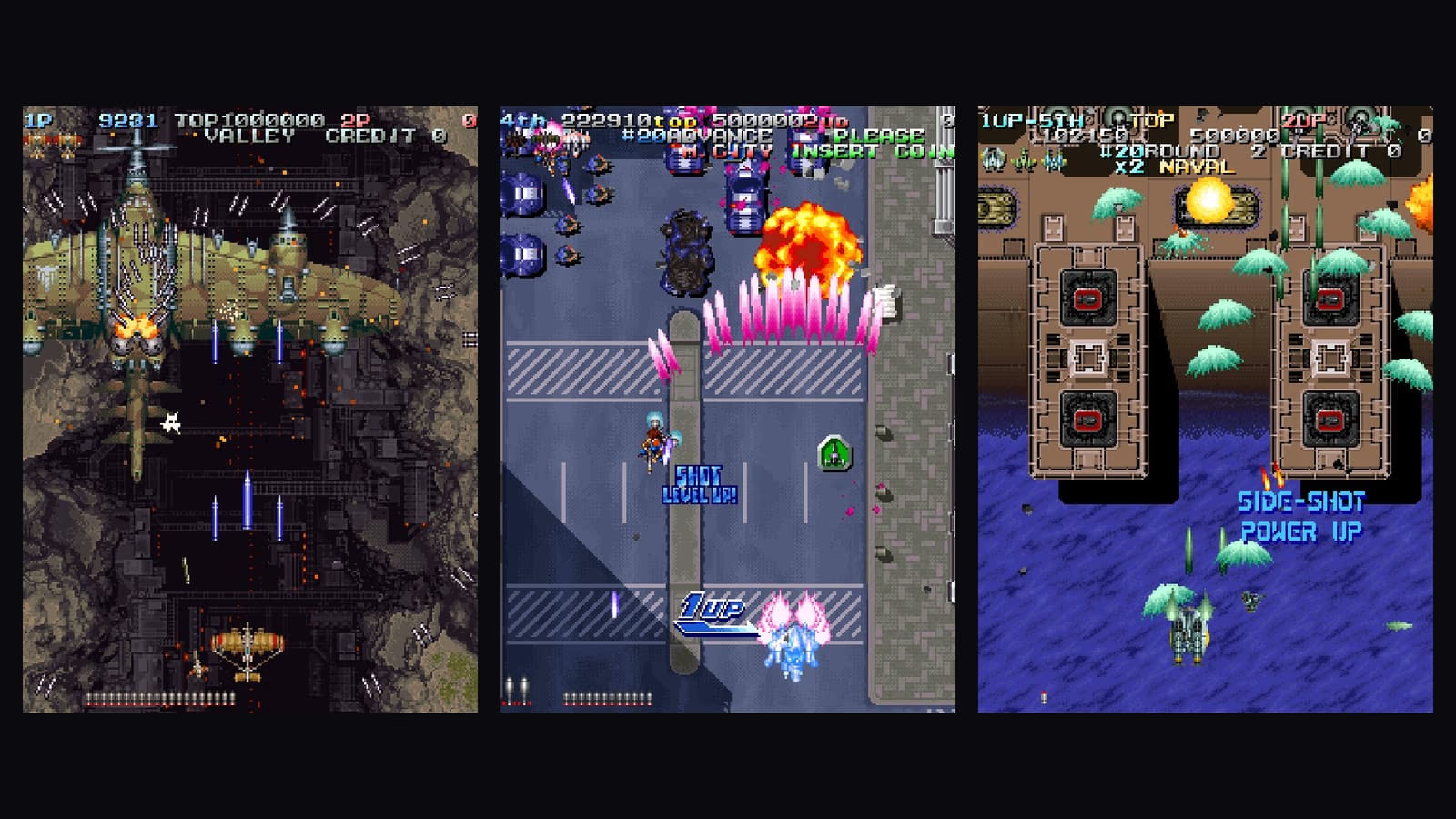
Arcade-RaizingMD Core Brings Battle Garegga and Batrider to MiSTer-devel
A rewritten open source core for Raizing's five Toaplan-based shooters, from Sorcer Striker to Battle Bakraid, was published to the MiSTer-devel organisation on 15 November. Its author says the old code was replaced and retuned against measurements from real boards.
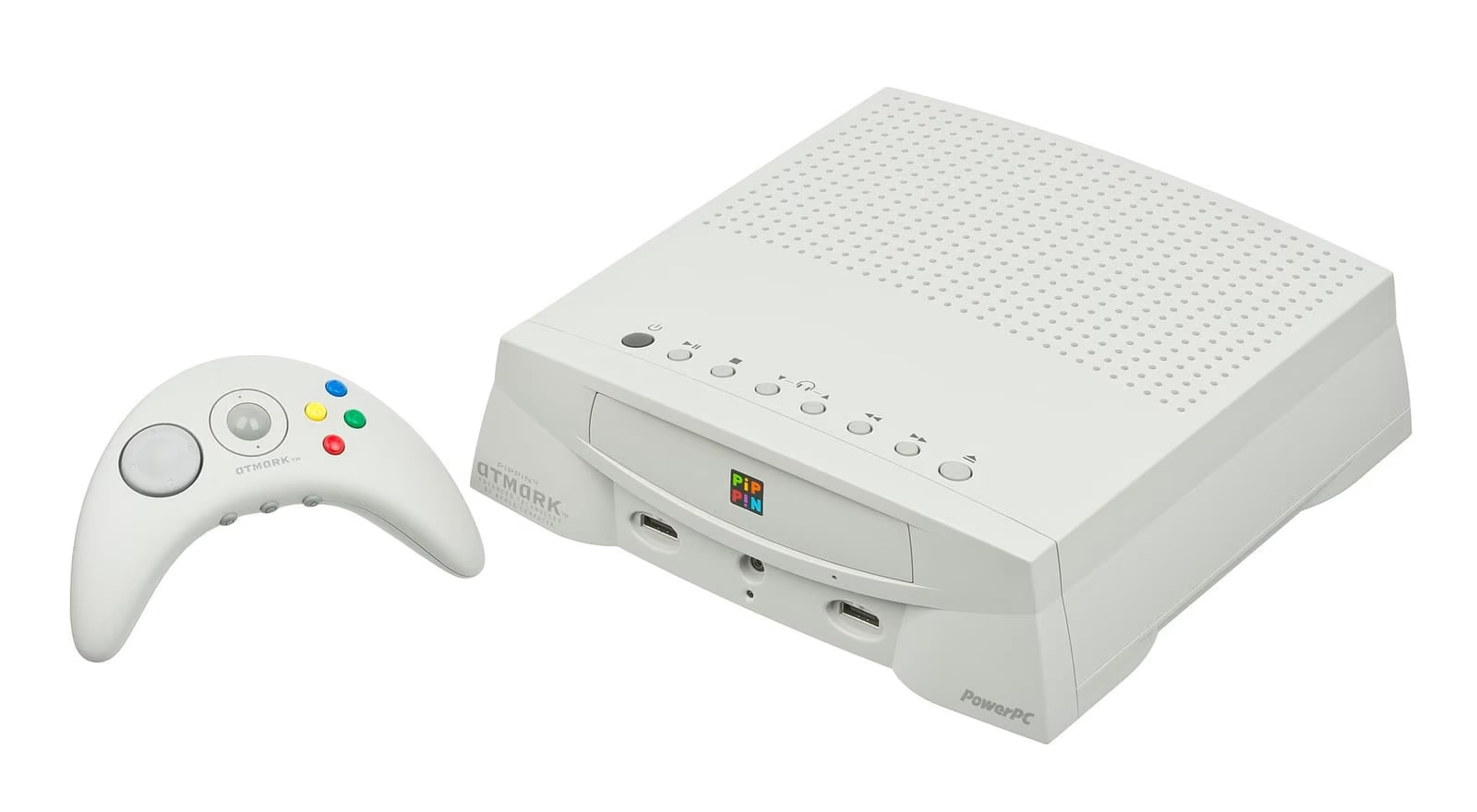
Bandai Pippin Gets a MiSTer Core
Dani Sarfati's BandaiPippin core, published to MiSTer-devel on 14 November, recreates Apple and Bandai's 1996 console down to its PowerPC 603. It boots the Pippin ROMs and four discs to their menus; playing titles through is not yet tested.
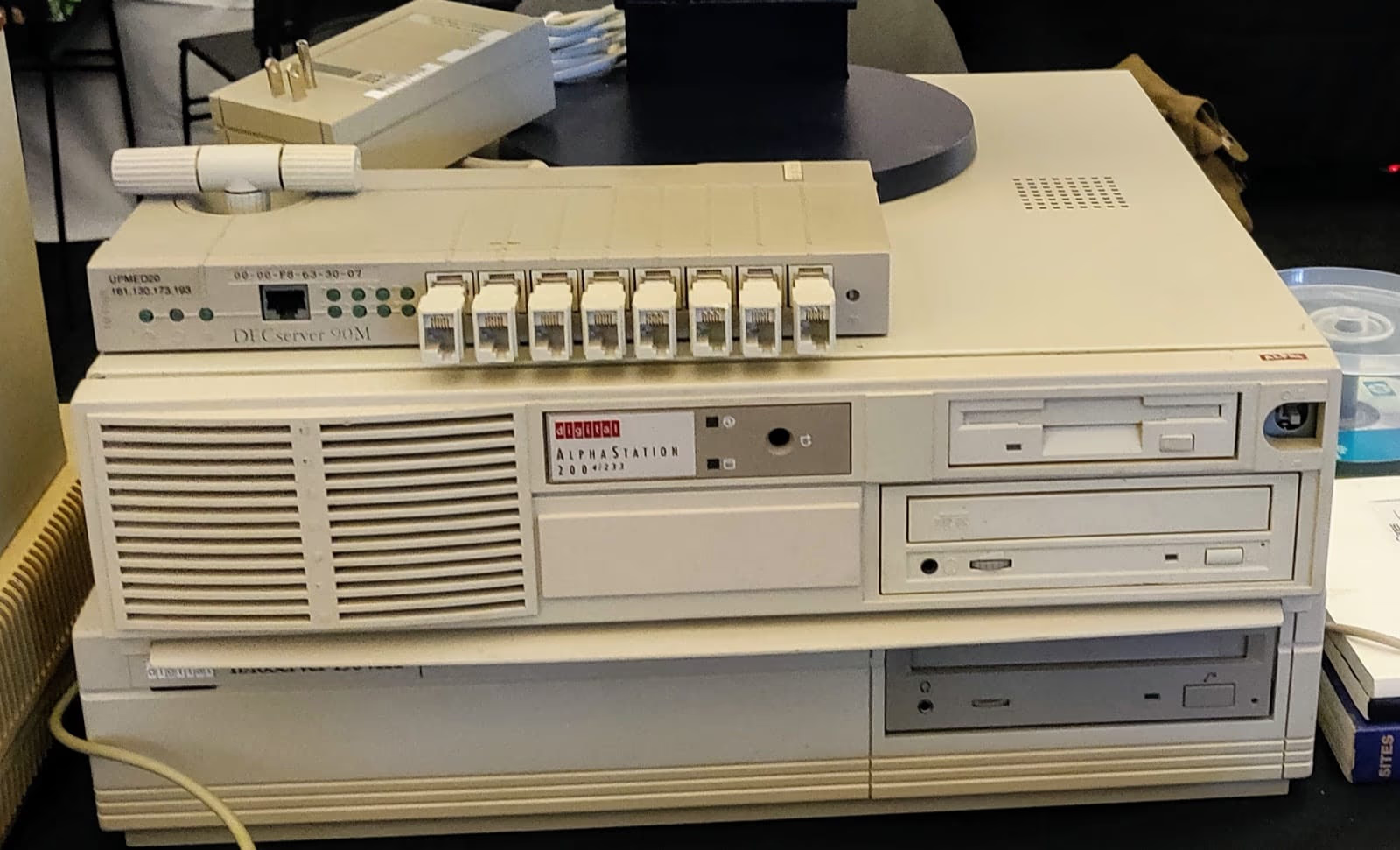
MiSTer Gets a DEC AlphaStation 200 Core That Runs OpenVMS, Tru64 and Windows NT
Dani Sarfati's DECAlphaStation200 core puts DEC's 1995 Alpha workstation on the MiSTer with its own SRM and ARC firmware, and boots OpenVMS, Tru64 UNIX, NetBSD, FreeBSD, Windows NT 4.0 and a Windows 2000 release candidate.