Resident Evil 4
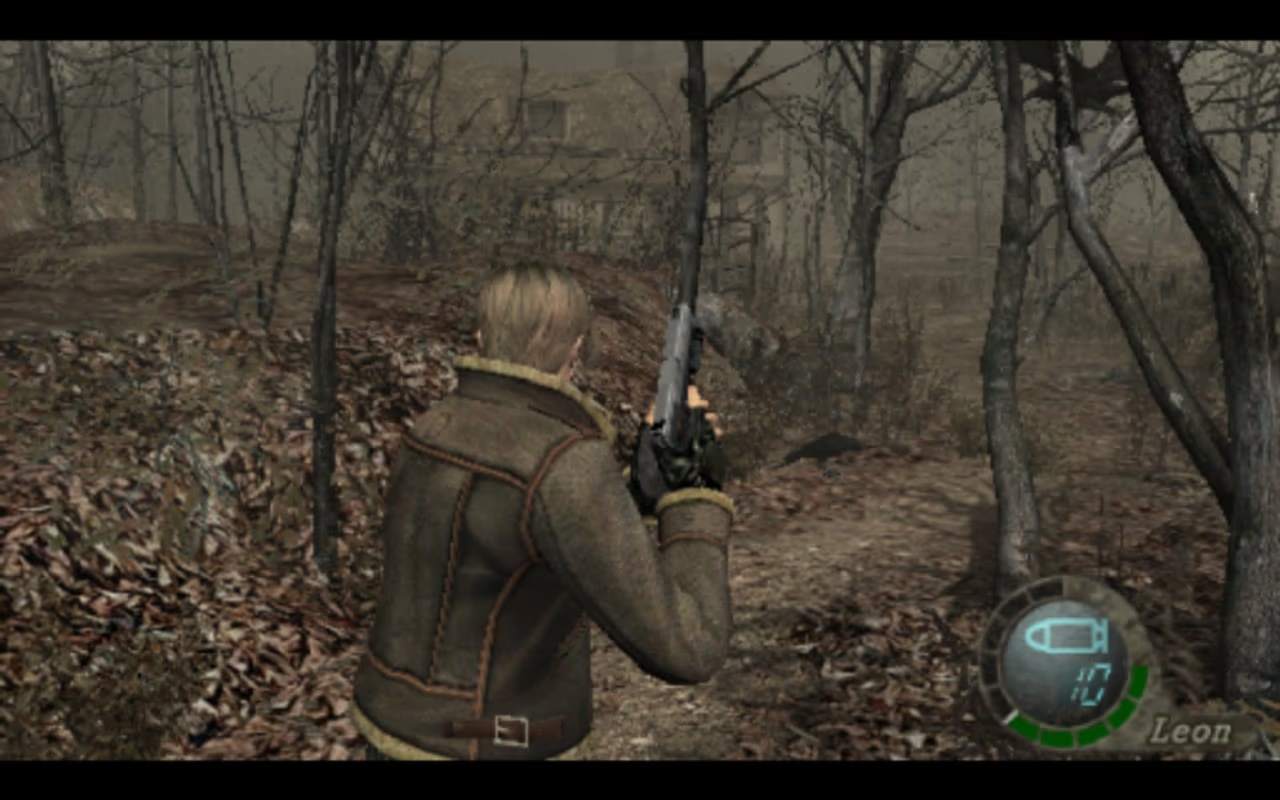
Resident Evil 4 didn't just save the Resident Evil franchise: it fundamentally changed third-person action games forever. When Shinji Mikami ditched the fixed camera angles and tank controls that defined the series, purists were worried. They needn't have been.

The over-the-shoulder camera perspective that RE4 introduced has been copied by virtually every third-person shooter since, Gears of War, Dead Space, The Last of Us. It sounds simple now, but in 2005, the feeling of aiming Leon's pistol over his right shoulder, lining up a headshot on an approaching Ganado, was genuinely revolutionary.
The pacing is relentless. The village siege that opens the game is one of the greatest set pieces in gaming history, enemies pouring in from all sides, a chainsaw-wielding maniac bearing down on you, a bell tolling to end the assault just when you think you can't survive another wave. And that's the first twenty minutes. The game maintains that intensity across roughly 20 hours, constantly introducing new enemies, environments, and mechanics.
Combat is the star. Leon's arsenal grows from a basic handgun to include shotguns, rifles, a broken butterfly magnum, and eventually a rocket launcher. The merchant system adds light RPG elements: you'll agonize over whether to upgrade your shotgun's capacity or save for the semi-auto rifle. Every weapon feels distinct and satisfying.
The GameCube version is arguably the definitive original release. Visually it was stunning for the hardware, the detail in the village environments, the character models, the lighting, it pushed the GameCube to its absolute limits. The controller feels natural for the gameplay, and the original art direction has a grittiness that some later remasters smooth over.
Boss fights are memorable and varied. Del Lago, the lake monster, requires you to steer a boat while throwing harpoons. The Verdugo encounter in the sewers is a tense game of cat and mouse. And the Krauser knife fight is one of the best QTE sequences ever implemented, because it feels earned by the gameplay systems rather than tacked on.
The inventory management via the attache case is secretly one of the game's best features. The Tetris-style grid where you rotate and arrange weapons, ammo, and healing items adds a satisfying puzzle element to resource management.
If there's a weakness, it's that the game's final island section doesn't quite match the quality of the village and castle. The enemy variety narrows, and some encounters feel more like padding. But this is a minor criticism of what is otherwise a masterpiece.
Resident Evil 4 is essential. On GameCube, with its original art direction intact, it's an experience every serious gamer needs to have.
Score Breakdown
Pros
- +Revolutionary over-the-shoulder camera defined a genre
- +Relentless pacing across 20+ hours
- +Deeply satisfying combat and weapon upgrade system
- +Attache case inventory is secretly brilliant
Cons
- -Final island section dips in quality
- -QTE sequences can feel cheap on first encounter
- -Ashley escort sections test patience
You Might Also Like
The Simpsons: Hit & Run
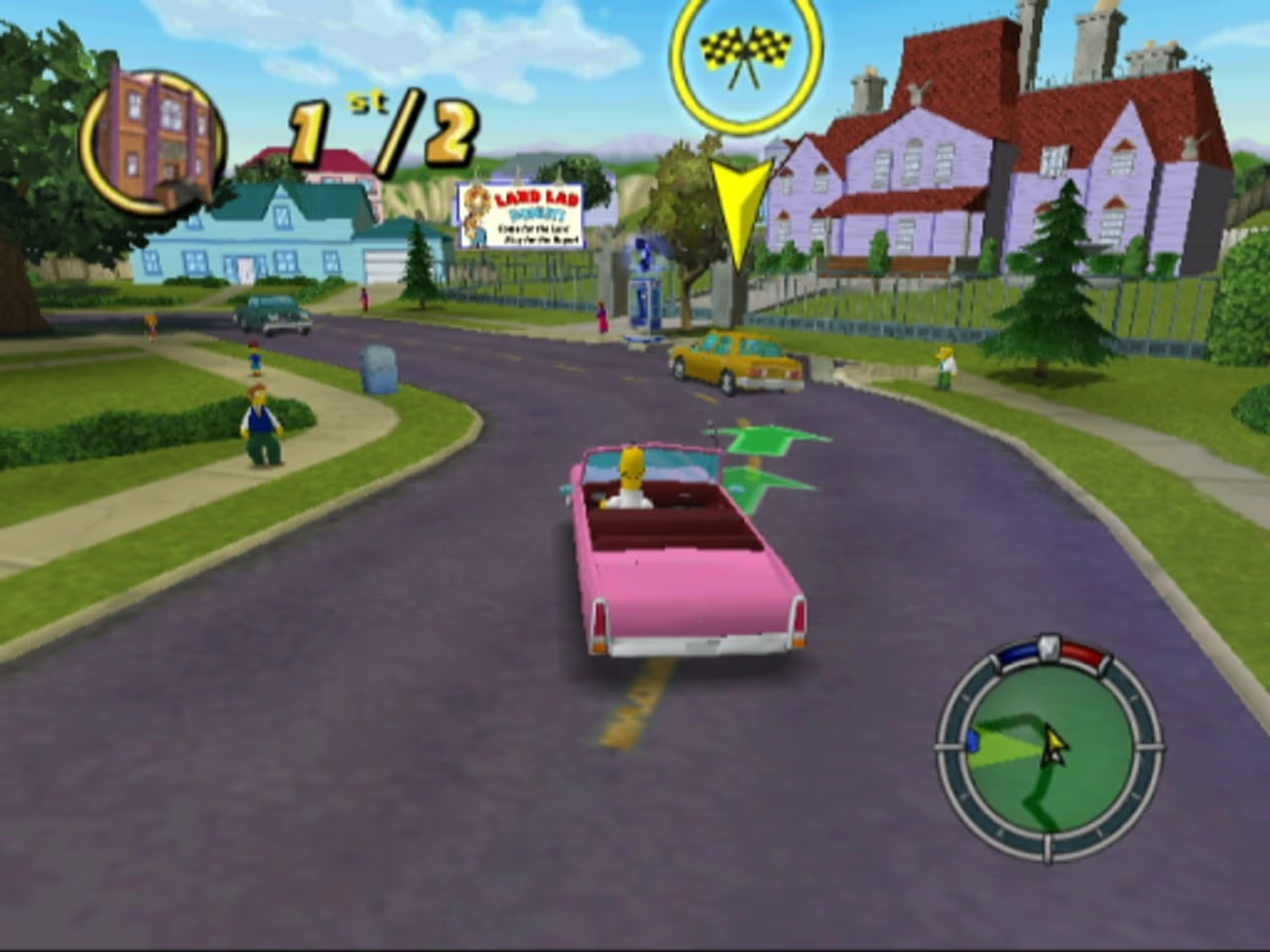
My sibling's game that I barely touched in 2003, finished properly in 2026 on an original GameCube. Springfield still feels more alive than most modern open worlds, even if the last missions test your patience.
Castlevania: Rondo of Blood
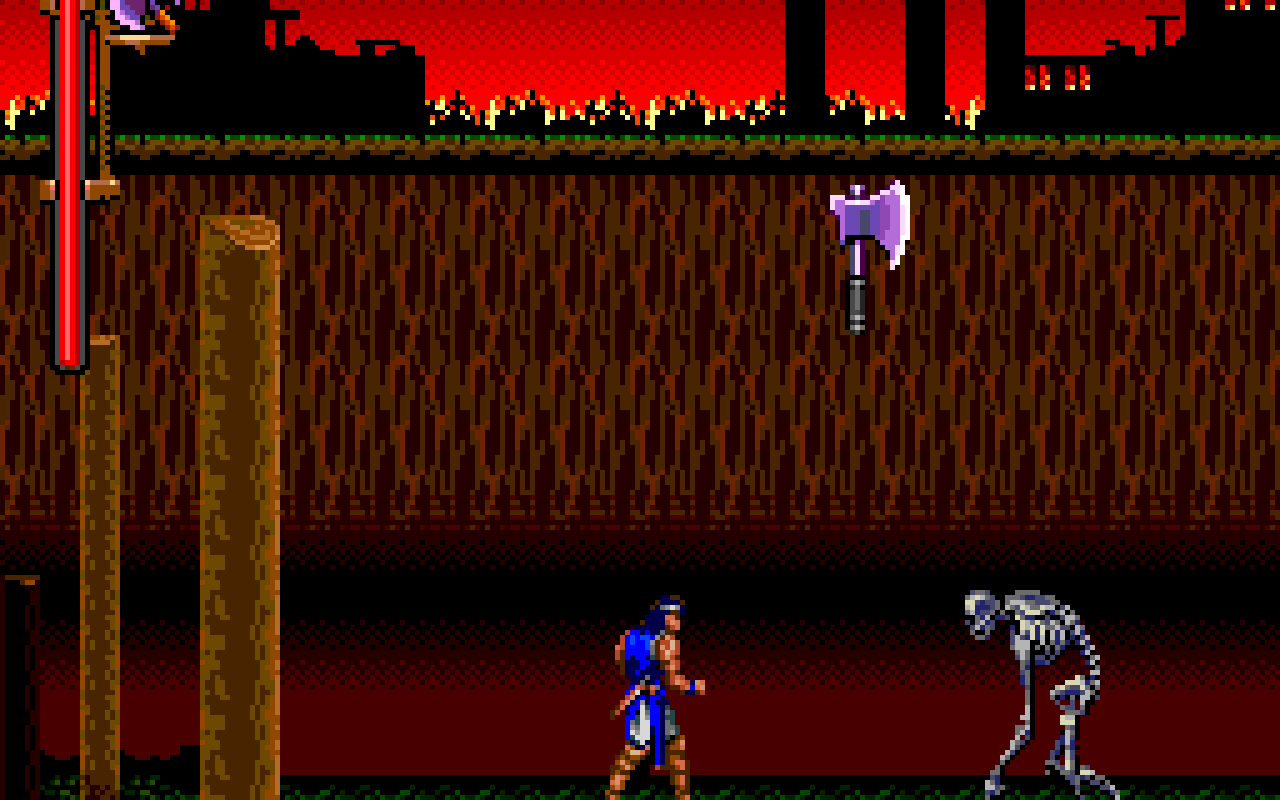
The pinnacle of classic Castlevania. Rondo of Blood combines razor-sharp level design, gorgeous CD-ROM presentation, and two playable characters into what may be the finest action-platformer of the 16-bit era.
Metroid Fusion
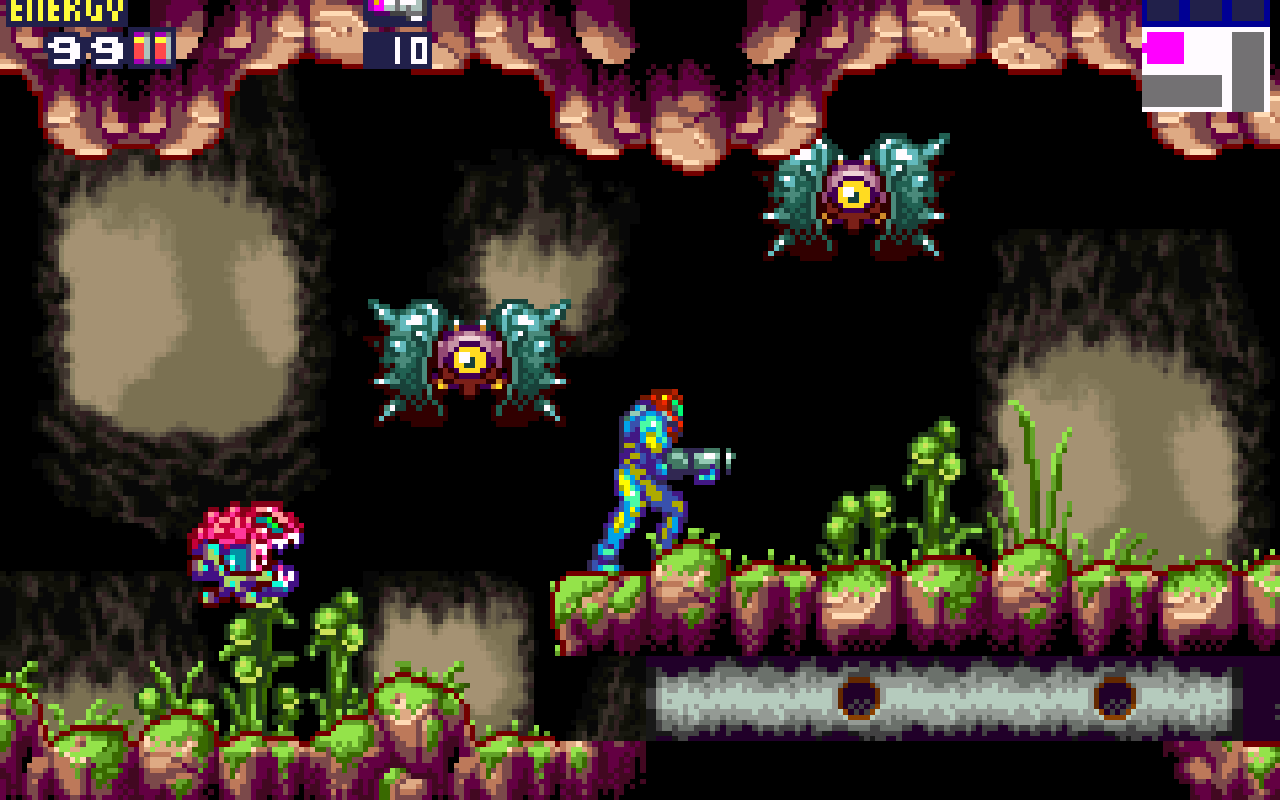
A more linear, story-driven Metroid that trades open exploration for constant tension. The SA-X stalking you through BSL Station is one of gaming's greatest horror mechanics.