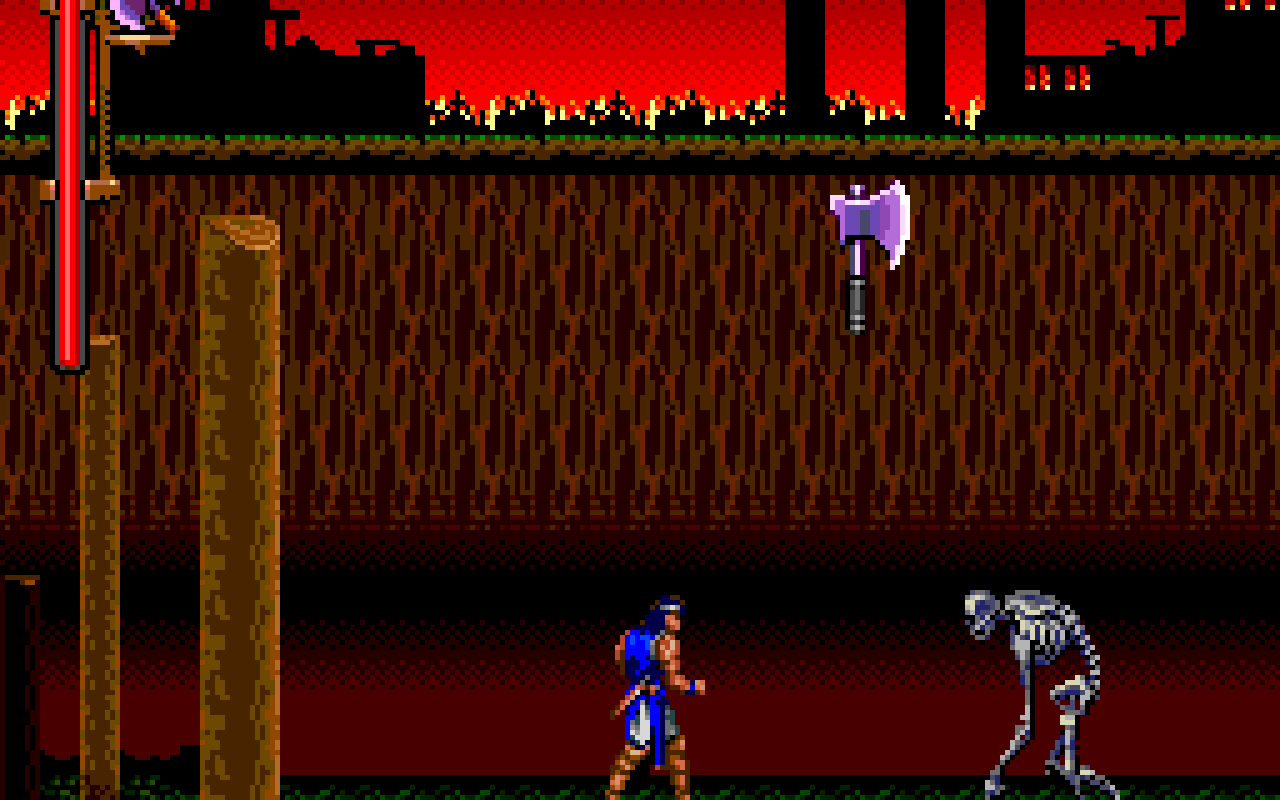
Castlevania: Rondo of Blood
Castlevania: Rondo of Blood is the definitive expression of everything the classic Castlevania formula could achieve. Released in 1993 exclusively for the PC Engine Super CD-ROM² in Japan, it remained one of gaming's great hidden treasures for years, a masterpiece that most Western players only experienced through its compromised SNES adaptation, Dracula X. Playing the original is a revelation.

The Last Classic Castlevania
Rondo of Blood sits at a critical juncture in the series timeline. It's the last mainline Castlevania built on the traditional stage-by-stage, linear action-platformer template before Symphony of the Night reinvented the franchise as a Metroidvania. And it perfects that template in every conceivable way.
Richter Belmont controls with the precision you'd expect from the series at its best. The deliberate, committed jumps and whip attacks that define classic Castlevania are here, refined to a razor's edge. But Richter also has a new trick: the Item Crash, a powerful super attack that consumes hearts for devastating screen-clearing damage. Each sub-weapon has its own Item Crash, adding strategic depth to what was already a tightly balanced combat system.
Branching Paths and Secrets
The level design is where Rondo of Blood transcends its predecessors. Each of the nine stages contains alternate exits that lead to entirely different paths through the game. Hidden passages, destructible walls, and environmental puzzles reveal alternate routes, imprisoned maidens to rescue, and entirely new stages. A first playthrough might take you through five or six stages; a complete exploration reveals the full nine, plus a rescued Maria Renard who becomes a fully playable second character.
Maria plays entirely differently from Richter, faster, more agile, armed with animal companions instead of a whip. Her playstyle is more forgiving but no less engaging, and playing through the game with both characters effectively doubles the content.
CD-ROM Showcase
The PC Engine CD-ROM format allowed Rondo of Blood to achieve a level of presentation that no cartridge-based game could match in 1993. The visuals are breathtaking, multi-layered parallax scrolling, enormous bosses with fluid animation, and detailed Gothic environments that drip with atmosphere. Animated cutscenes tell the story between stages, featuring full voice acting in Japanese.
And then there's the soundtrack. Rondo of Blood's Redbook audio CD soundtrack is one of the greatest in gaming history. "Bloodlines," the Stage 1 theme, is an instant classic. "Divine Bloodlines," Richter's theme, is pure adrenaline. "Opus 13," "Cemetery," "Picture of a Ghost Ship", track after track delivers some of the most evocative, powerful music the medium has ever produced. This is a soundtrack that stands alongside any orchestral score.
The Bosses
Boss encounters are spectacular. Each is a multi-phase battle against beautifully animated monstrosities: the Werewolf, the Minotaur, Carmilla riding a skull, Death with his spiraling sickles, and finally Dracula himself in one of the series' most memorable final confrontations. Pattern recognition and precise execution are required, and every victory feels earned.
Verdict
Castlevania: Rondo of Blood is a perfect action-platformer. Its level design is intricate and rewarding, its presentation was years ahead of its time, its soundtrack is among the finest ever composed for a video game, and its gameplay distills the Castlevania formula to its purest, most potent form. That it remained Japan-exclusive for so long is a tragedy; that it exists at all is a gift. This is the peak of classic Castlevania, and one of the greatest games of the 16-bit generation.
Score Breakdown
Pros
- +Immaculate level design with branching paths and secrets
- +Stunning CD-ROM visuals and animated cutscenes
- +Legendary Redbook audio soundtrack
- +Two playable characters with distinct playstyles
Cons
- -Originally Japan-exclusive, limiting accessibility
- -Difficulty may frustrate less experienced players
More TG-16 / PC Engine games
Every TG-16 / PC Engine game reviewed here, ranked by score.
Best TG-16 / PC Engine GamesYou Might Also Like
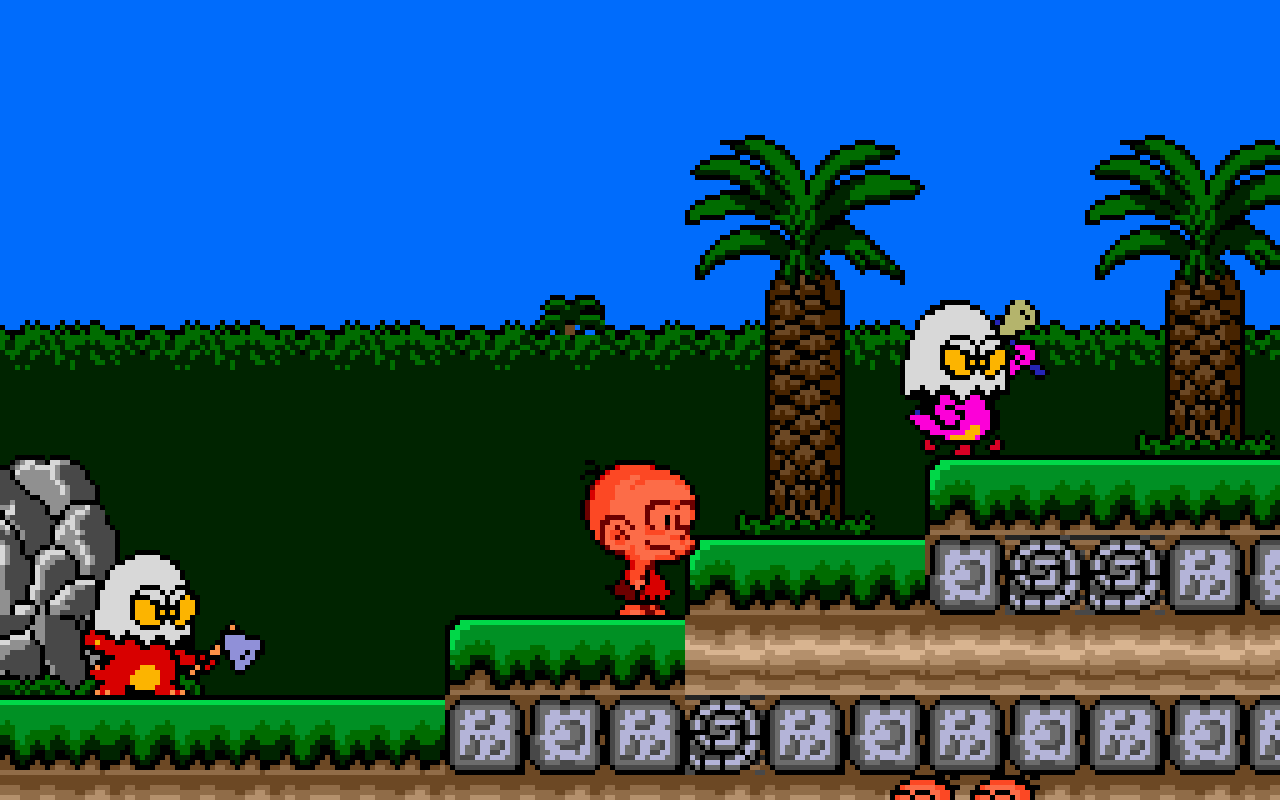
Bonk's Adventure
The TurboGrafx-16's answer to Mario and Sonic stars a bald caveman who attacks with his enormous head. Charming, colorful, and packed with personality, Bonk remains one of the system's defining mascots.
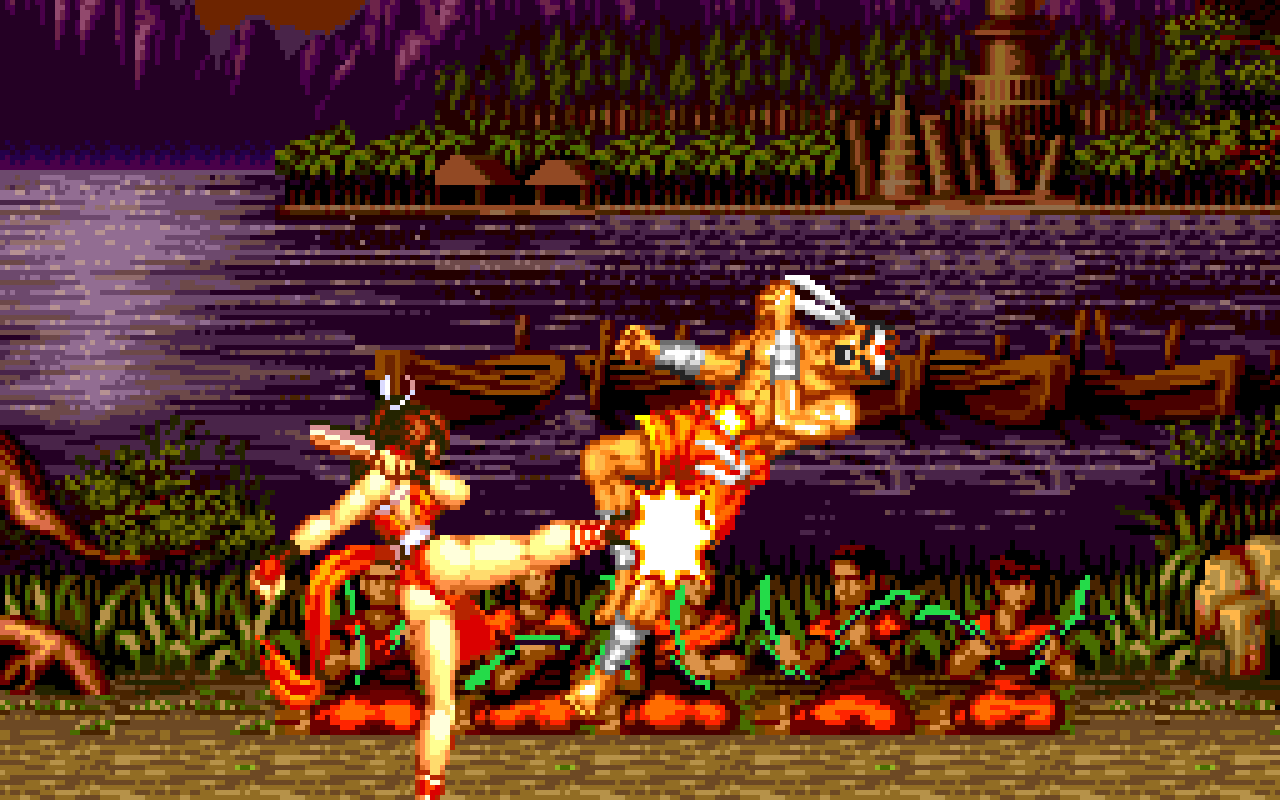
Fatal Fury Special
SNK's refined fighting sequel makes a surprisingly capable appearance on the PC Engine, delivering the core Fatal Fury experience with impressive faithfulness despite the hardware gap.
Gate of Thunder
One of the finest horizontal shooters on the PC Engine CD, Gate of Thunder combines blistering action, a killer Redbook audio soundtrack, and gorgeous visual design into a shoot-'em-up essential.