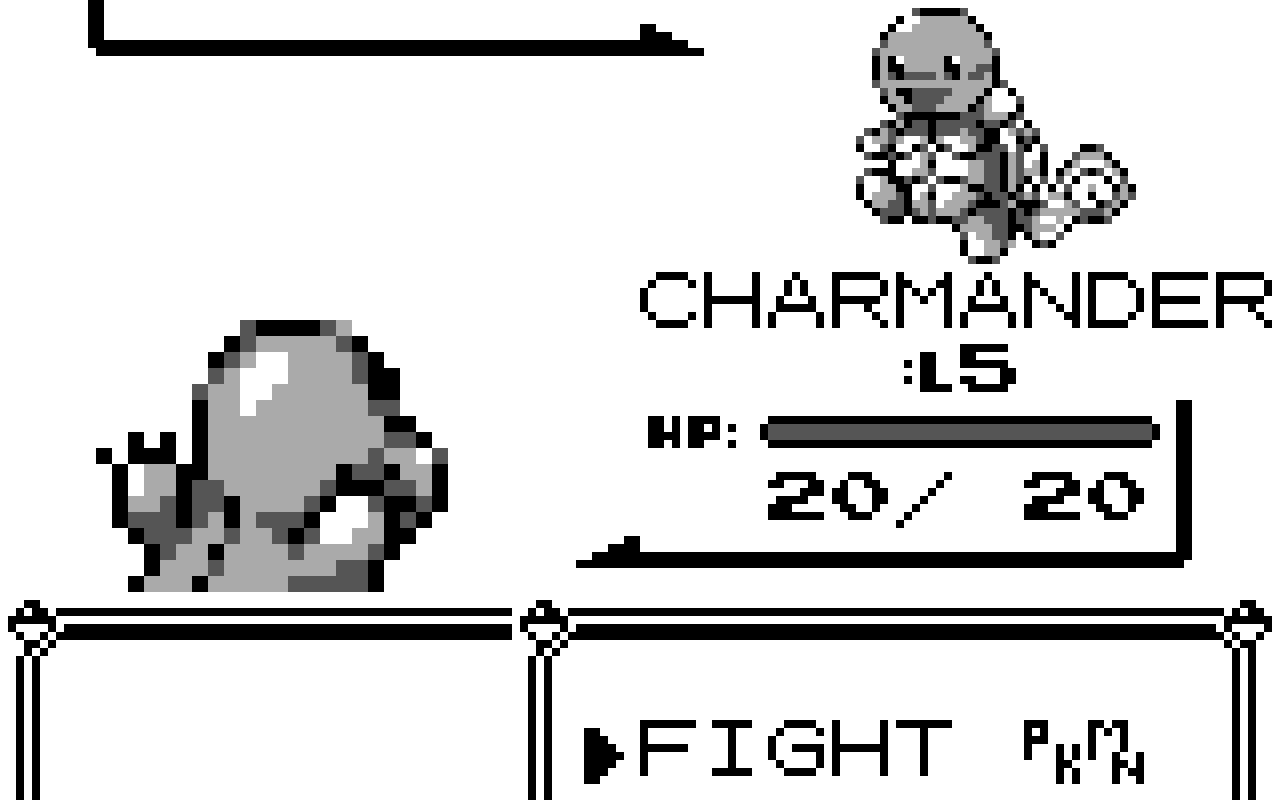
Pokemon Red & Blue
It's difficult to overstate the cultural impact of Pokemon Red and Blue. Released in 1996 in Japan and 1998 in the West, these Game Boy cartridges didn't just sell millions, they created a multimedia empire that persists three decades later. But strip away the anime, the card game, the merchandise, and the nostalgia, and you're left with a genuinely excellent RPG.

The premise is elegant: you're a kid in a world full of monsters. Catch them, train them, battle other trainers, and become the champion. The genius is in the depth beneath that simplicity. 151 Pokemon, each with types, stats, movesets, and evolution chains. A type effectiveness chart that rewards strategic thinking. A world that gates progress through gym badges while leaving room for exploration.
Kanto is a masterfully designed region. Each town has personality, Lavender Town's eerie music and ghost tower, Celadon City's department store and Game Corner, the sprawling Silph Co. headquarters in Saffron City. The routes between towns are filled with trainers, items, and wild Pokemon that make every journey feel purposeful.
The link cable trading and battling system was the game's secret weapon. Pokemon that only evolved through trading, version-exclusive species, and competitive battling created a social ecosystem that no game had achieved on a portable platform before. The schoolyard became a trading floor.
Technically, the games are rough. Sprites are tiny and sometimes unrecognizable. The inventory system is cumbersome with no running shoes and a 20-item bag limit. The game has more glitches than a Bethesda launch, MissingNo. being the most famous. And the competitive balance is nonexistent: Psychic types dominate with virtually no counter.
But none of that mattered in 1998, and honestly, it barely matters now. The core loop of exploring, catching, training, and battling is so fundamentally satisfying that it carried an entire franchise for decades. Pokemon Red and Blue are historically important, personally meaningful to millions, and still surprisingly fun to play today.
Score Breakdown
Pros
- +Created an entire genre of monster-catching RPGs
- +Link cable trading was revolutionary social gaming
- +Kanto region is masterfully designed
- +Core gameplay loop remains deeply satisfying
Cons
- -Psychic types are completely overpowered
- -Inventory management is painful
- -Full of exploitable glitches
- -Sprite quality is very rough
You Might Also Like
Phantasy Star
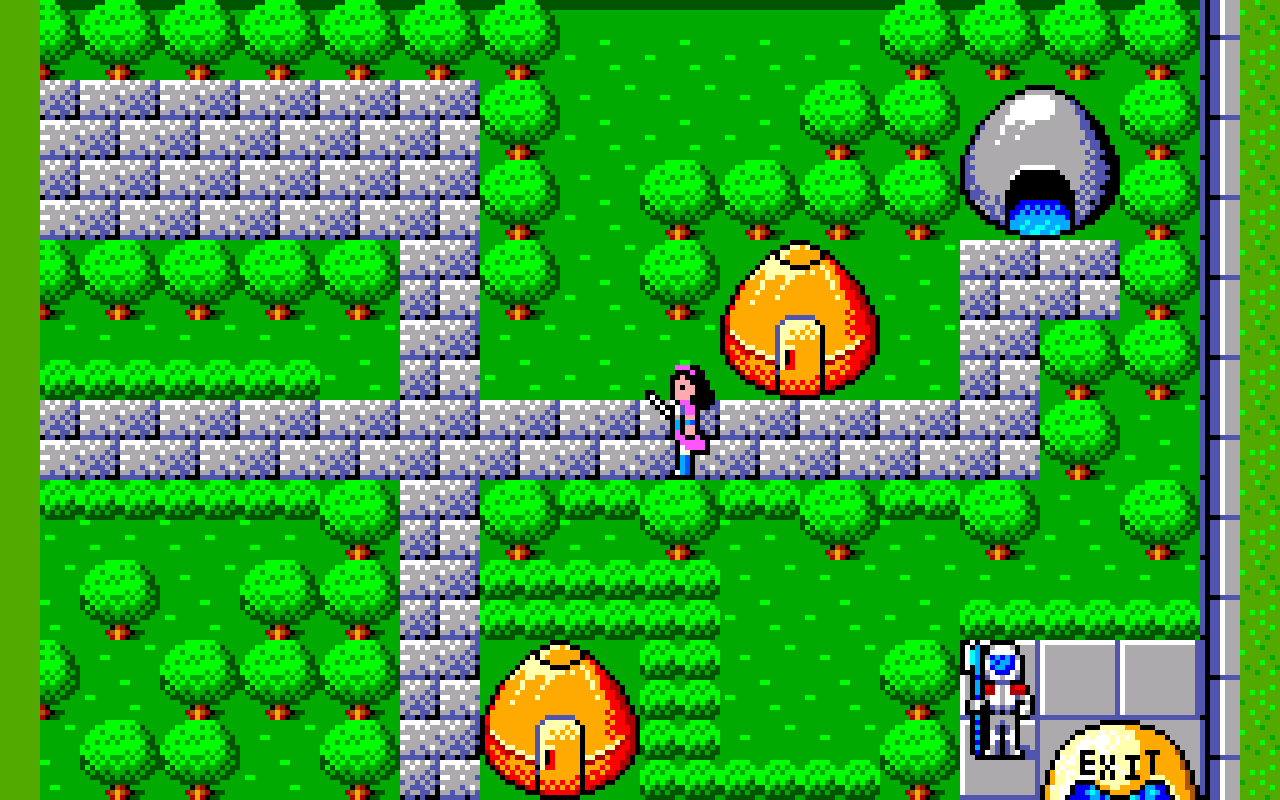
Sega's answer to Dragon Quest was ambitious, beautiful, and ahead of its time. Phantasy Star's sci-fi setting, female protagonist, and first-person dungeons set it apart in 1987.
The Simpsons: Hit & Run
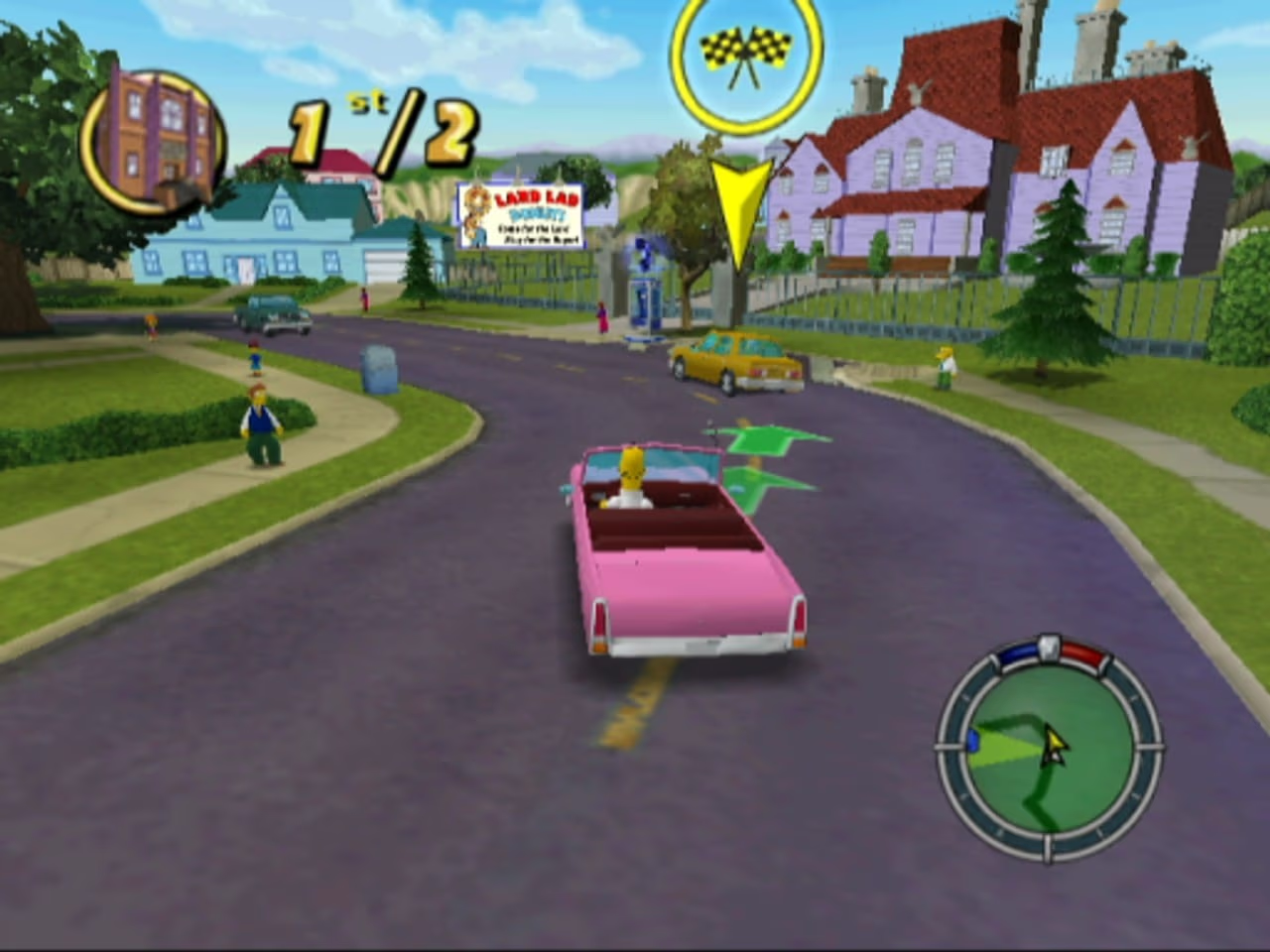
My sibling's game that I barely touched in 2003, finished properly in 2026 on an original GameCube. Springfield still feels more alive than most modern open worlds, even if the last missions test your patience.
Sam & Max Hit the Road
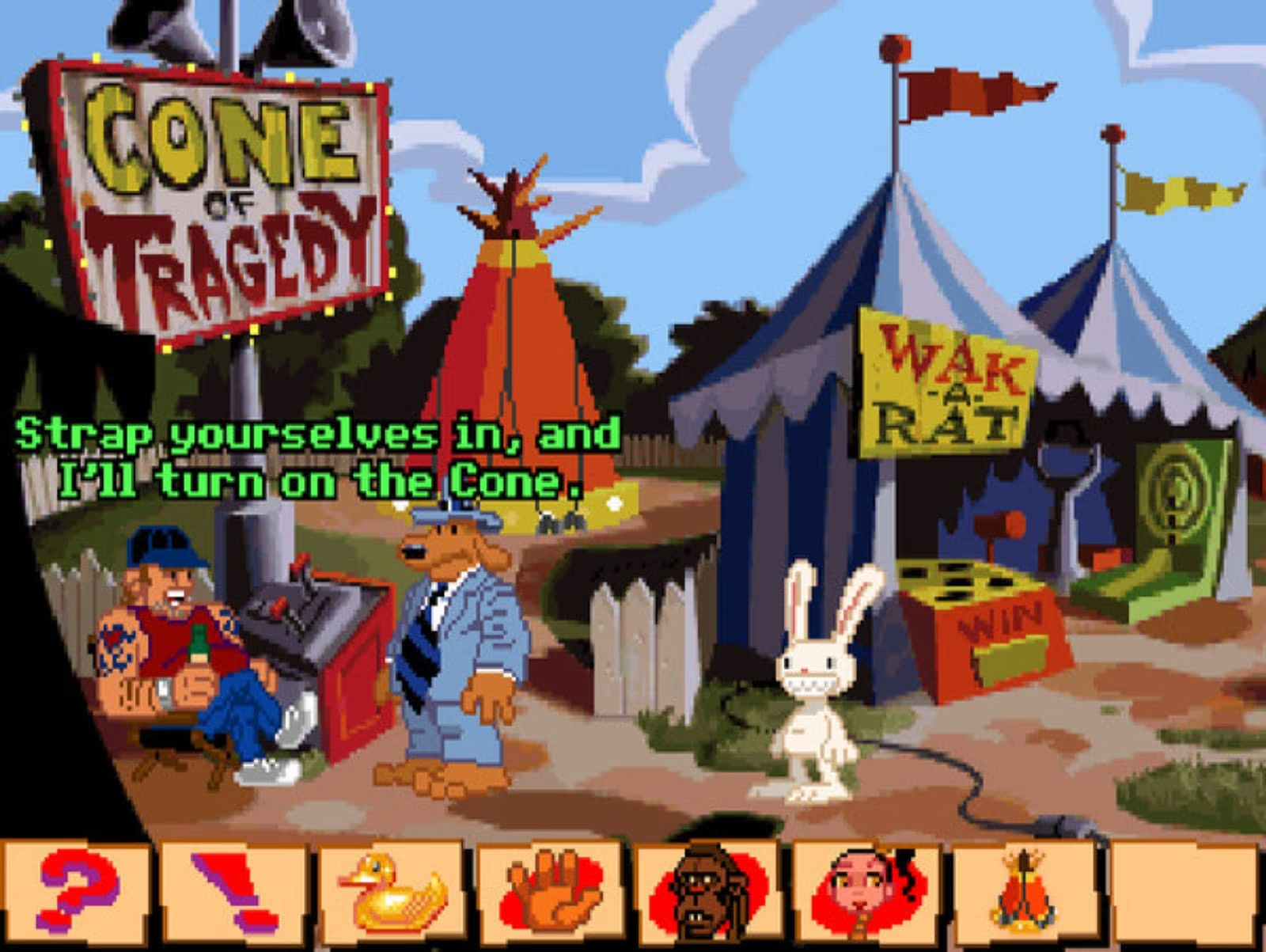
I finished it once in 1993, aged seven, and it took most of a summer. I finished it again last Sunday in a day. The DOS original, on an AO486 core, still one of the best written games ever made.