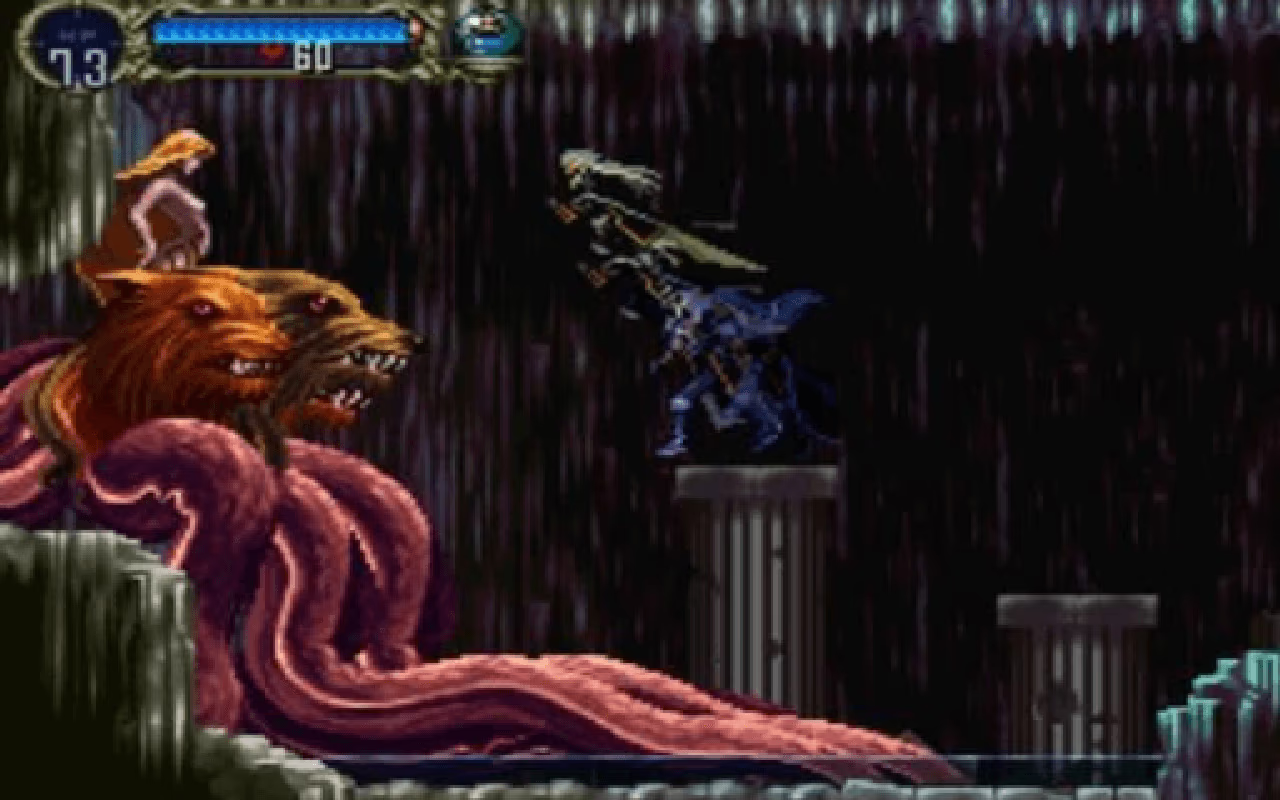
Castlevania: Symphony of the Night
"What is a man? A miserable little pile of secrets!" Dracula's opening monologue sets the tone for what is arguably the greatest 2D action game ever made. Castlevania: Symphony of the Night arrived on PlayStation in 1997 and immediately redefined what the series, and the genre, could be.

You play as Alucard, Dracula's half-vampire son, exploring a sprawling castle filled with enemies, secrets, and RPG mechanics. The castle is a single, interconnected map, rooms flow into corridors, which lead to towers, which connect to underground caverns. The design encourages exploration, with new abilities opening previously inaccessible areas, creating the "Metroidvania" loop that the game helped codify.
The RPG elements are deep. Alucard levels up, finds and equips weapons, armor, capes, and accessories. The weapon variety is staggering, swords, clubs, throwing weapons, two-handed weapons, each with unique animations and properties. The shield rod combos add another layer. You'll spend hours experimenting with loadouts, and the game rewards it.
Then, famously, you reach what appears to be the end. You defeat Richter Belmont, the credits roll... and if you've found the right items, the entire castle flips upside down, revealing an inverted version with new enemies, new bosses, and new areas. It effectively doubles the game's content and contains one of gaming's greatest surprises.
The art direction is gorgeous. The 2D sprites are beautifully animated, Alucard's cape flows behind him, enemies have personality in their movements, and the backgrounds are richly detailed gothic architecture. The PlayStation's hardware allows for transparency effects, detailed parallax scrolling, and smooth animation that the SNES couldn't achieve.
Michiru Yamane's soundtrack is transcendent. "Dracula's Castle," "Wood Carving Partita," "The Tragic Prince," "Lost Painting", the music shifts between orchestral grandeur, haunting beauty, and driving rock with effortless grace. It's one of the greatest game soundtracks ever composed.
The difficulty is on the easier side for experienced players, especially once you find powerful equipment. The game's systems can be broken with the right gear combinations. But this is arguably a feature: the power fantasy of becoming an unstoppable vampire lord is satisfying.
Symphony of the Night is a masterpiece. Play it on original PS1 hardware, play it on PSP, play it on the recent collection, just play it.
Score Breakdown
Pros
- +Inverted castle doubles content with an unforgettable twist
- +Michiru Yamane's soundtrack is one of gaming's best
- +Deep RPG systems reward experimentation
- +Gorgeous 2D art and animation
Cons
- -Can become too easy with powerful gear
- -Some inverted castle areas feel underdeveloped
- -Voice acting is campy (charming to some, grating to others)
You Might Also Like
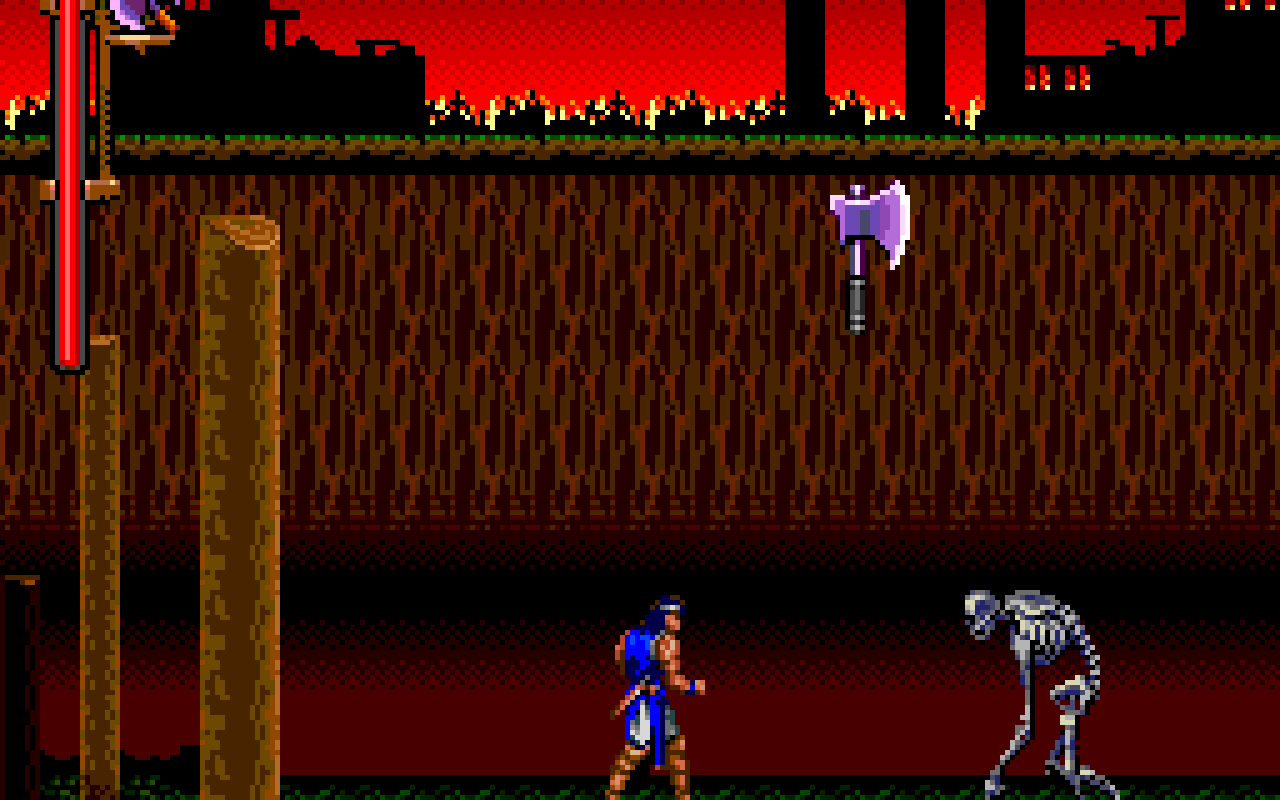
Castlevania: Rondo of Blood
The pinnacle of classic Castlevania. Rondo of Blood combines razor-sharp level design, gorgeous CD-ROM presentation, and two playable characters into what may be the finest action-platformer of the 16-bit era.
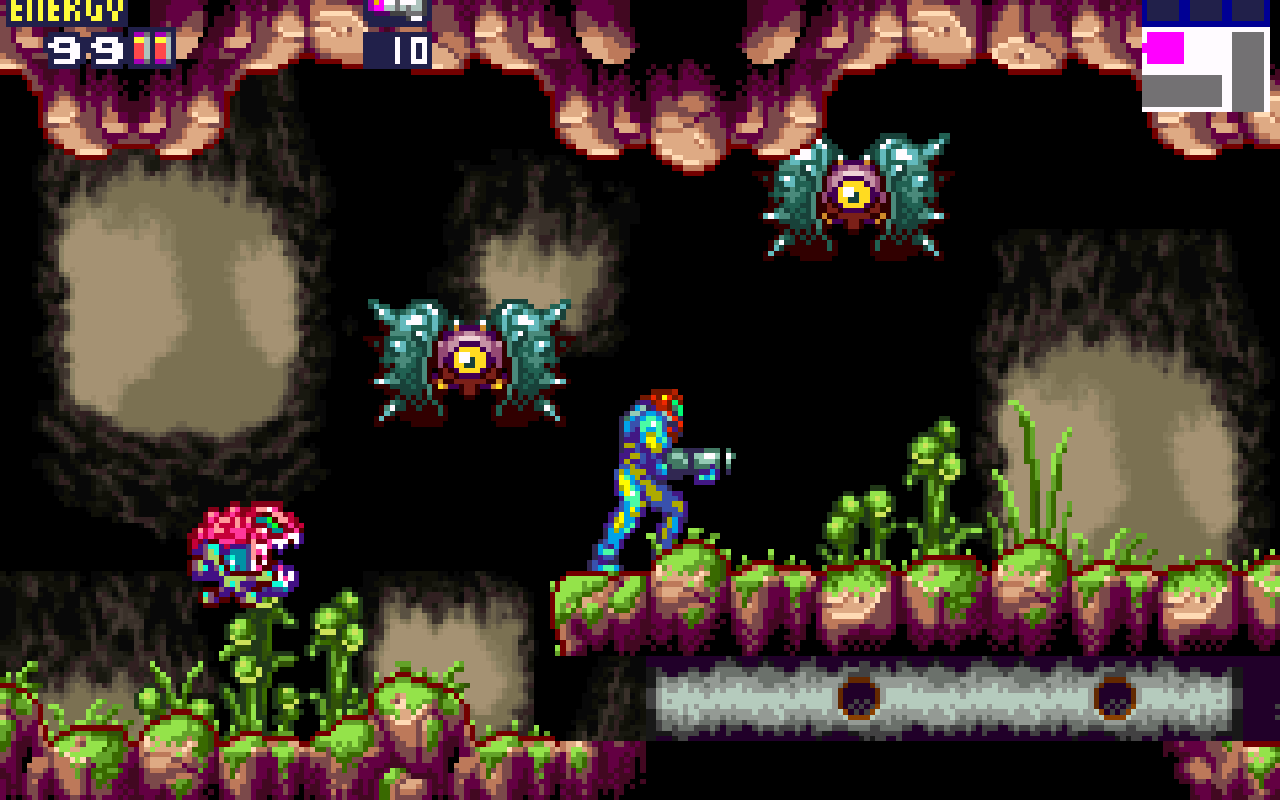
Metroid Fusion
A more linear, story-driven Metroid that trades open exploration for constant tension. The SA-X stalking you through BSL Station is one of gaming's greatest horror mechanics.
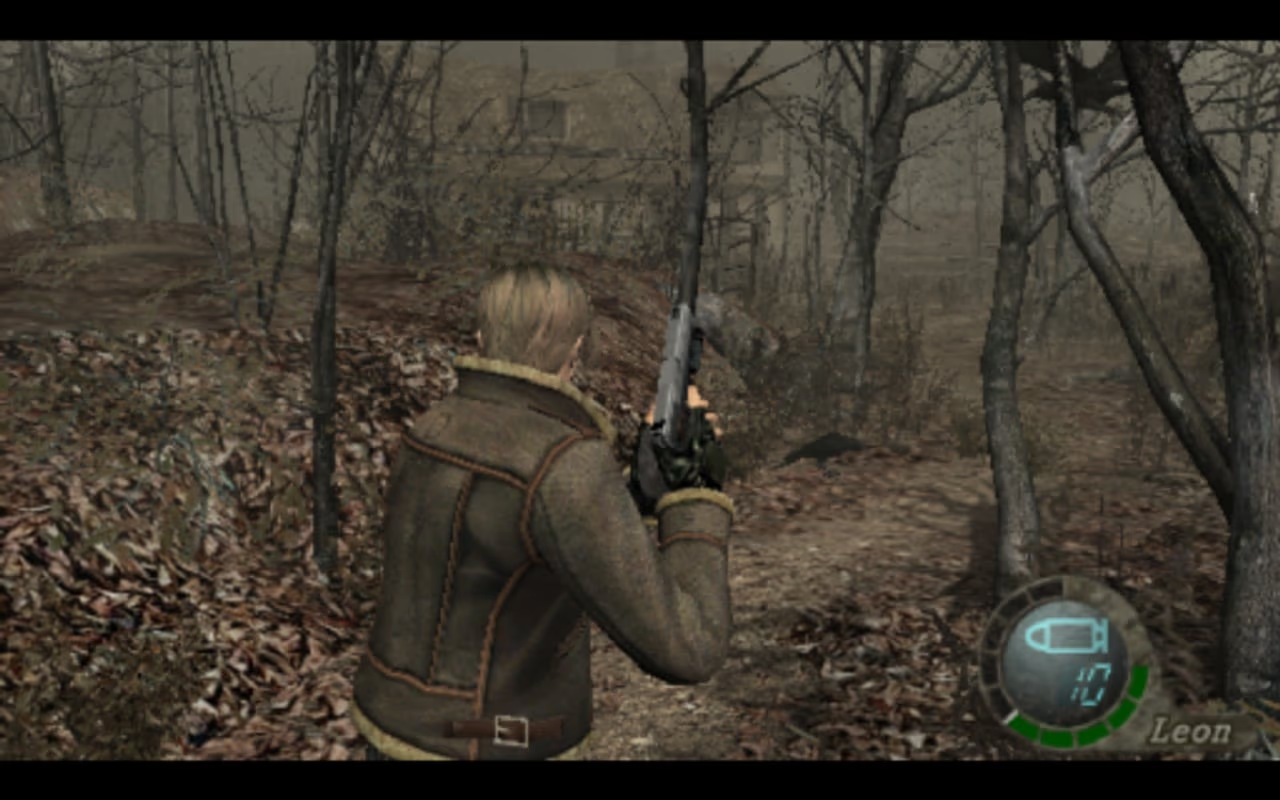
Resident Evil 4
Capcom reinvented survival horror with an over-the-shoulder camera, tight gunplay, and relentless pacing. RE4 on GameCube remains one of the most influential action games ever made.