
Zelda 64: Recompiled Enables Native PC Ports of N64 Zelda Games with Modern Enhancements
Beyond Emulation
The N64 recompilation scene has produced something genuinely remarkable. Building on the static recompilation technology that translates N64 MIPS binaries into native x86 code, the Zelda 64: Recompiled project has delivered what are effectively native PC ports of both Ocarina of Time and Majora's Mask. These are not emulated versions of the games running through a compatibility layer. They are natively compiled executables that run directly on modern hardware, which means they can take advantage of system resources in ways that traditional emulation simply cannot.
What Makes It Special
The practical benefits are immediately apparent. Both games run at arbitrary resolutions with no performance penalty, support ultrawide and super-ultrawide aspect ratios, and maintain a locked 60 frames per second that feels transformative for games originally designed around a 20fps target. The camera system, freed from the constraints of the original hardware, is noticeably smoother. Draw distance has been extended, loading times are essentially nonexistent, and texture packs can be applied with trivial effort. Perhaps most impressively, the projects support modding through a plugin system that has already produced gyroscope aiming, dual-analog camera control, and a suite of accessibility options that Nintendo has never bothered to implement in any official re-release.
The Legal Gray Zone
The recompilation approach occupies a fascinating legal position. Unlike traditional ROM hacking, the recompiled executables require users to provide their own legally obtained ROM files, which are then processed by the recompilation toolchain to generate the final playable build. The recompiler itself does not contain any copyrighted game code. This distinction matters because it places the projects in a similar legal category to tools like decompilers and transformative utilities rather than straightforward ROM distribution. Nintendo has not taken legal action against the projects to date, though the community operates with the understanding that this could change at any moment.
A New Standard for Classic Games
The Zelda 64: Recompiled project has set a new benchmark for how classic games can be experienced on modern hardware. The combination of native performance, modern rendering features, and community-driven enhancements produces versions of these games that are objectively superior to anything Nintendo has officially released, including the 3DS remakes. It raises an uncomfortable question for the industry: when fan-driven projects consistently outperform official re-releases in both technical quality and feature sets, what incentive do players have to wait for publishers to get around to doing it themselves? The answer, increasingly, is none.
More News
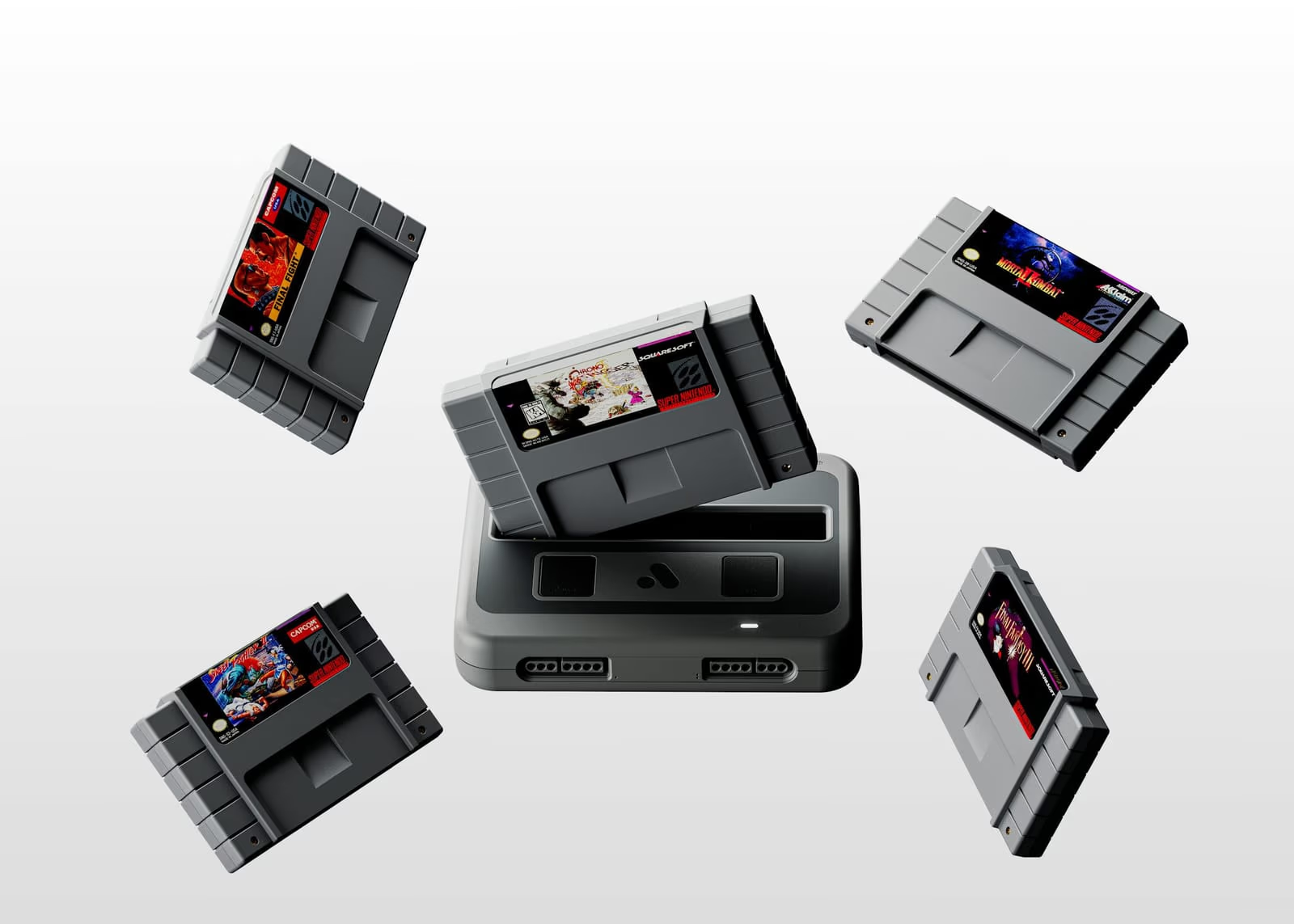
Analogue Announces Super Nt+ and Mega Sg+, With Wireless Controllers and USB-C, for $219.99
Analogue's FPGA Super Nintendo and Mega Drive consoles return as the Super Nt+ and Mega Sg+, adding Bluetooth and 2.4 GHz controllers, USB-C power and hot-swappable cartridges. Preorders open on 19 October at 8am PDT, and both ship in December.
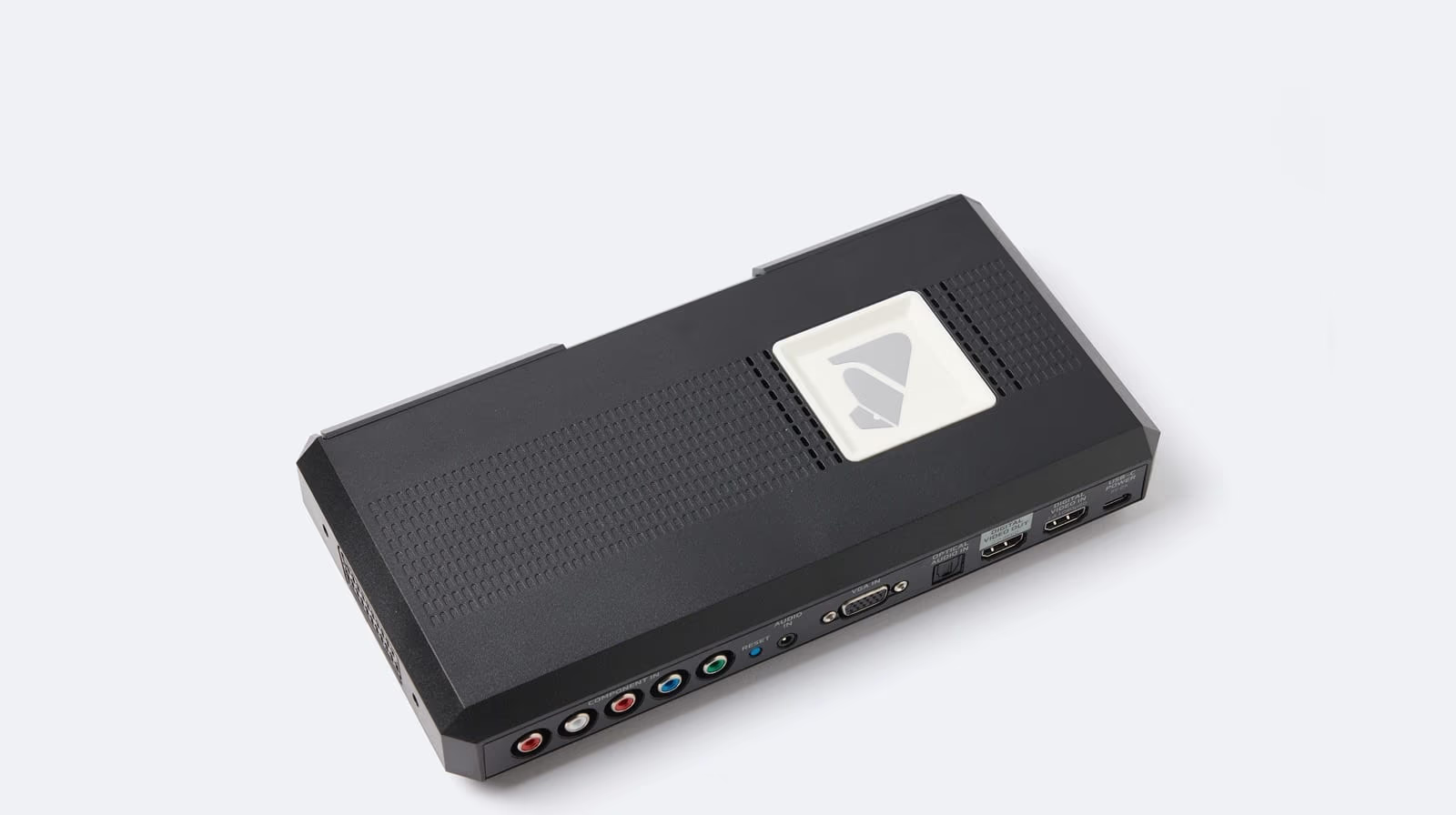
RetroTINK 4K Firmware 1.99 Brings Its CRT Beam Simulation in Line With Blur Busters' Reference Shader
Experimental firmware 1.99.0 and 1.99.1 for the RetroTINK 4K add a Multi-frame Glow option and a Motion Clarity control that match the open-source CRT beam simulator by Blur Busters and Timothy Lottes, capping a month of builds that also brought true VRR, a new inverse telecine engine and steadier Lumacode.
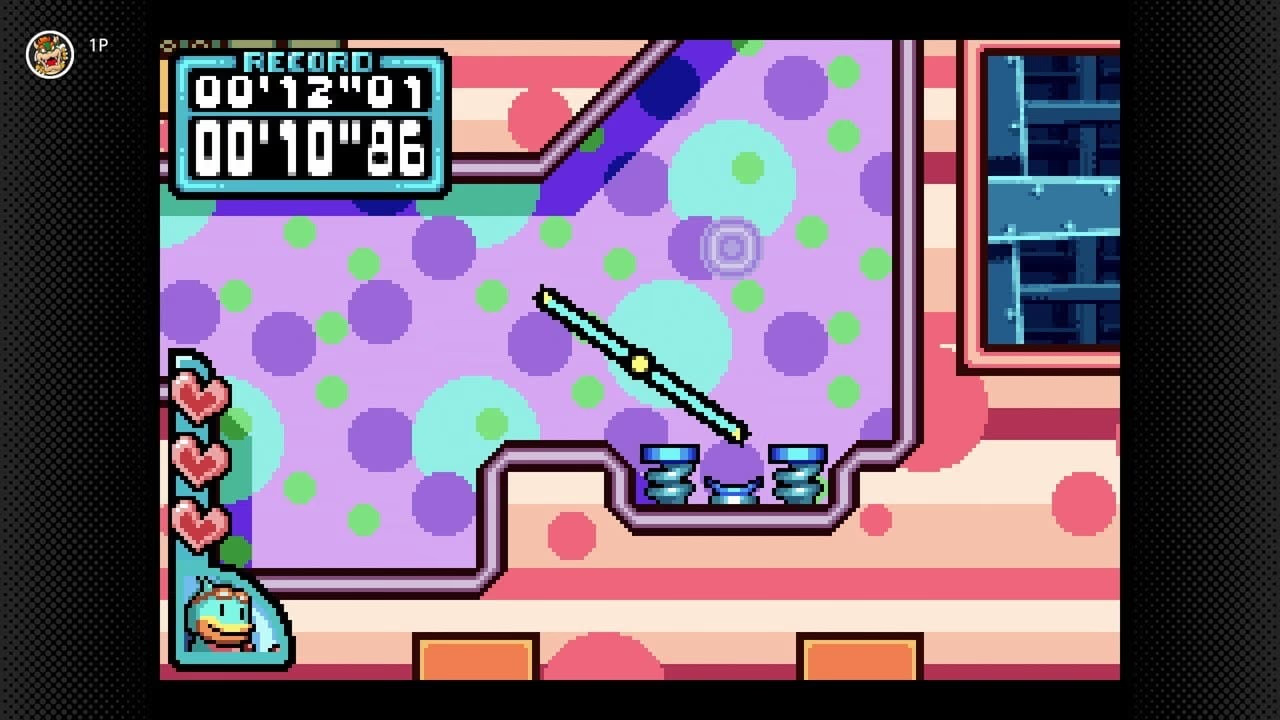
Kururin Paradise Reaches the West for the First Time as Switch Online Adds Three GBA Games
Nintendo added Kururin Paradise, Metal Slug Advance and Monster Rancher Advance to Game Boy Advance - Nintendo Classics on 14 October, giving the 2002 Kururin sequel its first release outside Japan.