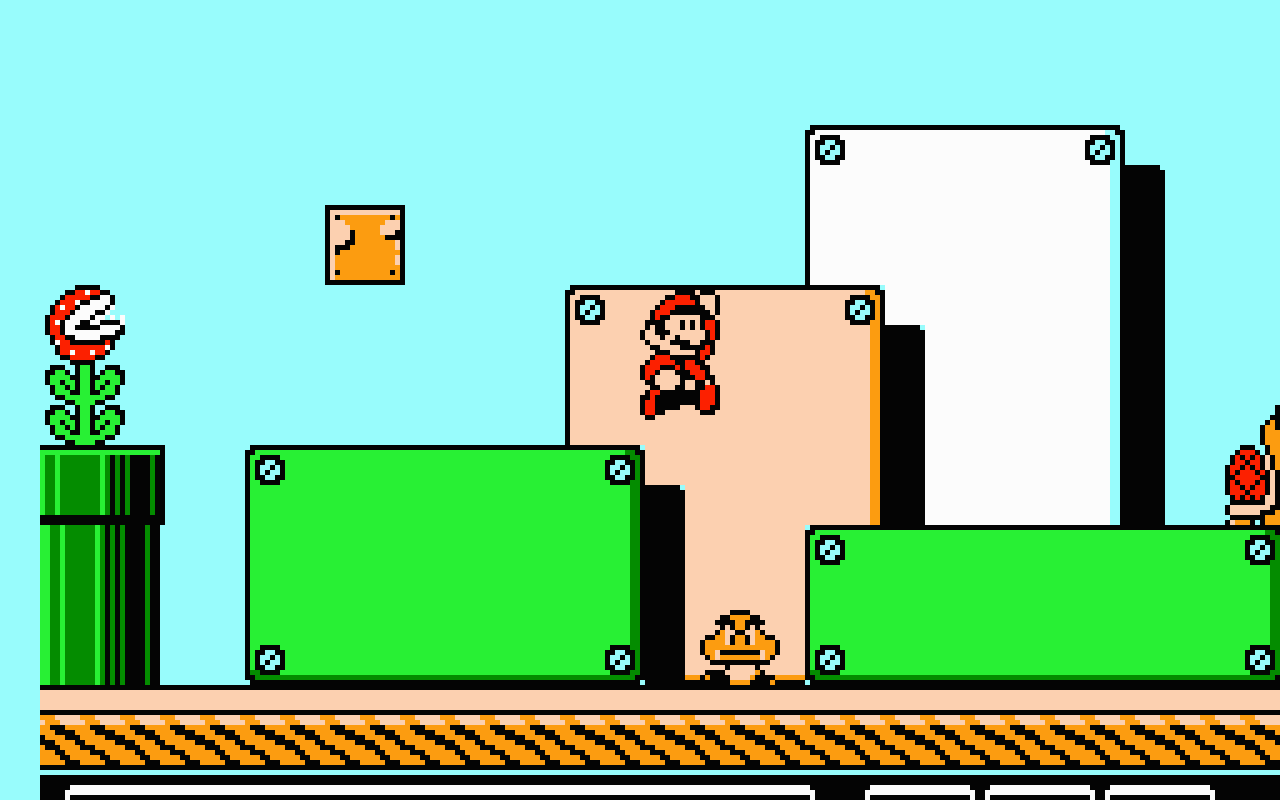
Super Mario Bros. 3
Super Mario Bros. 3 is, by almost any measure, the greatest game released on the NES. When it arrived in 1990 (1988 in Japan), it felt like Miyamoto and his team had squeezed every last drop of potential from the Famicom hardware, and then found a few more drops nobody knew existed.
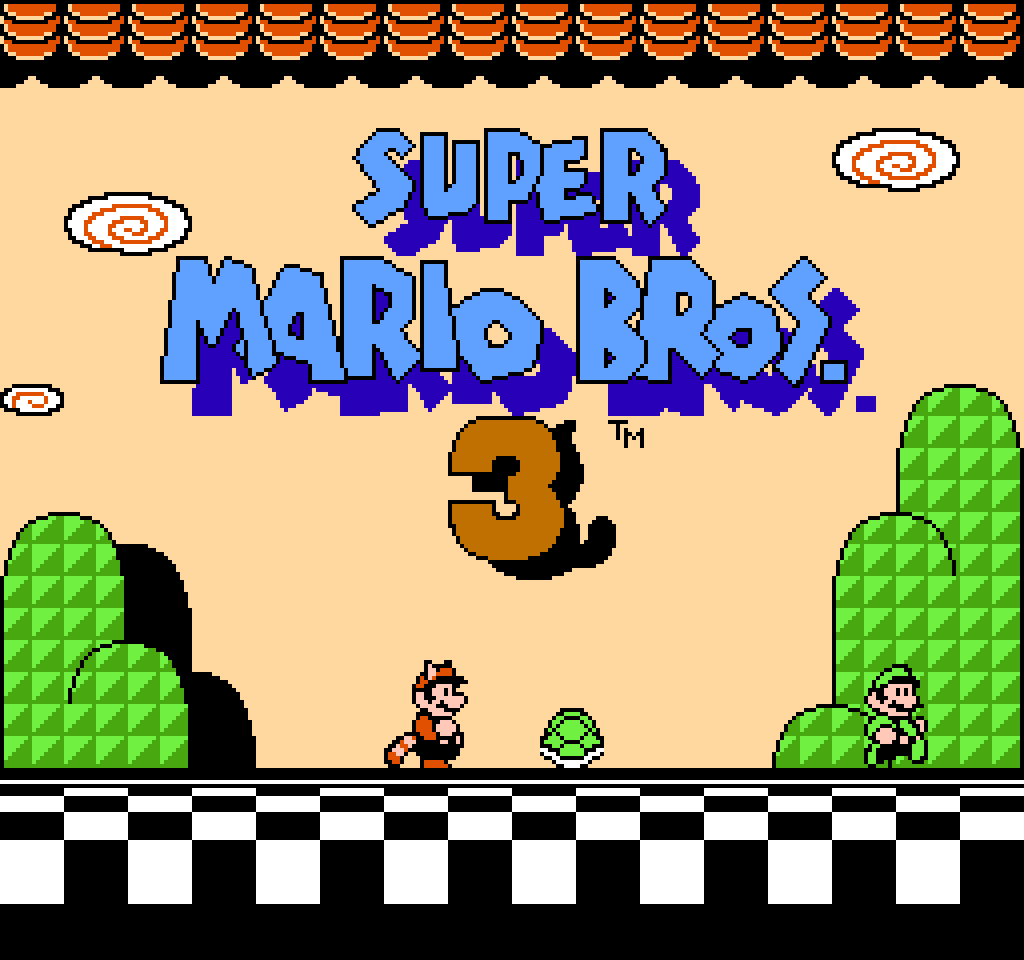
The world map was a revelation. Instead of a linear series of levels, Mario 3 presented eight themed worlds, each with branching paths, Toad Houses for power-ups, roaming Hammer Bros. encounters, and hidden secrets. It turned level selection into gameplay itself, giving players agency over their route to each world's airship boss.
The power-up system is where Mario 3 truly shines. The Super Leaf grants the iconic Raccoon Mario form, allowing flight after a running start, a mechanic that fundamentally changes how you approach level design. The Frog Suit makes water levels genuinely enjoyable. The Tanooki Suit adds a statue transformation. And the Hammer Bros. Suit lets you throw hammers like the enemies that terrorized you in the original game. Each power-up isn't just a gimmick; it opens up new ways to interact with every level.
Level design is masterful. World 1 teaches you mechanics through play. Giant World (World 4) delights with oversized enemies and blocks. Sky World (World 5) features auto-scrolling airship levels with precision platforming. And Dark Land (World 8) is a gauntlet that tests everything you've learned. There isn't a single throwaway level in the entire game.
The controls are precise and responsive, arguably the tightest platforming feel on the NES. Mario's momentum, his acceleration curve, the height variance in his jump based on button press duration, it all feels meticulously tuned.
Visually, the game is gorgeous for 8-bit hardware. Sprites are detailed and expressive, backgrounds have depth and personality, and the animation is smooth. The soundtrack by Koji Kondo is characteristically brilliant, each world theme is instantly memorable.
If there's a criticism, it's that the game doesn't save progress on the original cartridge. Lose all your lives and you're back to World 1. The GBA remake fixed this, but on original hardware it means marathon sessions or judicious use of warp whistles.
Super Mario Bros. 3 isn't just the best NES game: it's one of the best platformers ever made, period.
Score Breakdown
Pros
- +Incredible variety of power-ups and level themes
- +World map added strategic depth to platforming
- +Pixel-perfect controls and physics
- +Every single level is thoughtfully designed
Cons
- -No save system on original cartridge
- -Some later worlds spike in difficulty sharply
- -Inventory management is basic
You Might Also Like

Banjo-Kazooie
Rare's platforming masterpiece pairs a honey bear and a wisecracking bird in one of the tightest, most inventive collect-a-thons ever made. A genuine rival to Mario 64, and in some ways, its superior.
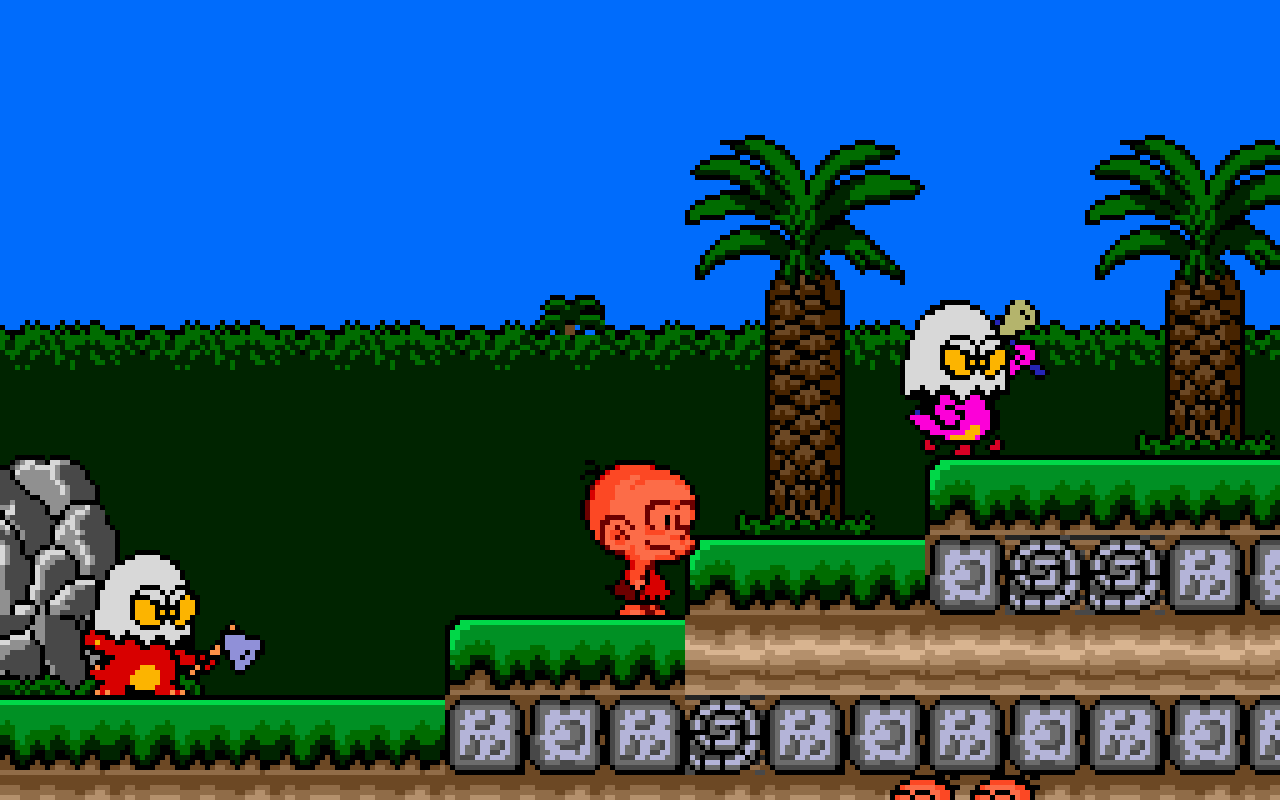
Bonk's Adventure
The TurboGrafx-16's answer to Mario and Sonic stars a bald caveman who attacks with his enormous head. Charming, colorful, and packed with personality, Bonk remains one of the system's defining mascots.
Donkey Kong 64
Rare's ambitious Kong adventure is bursting with content, perhaps too much. Five playable characters, hundreds of collectibles, and a sprawling world that's equal parts impressive and exhausting.